Choose a Lens
The Focus Areas stay the same. The supporting resources change with the perspective you choose.

Centered Across 7 Core Aspects

Focus Areas

Mental · ALIGNING

A
Awareness
Notice what is happening
39 resources
Awareness helps you notice your thoughts, emotions, habits, and reactions so you can respond more intentionally.
Awareness helps you notice your thoughts, emotions, habits, and reactions so you can respond more intentionally. Greater awareness makes patterns easier to recognize before they automatically control your behavior. By noticing what you are thinking, feeling, doing, and reacting to in real time, you create space between the trigger and your response. That space gives you more opportunity to question assumptions, recognize limiting beliefs, redirect attention, and choose actions that better support the person you want to become.
Awareness: A Coaching Approach
More
Article
Awareness is about making it easier to notice what is happening. A coaching approach turns the idea into a clear standard and a next action. Do not wait for a perfect plan or perfect motivation. Decide what showing up looks like today, make the minimum version realistic, and use completed repetitions to build momentum.
Article
Awareness is about making it easier to notice what is happening. A coaching approach turns the idea into a clear standard and a next action. Do not wait for a perfect plan or perfect motivation. Decide what showing up looks like today, make the minimum version realistic, and use completed repetitions to build momentum.
Awareness: A Biblical Perspective
More
Article
So, then, my beloved brothers, let every man be swift to hear, slow to speak, and slow to anger; — James 1:19 (WEB) Awareness is about making it easier to notice what is happening. A biblical approach treats this as an opportunity to practice wisdom, faithfulness, stewardship, love, and self-control in ordinary choices. Instead of waiting for perfect circumstances, ask what a faithful next step looks like today and let repeated small choices support the larger direction.
Article
So, then, my beloved brothers, let every man be swift to hear, slow to speak, and slow to anger; — James 1:19 (WEB) Awareness is about making it easier to notice what is happening. A biblical approach treats this as an opportunity to practice wisdom, faithfulness, stewardship, love, and self-control in ordinary choices. Instead of waiting for perfect circumstances, ask what a faithful next step looks like today and let repeated small choices support the larger direction.
Awareness: A Psychological Approach
More
Article
Awareness is about making it easier to notice what is happening. A psychological approach also looks at the thoughts, emotions, expectations, triggers, and learned patterns surrounding the behavior. Difficulty does not automatically mean a character flaw. Understanding what tends to happen before, during, and after the behavior can reveal a more workable response.
Article
Awareness is about making it easier to notice what is happening. A psychological approach also looks at the thoughts, emotions, expectations, triggers, and learned patterns surrounding the behavior. Difficulty does not automatically mean a character flaw. Understanding what tends to happen before, during, and after the behavior can reveal a more workable response.
Awareness: An Evidence-Based Approach
More
Article
Awareness is about making it easier to notice what is happening. An evidence-based approach makes the target observable, reduces friction, and uses results to improve the next attempt. Define what the behavior actually looks like, make the first step easy to start, and track a simple signal of completion. Repeated observations are more useful than relying only on memory or motivation.
Article
Awareness is about making it easier to notice what is happening. An evidence-based approach makes the target observable, reduces friction, and uses results to improve the next attempt. Define what the behavior actually looks like, make the first step easy to start, and track a simple signal of completion. Repeated observations are more useful than relying only on memory or motivation.
Awareness: A Spiritual Perspective
More
Article
Awareness is about making it easier to notice what is happening. A spiritual, nonreligious approach adds attention to intention, presence, meaning, and connection. The practice becomes more than a task when you understand why it matters to the person you want to be and bring deliberate attention to the way you do it.
Article
Awareness is about making it easier to notice what is happening. A spiritual, nonreligious approach adds attention to intention, presence, meaning, and connection. The practice becomes more than a task when you understand why it matters to the person you want to be and bring deliberate attention to the way you do it.
Do: Take the Next Awareness Step
More
Exercise
Your next move is simple: Notice what is happening. Shrink it until you can start now or put it at a specific time today. When it is complete, count the completion as evidence that action can come before perfect motivation.
Exercise
Your next move is simple: Notice what is happening. Shrink it until you can start now or put it at a specific time today. When it is complete, count the completion as evidence that action can come before perfect motivation.
Do: Practice Awareness Faithfully
More
Exercise
So, then, my beloved brothers, let every man be swift to hear, slow to speak, and slow to anger; — James 1:19 (WEB) Today's practice: Notice what is happening. Make the action small enough to complete today. Before you begin, connect it to the value or responsibility you believe it serves. Complete the step before deciding whether you need to do more.
Exercise
So, then, my beloved brothers, let every man be swift to hear, slow to speak, and slow to anger; — James 1:19 (WEB) Today's practice: Notice what is happening. Make the action small enough to complete today. Before you begin, connect it to the value or responsibility you believe it serves. Complete the step before deciding whether you need to do more.
Do: Notice the Pattern Around Awareness
More
Exercise
Before you act, notice the thought or feeling most likely to interfere with this goal. Then notice what is happening. Afterward, write one sentence about what helped and one sentence about what got in the way. Treat both as information, not a judgment about yourself.
Exercise
Before you act, notice the thought or feeling most likely to interfere with this goal. Then notice what is happening. Afterward, write one sentence about what helped and one sentence about what got in the way. Treat both as information, not a judgment about yourself.
Do: Test One Awareness Improvement
More
Exercise
Choose one measurable version of this goal: Notice what is happening. Define what counts as completed before you begin. Do one repetition, then note one thing that made it easier or harder. Change one variable on the next attempt instead of changing everything at once.
Exercise
Choose one measurable version of this goal: Notice what is happening. Define what counts as completed before you begin. Do one repetition, then note one thing that made it easier or harder. Change one variable on the next attempt instead of changing everything at once.
Do: Practice Awareness With Intention
More
Exercise
Pause for one slow breath and reconnect with why this area matters to you. Then notice what is happening. Keep your attention on the experience while you do it. When finished, notice whether the action felt more aligned when you did it intentionally.
Exercise
Pause for one slow breath and reconnect with why this area matters to you. Then notice what is happening. Keep your attention on the experience while you do it. When finished, notice whether the action felt more aligned when you did it intentionally.
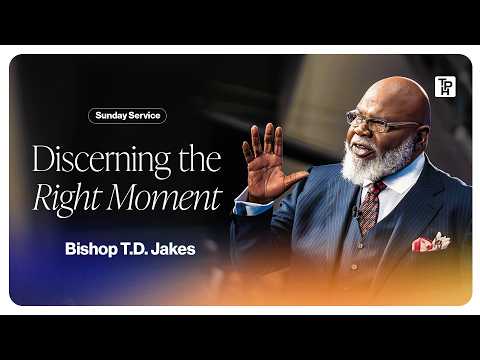
Identifying The Voice Of God
More
Video · Charles Stanley
The video directly addresses awareness through discerning God's voice amidst life's noise, aligning well with the target Focus Area and Lens.
Video · Charles Stanley
The video directly addresses awareness through discerning God's voice amidst life's noise, aligning well with the target Focus Area and Lens.
L
Letting Go
Release what is not helping
28 resources
Letting Go helps you release thoughts, beliefs, emotions, and attachments that are no longer helping you.
Letting Go helps you release thoughts, beliefs, emotions, and attachments that are no longer helping you. Letting go does not require pretending that difficult experiences never happened. It means recognizing when repeatedly holding onto a thought, resentment, fear, expectation, or outdated belief is creating more harm than value. Practicing release can free mental and emotional energy for the things you can influence now.
Letting Go: A Coaching Approach
More
Article
Letting Go is about making it easier to release what is not helping. A coaching approach turns the idea into a clear standard and a next action. Do not wait for a perfect plan or perfect motivation. Decide what showing up looks like today, make the minimum version realistic, and use completed repetitions to build momentum.

Article
Letting Go is about making it easier to release what is not helping. A coaching approach turns the idea into a clear standard and a next action. Do not wait for a perfect plan or perfect motivation. Decide what showing up looks like today, make the minimum version realistic, and use completed repetitions to build momentum.
Letting Go: A Biblical Perspective
More
Article
Finally, brothers, whatever things are true, whatever things are honorable, whatever things are just, whatever things are pure, whatever things are lovely, whatever things are of good report: if there is any virtue and if there is anything worthy of praise, think about these things. — Philippians 4:8 (WEB) Letting Go is about making it easier to release what is not helping. A biblical approach treats this as an opportunity to practice wisdom, faithfulness, stewardship, love, and self-control in ordinary choices. Instead of waiting for perfect circumstances, ask what a faithful next step looks like today and let repeated small choices support the larger direction.
Article
Finally, brothers, whatever things are true, whatever things are honorable, whatever things are just, whatever things are pure, whatever things are lovely, whatever things are of good report: if there is any virtue and if there is anything worthy of praise, think about these things. — Philippians 4:8 (WEB) Letting Go is about making it easier to release what is not helping. A biblical approach treats this as an opportunity to practice wisdom, faithfulness, stewardship, love, and self-control in ordinary choices. Instead of waiting for perfect circumstances, ask what a faithful next step looks like today and let repeated small choices support the larger direction.
Letting Go: A Psychological Approach
More
Article
Letting Go is about making it easier to release what is not helping. A psychological approach also looks at the thoughts, emotions, expectations, triggers, and learned patterns surrounding the behavior. Difficulty does not automatically mean a character flaw. Understanding what tends to happen before, during, and after the behavior can reveal a more workable response.
Article
Letting Go is about making it easier to release what is not helping. A psychological approach also looks at the thoughts, emotions, expectations, triggers, and learned patterns surrounding the behavior. Difficulty does not automatically mean a character flaw. Understanding what tends to happen before, during, and after the behavior can reveal a more workable response.
Letting Go: An Evidence-Based Approach
More
Article
Letting Go is about making it easier to release what is not helping. An evidence-based approach makes the target observable, reduces friction, and uses results to improve the next attempt. Define what the behavior actually looks like, make the first step easy to start, and track a simple signal of completion. Repeated observations are more useful than relying only on memory or motivation.
Article
Letting Go is about making it easier to release what is not helping. An evidence-based approach makes the target observable, reduces friction, and uses results to improve the next attempt. Define what the behavior actually looks like, make the first step easy to start, and track a simple signal of completion. Repeated observations are more useful than relying only on memory or motivation.
Letting Go: A Spiritual Perspective
More
Article
Letting Go is about making it easier to release what is not helping. A spiritual, nonreligious approach adds attention to intention, presence, meaning, and connection. The practice becomes more than a task when you understand why it matters to the person you want to be and bring deliberate attention to the way you do it.
Article
Letting Go is about making it easier to release what is not helping. A spiritual, nonreligious approach adds attention to intention, presence, meaning, and connection. The practice becomes more than a task when you understand why it matters to the person you want to be and bring deliberate attention to the way you do it.
Do: Take the Next Letting Go Step
More
Exercise
Your next move is simple: Release what is not helping. Shrink it until you can start now or put it at a specific time today. When it is complete, count the completion as evidence that action can come before perfect motivation.
Exercise
Your next move is simple: Release what is not helping. Shrink it until you can start now or put it at a specific time today. When it is complete, count the completion as evidence that action can come before perfect motivation.
Do: Practice Letting Go Faithfully
More
Exercise
Finally, brothers, whatever things are true, whatever things are honorable, whatever things are just, whatever things are pure, whatever things are lovely, whatever things are of good report: if there is any virtue and if there is anything worthy of praise, think about these things. — Philippians 4:8 (WEB) Today's practice: Release what is not helping. Make the action small enough to complete today. Before you begin, connect it to the value or responsibility you believe it serves. Complete the step before deciding whether you need to do more.
Exercise
Finally, brothers, whatever things are true, whatever things are honorable, whatever things are just, whatever things are pure, whatever things are lovely, whatever things are of good report: if there is any virtue and if there is anything worthy of praise, think about these things. — Philippians 4:8 (WEB) Today's practice: Release what is not helping. Make the action small enough to complete today. Before you begin, connect it to the value or responsibility you believe it serves. Complete the step before deciding whether you need to do more.
Do: Notice the Pattern Around Letting Go
More
Exercise
Before you act, notice the thought or feeling most likely to interfere with this goal. Then release what is not helping. Afterward, write one sentence about what helped and one sentence about what got in the way. Treat both as information, not a judgment about yourself.
Exercise
Before you act, notice the thought or feeling most likely to interfere with this goal. Then release what is not helping. Afterward, write one sentence about what helped and one sentence about what got in the way. Treat both as information, not a judgment about yourself.
Do: Test One Letting Go Improvement
More
Exercise
Choose one measurable version of this goal: Release what is not helping. Define what counts as completed before you begin. Do one repetition, then note one thing that made it easier or harder. Change one variable on the next attempt instead of changing everything at once.
Exercise
Choose one measurable version of this goal: Release what is not helping. Define what counts as completed before you begin. Do one repetition, then note one thing that made it easier or harder. Change one variable on the next attempt instead of changing everything at once.
Do: Practice Letting Go With Intention
More
Exercise
Pause for one slow breath and reconnect with why this area matters to you. Then release what is not helping. Keep your attention on the experience while you do it. When finished, notice whether the action felt more aligned when you did it intentionally.
Exercise
Pause for one slow breath and reconnect with why this area matters to you. Then release what is not helping. Keep your attention on the experience while you do it. When finished, notice whether the action felt more aligned when you did it intentionally.
Wake Up Happy
More
Video · Bruce Lipton
The content focuses on the choice of happiness and letting go of negativity, aligning well with the target Focus Area.
Video · Bruce Lipton
The content focuses on the choice of happiness and letting go of negativity, aligning well with the target Focus Area.
Overthinking at Night? Try This Mental Trick
More
Video · Ethan Kross
The video provides a practical technique for overcoming negative thought patterns related to overthinking, aligning well with the focus area of letting go.
Video · Ethan Kross
The video provides a practical technique for overcoming negative thought patterns related to overthinking, aligning well with the focus area of letting go.
I
Inner Stillness
Create mental quiet
32 resources
Inner Stillness creates mental quiet that can improve clarity, focus, emotional regulation, and peace.
Inner Stillness creates mental quiet that can improve clarity, focus, emotional regulation, and peace. Periods of intentional quiet can reduce the constant stream of stimulation competing for your attention. Meditation, breathing, contemplation, prayer, or simply sitting quietly can help you observe your internal experience without immediately reacting to it. Over time, this can support clearer thinking and a calmer response to everyday pressure.
Inner Stillness: A Coaching Approach
More
Article
Inner Stillness is about making it easier to create mental quiet. A coaching approach turns the idea into a clear standard and a next action. Do not wait for a perfect plan or perfect motivation. Decide what showing up looks like today, make the minimum version realistic, and use completed repetitions to build momentum.
Article
Inner Stillness is about making it easier to create mental quiet. A coaching approach turns the idea into a clear standard and a next action. Do not wait for a perfect plan or perfect motivation. Decide what showing up looks like today, make the minimum version realistic, and use completed repetitions to build momentum.
Inner Stillness: A Biblical Perspective
More
Article
“Be still, and know that I am God. I will be exalted among the nations. I will be exalted in the earth.” — Psalm 46:10 (WEB) Inner Stillness is about making it easier to create mental quiet. A biblical approach treats this as an opportunity to practice wisdom, faithfulness, stewardship, love, and self-control in ordinary choices. Instead of waiting for perfect circumstances, ask what a faithful next step looks like today and let repeated small choices support the larger direction.
Article
“Be still, and know that I am God. I will be exalted among the nations. I will be exalted in the earth.” — Psalm 46:10 (WEB) Inner Stillness is about making it easier to create mental quiet. A biblical approach treats this as an opportunity to practice wisdom, faithfulness, stewardship, love, and self-control in ordinary choices. Instead of waiting for perfect circumstances, ask what a faithful next step looks like today and let repeated small choices support the larger direction.
Inner Stillness: A Psychological Approach
More
Article
Inner Stillness is about making it easier to create mental quiet. A psychological approach also looks at the thoughts, emotions, expectations, triggers, and learned patterns surrounding the behavior. Difficulty does not automatically mean a character flaw. Understanding what tends to happen before, during, and after the behavior can reveal a more workable response.
Article
Inner Stillness is about making it easier to create mental quiet. A psychological approach also looks at the thoughts, emotions, expectations, triggers, and learned patterns surrounding the behavior. Difficulty does not automatically mean a character flaw. Understanding what tends to happen before, during, and after the behavior can reveal a more workable response.
Inner Stillness: An Evidence-Based Approach
More
Article
Inner Stillness is about making it easier to create mental quiet. An evidence-based approach makes the target observable, reduces friction, and uses results to improve the next attempt. Define what the behavior actually looks like, make the first step easy to start, and track a simple signal of completion. Repeated observations are more useful than relying only on memory or motivation.
Article
Inner Stillness is about making it easier to create mental quiet. An evidence-based approach makes the target observable, reduces friction, and uses results to improve the next attempt. Define what the behavior actually looks like, make the first step easy to start, and track a simple signal of completion. Repeated observations are more useful than relying only on memory or motivation.
Inner Stillness: A Spiritual Perspective
More
Article
Inner Stillness is about making it easier to create mental quiet. A spiritual, nonreligious approach adds attention to intention, presence, meaning, and connection. The practice becomes more than a task when you understand why it matters to the person you want to be and bring deliberate attention to the way you do it.
Article
Inner Stillness is about making it easier to create mental quiet. A spiritual, nonreligious approach adds attention to intention, presence, meaning, and connection. The practice becomes more than a task when you understand why it matters to the person you want to be and bring deliberate attention to the way you do it.
Do: Take the Next Inner Stillness Step
More
Exercise
Your next move is simple: Create mental quiet. Shrink it until you can start now or put it at a specific time today. When it is complete, count the completion as evidence that action can come before perfect motivation.
Exercise
Your next move is simple: Create mental quiet. Shrink it until you can start now or put it at a specific time today. When it is complete, count the completion as evidence that action can come before perfect motivation.
Do: Practice Inner Stillness Faithfully
More
Exercise
“Be still, and know that I am God. I will be exalted among the nations. I will be exalted in the earth.” — Psalm 46:10 (WEB) Today's practice: Create mental quiet. Make the action small enough to complete today. Before you begin, connect it to the value or responsibility you believe it serves. Complete the step before deciding whether you need to do more.
Exercise
“Be still, and know that I am God. I will be exalted among the nations. I will be exalted in the earth.” — Psalm 46:10 (WEB) Today's practice: Create mental quiet. Make the action small enough to complete today. Before you begin, connect it to the value or responsibility you believe it serves. Complete the step before deciding whether you need to do more.
Do: Notice the Pattern Around Inner Stillness
More
Exercise
Before you act, notice the thought or feeling most likely to interfere with this goal. Then create mental quiet. Afterward, write one sentence about what helped and one sentence about what got in the way. Treat both as information, not a judgment about yourself.
Exercise
Before you act, notice the thought or feeling most likely to interfere with this goal. Then create mental quiet. Afterward, write one sentence about what helped and one sentence about what got in the way. Treat both as information, not a judgment about yourself.
Do: Test One Inner Stillness Improvement
More
Exercise
Choose one measurable version of this goal: Create mental quiet. Define what counts as completed before you begin. Do one repetition, then note one thing that made it easier or harder. Change one variable on the next attempt instead of changing everything at once.
Exercise
Choose one measurable version of this goal: Create mental quiet. Define what counts as completed before you begin. Do one repetition, then note one thing that made it easier or harder. Change one variable on the next attempt instead of changing everything at once.
Do: Practice Inner Stillness With Intention
More
Exercise
Pause for one slow breath and reconnect with why this area matters to you. Then create mental quiet. Keep your attention on the experience while you do it. When finished, notice whether the action felt more aligned when you did it intentionally.
Exercise
Pause for one slow breath and reconnect with why this area matters to you. Then create mental quiet. Keep your attention on the experience while you do it. When finished, notice whether the action felt more aligned when you did it intentionally.
How Shifting Your Attention Changes Your Brain (Beta to Theta Explained) | Dr Joe Dispenza
More
Video · Joe Dispenza
The video directly addresses how shifting attention facilitates personal transformation and understanding, aligning with the focus on continuous learning and self-awareness.
Video · Joe Dispenza
The video directly addresses how shifting attention facilitates personal transformation and understanding, aligning with the focus on continuous learning and self-awareness.
G
Gratitude
Notice what is good
29 resources
Gratitude directs attention toward what is good, meaningful, or appreciated in your life.
Gratitude directs attention toward what is good, meaningful, or appreciated in your life. Gratitude trains attention to notice value that can easily be overlooked when the mind is focused primarily on problems or threats. This does not mean ignoring difficulties. It means deliberately recognizing people, experiences, opportunities, progress, and ordinary parts of life that are worth appreciating alongside whatever still needs improvement.
Gratitude: A Coaching Approach
More
Article
Gratitude is about making it easier to notice what is good. A coaching approach turns the idea into a clear standard and a next action. Do not wait for a perfect plan or perfect motivation. Decide what showing up looks like today, make the minimum version realistic, and use completed repetitions to build momentum.
Article
Gratitude is about making it easier to notice what is good. A coaching approach turns the idea into a clear standard and a next action. Do not wait for a perfect plan or perfect motivation. Decide what showing up looks like today, make the minimum version realistic, and use completed repetitions to build momentum.

Gratitude: A Biblical Perspective
More
Article
In everything give thanks, for this is the will of God in Christ Jesus toward you. — 1 Thessalonians 5:18 (WEB) Gratitude is about making it easier to notice what is good. A biblical approach treats this as an opportunity to practice wisdom, faithfulness, stewardship, love, and self-control in ordinary choices. Instead of waiting for perfect circumstances, ask what a faithful next step looks like today and let repeated small choices support the larger direction.
Article
In everything give thanks, for this is the will of God in Christ Jesus toward you. — 1 Thessalonians 5:18 (WEB) Gratitude is about making it easier to notice what is good. A biblical approach treats this as an opportunity to practice wisdom, faithfulness, stewardship, love, and self-control in ordinary choices. Instead of waiting for perfect circumstances, ask what a faithful next step looks like today and let repeated small choices support the larger direction.
Gratitude: A Psychological Approach
More
Article
Gratitude is about making it easier to notice what is good. A psychological approach also looks at the thoughts, emotions, expectations, triggers, and learned patterns surrounding the behavior. Difficulty does not automatically mean a character flaw. Understanding what tends to happen before, during, and after the behavior can reveal a more workable response.
Article
Gratitude is about making it easier to notice what is good. A psychological approach also looks at the thoughts, emotions, expectations, triggers, and learned patterns surrounding the behavior. Difficulty does not automatically mean a character flaw. Understanding what tends to happen before, during, and after the behavior can reveal a more workable response.
Gratitude: An Evidence-Based Approach
More
Article
Gratitude is about making it easier to notice what is good. An evidence-based approach makes the target observable, reduces friction, and uses results to improve the next attempt. Define what the behavior actually looks like, make the first step easy to start, and track a simple signal of completion. Repeated observations are more useful than relying only on memory or motivation.
Article
Gratitude is about making it easier to notice what is good. An evidence-based approach makes the target observable, reduces friction, and uses results to improve the next attempt. Define what the behavior actually looks like, make the first step easy to start, and track a simple signal of completion. Repeated observations are more useful than relying only on memory or motivation.
Gratitude: A Spiritual Perspective
More
Article
Gratitude is about making it easier to notice what is good. A spiritual, nonreligious approach adds attention to intention, presence, meaning, and connection. The practice becomes more than a task when you understand why it matters to the person you want to be and bring deliberate attention to the way you do it.
Article
Gratitude is about making it easier to notice what is good. A spiritual, nonreligious approach adds attention to intention, presence, meaning, and connection. The practice becomes more than a task when you understand why it matters to the person you want to be and bring deliberate attention to the way you do it.
Do: Take the Next Gratitude Step
More
Exercise
Your next move is simple: Notice what is good. Shrink it until you can start now or put it at a specific time today. When it is complete, count the completion as evidence that action can come before perfect motivation.
Exercise
Your next move is simple: Notice what is good. Shrink it until you can start now or put it at a specific time today. When it is complete, count the completion as evidence that action can come before perfect motivation.
Do: Practice Gratitude Faithfully
More
Exercise
In everything give thanks, for this is the will of God in Christ Jesus toward you. — 1 Thessalonians 5:18 (WEB) Today's practice: Notice what is good. Make the action small enough to complete today. Before you begin, connect it to the value or responsibility you believe it serves. Complete the step before deciding whether you need to do more.
Exercise
In everything give thanks, for this is the will of God in Christ Jesus toward you. — 1 Thessalonians 5:18 (WEB) Today's practice: Notice what is good. Make the action small enough to complete today. Before you begin, connect it to the value or responsibility you believe it serves. Complete the step before deciding whether you need to do more.
Do: Notice the Pattern Around Gratitude
More
Exercise
Before you act, notice the thought or feeling most likely to interfere with this goal. Then notice what is good. Afterward, write one sentence about what helped and one sentence about what got in the way. Treat both as information, not a judgment about yourself.
Exercise
Before you act, notice the thought or feeling most likely to interfere with this goal. Then notice what is good. Afterward, write one sentence about what helped and one sentence about what got in the way. Treat both as information, not a judgment about yourself.
Do: Test One Gratitude Improvement
More
Exercise
Choose one measurable version of this goal: Notice what is good. Define what counts as completed before you begin. Do one repetition, then note one thing that made it easier or harder. Change one variable on the next attempt instead of changing everything at once.
Exercise
Choose one measurable version of this goal: Notice what is good. Define what counts as completed before you begin. Do one repetition, then note one thing that made it easier or harder. Change one variable on the next attempt instead of changing everything at once.
Do: Practice Gratitude With Intention
More
Exercise
Pause for one slow breath and reconnect with why this area matters to you. Then notice what is good. Keep your attention on the experience while you do it. When finished, notice whether the action felt more aligned when you did it intentionally.
Exercise
Pause for one slow breath and reconnect with why this area matters to you. Then notice what is good. Keep your attention on the experience while you do it. When finished, notice whether the action felt more aligned when you did it intentionally.
N
Narrative Reframing
Tell a more useful story
14 resources
Narrative Reframing helps you recognize the stories you tell yourself and replace unhelpful interpretations with more useful ones.
Narrative Reframing helps you recognize the stories you tell yourself and replace unhelpful interpretations with more useful ones. People naturally interpret events through internal stories about themselves, other people, and what situations mean. Those stories can influence emotion and behavior even when the interpretation is incomplete or inaccurate. Reframing helps you examine the story, consider other reasonable interpretations, and choose a perspective that is both truthful and more useful.
Narrative Reframing: A Coaching Approach
More
Article
Narrative Reframing is about making it easier to tell a more useful story. A coaching approach turns the idea into a clear standard and a next action. Do not wait for a perfect plan or perfect motivation. Decide what showing up looks like today, make the minimum version realistic, and use completed repetitions to build momentum.

Article
Narrative Reframing is about making it easier to tell a more useful story. A coaching approach turns the idea into a clear standard and a next action. Do not wait for a perfect plan or perfect motivation. Decide what showing up looks like today, make the minimum version realistic, and use completed repetitions to build momentum.
Narrative Reframing: A Biblical Perspective
More
Article
Don’t be conformed to this world, but be transformed by the renewing of your mind, so that you may prove what is the good, well-pleasing, and perfect will of God. — Romans 12:2 (WEB) Narrative Reframing is about making it easier to tell a more useful story. A biblical approach treats this as an opportunity to practice wisdom, faithfulness, stewardship, love, and self-control in ordinary choices. Instead of waiting for perfect circumstances, ask what a faithful next step looks like today and let repeated small choices support the larger direction.
Article
Don’t be conformed to this world, but be transformed by the renewing of your mind, so that you may prove what is the good, well-pleasing, and perfect will of God. — Romans 12:2 (WEB) Narrative Reframing is about making it easier to tell a more useful story. A biblical approach treats this as an opportunity to practice wisdom, faithfulness, stewardship, love, and self-control in ordinary choices. Instead of waiting for perfect circumstances, ask what a faithful next step looks like today and let repeated small choices support the larger direction.
Narrative Reframing: A Psychological Approach
More
Article
Narrative Reframing is about making it easier to tell a more useful story. A psychological approach also looks at the thoughts, emotions, expectations, triggers, and learned patterns surrounding the behavior. Difficulty does not automatically mean a character flaw. Understanding what tends to happen before, during, and after the behavior can reveal a more workable response.
Article
Narrative Reframing is about making it easier to tell a more useful story. A psychological approach also looks at the thoughts, emotions, expectations, triggers, and learned patterns surrounding the behavior. Difficulty does not automatically mean a character flaw. Understanding what tends to happen before, during, and after the behavior can reveal a more workable response.
Narrative Reframing: An Evidence-Based Approach
More
Article
Narrative Reframing is about making it easier to tell a more useful story. An evidence-based approach makes the target observable, reduces friction, and uses results to improve the next attempt. Define what the behavior actually looks like, make the first step easy to start, and track a simple signal of completion. Repeated observations are more useful than relying only on memory or motivation.
Article
Narrative Reframing is about making it easier to tell a more useful story. An evidence-based approach makes the target observable, reduces friction, and uses results to improve the next attempt. Define what the behavior actually looks like, make the first step easy to start, and track a simple signal of completion. Repeated observations are more useful than relying only on memory or motivation.
Narrative Reframing: A Spiritual Perspective
More
Article
Narrative Reframing is about making it easier to tell a more useful story. A spiritual, nonreligious approach adds attention to intention, presence, meaning, and connection. The practice becomes more than a task when you understand why it matters to the person you want to be and bring deliberate attention to the way you do it.
Article
Narrative Reframing is about making it easier to tell a more useful story. A spiritual, nonreligious approach adds attention to intention, presence, meaning, and connection. The practice becomes more than a task when you understand why it matters to the person you want to be and bring deliberate attention to the way you do it.
Do: Take the Next Narrative Reframing Step
More
Exercise
Your next move is simple: Tell a more useful story. Shrink it until you can start now or put it at a specific time today. When it is complete, count the completion as evidence that action can come before perfect motivation.
Exercise
Your next move is simple: Tell a more useful story. Shrink it until you can start now or put it at a specific time today. When it is complete, count the completion as evidence that action can come before perfect motivation.
Do: Practice Narrative Reframing Faithfully
More
Exercise
Don’t be conformed to this world, but be transformed by the renewing of your mind, so that you may prove what is the good, well-pleasing, and perfect will of God. — Romans 12:2 (WEB) Today's practice: Tell a more useful story. Make the action small enough to complete today. Before you begin, connect it to the value or responsibility you believe it serves. Complete the step before deciding whether you need to do more.
Exercise
Don’t be conformed to this world, but be transformed by the renewing of your mind, so that you may prove what is the good, well-pleasing, and perfect will of God. — Romans 12:2 (WEB) Today's practice: Tell a more useful story. Make the action small enough to complete today. Before you begin, connect it to the value or responsibility you believe it serves. Complete the step before deciding whether you need to do more.
Do: Notice the Pattern Around Narrative Reframing
More
Exercise
Before you act, notice the thought or feeling most likely to interfere with this goal. Then tell a more useful story. Afterward, write one sentence about what helped and one sentence about what got in the way. Treat both as information, not a judgment about yourself.
Exercise
Before you act, notice the thought or feeling most likely to interfere with this goal. Then tell a more useful story. Afterward, write one sentence about what helped and one sentence about what got in the way. Treat both as information, not a judgment about yourself.
Do: Test One Narrative Reframing Improvement
More
Exercise
Choose one measurable version of this goal: Tell a more useful story. Define what counts as completed before you begin. Do one repetition, then note one thing that made it easier or harder. Change one variable on the next attempt instead of changing everything at once.
Exercise
Choose one measurable version of this goal: Tell a more useful story. Define what counts as completed before you begin. Do one repetition, then note one thing that made it easier or harder. Change one variable on the next attempt instead of changing everything at once.
Do: Practice Narrative Reframing With Intention
More
Exercise
Pause for one slow breath and reconnect with why this area matters to you. Then tell a more useful story. Keep your attention on the experience while you do it. When finished, notice whether the action felt more aligned when you did it intentionally.
Exercise
Pause for one slow breath and reconnect with why this area matters to you. Then tell a more useful story. Keep your attention on the experience while you do it. When finished, notice whether the action felt more aligned when you did it intentionally.
I
Imagination
Envision what is possible
16 resources
Imagination helps you mentally explore possibilities and create a clearer picture of what you want to experience or accomplish.
Imagination helps you mentally explore possibilities and create a clearer picture of what you want to experience or accomplish. Imagination allows you to mentally rehearse possibilities before they exist in the physical world. Visualizing an outcome, experience, conversation, or future version of yourself can make goals more concrete and can help reveal useful next actions. The purpose is not to substitute imagination for action, but to use it to give action clearer direction.
Imagination: A Coaching Approach
More
Article
Imagination is about making it easier to envision what is possible. A coaching approach turns the idea into a clear standard and a next action. Do not wait for a perfect plan or perfect motivation. Decide what showing up looks like today, make the minimum version realistic, and use completed repetitions to build momentum.
Article
Imagination is about making it easier to envision what is possible. A coaching approach turns the idea into a clear standard and a next action. Do not wait for a perfect plan or perfect motivation. Decide what showing up looks like today, make the minimum version realistic, and use completed repetitions to build momentum.
Imagination: A Biblical Perspective
More
Article
Yahweh answered me, “Write the vision, and make it plain on tablets, that he who runs may read it.” — Habakkuk 2:2 (WEB) Imagination is about making it easier to envision what is possible. A biblical approach treats this as an opportunity to practice wisdom, faithfulness, stewardship, love, and self-control in ordinary choices. Instead of waiting for perfect circumstances, ask what a faithful next step looks like today and let repeated small choices support the larger direction.
Article
Yahweh answered me, “Write the vision, and make it plain on tablets, that he who runs may read it.” — Habakkuk 2:2 (WEB) Imagination is about making it easier to envision what is possible. A biblical approach treats this as an opportunity to practice wisdom, faithfulness, stewardship, love, and self-control in ordinary choices. Instead of waiting for perfect circumstances, ask what a faithful next step looks like today and let repeated small choices support the larger direction.
Imagination: A Psychological Approach
More
Article
Imagination is about making it easier to envision what is possible. A psychological approach also looks at the thoughts, emotions, expectations, triggers, and learned patterns surrounding the behavior. Difficulty does not automatically mean a character flaw. Understanding what tends to happen before, during, and after the behavior can reveal a more workable response.
Article
Imagination is about making it easier to envision what is possible. A psychological approach also looks at the thoughts, emotions, expectations, triggers, and learned patterns surrounding the behavior. Difficulty does not automatically mean a character flaw. Understanding what tends to happen before, during, and after the behavior can reveal a more workable response.
Imagination: An Evidence-Based Approach
More
Article
Imagination is about making it easier to envision what is possible. An evidence-based approach makes the target observable, reduces friction, and uses results to improve the next attempt. Define what the behavior actually looks like, make the first step easy to start, and track a simple signal of completion. Repeated observations are more useful than relying only on memory or motivation.
Article
Imagination is about making it easier to envision what is possible. An evidence-based approach makes the target observable, reduces friction, and uses results to improve the next attempt. Define what the behavior actually looks like, make the first step easy to start, and track a simple signal of completion. Repeated observations are more useful than relying only on memory or motivation.
Imagination: A Spiritual Perspective
More
Article
Imagination is about making it easier to envision what is possible. A spiritual, nonreligious approach adds attention to intention, presence, meaning, and connection. The practice becomes more than a task when you understand why it matters to the person you want to be and bring deliberate attention to the way you do it.
Article
Imagination is about making it easier to envision what is possible. A spiritual, nonreligious approach adds attention to intention, presence, meaning, and connection. The practice becomes more than a task when you understand why it matters to the person you want to be and bring deliberate attention to the way you do it.
Do: Take the Next Imagination Step
More
Exercise
Your next move is simple: Envision what is possible. Shrink it until you can start now or put it at a specific time today. When it is complete, count the completion as evidence that action can come before perfect motivation.
Exercise
Your next move is simple: Envision what is possible. Shrink it until you can start now or put it at a specific time today. When it is complete, count the completion as evidence that action can come before perfect motivation.
Do: Practice Imagination Faithfully
More
Exercise
Yahweh answered me, “Write the vision, and make it plain on tablets, that he who runs may read it.” — Habakkuk 2:2 (WEB) Today's practice: Envision what is possible. Make the action small enough to complete today. Before you begin, connect it to the value or responsibility you believe it serves. Complete the step before deciding whether you need to do more.
Exercise
Yahweh answered me, “Write the vision, and make it plain on tablets, that he who runs may read it.” — Habakkuk 2:2 (WEB) Today's practice: Envision what is possible. Make the action small enough to complete today. Before you begin, connect it to the value or responsibility you believe it serves. Complete the step before deciding whether you need to do more.
Do: Notice the Pattern Around Imagination
More
Exercise
Before you act, notice the thought or feeling most likely to interfere with this goal. Then envision what is possible. Afterward, write one sentence about what helped and one sentence about what got in the way. Treat both as information, not a judgment about yourself.
Exercise
Before you act, notice the thought or feeling most likely to interfere with this goal. Then envision what is possible. Afterward, write one sentence about what helped and one sentence about what got in the way. Treat both as information, not a judgment about yourself.
Do: Test One Imagination Improvement
More
Exercise
Choose one measurable version of this goal: Envision what is possible. Define what counts as completed before you begin. Do one repetition, then note one thing that made it easier or harder. Change one variable on the next attempt instead of changing everything at once.
Exercise
Choose one measurable version of this goal: Envision what is possible. Define what counts as completed before you begin. Do one repetition, then note one thing that made it easier or harder. Change one variable on the next attempt instead of changing everything at once.
Do: Practice Imagination With Intention
More
Exercise
Pause for one slow breath and reconnect with why this area matters to you. Then envision what is possible. Keep your attention on the experience while you do it. When finished, notice whether the action felt more aligned when you did it intentionally.
Exercise
Pause for one slow breath and reconnect with why this area matters to you. Then envision what is possible. Keep your attention on the experience while you do it. When finished, notice whether the action felt more aligned when you did it intentionally.
N
Nurturing Self
Support yourself well
23 resources
Nurturing Self means treating yourself in ways that support your well-being, growth, confidence, and ability to keep going.
Nurturing Self means treating yourself in ways that support your well-being, growth, confidence, and ability to keep going. Self-support includes the small choices that make it easier to function well and continue growing. Encouraging self-talk, healthy boundaries, recovery, enjoyable activities, asking for help, and recognizing progress can all strengthen your ability to persist. Nurturing yourself is not the opposite of accountability; it helps create the conditions in which accountability is sustainable.
Nurturing Self: A Coaching Approach
More
Article
Nurturing Self is about making it easier to support yourself well. A coaching approach turns the idea into a clear standard and a next action. Do not wait for a perfect plan or perfect motivation. Decide what showing up looks like today, make the minimum version realistic, and use completed repetitions to build momentum.
Article
Nurturing Self is about making it easier to support yourself well. A coaching approach turns the idea into a clear standard and a next action. Do not wait for a perfect plan or perfect motivation. Decide what showing up looks like today, make the minimum version realistic, and use completed repetitions to build momentum.
Nurturing Self: A Biblical Perspective
More
Article
The second is like this: “You shall love your neighbor as yourself.” There is no other commandment greater than these. — Mark 12:31 (WEB) Nurturing Self is about making it easier to support yourself well. A biblical approach treats this as an opportunity to practice wisdom, faithfulness, stewardship, love, and self-control in ordinary choices. Instead of waiting for perfect circumstances, ask what a faithful next step looks like today and let repeated small choices support the larger direction.
Article
The second is like this: “You shall love your neighbor as yourself.” There is no other commandment greater than these. — Mark 12:31 (WEB) Nurturing Self is about making it easier to support yourself well. A biblical approach treats this as an opportunity to practice wisdom, faithfulness, stewardship, love, and self-control in ordinary choices. Instead of waiting for perfect circumstances, ask what a faithful next step looks like today and let repeated small choices support the larger direction.
Nurturing Self: A Psychological Approach
More
Article
Nurturing Self is about making it easier to support yourself well. A psychological approach also looks at the thoughts, emotions, expectations, triggers, and learned patterns surrounding the behavior. Difficulty does not automatically mean a character flaw. Understanding what tends to happen before, during, and after the behavior can reveal a more workable response.
Article
Nurturing Self is about making it easier to support yourself well. A psychological approach also looks at the thoughts, emotions, expectations, triggers, and learned patterns surrounding the behavior. Difficulty does not automatically mean a character flaw. Understanding what tends to happen before, during, and after the behavior can reveal a more workable response.
Nurturing Self: An Evidence-Based Approach
More
Article
Nurturing Self is about making it easier to support yourself well. An evidence-based approach makes the target observable, reduces friction, and uses results to improve the next attempt. Define what the behavior actually looks like, make the first step easy to start, and track a simple signal of completion. Repeated observations are more useful than relying only on memory or motivation.
Article
Nurturing Self is about making it easier to support yourself well. An evidence-based approach makes the target observable, reduces friction, and uses results to improve the next attempt. Define what the behavior actually looks like, make the first step easy to start, and track a simple signal of completion. Repeated observations are more useful than relying only on memory or motivation.
Nurturing Self: A Spiritual Perspective
More
Article
Nurturing Self is about making it easier to support yourself well. A spiritual, nonreligious approach adds attention to intention, presence, meaning, and connection. The practice becomes more than a task when you understand why it matters to the person you want to be and bring deliberate attention to the way you do it.
Article
Nurturing Self is about making it easier to support yourself well. A spiritual, nonreligious approach adds attention to intention, presence, meaning, and connection. The practice becomes more than a task when you understand why it matters to the person you want to be and bring deliberate attention to the way you do it.
Do: Take the Next Nurturing Self Step
More
Exercise
Your next move is simple: Support yourself well. Shrink it until you can start now or put it at a specific time today. When it is complete, count the completion as evidence that action can come before perfect motivation.
Exercise
Your next move is simple: Support yourself well. Shrink it until you can start now or put it at a specific time today. When it is complete, count the completion as evidence that action can come before perfect motivation.
Do: Practice Nurturing Self Faithfully
More
Exercise
The second is like this: “You shall love your neighbor as yourself.” There is no other commandment greater than these. — Mark 12:31 (WEB) Today's practice: Support yourself well. Make the action small enough to complete today. Before you begin, connect it to the value or responsibility you believe it serves. Complete the step before deciding whether you need to do more.
Exercise
The second is like this: “You shall love your neighbor as yourself.” There is no other commandment greater than these. — Mark 12:31 (WEB) Today's practice: Support yourself well. Make the action small enough to complete today. Before you begin, connect it to the value or responsibility you believe it serves. Complete the step before deciding whether you need to do more.
Do: Notice the Pattern Around Nurturing Self
More
Exercise
Before you act, notice the thought or feeling most likely to interfere with this goal. Then support yourself well. Afterward, write one sentence about what helped and one sentence about what got in the way. Treat both as information, not a judgment about yourself.
Exercise
Before you act, notice the thought or feeling most likely to interfere with this goal. Then support yourself well. Afterward, write one sentence about what helped and one sentence about what got in the way. Treat both as information, not a judgment about yourself.
Do: Test One Nurturing Self Improvement
More
Exercise
Choose one measurable version of this goal: Support yourself well. Define what counts as completed before you begin. Do one repetition, then note one thing that made it easier or harder. Change one variable on the next attempt instead of changing everything at once.
Exercise
Choose one measurable version of this goal: Support yourself well. Define what counts as completed before you begin. Do one repetition, then note one thing that made it easier or harder. Change one variable on the next attempt instead of changing everything at once.
Do: Practice Nurturing Self With Intention
More
Exercise
Pause for one slow breath and reconnect with why this area matters to you. Then support yourself well. Keep your attention on the experience while you do it. When finished, notice whether the action felt more aligned when you did it intentionally.
Exercise
Pause for one slow breath and reconnect with why this area matters to you. Then support yourself well. Keep your attention on the experience while you do it. When finished, notice whether the action felt more aligned when you did it intentionally.
This Helped Me Stay Close to God
More
Video · Craig Groeschel
The video focuses on nurturing habits through journaling to stay close to God, aligning well with the target focus area and lens.
Video · Craig Groeschel
The video focuses on nurturing habits through journaling to stay close to God, aligning well with the target focus area and lens.
G
Guarding Attention
Protect your attention
26 resources
Guarding Attention means deliberately protecting your focus from distractions and influences that pull you away from what matters.
Guarding Attention means deliberately protecting your focus from distractions and influences that pull you away from what matters. Attention is limited, and repeated exposure influences what you think about, feel, learn, and eventually do. Guarding attention means becoming more deliberate about what earns access to your mind, including media, notifications, conversations, environments, and habits of thought. Protecting attention makes it easier to direct more of it toward your priorities instead of letting the loudest distraction choose for you.
Guarding Attention: A Coaching Approach
More
Article
Guarding Attention is about making it easier to protect your attention. A coaching approach turns the idea into a clear standard and a next action. Do not wait for a perfect plan or perfect motivation. Decide what showing up looks like today, make the minimum version realistic, and use completed repetitions to build momentum.
Article
Guarding Attention is about making it easier to protect your attention. A coaching approach turns the idea into a clear standard and a next action. Do not wait for a perfect plan or perfect motivation. Decide what showing up looks like today, make the minimum version realistic, and use completed repetitions to build momentum.
Guarding Attention: A Biblical Perspective
More
Article
Keep your heart with all diligence, for out of it is the wellspring of life. — Proverbs 4:23 (WEB) Guarding Attention is about making it easier to protect your attention. A biblical approach treats this as an opportunity to practice wisdom, faithfulness, stewardship, love, and self-control in ordinary choices. Instead of waiting for perfect circumstances, ask what a faithful next step looks like today and let repeated small choices support the larger direction.
Article
Keep your heart with all diligence, for out of it is the wellspring of life. — Proverbs 4:23 (WEB) Guarding Attention is about making it easier to protect your attention. A biblical approach treats this as an opportunity to practice wisdom, faithfulness, stewardship, love, and self-control in ordinary choices. Instead of waiting for perfect circumstances, ask what a faithful next step looks like today and let repeated small choices support the larger direction.
Guarding Attention: A Psychological Approach
More
Article
Guarding Attention is about making it easier to protect your attention. A psychological approach also looks at the thoughts, emotions, expectations, triggers, and learned patterns surrounding the behavior. Difficulty does not automatically mean a character flaw. Understanding what tends to happen before, during, and after the behavior can reveal a more workable response.
Article
Guarding Attention is about making it easier to protect your attention. A psychological approach also looks at the thoughts, emotions, expectations, triggers, and learned patterns surrounding the behavior. Difficulty does not automatically mean a character flaw. Understanding what tends to happen before, during, and after the behavior can reveal a more workable response.
Guarding Attention: An Evidence-Based Approach
More
Article
Guarding Attention is about making it easier to protect your attention. An evidence-based approach makes the target observable, reduces friction, and uses results to improve the next attempt. Define what the behavior actually looks like, make the first step easy to start, and track a simple signal of completion. Repeated observations are more useful than relying only on memory or motivation.
Article
Guarding Attention is about making it easier to protect your attention. An evidence-based approach makes the target observable, reduces friction, and uses results to improve the next attempt. Define what the behavior actually looks like, make the first step easy to start, and track a simple signal of completion. Repeated observations are more useful than relying only on memory or motivation.
Guarding Attention: A Spiritual Perspective
More
Article
Guarding Attention is about making it easier to protect your attention. A spiritual, nonreligious approach adds attention to intention, presence, meaning, and connection. The practice becomes more than a task when you understand why it matters to the person you want to be and bring deliberate attention to the way you do it.
Article
Guarding Attention is about making it easier to protect your attention. A spiritual, nonreligious approach adds attention to intention, presence, meaning, and connection. The practice becomes more than a task when you understand why it matters to the person you want to be and bring deliberate attention to the way you do it.
Do: Take the Next Guarding Attention Step
More
Exercise
Your next move is simple: Protect your attention. Shrink it until you can start now or put it at a specific time today. When it is complete, count the completion as evidence that action can come before perfect motivation.
Exercise
Your next move is simple: Protect your attention. Shrink it until you can start now or put it at a specific time today. When it is complete, count the completion as evidence that action can come before perfect motivation.
Do: Practice Guarding Attention Faithfully
More
Exercise
Keep your heart with all diligence, for out of it is the wellspring of life. — Proverbs 4:23 (WEB) Today's practice: Protect your attention. Make the action small enough to complete today. Before you begin, connect it to the value or responsibility you believe it serves. Complete the step before deciding whether you need to do more.
Exercise
Keep your heart with all diligence, for out of it is the wellspring of life. — Proverbs 4:23 (WEB) Today's practice: Protect your attention. Make the action small enough to complete today. Before you begin, connect it to the value or responsibility you believe it serves. Complete the step before deciding whether you need to do more.
Do: Notice the Pattern Around Guarding Attention
More
Exercise
Before you act, notice the thought or feeling most likely to interfere with this goal. Then protect your attention. Afterward, write one sentence about what helped and one sentence about what got in the way. Treat both as information, not a judgment about yourself.
Exercise
Before you act, notice the thought or feeling most likely to interfere with this goal. Then protect your attention. Afterward, write one sentence about what helped and one sentence about what got in the way. Treat both as information, not a judgment about yourself.
Do: Test One Guarding Attention Improvement
More
Exercise
Choose one measurable version of this goal: Protect your attention. Define what counts as completed before you begin. Do one repetition, then note one thing that made it easier or harder. Change one variable on the next attempt instead of changing everything at once.
Exercise
Choose one measurable version of this goal: Protect your attention. Define what counts as completed before you begin. Do one repetition, then note one thing that made it easier or harder. Change one variable on the next attempt instead of changing everything at once.
Do: Practice Guarding Attention With Intention
More
Exercise
Pause for one slow breath and reconnect with why this area matters to you. Then protect your attention. Keep your attention on the experience while you do it. When finished, notice whether the action felt more aligned when you did it intentionally.
Exercise
Pause for one slow breath and reconnect with why this area matters to you. Then protect your attention. Keep your attention on the experience while you do it. When finished, notice whether the action felt more aligned when you did it intentionally.
Focus Areas

Physical · HEALTHIEST

H
Hydration
Stay well hydrated
10 resources
Hydration is crucial for maintaining bodily functions, aiding in digestion, circulation, and temperature regulation. Adequate water intake is essential for overall health.
Hydration is crucial for maintaining bodily functions, aiding in digestion, circulation, and temperature regulation. Adequate water intake is essential for overall health. Adequate Water Intake
Hydration: A Coaching Approach
More
Article
Hydration is about making it easier to stay well hydrated. A coaching approach turns the idea into a clear standard and a next action. Do not wait for a perfect plan or perfect motivation. Decide what showing up looks like today, make the minimum version realistic, and use completed repetitions to build momentum.
Article
Hydration is about making it easier to stay well hydrated. A coaching approach turns the idea into a clear standard and a next action. Do not wait for a perfect plan or perfect motivation. Decide what showing up looks like today, make the minimum version realistic, and use completed repetitions to build momentum.
Hydration: A Biblical Perspective
More
Article
Or don’t you know that your body is a temple of the Holy Spirit who is in you, whom you have from God? You are not your own, — 1 Corinthians 6:19 (WEB) Hydration is about making it easier to stay well hydrated. A biblical approach treats this as an opportunity to practice wisdom, faithfulness, stewardship, love, and self-control in ordinary choices. Instead of waiting for perfect circumstances, ask what a faithful next step looks like today and let repeated small choices support the larger direction.
Article
Or don’t you know that your body is a temple of the Holy Spirit who is in you, whom you have from God? You are not your own, — 1 Corinthians 6:19 (WEB) Hydration is about making it easier to stay well hydrated. A biblical approach treats this as an opportunity to practice wisdom, faithfulness, stewardship, love, and self-control in ordinary choices. Instead of waiting for perfect circumstances, ask what a faithful next step looks like today and let repeated small choices support the larger direction.
Hydration: A Psychological Approach
More
Article
Hydration is about making it easier to stay well hydrated. A psychological approach also looks at the thoughts, emotions, expectations, triggers, and learned patterns surrounding the behavior. Difficulty does not automatically mean a character flaw. Understanding what tends to happen before, during, and after the behavior can reveal a more workable response.
Article
Hydration is about making it easier to stay well hydrated. A psychological approach also looks at the thoughts, emotions, expectations, triggers, and learned patterns surrounding the behavior. Difficulty does not automatically mean a character flaw. Understanding what tends to happen before, during, and after the behavior can reveal a more workable response.
Hydration: An Evidence-Based Approach
More
Article
Hydration is about making it easier to stay well hydrated. An evidence-based approach makes the target observable, reduces friction, and uses results to improve the next attempt. Define what the behavior actually looks like, make the first step easy to start, and track a simple signal of completion. Repeated observations are more useful than relying only on memory or motivation.
Article
Hydration is about making it easier to stay well hydrated. An evidence-based approach makes the target observable, reduces friction, and uses results to improve the next attempt. Define what the behavior actually looks like, make the first step easy to start, and track a simple signal of completion. Repeated observations are more useful than relying only on memory or motivation.
Hydration: A Spiritual Perspective
More
Article
Hydration is about making it easier to stay well hydrated. A spiritual, nonreligious approach adds attention to intention, presence, meaning, and connection. The practice becomes more than a task when you understand why it matters to the person you want to be and bring deliberate attention to the way you do it.
Article
Hydration is about making it easier to stay well hydrated. A spiritual, nonreligious approach adds attention to intention, presence, meaning, and connection. The practice becomes more than a task when you understand why it matters to the person you want to be and bring deliberate attention to the way you do it.
Do: Take the Next Hydration Step
More
Exercise
Your next move is simple: Stay well hydrated. Shrink it until you can start now or put it at a specific time today. When it is complete, count the completion as evidence that action can come before perfect motivation.
Exercise
Your next move is simple: Stay well hydrated. Shrink it until you can start now or put it at a specific time today. When it is complete, count the completion as evidence that action can come before perfect motivation.
Do: Practice Hydration Faithfully
More
Exercise
Or don’t you know that your body is a temple of the Holy Spirit who is in you, whom you have from God? You are not your own, — 1 Corinthians 6:19 (WEB) Today's practice: Stay well hydrated. Make the action small enough to complete today. Before you begin, connect it to the value or responsibility you believe it serves. Complete the step before deciding whether you need to do more.
Exercise
Or don’t you know that your body is a temple of the Holy Spirit who is in you, whom you have from God? You are not your own, — 1 Corinthians 6:19 (WEB) Today's practice: Stay well hydrated. Make the action small enough to complete today. Before you begin, connect it to the value or responsibility you believe it serves. Complete the step before deciding whether you need to do more.
Do: Notice the Pattern Around Hydration
More
Exercise
Before you act, notice the thought or feeling most likely to interfere with this goal. Then stay well hydrated. Afterward, write one sentence about what helped and one sentence about what got in the way. Treat both as information, not a judgment about yourself.
Exercise
Before you act, notice the thought or feeling most likely to interfere with this goal. Then stay well hydrated. Afterward, write one sentence about what helped and one sentence about what got in the way. Treat both as information, not a judgment about yourself.
Do: Test One Hydration Improvement
More
Exercise
Choose one measurable version of this goal: Stay well hydrated. Define what counts as completed before you begin. Do one repetition, then note one thing that made it easier or harder. Change one variable on the next attempt instead of changing everything at once.
Exercise
Choose one measurable version of this goal: Stay well hydrated. Define what counts as completed before you begin. Do one repetition, then note one thing that made it easier or harder. Change one variable on the next attempt instead of changing everything at once.
Do: Practice Hydration With Intention
More
Exercise
Pause for one slow breath and reconnect with why this area matters to you. Then stay well hydrated. Keep your attention on the experience while you do it. When finished, notice whether the action felt more aligned when you did it intentionally.
Exercise
Pause for one slow breath and reconnect with why this area matters to you. Then stay well hydrated. Keep your attention on the experience while you do it. When finished, notice whether the action felt more aligned when you did it intentionally.
E
Eating Well
Fuel your body well
22 resources
Eating a balanced diet rich in essential nutrients, vitamins, and minerals is vital for health and energy levels. It involves making informed food choices that support physical well-being.
Eating a balanced diet rich in essential nutrients, vitamins, and minerals is vital for health and energy levels. It involves making informed food choices that support physical well-being. Eating Right
Eating Well: A Coaching Approach
More
Article
Eating Well is about making it easier to fuel your body well. A coaching approach turns the idea into a clear standard and a next action. Do not wait for a perfect plan or perfect motivation. Decide what showing up looks like today, make the minimum version realistic, and use completed repetitions to build momentum.
Article
Eating Well is about making it easier to fuel your body well. A coaching approach turns the idea into a clear standard and a next action. Do not wait for a perfect plan or perfect motivation. Decide what showing up looks like today, make the minimum version realistic, and use completed repetitions to build momentum.
Eating Well: A Biblical Perspective
More
Article
Or don’t you know that your body is a temple of the Holy Spirit who is in you, whom you have from God? You are not your own, — 1 Corinthians 6:19 (WEB) Eating Well is about making it easier to fuel your body well. A biblical approach treats this as an opportunity to practice wisdom, faithfulness, stewardship, love, and self-control in ordinary choices. Instead of waiting for perfect circumstances, ask what a faithful next step looks like today and let repeated small choices support the larger direction.
Article
Or don’t you know that your body is a temple of the Holy Spirit who is in you, whom you have from God? You are not your own, — 1 Corinthians 6:19 (WEB) Eating Well is about making it easier to fuel your body well. A biblical approach treats this as an opportunity to practice wisdom, faithfulness, stewardship, love, and self-control in ordinary choices. Instead of waiting for perfect circumstances, ask what a faithful next step looks like today and let repeated small choices support the larger direction.
Eating Well: A Psychological Approach
More
Article
Eating Well is about making it easier to fuel your body well. A psychological approach also looks at the thoughts, emotions, expectations, triggers, and learned patterns surrounding the behavior. Difficulty does not automatically mean a character flaw. Understanding what tends to happen before, during, and after the behavior can reveal a more workable response.
Article
Eating Well is about making it easier to fuel your body well. A psychological approach also looks at the thoughts, emotions, expectations, triggers, and learned patterns surrounding the behavior. Difficulty does not automatically mean a character flaw. Understanding what tends to happen before, during, and after the behavior can reveal a more workable response.
Eating Well: An Evidence-Based Approach
More
Article
Eating Well is about making it easier to fuel your body well. An evidence-based approach makes the target observable, reduces friction, and uses results to improve the next attempt. Define what the behavior actually looks like, make the first step easy to start, and track a simple signal of completion. Repeated observations are more useful than relying only on memory or motivation.
Article
Eating Well is about making it easier to fuel your body well. An evidence-based approach makes the target observable, reduces friction, and uses results to improve the next attempt. Define what the behavior actually looks like, make the first step easy to start, and track a simple signal of completion. Repeated observations are more useful than relying only on memory or motivation.
Eating Well: A Spiritual Perspective
More
Article
Eating Well is about making it easier to fuel your body well. A spiritual, nonreligious approach adds attention to intention, presence, meaning, and connection. The practice becomes more than a task when you understand why it matters to the person you want to be and bring deliberate attention to the way you do it.
Article
Eating Well is about making it easier to fuel your body well. A spiritual, nonreligious approach adds attention to intention, presence, meaning, and connection. The practice becomes more than a task when you understand why it matters to the person you want to be and bring deliberate attention to the way you do it.
Do: Take the Next Eating Well Step
More
Exercise
Your next move is simple: Fuel your body well. Shrink it until you can start now or put it at a specific time today. When it is complete, count the completion as evidence that action can come before perfect motivation.
Exercise
Your next move is simple: Fuel your body well. Shrink it until you can start now or put it at a specific time today. When it is complete, count the completion as evidence that action can come before perfect motivation.
Do: Practice Eating Well Faithfully
More
Exercise
Or don’t you know that your body is a temple of the Holy Spirit who is in you, whom you have from God? You are not your own, — 1 Corinthians 6:19 (WEB) Today's practice: Fuel your body well. Make the action small enough to complete today. Before you begin, connect it to the value or responsibility you believe it serves. Complete the step before deciding whether you need to do more.
Exercise
Or don’t you know that your body is a temple of the Holy Spirit who is in you, whom you have from God? You are not your own, — 1 Corinthians 6:19 (WEB) Today's practice: Fuel your body well. Make the action small enough to complete today. Before you begin, connect it to the value or responsibility you believe it serves. Complete the step before deciding whether you need to do more.
Do: Notice the Pattern Around Eating Well
More
Exercise
Before you act, notice the thought or feeling most likely to interfere with this goal. Then fuel your body well. Afterward, write one sentence about what helped and one sentence about what got in the way. Treat both as information, not a judgment about yourself.
Exercise
Before you act, notice the thought or feeling most likely to interfere with this goal. Then fuel your body well. Afterward, write one sentence about what helped and one sentence about what got in the way. Treat both as information, not a judgment about yourself.
Do: Test One Eating Well Improvement
More
Exercise
Choose one measurable version of this goal: Fuel your body well. Define what counts as completed before you begin. Do one repetition, then note one thing that made it easier or harder. Change one variable on the next attempt instead of changing everything at once.
Exercise
Choose one measurable version of this goal: Fuel your body well. Define what counts as completed before you begin. Do one repetition, then note one thing that made it easier or harder. Change one variable on the next attempt instead of changing everything at once.
Do: Practice Eating Well With Intention
More
Exercise
Pause for one slow breath and reconnect with why this area matters to you. Then fuel your body well. Keep your attention on the experience while you do it. When finished, notice whether the action felt more aligned when you did it intentionally.
Exercise
Pause for one slow breath and reconnect with why this area matters to you. Then fuel your body well. Keep your attention on the experience while you do it. When finished, notice whether the action felt more aligned when you did it intentionally.
The Ultimate Guide to Menopause: How to Boost Your Metabolism, Build Muscle, & Balance Your Hormones
More
Video · Dr. Stacy Sims
The video provides specific, research-backed nutritional and exercise advice aimed at women in menopause, directly supporting the concept of Eating Well.
Video · Dr. Stacy Sims
The video provides specific, research-backed nutritional and exercise advice aimed at women in menopause, directly supporting the concept of Eating Well.
A
Active Lifestyle
Move more often
14 resources
Regular physical activity is key to maintaining strength, flexibility, cardiovascular health, and overall fitness. An active lifestyle helps in preventing various health conditions.
Regular physical activity is key to maintaining strength, flexibility, cardiovascular health, and overall fitness. An active lifestyle helps in preventing various health conditions. Active Lifestyle
Active Lifestyle: A Coaching Approach
More
Article
Active Lifestyle is about making it easier to move more often. A coaching approach turns the idea into a clear standard and a next action. Do not wait for a perfect plan or perfect motivation. Decide what showing up looks like today, make the minimum version realistic, and use completed repetitions to build momentum.
Article
Active Lifestyle is about making it easier to move more often. A coaching approach turns the idea into a clear standard and a next action. Do not wait for a perfect plan or perfect motivation. Decide what showing up looks like today, make the minimum version realistic, and use completed repetitions to build momentum.
Active Lifestyle: A Biblical Perspective
More
Article
Don’t you know that those who run in a race all run, but one receives the prize? Run like that, so that you may win. — 1 Corinthians 9:24 (WEB) Active Lifestyle is about making it easier to move more often. A biblical approach treats this as an opportunity to practice wisdom, faithfulness, stewardship, love, and self-control in ordinary choices. Instead of waiting for perfect circumstances, ask what a faithful next step looks like today and let repeated small choices support the larger direction.
Article
Don’t you know that those who run in a race all run, but one receives the prize? Run like that, so that you may win. — 1 Corinthians 9:24 (WEB) Active Lifestyle is about making it easier to move more often. A biblical approach treats this as an opportunity to practice wisdom, faithfulness, stewardship, love, and self-control in ordinary choices. Instead of waiting for perfect circumstances, ask what a faithful next step looks like today and let repeated small choices support the larger direction.
Active Lifestyle: A Psychological Approach
More
Article
Active Lifestyle is about making it easier to move more often. A psychological approach also looks at the thoughts, emotions, expectations, triggers, and learned patterns surrounding the behavior. Difficulty does not automatically mean a character flaw. Understanding what tends to happen before, during, and after the behavior can reveal a more workable response.
Article
Active Lifestyle is about making it easier to move more often. A psychological approach also looks at the thoughts, emotions, expectations, triggers, and learned patterns surrounding the behavior. Difficulty does not automatically mean a character flaw. Understanding what tends to happen before, during, and after the behavior can reveal a more workable response.
Active Lifestyle: An Evidence-Based Approach
More
Article
Active Lifestyle is about making it easier to move more often. An evidence-based approach makes the target observable, reduces friction, and uses results to improve the next attempt. Define what the behavior actually looks like, make the first step easy to start, and track a simple signal of completion. Repeated observations are more useful than relying only on memory or motivation.
Article
Active Lifestyle is about making it easier to move more often. An evidence-based approach makes the target observable, reduces friction, and uses results to improve the next attempt. Define what the behavior actually looks like, make the first step easy to start, and track a simple signal of completion. Repeated observations are more useful than relying only on memory or motivation.
Active Lifestyle: A Spiritual Perspective
More
Article
Active Lifestyle is about making it easier to move more often. A spiritual, nonreligious approach adds attention to intention, presence, meaning, and connection. The practice becomes more than a task when you understand why it matters to the person you want to be and bring deliberate attention to the way you do it.
Article
Active Lifestyle is about making it easier to move more often. A spiritual, nonreligious approach adds attention to intention, presence, meaning, and connection. The practice becomes more than a task when you understand why it matters to the person you want to be and bring deliberate attention to the way you do it.
Do: Take the Next Active Lifestyle Step
More
Exercise
Your next move is simple: Move more often. Shrink it until you can start now or put it at a specific time today. When it is complete, count the completion as evidence that action can come before perfect motivation.
Exercise
Your next move is simple: Move more often. Shrink it until you can start now or put it at a specific time today. When it is complete, count the completion as evidence that action can come before perfect motivation.
Do: Practice Active Lifestyle Faithfully
More
Exercise
Don’t you know that those who run in a race all run, but one receives the prize? Run like that, so that you may win. — 1 Corinthians 9:24 (WEB) Today's practice: Move more often. Make the action small enough to complete today. Before you begin, connect it to the value or responsibility you believe it serves. Complete the step before deciding whether you need to do more.
Exercise
Don’t you know that those who run in a race all run, but one receives the prize? Run like that, so that you may win. — 1 Corinthians 9:24 (WEB) Today's practice: Move more often. Make the action small enough to complete today. Before you begin, connect it to the value or responsibility you believe it serves. Complete the step before deciding whether you need to do more.
Do: Notice the Pattern Around Active Lifestyle
More
Exercise
Before you act, notice the thought or feeling most likely to interfere with this goal. Then move more often. Afterward, write one sentence about what helped and one sentence about what got in the way. Treat both as information, not a judgment about yourself.
Exercise
Before you act, notice the thought or feeling most likely to interfere with this goal. Then move more often. Afterward, write one sentence about what helped and one sentence about what got in the way. Treat both as information, not a judgment about yourself.
Do: Test One Active Lifestyle Improvement
More
Exercise
Choose one measurable version of this goal: Move more often. Define what counts as completed before you begin. Do one repetition, then note one thing that made it easier or harder. Change one variable on the next attempt instead of changing everything at once.
Exercise
Choose one measurable version of this goal: Move more often. Define what counts as completed before you begin. Do one repetition, then note one thing that made it easier or harder. Change one variable on the next attempt instead of changing everything at once.
Do: Practice Active Lifestyle With Intention
More
Exercise
Pause for one slow breath and reconnect with why this area matters to you. Then move more often. Keep your attention on the experience while you do it. When finished, notice whether the action felt more aligned when you did it intentionally.
Exercise
Pause for one slow breath and reconnect with why this area matters to you. Then move more often. Keep your attention on the experience while you do it. When finished, notice whether the action felt more aligned when you did it intentionally.
L
Limiting Harmful Substances
Reduce harmful substance use
10 resources
Moderating or avoiding harmful substances such as tobacco, alcohol, and drugs is essential for physical health. It helps in preventing addiction and associated health risks.
Moderating or avoiding harmful substances such as tobacco, alcohol, and drugs is essential for physical health. It helps in preventing addiction and associated health risks. Limiting Substance Use
Limiting Harmful Substances: A Coaching Approach
More
Article
Limiting Harmful Substances is about making it easier to reduce harmful substance use. A coaching approach turns the idea into a clear standard and a next action. Do not wait for a perfect plan or perfect motivation. Decide what showing up looks like today, make the minimum version realistic, and use completed repetitions to build momentum.
Article
Limiting Harmful Substances is about making it easier to reduce harmful substance use. A coaching approach turns the idea into a clear standard and a next action. Do not wait for a perfect plan or perfect motivation. Decide what showing up looks like today, make the minimum version realistic, and use completed repetitions to build momentum.
Limiting Harmful Substances: A Biblical Perspective
More
Article
“All things are lawful for me,” but not all things are expedient. “All things are lawful for me,” but I will not be brought under the power of anything. — 1 Corinthians 6:12 (WEB) Limiting Harmful Substances is about making it easier to reduce harmful substance use. A biblical approach treats this as an opportunity to practice wisdom, faithfulness, stewardship, love, and self-control in ordinary choices. Instead of waiting for perfect circumstances, ask what a faithful next step looks like today and let repeated small choices support the larger direction.
Article
“All things are lawful for me,” but not all things are expedient. “All things are lawful for me,” but I will not be brought under the power of anything. — 1 Corinthians 6:12 (WEB) Limiting Harmful Substances is about making it easier to reduce harmful substance use. A biblical approach treats this as an opportunity to practice wisdom, faithfulness, stewardship, love, and self-control in ordinary choices. Instead of waiting for perfect circumstances, ask what a faithful next step looks like today and let repeated small choices support the larger direction.
Limiting Harmful Substances: A Psychological Approach
More
Article
Limiting Harmful Substances is about making it easier to reduce harmful substance use. A psychological approach also looks at the thoughts, emotions, expectations, triggers, and learned patterns surrounding the behavior. Difficulty does not automatically mean a character flaw. Understanding what tends to happen before, during, and after the behavior can reveal a more workable response.
Article
Limiting Harmful Substances is about making it easier to reduce harmful substance use. A psychological approach also looks at the thoughts, emotions, expectations, triggers, and learned patterns surrounding the behavior. Difficulty does not automatically mean a character flaw. Understanding what tends to happen before, during, and after the behavior can reveal a more workable response.
Limiting Harmful Substances: An Evidence-Based Approach
More
Article
Limiting Harmful Substances is about making it easier to reduce harmful substance use. An evidence-based approach makes the target observable, reduces friction, and uses results to improve the next attempt. Define what the behavior actually looks like, make the first step easy to start, and track a simple signal of completion. Repeated observations are more useful than relying only on memory or motivation.
Article
Limiting Harmful Substances is about making it easier to reduce harmful substance use. An evidence-based approach makes the target observable, reduces friction, and uses results to improve the next attempt. Define what the behavior actually looks like, make the first step easy to start, and track a simple signal of completion. Repeated observations are more useful than relying only on memory or motivation.
Limiting Harmful Substances: A Spiritual Perspective
More
Article
Limiting Harmful Substances is about making it easier to reduce harmful substance use. A spiritual, nonreligious approach adds attention to intention, presence, meaning, and connection. The practice becomes more than a task when you understand why it matters to the person you want to be and bring deliberate attention to the way you do it.
Article
Limiting Harmful Substances is about making it easier to reduce harmful substance use. A spiritual, nonreligious approach adds attention to intention, presence, meaning, and connection. The practice becomes more than a task when you understand why it matters to the person you want to be and bring deliberate attention to the way you do it.
Do: Take the Next Limiting Harmful Substances Step
More
Exercise
Your next move is simple: Reduce harmful substance use. Shrink it until you can start now or put it at a specific time today. When it is complete, count the completion as evidence that action can come before perfect motivation.
Exercise
Your next move is simple: Reduce harmful substance use. Shrink it until you can start now or put it at a specific time today. When it is complete, count the completion as evidence that action can come before perfect motivation.
Do: Practice Limiting Harmful Substances Faithfully
More
Exercise
“All things are lawful for me,” but not all things are expedient. “All things are lawful for me,” but I will not be brought under the power of anything. — 1 Corinthians 6:12 (WEB) Today's practice: Reduce harmful substance use. Make the action small enough to complete today. Before you begin, connect it to the value or responsibility you believe it serves. Complete the step before deciding whether you need to do more.
Exercise
“All things are lawful for me,” but not all things are expedient. “All things are lawful for me,” but I will not be brought under the power of anything. — 1 Corinthians 6:12 (WEB) Today's practice: Reduce harmful substance use. Make the action small enough to complete today. Before you begin, connect it to the value or responsibility you believe it serves. Complete the step before deciding whether you need to do more.
Do: Notice the Pattern Around Limiting Harmful Substances
More
Exercise
Before you act, notice the thought or feeling most likely to interfere with this goal. Then reduce harmful substance use. Afterward, write one sentence about what helped and one sentence about what got in the way. Treat both as information, not a judgment about yourself.
Exercise
Before you act, notice the thought or feeling most likely to interfere with this goal. Then reduce harmful substance use. Afterward, write one sentence about what helped and one sentence about what got in the way. Treat both as information, not a judgment about yourself.
Do: Test One Limiting Harmful Substances Improvement
More
Exercise
Choose one measurable version of this goal: Reduce harmful substance use. Define what counts as completed before you begin. Do one repetition, then note one thing that made it easier or harder. Change one variable on the next attempt instead of changing everything at once.
Exercise
Choose one measurable version of this goal: Reduce harmful substance use. Define what counts as completed before you begin. Do one repetition, then note one thing that made it easier or harder. Change one variable on the next attempt instead of changing everything at once.
Do: Practice Limiting Harmful Substances With Intention
More
Exercise
Pause for one slow breath and reconnect with why this area matters to you. Then reduce harmful substance use. Keep your attention on the experience while you do it. When finished, notice whether the action felt more aligned when you did it intentionally.
Exercise
Pause for one slow breath and reconnect with why this area matters to you. Then reduce harmful substance use. Keep your attention on the experience while you do it. When finished, notice whether the action felt more aligned when you did it intentionally.
T
Timely Sleep
Get consistent restorative sleep
13 resources
Quality sleep is vital for physical health, contributing to muscle growth, tissue repair, and hormonal balance. Proper sleep hygiene promotes restorative sleep and overall well-being.
Quality sleep is vital for physical health, contributing to muscle growth, tissue repair, and hormonal balance. Proper sleep hygiene promotes restorative sleep and overall well-being. Timely Rest
Timely Sleep: A Coaching Approach
More
Article
Timely Sleep is about making it easier to get consistent restorative sleep. A coaching approach turns the idea into a clear standard and a next action. Do not wait for a perfect plan or perfect motivation. Decide what showing up looks like today, make the minimum version realistic, and use completed repetitions to build momentum.
Article
Timely Sleep is about making it easier to get consistent restorative sleep. A coaching approach turns the idea into a clear standard and a next action. Do not wait for a perfect plan or perfect motivation. Decide what showing up looks like today, make the minimum version realistic, and use completed repetitions to build momentum.
Timely Sleep: A Biblical Perspective
More
Article
It is vain for you to rise up early, to stay up late, eating the bread of toil, for he gives sleep to his loved ones. — Psalm 127:2 (WEB) Timely Sleep is about making it easier to get consistent restorative sleep. A biblical approach treats this as an opportunity to practice wisdom, faithfulness, stewardship, love, and self-control in ordinary choices. Instead of waiting for perfect circumstances, ask what a faithful next step looks like today and let repeated small choices support the larger direction.
Article
It is vain for you to rise up early, to stay up late, eating the bread of toil, for he gives sleep to his loved ones. — Psalm 127:2 (WEB) Timely Sleep is about making it easier to get consistent restorative sleep. A biblical approach treats this as an opportunity to practice wisdom, faithfulness, stewardship, love, and self-control in ordinary choices. Instead of waiting for perfect circumstances, ask what a faithful next step looks like today and let repeated small choices support the larger direction.
Timely Sleep: A Psychological Approach
More
Article
Timely Sleep is about making it easier to get consistent restorative sleep. A psychological approach also looks at the thoughts, emotions, expectations, triggers, and learned patterns surrounding the behavior. Difficulty does not automatically mean a character flaw. Understanding what tends to happen before, during, and after the behavior can reveal a more workable response.
Article
Timely Sleep is about making it easier to get consistent restorative sleep. A psychological approach also looks at the thoughts, emotions, expectations, triggers, and learned patterns surrounding the behavior. Difficulty does not automatically mean a character flaw. Understanding what tends to happen before, during, and after the behavior can reveal a more workable response.
Timely Sleep: An Evidence-Based Approach
More
Article
Timely Sleep is about making it easier to get consistent restorative sleep. An evidence-based approach makes the target observable, reduces friction, and uses results to improve the next attempt. Define what the behavior actually looks like, make the first step easy to start, and track a simple signal of completion. Repeated observations are more useful than relying only on memory or motivation.
Article
Timely Sleep is about making it easier to get consistent restorative sleep. An evidence-based approach makes the target observable, reduces friction, and uses results to improve the next attempt. Define what the behavior actually looks like, make the first step easy to start, and track a simple signal of completion. Repeated observations are more useful than relying only on memory or motivation.
Timely Sleep: A Spiritual Perspective
More
Article
Timely Sleep is about making it easier to get consistent restorative sleep. A spiritual, nonreligious approach adds attention to intention, presence, meaning, and connection. The practice becomes more than a task when you understand why it matters to the person you want to be and bring deliberate attention to the way you do it.
Article
Timely Sleep is about making it easier to get consistent restorative sleep. A spiritual, nonreligious approach adds attention to intention, presence, meaning, and connection. The practice becomes more than a task when you understand why it matters to the person you want to be and bring deliberate attention to the way you do it.
Do: Take the Next Timely Sleep Step
More
Exercise
Your next move is simple: Get consistent restorative sleep. Shrink it until you can start now or put it at a specific time today. When it is complete, count the completion as evidence that action can come before perfect motivation.
Exercise
Your next move is simple: Get consistent restorative sleep. Shrink it until you can start now or put it at a specific time today. When it is complete, count the completion as evidence that action can come before perfect motivation.
Do: Practice Timely Sleep Faithfully
More
Exercise
It is vain for you to rise up early, to stay up late, eating the bread of toil, for he gives sleep to his loved ones. — Psalm 127:2 (WEB) Today's practice: Get consistent restorative sleep. Make the action small enough to complete today. Before you begin, connect it to the value or responsibility you believe it serves. Complete the step before deciding whether you need to do more.
Exercise
It is vain for you to rise up early, to stay up late, eating the bread of toil, for he gives sleep to his loved ones. — Psalm 127:2 (WEB) Today's practice: Get consistent restorative sleep. Make the action small enough to complete today. Before you begin, connect it to the value or responsibility you believe it serves. Complete the step before deciding whether you need to do more.
Do: Notice the Pattern Around Timely Sleep
More
Exercise
Before you act, notice the thought or feeling most likely to interfere with this goal. Then get consistent restorative sleep. Afterward, write one sentence about what helped and one sentence about what got in the way. Treat both as information, not a judgment about yourself.
Exercise
Before you act, notice the thought or feeling most likely to interfere with this goal. Then get consistent restorative sleep. Afterward, write one sentence about what helped and one sentence about what got in the way. Treat both as information, not a judgment about yourself.
Do: Test One Timely Sleep Improvement
More
Exercise
Choose one measurable version of this goal: Get consistent restorative sleep. Define what counts as completed before you begin. Do one repetition, then note one thing that made it easier or harder. Change one variable on the next attempt instead of changing everything at once.
Exercise
Choose one measurable version of this goal: Get consistent restorative sleep. Define what counts as completed before you begin. Do one repetition, then note one thing that made it easier or harder. Change one variable on the next attempt instead of changing everything at once.
Do: Practice Timely Sleep With Intention
More
Exercise
Pause for one slow breath and reconnect with why this area matters to you. Then get consistent restorative sleep. Keep your attention on the experience while you do it. When finished, notice whether the action felt more aligned when you did it intentionally.
Exercise
Pause for one slow breath and reconnect with why this area matters to you. Then get consistent restorative sleep. Keep your attention on the experience while you do it. When finished, notice whether the action felt more aligned when you did it intentionally.
H
Health Maintenance
Stay ahead of health needs
18 resources
Regular health check-ups and screenings are important for disease prevention and early detection. Staying informed about one's health status aids in proactive health management.
Regular health check-ups and screenings are important for disease prevention and early detection. Staying informed about one's health status aids in proactive health management. Health Checks
Health Maintenance: A Coaching Approach
More
Article
Health Maintenance is about making it easier to stay ahead of health needs. A coaching approach turns the idea into a clear standard and a next action. Do not wait for a perfect plan or perfect motivation. Decide what showing up looks like today, make the minimum version realistic, and use completed repetitions to build momentum.
Article
Health Maintenance is about making it easier to stay ahead of health needs. A coaching approach turns the idea into a clear standard and a next action. Do not wait for a perfect plan or perfect motivation. Decide what showing up looks like today, make the minimum version realistic, and use completed repetitions to build momentum.
Health Maintenance: A Biblical Perspective
More
Article
Beloved, I pray that you may prosper in all things and be healthy, even as your soul prospers. — 3 John 1:2 (WEB) Health Maintenance is about making it easier to stay ahead of health needs. A biblical approach treats this as an opportunity to practice wisdom, faithfulness, stewardship, love, and self-control in ordinary choices. Instead of waiting for perfect circumstances, ask what a faithful next step looks like today and let repeated small choices support the larger direction.
Article
Beloved, I pray that you may prosper in all things and be healthy, even as your soul prospers. — 3 John 1:2 (WEB) Health Maintenance is about making it easier to stay ahead of health needs. A biblical approach treats this as an opportunity to practice wisdom, faithfulness, stewardship, love, and self-control in ordinary choices. Instead of waiting for perfect circumstances, ask what a faithful next step looks like today and let repeated small choices support the larger direction.
Health Maintenance: A Psychological Approach
More
Article
Health Maintenance is about making it easier to stay ahead of health needs. A psychological approach also looks at the thoughts, emotions, expectations, triggers, and learned patterns surrounding the behavior. Difficulty does not automatically mean a character flaw. Understanding what tends to happen before, during, and after the behavior can reveal a more workable response.
Article
Health Maintenance is about making it easier to stay ahead of health needs. A psychological approach also looks at the thoughts, emotions, expectations, triggers, and learned patterns surrounding the behavior. Difficulty does not automatically mean a character flaw. Understanding what tends to happen before, during, and after the behavior can reveal a more workable response.
Health Maintenance: An Evidence-Based Approach
More
Article
Health Maintenance is about making it easier to stay ahead of health needs. An evidence-based approach makes the target observable, reduces friction, and uses results to improve the next attempt. Define what the behavior actually looks like, make the first step easy to start, and track a simple signal of completion. Repeated observations are more useful than relying only on memory or motivation.
Article
Health Maintenance is about making it easier to stay ahead of health needs. An evidence-based approach makes the target observable, reduces friction, and uses results to improve the next attempt. Define what the behavior actually looks like, make the first step easy to start, and track a simple signal of completion. Repeated observations are more useful than relying only on memory or motivation.
Health Maintenance: A Spiritual Perspective
More
Article
Health Maintenance is about making it easier to stay ahead of health needs. A spiritual, nonreligious approach adds attention to intention, presence, meaning, and connection. The practice becomes more than a task when you understand why it matters to the person you want to be and bring deliberate attention to the way you do it.
Article
Health Maintenance is about making it easier to stay ahead of health needs. A spiritual, nonreligious approach adds attention to intention, presence, meaning, and connection. The practice becomes more than a task when you understand why it matters to the person you want to be and bring deliberate attention to the way you do it.
Do: Take the Next Health Maintenance Step
More
Exercise
Your next move is simple: Stay ahead of health needs. Shrink it until you can start now or put it at a specific time today. When it is complete, count the completion as evidence that action can come before perfect motivation.
Exercise
Your next move is simple: Stay ahead of health needs. Shrink it until you can start now or put it at a specific time today. When it is complete, count the completion as evidence that action can come before perfect motivation.
Do: Practice Health Maintenance Faithfully
More
Exercise
Beloved, I pray that you may prosper in all things and be healthy, even as your soul prospers. — 3 John 1:2 (WEB) Today's practice: Stay ahead of health needs. Make the action small enough to complete today. Before you begin, connect it to the value or responsibility you believe it serves. Complete the step before deciding whether you need to do more.
Exercise
Beloved, I pray that you may prosper in all things and be healthy, even as your soul prospers. — 3 John 1:2 (WEB) Today's practice: Stay ahead of health needs. Make the action small enough to complete today. Before you begin, connect it to the value or responsibility you believe it serves. Complete the step before deciding whether you need to do more.
Do: Notice the Pattern Around Health Maintenance
More
Exercise
Before you act, notice the thought or feeling most likely to interfere with this goal. Then stay ahead of health needs. Afterward, write one sentence about what helped and one sentence about what got in the way. Treat both as information, not a judgment about yourself.
Exercise
Before you act, notice the thought or feeling most likely to interfere with this goal. Then stay ahead of health needs. Afterward, write one sentence about what helped and one sentence about what got in the way. Treat both as information, not a judgment about yourself.
Do: Test One Health Maintenance Improvement
More
Exercise
Choose one measurable version of this goal: Stay ahead of health needs. Define what counts as completed before you begin. Do one repetition, then note one thing that made it easier or harder. Change one variable on the next attempt instead of changing everything at once.
Exercise
Choose one measurable version of this goal: Stay ahead of health needs. Define what counts as completed before you begin. Do one repetition, then note one thing that made it easier or harder. Change one variable on the next attempt instead of changing everything at once.
Do: Practice Health Maintenance With Intention
More
Exercise
Pause for one slow breath and reconnect with why this area matters to you. Then stay ahead of health needs. Keep your attention on the experience while you do it. When finished, notice whether the action felt more aligned when you did it intentionally.
Exercise
Pause for one slow breath and reconnect with why this area matters to you. Then stay ahead of health needs. Keep your attention on the experience while you do it. When finished, notice whether the action felt more aligned when you did it intentionally.
If You Focus On THESE 4 Things, You Will DRAMATICALLY Impact Your Health! Feat. Peter Diamandis
More
Video · Peter Diamandis
The video focuses on practical health maintenance strategies, including the importance of regular health check-ups, aligning well with the target Focus Area.
Video · Peter Diamandis
The video focuses on practical health maintenance strategies, including the importance of regular health check-ups, aligning well with the target Focus Area.
I
Improving Fitness
Improve physical capability
14 resources
Maintaining a healthy body weight is crucial for overall health. It involves a balance of proper nutrition and physical activity to prevent obesity and related health issues.
Maintaining a healthy body weight is crucial for overall health. It involves a balance of proper nutrition and physical activity to prevent obesity and related health issues. Ideal Body Weight
Improving Fitness: A Coaching Approach
More
Article
Improving Fitness is about making it easier to improve physical capability. A coaching approach turns the idea into a clear standard and a next action. Do not wait for a perfect plan or perfect motivation. Decide what showing up looks like today, make the minimum version realistic, and use completed repetitions to build momentum.
Article
Improving Fitness is about making it easier to improve physical capability. A coaching approach turns the idea into a clear standard and a next action. Do not wait for a perfect plan or perfect motivation. Decide what showing up looks like today, make the minimum version realistic, and use completed repetitions to build momentum.
Improving Fitness: A Biblical Perspective
More
Article
Don’t you know that those who run in a race all run, but one receives the prize? Run like that, so that you may win. — 1 Corinthians 9:24 (WEB) Improving Fitness is about making it easier to improve physical capability. A biblical approach treats this as an opportunity to practice wisdom, faithfulness, stewardship, love, and self-control in ordinary choices. Instead of waiting for perfect circumstances, ask what a faithful next step looks like today and let repeated small choices support the larger direction.
Article
Don’t you know that those who run in a race all run, but one receives the prize? Run like that, so that you may win. — 1 Corinthians 9:24 (WEB) Improving Fitness is about making it easier to improve physical capability. A biblical approach treats this as an opportunity to practice wisdom, faithfulness, stewardship, love, and self-control in ordinary choices. Instead of waiting for perfect circumstances, ask what a faithful next step looks like today and let repeated small choices support the larger direction.
Improving Fitness: A Psychological Approach
More
Article
Improving Fitness is about making it easier to improve physical capability. A psychological approach also looks at the thoughts, emotions, expectations, triggers, and learned patterns surrounding the behavior. Difficulty does not automatically mean a character flaw. Understanding what tends to happen before, during, and after the behavior can reveal a more workable response.
Article
Improving Fitness is about making it easier to improve physical capability. A psychological approach also looks at the thoughts, emotions, expectations, triggers, and learned patterns surrounding the behavior. Difficulty does not automatically mean a character flaw. Understanding what tends to happen before, during, and after the behavior can reveal a more workable response.
Improving Fitness: An Evidence-Based Approach
More
Article
Improving Fitness is about making it easier to improve physical capability. An evidence-based approach makes the target observable, reduces friction, and uses results to improve the next attempt. Define what the behavior actually looks like, make the first step easy to start, and track a simple signal of completion. Repeated observations are more useful than relying only on memory or motivation.
Article
Improving Fitness is about making it easier to improve physical capability. An evidence-based approach makes the target observable, reduces friction, and uses results to improve the next attempt. Define what the behavior actually looks like, make the first step easy to start, and track a simple signal of completion. Repeated observations are more useful than relying only on memory or motivation.
Improving Fitness: A Spiritual Perspective
More
Article
Improving Fitness is about making it easier to improve physical capability. A spiritual, nonreligious approach adds attention to intention, presence, meaning, and connection. The practice becomes more than a task when you understand why it matters to the person you want to be and bring deliberate attention to the way you do it.
Article
Improving Fitness is about making it easier to improve physical capability. A spiritual, nonreligious approach adds attention to intention, presence, meaning, and connection. The practice becomes more than a task when you understand why it matters to the person you want to be and bring deliberate attention to the way you do it.
Do: Take the Next Improving Fitness Step
More
Exercise
Your next move is simple: Improve physical capability. Shrink it until you can start now or put it at a specific time today. When it is complete, count the completion as evidence that action can come before perfect motivation.
Exercise
Your next move is simple: Improve physical capability. Shrink it until you can start now or put it at a specific time today. When it is complete, count the completion as evidence that action can come before perfect motivation.
Do: Practice Improving Fitness Faithfully
More
Exercise
Don’t you know that those who run in a race all run, but one receives the prize? Run like that, so that you may win. — 1 Corinthians 9:24 (WEB) Today's practice: Improve physical capability. Make the action small enough to complete today. Before you begin, connect it to the value or responsibility you believe it serves. Complete the step before deciding whether you need to do more.
Exercise
Don’t you know that those who run in a race all run, but one receives the prize? Run like that, so that you may win. — 1 Corinthians 9:24 (WEB) Today's practice: Improve physical capability. Make the action small enough to complete today. Before you begin, connect it to the value or responsibility you believe it serves. Complete the step before deciding whether you need to do more.
Do: Notice the Pattern Around Improving Fitness
More
Exercise
Before you act, notice the thought or feeling most likely to interfere with this goal. Then improve physical capability. Afterward, write one sentence about what helped and one sentence about what got in the way. Treat both as information, not a judgment about yourself.
Exercise
Before you act, notice the thought or feeling most likely to interfere with this goal. Then improve physical capability. Afterward, write one sentence about what helped and one sentence about what got in the way. Treat both as information, not a judgment about yourself.
Do: Test One Improving Fitness Improvement
More
Exercise
Choose one measurable version of this goal: Improve physical capability. Define what counts as completed before you begin. Do one repetition, then note one thing that made it easier or harder. Change one variable on the next attempt instead of changing everything at once.
Exercise
Choose one measurable version of this goal: Improve physical capability. Define what counts as completed before you begin. Do one repetition, then note one thing that made it easier or harder. Change one variable on the next attempt instead of changing everything at once.
Do: Practice Improving Fitness With Intention
More
Exercise
Pause for one slow breath and reconnect with why this area matters to you. Then improve physical capability. Keep your attention on the experience while you do it. When finished, notice whether the action felt more aligned when you did it intentionally.
Exercise
Pause for one slow breath and reconnect with why this area matters to you. Then improve physical capability. Keep your attention on the experience while you do it. When finished, notice whether the action felt more aligned when you did it intentionally.
E
Ergonomic Living
Support healthy body mechanics
10 resources
Ergonomic practices and maintaining proper posture are important to prevent musculoskeletal disorders. This includes setting up a conducive work environment and being mindful of body alignment.
Ergonomic practices and maintaining proper posture are important to prevent musculoskeletal disorders. This includes setting up a conducive work environment and being mindful of body alignment. Proper Posture
Ergonomic Living: A Coaching Approach
More
Article
Ergonomic Living is about making it easier to support healthy body mechanics. A coaching approach turns the idea into a clear standard and a next action. Do not wait for a perfect plan or perfect motivation. Decide what showing up looks like today, make the minimum version realistic, and use completed repetitions to build momentum.
Article
Ergonomic Living is about making it easier to support healthy body mechanics. A coaching approach turns the idea into a clear standard and a next action. Do not wait for a perfect plan or perfect motivation. Decide what showing up looks like today, make the minimum version realistic, and use completed repetitions to build momentum.
Ergonomic Living: A Biblical Perspective
More
Article
Make the path of your feet level. Let all of your ways be established. — Proverbs 4:26 (WEB) Ergonomic Living is about making it easier to support healthy body mechanics. A biblical approach treats this as an opportunity to practice wisdom, faithfulness, stewardship, love, and self-control in ordinary choices. Instead of waiting for perfect circumstances, ask what a faithful next step looks like today and let repeated small choices support the larger direction.
Article
Make the path of your feet level. Let all of your ways be established. — Proverbs 4:26 (WEB) Ergonomic Living is about making it easier to support healthy body mechanics. A biblical approach treats this as an opportunity to practice wisdom, faithfulness, stewardship, love, and self-control in ordinary choices. Instead of waiting for perfect circumstances, ask what a faithful next step looks like today and let repeated small choices support the larger direction.
Ergonomic Living: A Psychological Approach
More
Article
Ergonomic Living is about making it easier to support healthy body mechanics. A psychological approach also looks at the thoughts, emotions, expectations, triggers, and learned patterns surrounding the behavior. Difficulty does not automatically mean a character flaw. Understanding what tends to happen before, during, and after the behavior can reveal a more workable response.
Article
Ergonomic Living is about making it easier to support healthy body mechanics. A psychological approach also looks at the thoughts, emotions, expectations, triggers, and learned patterns surrounding the behavior. Difficulty does not automatically mean a character flaw. Understanding what tends to happen before, during, and after the behavior can reveal a more workable response.
Ergonomic Living: An Evidence-Based Approach
More
Article
Ergonomic Living is about making it easier to support healthy body mechanics. An evidence-based approach makes the target observable, reduces friction, and uses results to improve the next attempt. Define what the behavior actually looks like, make the first step easy to start, and track a simple signal of completion. Repeated observations are more useful than relying only on memory or motivation.
Article
Ergonomic Living is about making it easier to support healthy body mechanics. An evidence-based approach makes the target observable, reduces friction, and uses results to improve the next attempt. Define what the behavior actually looks like, make the first step easy to start, and track a simple signal of completion. Repeated observations are more useful than relying only on memory or motivation.
Ergonomic Living: A Spiritual Perspective
More
Article
Ergonomic Living is about making it easier to support healthy body mechanics. A spiritual, nonreligious approach adds attention to intention, presence, meaning, and connection. The practice becomes more than a task when you understand why it matters to the person you want to be and bring deliberate attention to the way you do it.
Article
Ergonomic Living is about making it easier to support healthy body mechanics. A spiritual, nonreligious approach adds attention to intention, presence, meaning, and connection. The practice becomes more than a task when you understand why it matters to the person you want to be and bring deliberate attention to the way you do it.
Do: Take the Next Ergonomic Living Step
More
Exercise
Your next move is simple: Support healthy body mechanics. Shrink it until you can start now or put it at a specific time today. When it is complete, count the completion as evidence that action can come before perfect motivation.
Exercise
Your next move is simple: Support healthy body mechanics. Shrink it until you can start now or put it at a specific time today. When it is complete, count the completion as evidence that action can come before perfect motivation.
Do: Practice Ergonomic Living Faithfully
More
Exercise
Make the path of your feet level. Let all of your ways be established. — Proverbs 4:26 (WEB) Today's practice: Support healthy body mechanics. Make the action small enough to complete today. Before you begin, connect it to the value or responsibility you believe it serves. Complete the step before deciding whether you need to do more.
Exercise
Make the path of your feet level. Let all of your ways be established. — Proverbs 4:26 (WEB) Today's practice: Support healthy body mechanics. Make the action small enough to complete today. Before you begin, connect it to the value or responsibility you believe it serves. Complete the step before deciding whether you need to do more.
Do: Notice the Pattern Around Ergonomic Living
More
Exercise
Before you act, notice the thought or feeling most likely to interfere with this goal. Then support healthy body mechanics. Afterward, write one sentence about what helped and one sentence about what got in the way. Treat both as information, not a judgment about yourself.
Exercise
Before you act, notice the thought or feeling most likely to interfere with this goal. Then support healthy body mechanics. Afterward, write one sentence about what helped and one sentence about what got in the way. Treat both as information, not a judgment about yourself.
Do: Test One Ergonomic Living Improvement
More
Exercise
Choose one measurable version of this goal: Support healthy body mechanics. Define what counts as completed before you begin. Do one repetition, then note one thing that made it easier or harder. Change one variable on the next attempt instead of changing everything at once.
Exercise
Choose one measurable version of this goal: Support healthy body mechanics. Define what counts as completed before you begin. Do one repetition, then note one thing that made it easier or harder. Change one variable on the next attempt instead of changing everything at once.
Do: Practice Ergonomic Living With Intention
More
Exercise
Pause for one slow breath and reconnect with why this area matters to you. Then support healthy body mechanics. Keep your attention on the experience while you do it. When finished, notice whether the action felt more aligned when you did it intentionally.
Exercise
Pause for one slow breath and reconnect with why this area matters to you. Then support healthy body mechanics. Keep your attention on the experience while you do it. When finished, notice whether the action felt more aligned when you did it intentionally.
S
Safety
Reduce preventable physical risk
10 resources
Caring for the skin, the body's largest organ, involves protection from harmful UV rays, maintaining hydration, and regular skin check-ups for issues like skin cancer.
Caring for the skin, the body's largest organ, involves protection from harmful UV rays, maintaining hydration, and regular skin check-ups for issues like skin cancer. Skin Protection
Safety: A Coaching Approach
More
Article
Safety is about making it easier to reduce preventable physical risk. A coaching approach turns the idea into a clear standard and a next action. Do not wait for a perfect plan or perfect motivation. Decide what showing up looks like today, make the minimum version realistic, and use completed repetitions to build momentum.
Article
Safety is about making it easier to reduce preventable physical risk. A coaching approach turns the idea into a clear standard and a next action. Do not wait for a perfect plan or perfect motivation. Decide what showing up looks like today, make the minimum version realistic, and use completed repetitions to build momentum.
Safety: A Biblical Perspective
More
Article
A prudent man sees danger and hides himself; but the simple pass on, and suffer for it. — Proverbs 22:3 (WEB) Safety is about making it easier to reduce preventable physical risk. A biblical approach treats this as an opportunity to practice wisdom, faithfulness, stewardship, love, and self-control in ordinary choices. Instead of waiting for perfect circumstances, ask what a faithful next step looks like today and let repeated small choices support the larger direction.
Article
A prudent man sees danger and hides himself; but the simple pass on, and suffer for it. — Proverbs 22:3 (WEB) Safety is about making it easier to reduce preventable physical risk. A biblical approach treats this as an opportunity to practice wisdom, faithfulness, stewardship, love, and self-control in ordinary choices. Instead of waiting for perfect circumstances, ask what a faithful next step looks like today and let repeated small choices support the larger direction.
Safety: A Psychological Approach
More
Article
Safety is about making it easier to reduce preventable physical risk. A psychological approach also looks at the thoughts, emotions, expectations, triggers, and learned patterns surrounding the behavior. Difficulty does not automatically mean a character flaw. Understanding what tends to happen before, during, and after the behavior can reveal a more workable response.
Article
Safety is about making it easier to reduce preventable physical risk. A psychological approach also looks at the thoughts, emotions, expectations, triggers, and learned patterns surrounding the behavior. Difficulty does not automatically mean a character flaw. Understanding what tends to happen before, during, and after the behavior can reveal a more workable response.
Safety: An Evidence-Based Approach
More
Article
Safety is about making it easier to reduce preventable physical risk. An evidence-based approach makes the target observable, reduces friction, and uses results to improve the next attempt. Define what the behavior actually looks like, make the first step easy to start, and track a simple signal of completion. Repeated observations are more useful than relying only on memory or motivation.
Article
Safety is about making it easier to reduce preventable physical risk. An evidence-based approach makes the target observable, reduces friction, and uses results to improve the next attempt. Define what the behavior actually looks like, make the first step easy to start, and track a simple signal of completion. Repeated observations are more useful than relying only on memory or motivation.
Safety: A Spiritual Perspective
More
Article
Safety is about making it easier to reduce preventable physical risk. A spiritual, nonreligious approach adds attention to intention, presence, meaning, and connection. The practice becomes more than a task when you understand why it matters to the person you want to be and bring deliberate attention to the way you do it.
Article
Safety is about making it easier to reduce preventable physical risk. A spiritual, nonreligious approach adds attention to intention, presence, meaning, and connection. The practice becomes more than a task when you understand why it matters to the person you want to be and bring deliberate attention to the way you do it.
Do: Take the Next Safety Step
More
Exercise
Your next move is simple: Reduce preventable physical risk. Shrink it until you can start now or put it at a specific time today. When it is complete, count the completion as evidence that action can come before perfect motivation.
Exercise
Your next move is simple: Reduce preventable physical risk. Shrink it until you can start now or put it at a specific time today. When it is complete, count the completion as evidence that action can come before perfect motivation.
Do: Practice Safety Faithfully
More
Exercise
A prudent man sees danger and hides himself; but the simple pass on, and suffer for it. — Proverbs 22:3 (WEB) Today's practice: Reduce preventable physical risk. Make the action small enough to complete today. Before you begin, connect it to the value or responsibility you believe it serves. Complete the step before deciding whether you need to do more.
Exercise
A prudent man sees danger and hides himself; but the simple pass on, and suffer for it. — Proverbs 22:3 (WEB) Today's practice: Reduce preventable physical risk. Make the action small enough to complete today. Before you begin, connect it to the value or responsibility you believe it serves. Complete the step before deciding whether you need to do more.
Do: Notice the Pattern Around Safety
More
Exercise
Before you act, notice the thought or feeling most likely to interfere with this goal. Then reduce preventable physical risk. Afterward, write one sentence about what helped and one sentence about what got in the way. Treat both as information, not a judgment about yourself.
Exercise
Before you act, notice the thought or feeling most likely to interfere with this goal. Then reduce preventable physical risk. Afterward, write one sentence about what helped and one sentence about what got in the way. Treat both as information, not a judgment about yourself.
Do: Test One Safety Improvement
More
Exercise
Choose one measurable version of this goal: Reduce preventable physical risk. Define what counts as completed before you begin. Do one repetition, then note one thing that made it easier or harder. Change one variable on the next attempt instead of changing everything at once.
Exercise
Choose one measurable version of this goal: Reduce preventable physical risk. Define what counts as completed before you begin. Do one repetition, then note one thing that made it easier or harder. Change one variable on the next attempt instead of changing everything at once.
Do: Practice Safety With Intention
More
Exercise
Pause for one slow breath and reconnect with why this area matters to you. Then reduce preventable physical risk. Keep your attention on the experience while you do it. When finished, notice whether the action felt more aligned when you did it intentionally.
Exercise
Pause for one slow breath and reconnect with why this area matters to you. Then reduce preventable physical risk. Keep your attention on the experience while you do it. When finished, notice whether the action felt more aligned when you did it intentionally.
T
Tension Relief
Release physical tension
11 resources
Physical rehabilitation includes recovery from injuries, surgeries, or chronic conditions through physical therapy, exercises, and other treatments to regain strength and functionality.
Physical rehabilitation includes recovery from injuries, surgeries, or chronic conditions through physical therapy, exercises, and other treatments to regain strength and functionality. Trauma Recovery
Tension Relief: A Coaching Approach
More
Article
Tension Relief is about making it easier to release physical tension. A coaching approach turns the idea into a clear standard and a next action. Do not wait for a perfect plan or perfect motivation. Decide what showing up looks like today, make the minimum version realistic, and use completed repetitions to build momentum.
Article
Tension Relief is about making it easier to release physical tension. A coaching approach turns the idea into a clear standard and a next action. Do not wait for a perfect plan or perfect motivation. Decide what showing up looks like today, make the minimum version realistic, and use completed repetitions to build momentum.
Tension Relief: A Biblical Perspective
More
Article
“Come to me, all you who labor and are heavily burdened, and I will give you rest.” — Matthew 11:28 (WEB) Tension Relief is about making it easier to release physical tension. A biblical approach treats this as an opportunity to practice wisdom, faithfulness, stewardship, love, and self-control in ordinary choices. Instead of waiting for perfect circumstances, ask what a faithful next step looks like today and let repeated small choices support the larger direction.
Article
“Come to me, all you who labor and are heavily burdened, and I will give you rest.” — Matthew 11:28 (WEB) Tension Relief is about making it easier to release physical tension. A biblical approach treats this as an opportunity to practice wisdom, faithfulness, stewardship, love, and self-control in ordinary choices. Instead of waiting for perfect circumstances, ask what a faithful next step looks like today and let repeated small choices support the larger direction.
Tension Relief: A Psychological Approach
More
Article
Tension Relief is about making it easier to release physical tension. A psychological approach also looks at the thoughts, emotions, expectations, triggers, and learned patterns surrounding the behavior. Difficulty does not automatically mean a character flaw. Understanding what tends to happen before, during, and after the behavior can reveal a more workable response.
Article
Tension Relief is about making it easier to release physical tension. A psychological approach also looks at the thoughts, emotions, expectations, triggers, and learned patterns surrounding the behavior. Difficulty does not automatically mean a character flaw. Understanding what tends to happen before, during, and after the behavior can reveal a more workable response.
Tension Relief: An Evidence-Based Approach
More
Article
Tension Relief is about making it easier to release physical tension. An evidence-based approach makes the target observable, reduces friction, and uses results to improve the next attempt. Define what the behavior actually looks like, make the first step easy to start, and track a simple signal of completion. Repeated observations are more useful than relying only on memory or motivation.
Article
Tension Relief is about making it easier to release physical tension. An evidence-based approach makes the target observable, reduces friction, and uses results to improve the next attempt. Define what the behavior actually looks like, make the first step easy to start, and track a simple signal of completion. Repeated observations are more useful than relying only on memory or motivation.
Tension Relief: A Spiritual Perspective
More
Article
Tension Relief is about making it easier to release physical tension. A spiritual, nonreligious approach adds attention to intention, presence, meaning, and connection. The practice becomes more than a task when you understand why it matters to the person you want to be and bring deliberate attention to the way you do it.
Article
Tension Relief is about making it easier to release physical tension. A spiritual, nonreligious approach adds attention to intention, presence, meaning, and connection. The practice becomes more than a task when you understand why it matters to the person you want to be and bring deliberate attention to the way you do it.
Do: Take the Next Tension Relief Step
More
Exercise
Your next move is simple: Release physical tension. Shrink it until you can start now or put it at a specific time today. When it is complete, count the completion as evidence that action can come before perfect motivation.
Exercise
Your next move is simple: Release physical tension. Shrink it until you can start now or put it at a specific time today. When it is complete, count the completion as evidence that action can come before perfect motivation.
Do: Practice Tension Relief Faithfully
More
Exercise
“Come to me, all you who labor and are heavily burdened, and I will give you rest.” — Matthew 11:28 (WEB) Today's practice: Release physical tension. Make the action small enough to complete today. Before you begin, connect it to the value or responsibility you believe it serves. Complete the step before deciding whether you need to do more.
Exercise
“Come to me, all you who labor and are heavily burdened, and I will give you rest.” — Matthew 11:28 (WEB) Today's practice: Release physical tension. Make the action small enough to complete today. Before you begin, connect it to the value or responsibility you believe it serves. Complete the step before deciding whether you need to do more.
Do: Notice the Pattern Around Tension Relief
More
Exercise
Before you act, notice the thought or feeling most likely to interfere with this goal. Then release physical tension. Afterward, write one sentence about what helped and one sentence about what got in the way. Treat both as information, not a judgment about yourself.
Exercise
Before you act, notice the thought or feeling most likely to interfere with this goal. Then release physical tension. Afterward, write one sentence about what helped and one sentence about what got in the way. Treat both as information, not a judgment about yourself.
Do: Test One Tension Relief Improvement
More
Exercise
Choose one measurable version of this goal: Release physical tension. Define what counts as completed before you begin. Do one repetition, then note one thing that made it easier or harder. Change one variable on the next attempt instead of changing everything at once.
Exercise
Choose one measurable version of this goal: Release physical tension. Define what counts as completed before you begin. Do one repetition, then note one thing that made it easier or harder. Change one variable on the next attempt instead of changing everything at once.
Do: Practice Tension Relief With Intention
More
Exercise
Pause for one slow breath and reconnect with why this area matters to you. Then release physical tension. Keep your attention on the experience while you do it. When finished, notice whether the action felt more aligned when you did it intentionally.
Exercise
Pause for one slow breath and reconnect with why this area matters to you. Then release physical tension. Keep your attention on the experience while you do it. When finished, notice whether the action felt more aligned when you did it intentionally.
Focus Areas

Leisure · FREEDOM

F
Fun
Make time for fun
11 resources
Engaging in activities that are enjoyable and lighthearted, promoting a sense of joy and playfulness.
Engaging in activities that are enjoyable and lighthearted, promoting a sense of joy and playfulness. Fun and Playful
Fun: A Coaching Approach
More
Article
Fun is about making it easier to make time for fun. A coaching approach turns the idea into a clear standard and a next action. Do not wait for a perfect plan or perfect motivation. Decide what showing up looks like today, make the minimum version realistic, and use completed repetitions to build momentum.
Article
Fun is about making it easier to make time for fun. A coaching approach turns the idea into a clear standard and a next action. Do not wait for a perfect plan or perfect motivation. Decide what showing up looks like today, make the minimum version realistic, and use completed repetitions to build momentum.
Fun: A Biblical Perspective
More
Article
a time to weep, and a time to laugh; a time to mourn, and a time to dance; — Ecclesiastes 3:4 (WEB) Fun is about making it easier to make time for fun. A biblical approach treats this as an opportunity to practice wisdom, faithfulness, stewardship, love, and self-control in ordinary choices. Instead of waiting for perfect circumstances, ask what a faithful next step looks like today and let repeated small choices support the larger direction.
Article
a time to weep, and a time to laugh; a time to mourn, and a time to dance; — Ecclesiastes 3:4 (WEB) Fun is about making it easier to make time for fun. A biblical approach treats this as an opportunity to practice wisdom, faithfulness, stewardship, love, and self-control in ordinary choices. Instead of waiting for perfect circumstances, ask what a faithful next step looks like today and let repeated small choices support the larger direction.
Fun: A Psychological Approach
More
Article
Fun is about making it easier to make time for fun. A psychological approach also looks at the thoughts, emotions, expectations, triggers, and learned patterns surrounding the behavior. Difficulty does not automatically mean a character flaw. Understanding what tends to happen before, during, and after the behavior can reveal a more workable response.
Article
Fun is about making it easier to make time for fun. A psychological approach also looks at the thoughts, emotions, expectations, triggers, and learned patterns surrounding the behavior. Difficulty does not automatically mean a character flaw. Understanding what tends to happen before, during, and after the behavior can reveal a more workable response.
Fun: An Evidence-Based Approach
More
Article
Fun is about making it easier to make time for fun. An evidence-based approach makes the target observable, reduces friction, and uses results to improve the next attempt. Define what the behavior actually looks like, make the first step easy to start, and track a simple signal of completion. Repeated observations are more useful than relying only on memory or motivation.
Article
Fun is about making it easier to make time for fun. An evidence-based approach makes the target observable, reduces friction, and uses results to improve the next attempt. Define what the behavior actually looks like, make the first step easy to start, and track a simple signal of completion. Repeated observations are more useful than relying only on memory or motivation.
Fun: A Spiritual Perspective
More
Article
Fun is about making it easier to make time for fun. A spiritual, nonreligious approach adds attention to intention, presence, meaning, and connection. The practice becomes more than a task when you understand why it matters to the person you want to be and bring deliberate attention to the way you do it.
Article
Fun is about making it easier to make time for fun. A spiritual, nonreligious approach adds attention to intention, presence, meaning, and connection. The practice becomes more than a task when you understand why it matters to the person you want to be and bring deliberate attention to the way you do it.
Do: Take the Next Fun Step
More
Exercise
Your next move is simple: Make time for fun. Shrink it until you can start now or put it at a specific time today. When it is complete, count the completion as evidence that action can come before perfect motivation.
Exercise
Your next move is simple: Make time for fun. Shrink it until you can start now or put it at a specific time today. When it is complete, count the completion as evidence that action can come before perfect motivation.
Do: Practice Fun Faithfully
More
Exercise
a time to weep, and a time to laugh; a time to mourn, and a time to dance; — Ecclesiastes 3:4 (WEB) Today's practice: Make time for fun. Make the action small enough to complete today. Before you begin, connect it to the value or responsibility you believe it serves. Complete the step before deciding whether you need to do more.
Exercise
a time to weep, and a time to laugh; a time to mourn, and a time to dance; — Ecclesiastes 3:4 (WEB) Today's practice: Make time for fun. Make the action small enough to complete today. Before you begin, connect it to the value or responsibility you believe it serves. Complete the step before deciding whether you need to do more.
Do: Notice the Pattern Around Fun
More
Exercise
Before you act, notice the thought or feeling most likely to interfere with this goal. Then make time for fun. Afterward, write one sentence about what helped and one sentence about what got in the way. Treat both as information, not a judgment about yourself.
Exercise
Before you act, notice the thought or feeling most likely to interfere with this goal. Then make time for fun. Afterward, write one sentence about what helped and one sentence about what got in the way. Treat both as information, not a judgment about yourself.
Do: Test One Fun Improvement
More
Exercise
Choose one measurable version of this goal: Make time for fun. Define what counts as completed before you begin. Do one repetition, then note one thing that made it easier or harder. Change one variable on the next attempt instead of changing everything at once.
Exercise
Choose one measurable version of this goal: Make time for fun. Define what counts as completed before you begin. Do one repetition, then note one thing that made it easier or harder. Change one variable on the next attempt instead of changing everything at once.
Do: Practice Fun With Intention
More
Exercise
Pause for one slow breath and reconnect with why this area matters to you. Then make time for fun. Keep your attention on the experience while you do it. When finished, notice whether the action felt more aligned when you did it intentionally.
Exercise
Pause for one slow breath and reconnect with why this area matters to you. Then make time for fun. Keep your attention on the experience while you do it. When finished, notice whether the action felt more aligned when you did it intentionally.
R
Relaxation
Give yourself time to relax
18 resources
Activities focused on reducing stress and restoring energy, providing relaxation and rejuvenation.
Activities focused on reducing stress and restoring energy, providing relaxation and rejuvenation. Relaxation and Rejuvenation
Relaxation: A Coaching Approach
More
Article
Relaxation is about making it easier to give yourself time to relax. A coaching approach turns the idea into a clear standard and a next action. Do not wait for a perfect plan or perfect motivation. Decide what showing up looks like today, make the minimum version realistic, and use completed repetitions to build momentum.
Article
Relaxation is about making it easier to give yourself time to relax. A coaching approach turns the idea into a clear standard and a next action. Do not wait for a perfect plan or perfect motivation. Decide what showing up looks like today, make the minimum version realistic, and use completed repetitions to build momentum.
Relaxation: A Biblical Perspective
More
Article
He said to them, “Come away into a deserted place, and rest awhile.” For there were many coming and going, and they had no leisure so much as to eat. — Mark 6:31 (WEB) Relaxation is about making it easier to give yourself time to relax. A biblical approach treats this as an opportunity to practice wisdom, faithfulness, stewardship, love, and self-control in ordinary choices. Instead of waiting for perfect circumstances, ask what a faithful next step looks like today and let repeated small choices support the larger direction.
Article
He said to them, “Come away into a deserted place, and rest awhile.” For there were many coming and going, and they had no leisure so much as to eat. — Mark 6:31 (WEB) Relaxation is about making it easier to give yourself time to relax. A biblical approach treats this as an opportunity to practice wisdom, faithfulness, stewardship, love, and self-control in ordinary choices. Instead of waiting for perfect circumstances, ask what a faithful next step looks like today and let repeated small choices support the larger direction.
Relaxation: A Psychological Approach
More
Article
Relaxation is about making it easier to give yourself time to relax. A psychological approach also looks at the thoughts, emotions, expectations, triggers, and learned patterns surrounding the behavior. Difficulty does not automatically mean a character flaw. Understanding what tends to happen before, during, and after the behavior can reveal a more workable response.
Article
Relaxation is about making it easier to give yourself time to relax. A psychological approach also looks at the thoughts, emotions, expectations, triggers, and learned patterns surrounding the behavior. Difficulty does not automatically mean a character flaw. Understanding what tends to happen before, during, and after the behavior can reveal a more workable response.
Relaxation: An Evidence-Based Approach
More
Article
Relaxation is about making it easier to give yourself time to relax. An evidence-based approach makes the target observable, reduces friction, and uses results to improve the next attempt. Define what the behavior actually looks like, make the first step easy to start, and track a simple signal of completion. Repeated observations are more useful than relying only on memory or motivation.
Article
Relaxation is about making it easier to give yourself time to relax. An evidence-based approach makes the target observable, reduces friction, and uses results to improve the next attempt. Define what the behavior actually looks like, make the first step easy to start, and track a simple signal of completion. Repeated observations are more useful than relying only on memory or motivation.
Relaxation: A Spiritual Perspective
More
Article
Relaxation is about making it easier to give yourself time to relax. A spiritual, nonreligious approach adds attention to intention, presence, meaning, and connection. The practice becomes more than a task when you understand why it matters to the person you want to be and bring deliberate attention to the way you do it.
Article
Relaxation is about making it easier to give yourself time to relax. A spiritual, nonreligious approach adds attention to intention, presence, meaning, and connection. The practice becomes more than a task when you understand why it matters to the person you want to be and bring deliberate attention to the way you do it.
Do: Take the Next Relaxation Step
More
Exercise
Your next move is simple: Give yourself time to relax. Shrink it until you can start now or put it at a specific time today. When it is complete, count the completion as evidence that action can come before perfect motivation.
Exercise
Your next move is simple: Give yourself time to relax. Shrink it until you can start now or put it at a specific time today. When it is complete, count the completion as evidence that action can come before perfect motivation.
Do: Practice Relaxation Faithfully
More
Exercise
He said to them, “Come away into a deserted place, and rest awhile.” For there were many coming and going, and they had no leisure so much as to eat. — Mark 6:31 (WEB) Today's practice: Give yourself time to relax. Make the action small enough to complete today. Before you begin, connect it to the value or responsibility you believe it serves. Complete the step before deciding whether you need to do more.
Exercise
He said to them, “Come away into a deserted place, and rest awhile.” For there were many coming and going, and they had no leisure so much as to eat. — Mark 6:31 (WEB) Today's practice: Give yourself time to relax. Make the action small enough to complete today. Before you begin, connect it to the value or responsibility you believe it serves. Complete the step before deciding whether you need to do more.
Do: Notice the Pattern Around Relaxation
More
Exercise
Before you act, notice the thought or feeling most likely to interfere with this goal. Then give yourself time to relax. Afterward, write one sentence about what helped and one sentence about what got in the way. Treat both as information, not a judgment about yourself.
Exercise
Before you act, notice the thought or feeling most likely to interfere with this goal. Then give yourself time to relax. Afterward, write one sentence about what helped and one sentence about what got in the way. Treat both as information, not a judgment about yourself.
Do: Test One Relaxation Improvement
More
Exercise
Choose one measurable version of this goal: Give yourself time to relax. Define what counts as completed before you begin. Do one repetition, then note one thing that made it easier or harder. Change one variable on the next attempt instead of changing everything at once.
Exercise
Choose one measurable version of this goal: Give yourself time to relax. Define what counts as completed before you begin. Do one repetition, then note one thing that made it easier or harder. Change one variable on the next attempt instead of changing everything at once.
Do: Practice Relaxation With Intention
More
Exercise
Pause for one slow breath and reconnect with why this area matters to you. Then give yourself time to relax. Keep your attention on the experience while you do it. When finished, notice whether the action felt more aligned when you did it intentionally.
Exercise
Pause for one slow breath and reconnect with why this area matters to you. Then give yourself time to relax. Keep your attention on the experience while you do it. When finished, notice whether the action felt more aligned when you did it intentionally.
Stop Running on Empty
More
Video · Henry Cloud
This video directly discusses the importance of investing in self-care to avoid burnout, aligning well with relaxation and rejuvenation.
Video · Henry Cloud
This video directly discusses the importance of investing in self-care to avoid burnout, aligning well with relaxation and rejuvenation.
E
Expressing Creativity
Create something
11 resources
Pursuing creative endeavors that allow for the expression of individuality and creativity.
Pursuing creative endeavors that allow for the expression of individuality and creativity. Expression of Creativity
Expressing Creativity: A Coaching Approach
More
Article
Expressing Creativity is about making it easier to create something. A coaching approach turns the idea into a clear standard and a next action. Do not wait for a perfect plan or perfect motivation. Decide what showing up looks like today, make the minimum version realistic, and use completed repetitions to build momentum.
Article
Expressing Creativity is about making it easier to create something. A coaching approach turns the idea into a clear standard and a next action. Do not wait for a perfect plan or perfect motivation. Decide what showing up looks like today, make the minimum version realistic, and use completed repetitions to build momentum.
Expressing Creativity: A Biblical Perspective
More
Article
And whatever you do, work heartily, as for the Lord and not for men, — Colossians 3:23 (WEB) Expressing Creativity is about making it easier to create something. A biblical approach treats this as an opportunity to practice wisdom, faithfulness, stewardship, love, and self-control in ordinary choices. Instead of waiting for perfect circumstances, ask what a faithful next step looks like today and let repeated small choices support the larger direction.
Article
And whatever you do, work heartily, as for the Lord and not for men, — Colossians 3:23 (WEB) Expressing Creativity is about making it easier to create something. A biblical approach treats this as an opportunity to practice wisdom, faithfulness, stewardship, love, and self-control in ordinary choices. Instead of waiting for perfect circumstances, ask what a faithful next step looks like today and let repeated small choices support the larger direction.
Expressing Creativity: A Psychological Approach
More
Article
Expressing Creativity is about making it easier to create something. A psychological approach also looks at the thoughts, emotions, expectations, triggers, and learned patterns surrounding the behavior. Difficulty does not automatically mean a character flaw. Understanding what tends to happen before, during, and after the behavior can reveal a more workable response.
Article
Expressing Creativity is about making it easier to create something. A psychological approach also looks at the thoughts, emotions, expectations, triggers, and learned patterns surrounding the behavior. Difficulty does not automatically mean a character flaw. Understanding what tends to happen before, during, and after the behavior can reveal a more workable response.
Expressing Creativity: An Evidence-Based Approach
More
Article
Expressing Creativity is about making it easier to create something. An evidence-based approach makes the target observable, reduces friction, and uses results to improve the next attempt. Define what the behavior actually looks like, make the first step easy to start, and track a simple signal of completion. Repeated observations are more useful than relying only on memory or motivation.
Article
Expressing Creativity is about making it easier to create something. An evidence-based approach makes the target observable, reduces friction, and uses results to improve the next attempt. Define what the behavior actually looks like, make the first step easy to start, and track a simple signal of completion. Repeated observations are more useful than relying only on memory or motivation.
Expressing Creativity: A Spiritual Perspective
More
Article
Expressing Creativity is about making it easier to create something. A spiritual, nonreligious approach adds attention to intention, presence, meaning, and connection. The practice becomes more than a task when you understand why it matters to the person you want to be and bring deliberate attention to the way you do it.
Article
Expressing Creativity is about making it easier to create something. A spiritual, nonreligious approach adds attention to intention, presence, meaning, and connection. The practice becomes more than a task when you understand why it matters to the person you want to be and bring deliberate attention to the way you do it.
Do: Take the Next Expressing Creativity Step
More
Exercise
Your next move is simple: Create something. Shrink it until you can start now or put it at a specific time today. When it is complete, count the completion as evidence that action can come before perfect motivation.
Exercise
Your next move is simple: Create something. Shrink it until you can start now or put it at a specific time today. When it is complete, count the completion as evidence that action can come before perfect motivation.
Do: Practice Expressing Creativity Faithfully
More
Exercise
And whatever you do, work heartily, as for the Lord and not for men, — Colossians 3:23 (WEB) Today's practice: Create something. Make the action small enough to complete today. Before you begin, connect it to the value or responsibility you believe it serves. Complete the step before deciding whether you need to do more.
Exercise
And whatever you do, work heartily, as for the Lord and not for men, — Colossians 3:23 (WEB) Today's practice: Create something. Make the action small enough to complete today. Before you begin, connect it to the value or responsibility you believe it serves. Complete the step before deciding whether you need to do more.
Do: Notice the Pattern Around Expressing Creativity
More
Exercise
Before you act, notice the thought or feeling most likely to interfere with this goal. Then create something. Afterward, write one sentence about what helped and one sentence about what got in the way. Treat both as information, not a judgment about yourself.
Exercise
Before you act, notice the thought or feeling most likely to interfere with this goal. Then create something. Afterward, write one sentence about what helped and one sentence about what got in the way. Treat both as information, not a judgment about yourself.
Do: Test One Expressing Creativity Improvement
More
Exercise
Choose one measurable version of this goal: Create something. Define what counts as completed before you begin. Do one repetition, then note one thing that made it easier or harder. Change one variable on the next attempt instead of changing everything at once.
Exercise
Choose one measurable version of this goal: Create something. Define what counts as completed before you begin. Do one repetition, then note one thing that made it easier or harder. Change one variable on the next attempt instead of changing everything at once.
Do: Practice Expressing Creativity With Intention
More
Exercise
Pause for one slow breath and reconnect with why this area matters to you. Then create something. Keep your attention on the experience while you do it. When finished, notice whether the action felt more aligned when you did it intentionally.
Exercise
Pause for one slow breath and reconnect with why this area matters to you. Then create something. Keep your attention on the experience while you do it. When finished, notice whether the action felt more aligned when you did it intentionally.
E
Excursions
Go somewhere different
10 resources
Undertaking journeys or short trips, exploring new places and experiences.
Undertaking journeys or short trips, exploring new places and experiences. Excursions
Excursions: A Coaching Approach
More
Article
Excursions is about making it easier to go somewhere different. A coaching approach turns the idea into a clear standard and a next action. Do not wait for a perfect plan or perfect motivation. Decide what showing up looks like today, make the minimum version realistic, and use completed repetitions to build momentum.
Article
Excursions is about making it easier to go somewhere different. A coaching approach turns the idea into a clear standard and a next action. Do not wait for a perfect plan or perfect motivation. Decide what showing up looks like today, make the minimum version realistic, and use completed repetitions to build momentum.
Excursions: A Biblical Perspective
More
Article
Yahweh will keep your going out and your coming in, from this time forth, and forevermore. — Psalm 121:8 (WEB) Excursions is about making it easier to go somewhere different. A biblical approach treats this as an opportunity to practice wisdom, faithfulness, stewardship, love, and self-control in ordinary choices. Instead of waiting for perfect circumstances, ask what a faithful next step looks like today and let repeated small choices support the larger direction.
Article
Yahweh will keep your going out and your coming in, from this time forth, and forevermore. — Psalm 121:8 (WEB) Excursions is about making it easier to go somewhere different. A biblical approach treats this as an opportunity to practice wisdom, faithfulness, stewardship, love, and self-control in ordinary choices. Instead of waiting for perfect circumstances, ask what a faithful next step looks like today and let repeated small choices support the larger direction.
Excursions: A Psychological Approach
More
Article
Excursions is about making it easier to go somewhere different. A psychological approach also looks at the thoughts, emotions, expectations, triggers, and learned patterns surrounding the behavior. Difficulty does not automatically mean a character flaw. Understanding what tends to happen before, during, and after the behavior can reveal a more workable response.
Article
Excursions is about making it easier to go somewhere different. A psychological approach also looks at the thoughts, emotions, expectations, triggers, and learned patterns surrounding the behavior. Difficulty does not automatically mean a character flaw. Understanding what tends to happen before, during, and after the behavior can reveal a more workable response.
Excursions: An Evidence-Based Approach
More
Article
Excursions is about making it easier to go somewhere different. An evidence-based approach makes the target observable, reduces friction, and uses results to improve the next attempt. Define what the behavior actually looks like, make the first step easy to start, and track a simple signal of completion. Repeated observations are more useful than relying only on memory or motivation.
Article
Excursions is about making it easier to go somewhere different. An evidence-based approach makes the target observable, reduces friction, and uses results to improve the next attempt. Define what the behavior actually looks like, make the first step easy to start, and track a simple signal of completion. Repeated observations are more useful than relying only on memory or motivation.
Excursions: A Spiritual Perspective
More
Article
Excursions is about making it easier to go somewhere different. A spiritual, nonreligious approach adds attention to intention, presence, meaning, and connection. The practice becomes more than a task when you understand why it matters to the person you want to be and bring deliberate attention to the way you do it.
Article
Excursions is about making it easier to go somewhere different. A spiritual, nonreligious approach adds attention to intention, presence, meaning, and connection. The practice becomes more than a task when you understand why it matters to the person you want to be and bring deliberate attention to the way you do it.
Do: Take the Next Excursions Step
More
Exercise
Your next move is simple: Go somewhere different. Shrink it until you can start now or put it at a specific time today. When it is complete, count the completion as evidence that action can come before perfect motivation.
Exercise
Your next move is simple: Go somewhere different. Shrink it until you can start now or put it at a specific time today. When it is complete, count the completion as evidence that action can come before perfect motivation.
Do: Practice Excursions Faithfully
More
Exercise
Yahweh will keep your going out and your coming in, from this time forth, and forevermore. — Psalm 121:8 (WEB) Today's practice: Go somewhere different. Make the action small enough to complete today. Before you begin, connect it to the value or responsibility you believe it serves. Complete the step before deciding whether you need to do more.
Exercise
Yahweh will keep your going out and your coming in, from this time forth, and forevermore. — Psalm 121:8 (WEB) Today's practice: Go somewhere different. Make the action small enough to complete today. Before you begin, connect it to the value or responsibility you believe it serves. Complete the step before deciding whether you need to do more.
Do: Notice the Pattern Around Excursions
More
Exercise
Before you act, notice the thought or feeling most likely to interfere with this goal. Then go somewhere different. Afterward, write one sentence about what helped and one sentence about what got in the way. Treat both as information, not a judgment about yourself.
Exercise
Before you act, notice the thought or feeling most likely to interfere with this goal. Then go somewhere different. Afterward, write one sentence about what helped and one sentence about what got in the way. Treat both as information, not a judgment about yourself.
Do: Test One Excursions Improvement
More
Exercise
Choose one measurable version of this goal: Go somewhere different. Define what counts as completed before you begin. Do one repetition, then note one thing that made it easier or harder. Change one variable on the next attempt instead of changing everything at once.
Exercise
Choose one measurable version of this goal: Go somewhere different. Define what counts as completed before you begin. Do one repetition, then note one thing that made it easier or harder. Change one variable on the next attempt instead of changing everything at once.
Do: Practice Excursions With Intention
More
Exercise
Pause for one slow breath and reconnect with why this area matters to you. Then go somewhere different. Keep your attention on the experience while you do it. When finished, notice whether the action felt more aligned when you did it intentionally.
Exercise
Pause for one slow breath and reconnect with why this area matters to you. Then go somewhere different. Keep your attention on the experience while you do it. When finished, notice whether the action felt more aligned when you did it intentionally.
D
Discovery
Try something different
10 resources
Incorporating a variety of activities to cater to different interests and experiences.
Incorporating a variety of activities to cater to different interests and experiences. Diverse Activities
Discovery: A Coaching Approach
More
Article
Discovery is about making it easier to try something different. A coaching approach turns the idea into a clear standard and a next action. Do not wait for a perfect plan or perfect motivation. Decide what showing up looks like today, make the minimum version realistic, and use completed repetitions to build momentum.
Article
Discovery is about making it easier to try something different. A coaching approach turns the idea into a clear standard and a next action. Do not wait for a perfect plan or perfect motivation. Decide what showing up looks like today, make the minimum version realistic, and use completed repetitions to build momentum.
Discovery: A Biblical Perspective
More
Article
The heart of the discerning gets knowledge. The ear of the wise seeks knowledge. — Proverbs 18:15 (WEB) Discovery is about making it easier to try something different. A biblical approach treats this as an opportunity to practice wisdom, faithfulness, stewardship, love, and self-control in ordinary choices. Instead of waiting for perfect circumstances, ask what a faithful next step looks like today and let repeated small choices support the larger direction.
Article
The heart of the discerning gets knowledge. The ear of the wise seeks knowledge. — Proverbs 18:15 (WEB) Discovery is about making it easier to try something different. A biblical approach treats this as an opportunity to practice wisdom, faithfulness, stewardship, love, and self-control in ordinary choices. Instead of waiting for perfect circumstances, ask what a faithful next step looks like today and let repeated small choices support the larger direction.
Discovery: A Psychological Approach
More
Article
Discovery is about making it easier to try something different. A psychological approach also looks at the thoughts, emotions, expectations, triggers, and learned patterns surrounding the behavior. Difficulty does not automatically mean a character flaw. Understanding what tends to happen before, during, and after the behavior can reveal a more workable response.
Article
Discovery is about making it easier to try something different. A psychological approach also looks at the thoughts, emotions, expectations, triggers, and learned patterns surrounding the behavior. Difficulty does not automatically mean a character flaw. Understanding what tends to happen before, during, and after the behavior can reveal a more workable response.
Discovery: An Evidence-Based Approach
More
Article
Discovery is about making it easier to try something different. An evidence-based approach makes the target observable, reduces friction, and uses results to improve the next attempt. Define what the behavior actually looks like, make the first step easy to start, and track a simple signal of completion. Repeated observations are more useful than relying only on memory or motivation.
Article
Discovery is about making it easier to try something different. An evidence-based approach makes the target observable, reduces friction, and uses results to improve the next attempt. Define what the behavior actually looks like, make the first step easy to start, and track a simple signal of completion. Repeated observations are more useful than relying only on memory or motivation.
Discovery: A Spiritual Perspective
More
Article
Discovery is about making it easier to try something different. A spiritual, nonreligious approach adds attention to intention, presence, meaning, and connection. The practice becomes more than a task when you understand why it matters to the person you want to be and bring deliberate attention to the way you do it.
Article
Discovery is about making it easier to try something different. A spiritual, nonreligious approach adds attention to intention, presence, meaning, and connection. The practice becomes more than a task when you understand why it matters to the person you want to be and bring deliberate attention to the way you do it.
Do: Take the Next Discovery Step
More
Exercise
Your next move is simple: Try something different. Shrink it until you can start now or put it at a specific time today. When it is complete, count the completion as evidence that action can come before perfect motivation.
Exercise
Your next move is simple: Try something different. Shrink it until you can start now or put it at a specific time today. When it is complete, count the completion as evidence that action can come before perfect motivation.
Do: Practice Discovery Faithfully
More
Exercise
The heart of the discerning gets knowledge. The ear of the wise seeks knowledge. — Proverbs 18:15 (WEB) Today's practice: Try something different. Make the action small enough to complete today. Before you begin, connect it to the value or responsibility you believe it serves. Complete the step before deciding whether you need to do more.
Exercise
The heart of the discerning gets knowledge. The ear of the wise seeks knowledge. — Proverbs 18:15 (WEB) Today's practice: Try something different. Make the action small enough to complete today. Before you begin, connect it to the value or responsibility you believe it serves. Complete the step before deciding whether you need to do more.
Do: Notice the Pattern Around Discovery
More
Exercise
Before you act, notice the thought or feeling most likely to interfere with this goal. Then try something different. Afterward, write one sentence about what helped and one sentence about what got in the way. Treat both as information, not a judgment about yourself.
Exercise
Before you act, notice the thought or feeling most likely to interfere with this goal. Then try something different. Afterward, write one sentence about what helped and one sentence about what got in the way. Treat both as information, not a judgment about yourself.
Do: Test One Discovery Improvement
More
Exercise
Choose one measurable version of this goal: Try something different. Define what counts as completed before you begin. Do one repetition, then note one thing that made it easier or harder. Change one variable on the next attempt instead of changing everything at once.
Exercise
Choose one measurable version of this goal: Try something different. Define what counts as completed before you begin. Do one repetition, then note one thing that made it easier or harder. Change one variable on the next attempt instead of changing everything at once.
Do: Practice Discovery With Intention
More
Exercise
Pause for one slow breath and reconnect with why this area matters to you. Then try something different. Keep your attention on the experience while you do it. When finished, notice whether the action felt more aligned when you did it intentionally.
Exercise
Pause for one slow breath and reconnect with why this area matters to you. Then try something different. Keep your attention on the experience while you do it. When finished, notice whether the action felt more aligned when you did it intentionally.
O
Outdoors
Spend time outdoors
10 resources
Spending time in natural settings, engaging in outdoor activities for physical and mental well-being.
Spending time in natural settings, engaging in outdoor activities for physical and mental well-being. Outdoors
Outdoors: A Coaching Approach
More
Article
Outdoors is about making it easier to spend time outdoors. A coaching approach turns the idea into a clear standard and a next action. Do not wait for a perfect plan or perfect motivation. Decide what showing up looks like today, make the minimum version realistic, and use completed repetitions to build momentum.
Article
Outdoors is about making it easier to spend time outdoors. A coaching approach turns the idea into a clear standard and a next action. Do not wait for a perfect plan or perfect motivation. Decide what showing up looks like today, make the minimum version realistic, and use completed repetitions to build momentum.
Outdoors: A Biblical Perspective
More
Article
For the Chief Musician. A Psalm by David. The heavens declare the glory of God. The expanse shows his handiwork. — Psalm 19:1 (WEB) Outdoors is about making it easier to spend time outdoors. A biblical approach treats this as an opportunity to practice wisdom, faithfulness, stewardship, love, and self-control in ordinary choices. Instead of waiting for perfect circumstances, ask what a faithful next step looks like today and let repeated small choices support the larger direction.
Article
For the Chief Musician. A Psalm by David. The heavens declare the glory of God. The expanse shows his handiwork. — Psalm 19:1 (WEB) Outdoors is about making it easier to spend time outdoors. A biblical approach treats this as an opportunity to practice wisdom, faithfulness, stewardship, love, and self-control in ordinary choices. Instead of waiting for perfect circumstances, ask what a faithful next step looks like today and let repeated small choices support the larger direction.
Outdoors: A Psychological Approach
More
Article
Outdoors is about making it easier to spend time outdoors. A psychological approach also looks at the thoughts, emotions, expectations, triggers, and learned patterns surrounding the behavior. Difficulty does not automatically mean a character flaw. Understanding what tends to happen before, during, and after the behavior can reveal a more workable response.
Article
Outdoors is about making it easier to spend time outdoors. A psychological approach also looks at the thoughts, emotions, expectations, triggers, and learned patterns surrounding the behavior. Difficulty does not automatically mean a character flaw. Understanding what tends to happen before, during, and after the behavior can reveal a more workable response.
Outdoors: An Evidence-Based Approach
More
Article
Outdoors is about making it easier to spend time outdoors. An evidence-based approach makes the target observable, reduces friction, and uses results to improve the next attempt. Define what the behavior actually looks like, make the first step easy to start, and track a simple signal of completion. Repeated observations are more useful than relying only on memory or motivation.
Article
Outdoors is about making it easier to spend time outdoors. An evidence-based approach makes the target observable, reduces friction, and uses results to improve the next attempt. Define what the behavior actually looks like, make the first step easy to start, and track a simple signal of completion. Repeated observations are more useful than relying only on memory or motivation.
Outdoors: A Spiritual Perspective
More
Article
Outdoors is about making it easier to spend time outdoors. A spiritual, nonreligious approach adds attention to intention, presence, meaning, and connection. The practice becomes more than a task when you understand why it matters to the person you want to be and bring deliberate attention to the way you do it.
Article
Outdoors is about making it easier to spend time outdoors. A spiritual, nonreligious approach adds attention to intention, presence, meaning, and connection. The practice becomes more than a task when you understand why it matters to the person you want to be and bring deliberate attention to the way you do it.
Do: Take the Next Outdoors Step
More
Exercise
Your next move is simple: Spend time outdoors. Shrink it until you can start now or put it at a specific time today. When it is complete, count the completion as evidence that action can come before perfect motivation.
Exercise
Your next move is simple: Spend time outdoors. Shrink it until you can start now or put it at a specific time today. When it is complete, count the completion as evidence that action can come before perfect motivation.
Do: Practice Outdoors Faithfully
More
Exercise
For the Chief Musician. A Psalm by David. The heavens declare the glory of God. The expanse shows his handiwork. — Psalm 19:1 (WEB) Today's practice: Spend time outdoors. Make the action small enough to complete today. Before you begin, connect it to the value or responsibility you believe it serves. Complete the step before deciding whether you need to do more.
Exercise
For the Chief Musician. A Psalm by David. The heavens declare the glory of God. The expanse shows his handiwork. — Psalm 19:1 (WEB) Today's practice: Spend time outdoors. Make the action small enough to complete today. Before you begin, connect it to the value or responsibility you believe it serves. Complete the step before deciding whether you need to do more.
Do: Notice the Pattern Around Outdoors
More
Exercise
Before you act, notice the thought or feeling most likely to interfere with this goal. Then spend time outdoors. Afterward, write one sentence about what helped and one sentence about what got in the way. Treat both as information, not a judgment about yourself.
Exercise
Before you act, notice the thought or feeling most likely to interfere with this goal. Then spend time outdoors. Afterward, write one sentence about what helped and one sentence about what got in the way. Treat both as information, not a judgment about yourself.
Do: Test One Outdoors Improvement
More
Exercise
Choose one measurable version of this goal: Spend time outdoors. Define what counts as completed before you begin. Do one repetition, then note one thing that made it easier or harder. Change one variable on the next attempt instead of changing everything at once.
Exercise
Choose one measurable version of this goal: Spend time outdoors. Define what counts as completed before you begin. Do one repetition, then note one thing that made it easier or harder. Change one variable on the next attempt instead of changing everything at once.
Do: Practice Outdoors With Intention
More
Exercise
Pause for one slow breath and reconnect with why this area matters to you. Then spend time outdoors. Keep your attention on the experience while you do it. When finished, notice whether the action felt more aligned when you did it intentionally.
Exercise
Pause for one slow breath and reconnect with why this area matters to you. Then spend time outdoors. Keep your attention on the experience while you do it. When finished, notice whether the action felt more aligned when you did it intentionally.
M
Meaningful Hobbies
Make time for your interests
10 resources
Focusing on activities and hobbies that align with personal preferences and passions.
Focusing on activities and hobbies that align with personal preferences and passions. My Interests
Meaningful Hobbies: A Coaching Approach
More
Article
Meaningful Hobbies is about making it easier to make time for your interests. A coaching approach turns the idea into a clear standard and a next action. Do not wait for a perfect plan or perfect motivation. Decide what showing up looks like today, make the minimum version realistic, and use completed repetitions to build momentum.
Article
Meaningful Hobbies is about making it easier to make time for your interests. A coaching approach turns the idea into a clear standard and a next action. Do not wait for a perfect plan or perfect motivation. Decide what showing up looks like today, make the minimum version realistic, and use completed repetitions to build momentum.
Meaningful Hobbies: A Biblical Perspective
More
Article
Whatever your hand finds to do, do it with your might; for there is no work, nor plan, nor knowledge, nor wisdom, in Sheol, where you are going. — Ecclesiastes 9:10 (WEB) Meaningful Hobbies is about making it easier to make time for your interests. A biblical approach treats this as an opportunity to practice wisdom, faithfulness, stewardship, love, and self-control in ordinary choices. Instead of waiting for perfect circumstances, ask what a faithful next step looks like today and let repeated small choices support the larger direction.
Article
Whatever your hand finds to do, do it with your might; for there is no work, nor plan, nor knowledge, nor wisdom, in Sheol, where you are going. — Ecclesiastes 9:10 (WEB) Meaningful Hobbies is about making it easier to make time for your interests. A biblical approach treats this as an opportunity to practice wisdom, faithfulness, stewardship, love, and self-control in ordinary choices. Instead of waiting for perfect circumstances, ask what a faithful next step looks like today and let repeated small choices support the larger direction.
Meaningful Hobbies: A Psychological Approach
More
Article
Meaningful Hobbies is about making it easier to make time for your interests. A psychological approach also looks at the thoughts, emotions, expectations, triggers, and learned patterns surrounding the behavior. Difficulty does not automatically mean a character flaw. Understanding what tends to happen before, during, and after the behavior can reveal a more workable response.
Article
Meaningful Hobbies is about making it easier to make time for your interests. A psychological approach also looks at the thoughts, emotions, expectations, triggers, and learned patterns surrounding the behavior. Difficulty does not automatically mean a character flaw. Understanding what tends to happen before, during, and after the behavior can reveal a more workable response.
Meaningful Hobbies: An Evidence-Based Approach
More
Article
Meaningful Hobbies is about making it easier to make time for your interests. An evidence-based approach makes the target observable, reduces friction, and uses results to improve the next attempt. Define what the behavior actually looks like, make the first step easy to start, and track a simple signal of completion. Repeated observations are more useful than relying only on memory or motivation.
Article
Meaningful Hobbies is about making it easier to make time for your interests. An evidence-based approach makes the target observable, reduces friction, and uses results to improve the next attempt. Define what the behavior actually looks like, make the first step easy to start, and track a simple signal of completion. Repeated observations are more useful than relying only on memory or motivation.
Meaningful Hobbies: A Spiritual Perspective
More
Article
Meaningful Hobbies is about making it easier to make time for your interests. A spiritual, nonreligious approach adds attention to intention, presence, meaning, and connection. The practice becomes more than a task when you understand why it matters to the person you want to be and bring deliberate attention to the way you do it.
Article
Meaningful Hobbies is about making it easier to make time for your interests. A spiritual, nonreligious approach adds attention to intention, presence, meaning, and connection. The practice becomes more than a task when you understand why it matters to the person you want to be and bring deliberate attention to the way you do it.
Do: Take the Next Meaningful Hobbies Step
More
Exercise
Your next move is simple: Make time for your interests. Shrink it until you can start now or put it at a specific time today. When it is complete, count the completion as evidence that action can come before perfect motivation.
Exercise
Your next move is simple: Make time for your interests. Shrink it until you can start now or put it at a specific time today. When it is complete, count the completion as evidence that action can come before perfect motivation.
Do: Practice Meaningful Hobbies Faithfully
More
Exercise
Whatever your hand finds to do, do it with your might; for there is no work, nor plan, nor knowledge, nor wisdom, in Sheol, where you are going. — Ecclesiastes 9:10 (WEB) Today's practice: Make time for your interests. Make the action small enough to complete today. Before you begin, connect it to the value or responsibility you believe it serves. Complete the step before deciding whether you need to do more.
Exercise
Whatever your hand finds to do, do it with your might; for there is no work, nor plan, nor knowledge, nor wisdom, in Sheol, where you are going. — Ecclesiastes 9:10 (WEB) Today's practice: Make time for your interests. Make the action small enough to complete today. Before you begin, connect it to the value or responsibility you believe it serves. Complete the step before deciding whether you need to do more.
Do: Notice the Pattern Around Meaningful Hobbies
More
Exercise
Before you act, notice the thought or feeling most likely to interfere with this goal. Then make time for your interests. Afterward, write one sentence about what helped and one sentence about what got in the way. Treat both as information, not a judgment about yourself.
Exercise
Before you act, notice the thought or feeling most likely to interfere with this goal. Then make time for your interests. Afterward, write one sentence about what helped and one sentence about what got in the way. Treat both as information, not a judgment about yourself.
Do: Test One Meaningful Hobbies Improvement
More
Exercise
Choose one measurable version of this goal: Make time for your interests. Define what counts as completed before you begin. Do one repetition, then note one thing that made it easier or harder. Change one variable on the next attempt instead of changing everything at once.
Exercise
Choose one measurable version of this goal: Make time for your interests. Define what counts as completed before you begin. Do one repetition, then note one thing that made it easier or harder. Change one variable on the next attempt instead of changing everything at once.
Do: Practice Meaningful Hobbies With Intention
More
Exercise
Pause for one slow breath and reconnect with why this area matters to you. Then make time for your interests. Keep your attention on the experience while you do it. When finished, notice whether the action felt more aligned when you did it intentionally.
Exercise
Pause for one slow breath and reconnect with why this area matters to you. Then make time for your interests. Keep your attention on the experience while you do it. When finished, notice whether the action felt more aligned when you did it intentionally.
Focus Areas

Finance · FINANCIAL STEPS

F
Financial Literacy
Understand your money
35 resources
Enhancing understanding of financial principles and practices for better financial decision-making.
Financial Literacy: A Coaching Approach
More
Article
Financial Literacy is about making it easier to understand your money. A coaching approach turns the idea into a clear standard and a next action. Do not wait for a perfect plan or perfect motivation. Decide what showing up looks like today, make the minimum version realistic, and use completed repetitions to build momentum.
Article
Financial Literacy is about making it easier to understand your money. A coaching approach turns the idea into a clear standard and a next action. Do not wait for a perfect plan or perfect motivation. Decide what showing up looks like today, make the minimum version realistic, and use completed repetitions to build momentum.
Financial Literacy: A Biblical Perspective
More
Article
Wisdom is supreme. Get wisdom. Yes, though it costs all your possessions, get understanding. — Proverbs 4:7 (WEB) Financial Literacy is about making it easier to understand your money. A biblical approach treats this as an opportunity to practice wisdom, faithfulness, stewardship, love, and self-control in ordinary choices. Instead of waiting for perfect circumstances, ask what a faithful next step looks like today and let repeated small choices support the larger direction.
Article
Wisdom is supreme. Get wisdom. Yes, though it costs all your possessions, get understanding. — Proverbs 4:7 (WEB) Financial Literacy is about making it easier to understand your money. A biblical approach treats this as an opportunity to practice wisdom, faithfulness, stewardship, love, and self-control in ordinary choices. Instead of waiting for perfect circumstances, ask what a faithful next step looks like today and let repeated small choices support the larger direction.
Financial Literacy: A Psychological Approach
More
Article
Financial Literacy is about making it easier to understand your money. A psychological approach also looks at the thoughts, emotions, expectations, triggers, and learned patterns surrounding the behavior. Difficulty does not automatically mean a character flaw. Understanding what tends to happen before, during, and after the behavior can reveal a more workable response.
Article
Financial Literacy is about making it easier to understand your money. A psychological approach also looks at the thoughts, emotions, expectations, triggers, and learned patterns surrounding the behavior. Difficulty does not automatically mean a character flaw. Understanding what tends to happen before, during, and after the behavior can reveal a more workable response.
Financial Literacy: An Evidence-Based Approach
More
Article
Financial Literacy is about making it easier to understand your money. An evidence-based approach makes the target observable, reduces friction, and uses results to improve the next attempt. Define what the behavior actually looks like, make the first step easy to start, and track a simple signal of completion. Repeated observations are more useful than relying only on memory or motivation.
Article
Financial Literacy is about making it easier to understand your money. An evidence-based approach makes the target observable, reduces friction, and uses results to improve the next attempt. Define what the behavior actually looks like, make the first step easy to start, and track a simple signal of completion. Repeated observations are more useful than relying only on memory or motivation.
Financial Literacy: A Spiritual Perspective
More
Article
Financial Literacy is about making it easier to understand your money. A spiritual, nonreligious approach adds attention to intention, presence, meaning, and connection. The practice becomes more than a task when you understand why it matters to the person you want to be and bring deliberate attention to the way you do it.
Article
Financial Literacy is about making it easier to understand your money. A spiritual, nonreligious approach adds attention to intention, presence, meaning, and connection. The practice becomes more than a task when you understand why it matters to the person you want to be and bring deliberate attention to the way you do it.
Do: Take the Next Financial Literacy Step
More
Exercise
Your next move is simple: Understand your money. Shrink it until you can start now or put it at a specific time today. When it is complete, count the completion as evidence that action can come before perfect motivation.
Exercise
Your next move is simple: Understand your money. Shrink it until you can start now or put it at a specific time today. When it is complete, count the completion as evidence that action can come before perfect motivation.
Do: Practice Financial Literacy Faithfully
More
Exercise
Wisdom is supreme. Get wisdom. Yes, though it costs all your possessions, get understanding. — Proverbs 4:7 (WEB) Today's practice: Understand your money. Make the action small enough to complete today. Before you begin, connect it to the value or responsibility you believe it serves. Complete the step before deciding whether you need to do more.
Exercise
Wisdom is supreme. Get wisdom. Yes, though it costs all your possessions, get understanding. — Proverbs 4:7 (WEB) Today's practice: Understand your money. Make the action small enough to complete today. Before you begin, connect it to the value or responsibility you believe it serves. Complete the step before deciding whether you need to do more.
Do: Notice the Pattern Around Financial Literacy
More
Exercise
Before you act, notice the thought or feeling most likely to interfere with this goal. Then understand your money. Afterward, write one sentence about what helped and one sentence about what got in the way. Treat both as information, not a judgment about yourself.
Exercise
Before you act, notice the thought or feeling most likely to interfere with this goal. Then understand your money. Afterward, write one sentence about what helped and one sentence about what got in the way. Treat both as information, not a judgment about yourself.
Do: Test One Financial Literacy Improvement
More
Exercise
Choose one measurable version of this goal: Understand your money. Define what counts as completed before you begin. Do one repetition, then note one thing that made it easier or harder. Change one variable on the next attempt instead of changing everything at once.
Exercise
Choose one measurable version of this goal: Understand your money. Define what counts as completed before you begin. Do one repetition, then note one thing that made it easier or harder. Change one variable on the next attempt instead of changing everything at once.
Do: Practice Financial Literacy With Intention
More
Exercise
Pause for one slow breath and reconnect with why this area matters to you. Then understand your money. Keep your attention on the experience while you do it. When finished, notice whether the action felt more aligned when you did it intentionally.
Exercise
Pause for one slow breath and reconnect with why this area matters to you. Then understand your money. Keep your attention on the experience while you do it. When finished, notice whether the action felt more aligned when you did it intentionally.
What RICH People Know About Wealth That Nobody Taught You | George Kamel
More
Video · George Kamel
The video focuses on specific financial principles and practical strategies for better financial decision-making, aligning with the target Focus Area of Financial Literacy.
Video · George Kamel
The video focuses on specific financial principles and practical strategies for better financial decision-making, aligning with the target Focus Area of Financial Literacy.
I
Income Growth
Increase your income
12 resources
Focusing on investments that align with personal values and contribute to societal and environmental well-being.
Income Growth: A Coaching Approach
More
Article
Income Growth is about making it easier to increase your income. A coaching approach turns the idea into a clear standard and a next action. Do not wait for a perfect plan or perfect motivation. Decide what showing up looks like today, make the minimum version realistic, and use completed repetitions to build momentum.
Article
Income Growth is about making it easier to increase your income. A coaching approach turns the idea into a clear standard and a next action. Do not wait for a perfect plan or perfect motivation. Decide what showing up looks like today, make the minimum version realistic, and use completed repetitions to build momentum.
Income Growth: A Biblical Perspective
More
Article
But you shall remember Yahweh your God, for it is he who gives you power to get wealth, that he may establish his covenant which he swore to your fathers, as it is today. — Deuteronomy 8:18 (WEB) Income Growth is about making it easier to increase your income. A biblical approach treats this as an opportunity to practice wisdom, faithfulness, stewardship, love, and self-control in ordinary choices. Instead of waiting for perfect circumstances, ask what a faithful next step looks like today and let repeated small choices support the larger direction.
Article
But you shall remember Yahweh your God, for it is he who gives you power to get wealth, that he may establish his covenant which he swore to your fathers, as it is today. — Deuteronomy 8:18 (WEB) Income Growth is about making it easier to increase your income. A biblical approach treats this as an opportunity to practice wisdom, faithfulness, stewardship, love, and self-control in ordinary choices. Instead of waiting for perfect circumstances, ask what a faithful next step looks like today and let repeated small choices support the larger direction.
Income Growth: A Psychological Approach
More
Article
Income Growth is about making it easier to increase your income. A psychological approach also looks at the thoughts, emotions, expectations, triggers, and learned patterns surrounding the behavior. Difficulty does not automatically mean a character flaw. Understanding what tends to happen before, during, and after the behavior can reveal a more workable response.
Article
Income Growth is about making it easier to increase your income. A psychological approach also looks at the thoughts, emotions, expectations, triggers, and learned patterns surrounding the behavior. Difficulty does not automatically mean a character flaw. Understanding what tends to happen before, during, and after the behavior can reveal a more workable response.
Income Growth: An Evidence-Based Approach
More
Article
Income Growth is about making it easier to increase your income. An evidence-based approach makes the target observable, reduces friction, and uses results to improve the next attempt. Define what the behavior actually looks like, make the first step easy to start, and track a simple signal of completion. Repeated observations are more useful than relying only on memory or motivation.
Article
Income Growth is about making it easier to increase your income. An evidence-based approach makes the target observable, reduces friction, and uses results to improve the next attempt. Define what the behavior actually looks like, make the first step easy to start, and track a simple signal of completion. Repeated observations are more useful than relying only on memory or motivation.
Income Growth: A Spiritual Perspective
More
Article
Income Growth is about making it easier to increase your income. A spiritual, nonreligious approach adds attention to intention, presence, meaning, and connection. The practice becomes more than a task when you understand why it matters to the person you want to be and bring deliberate attention to the way you do it.
Article
Income Growth is about making it easier to increase your income. A spiritual, nonreligious approach adds attention to intention, presence, meaning, and connection. The practice becomes more than a task when you understand why it matters to the person you want to be and bring deliberate attention to the way you do it.
Do: Take the Next Income Growth Step
More
Exercise
Your next move is simple: Increase your income. Shrink it until you can start now or put it at a specific time today. When it is complete, count the completion as evidence that action can come before perfect motivation.
Exercise
Your next move is simple: Increase your income. Shrink it until you can start now or put it at a specific time today. When it is complete, count the completion as evidence that action can come before perfect motivation.
Do: Practice Income Growth Faithfully
More
Exercise
But you shall remember Yahweh your God, for it is he who gives you power to get wealth, that he may establish his covenant which he swore to your fathers, as it is today. — Deuteronomy 8:18 (WEB) Today's practice: Increase your income. Make the action small enough to complete today. Before you begin, connect it to the value or responsibility you believe it serves. Complete the step before deciding whether you need to do more.
Exercise
But you shall remember Yahweh your God, for it is he who gives you power to get wealth, that he may establish his covenant which he swore to your fathers, as it is today. — Deuteronomy 8:18 (WEB) Today's practice: Increase your income. Make the action small enough to complete today. Before you begin, connect it to the value or responsibility you believe it serves. Complete the step before deciding whether you need to do more.
Do: Notice the Pattern Around Income Growth
More
Exercise
Before you act, notice the thought or feeling most likely to interfere with this goal. Then increase your income. Afterward, write one sentence about what helped and one sentence about what got in the way. Treat both as information, not a judgment about yourself.
Exercise
Before you act, notice the thought or feeling most likely to interfere with this goal. Then increase your income. Afterward, write one sentence about what helped and one sentence about what got in the way. Treat both as information, not a judgment about yourself.
Do: Test One Income Growth Improvement
More
Exercise
Choose one measurable version of this goal: Increase your income. Define what counts as completed before you begin. Do one repetition, then note one thing that made it easier or harder. Change one variable on the next attempt instead of changing everything at once.
Exercise
Choose one measurable version of this goal: Increase your income. Define what counts as completed before you begin. Do one repetition, then note one thing that made it easier or harder. Change one variable on the next attempt instead of changing everything at once.
Do: Practice Income Growth With Intention
More
Exercise
Pause for one slow breath and reconnect with why this area matters to you. Then increase your income. Keep your attention on the experience while you do it. When finished, notice whether the action felt more aligned when you did it intentionally.
Exercise
Pause for one slow breath and reconnect with why this area matters to you. Then increase your income. Keep your attention on the experience while you do it. When finished, notice whether the action felt more aligned when you did it intentionally.
How Barbara Corcoran Turned $1,000 Into $66 Million (True Story)
More
Video · Barbara Corcoran
The video effectively illustrates Barbara Corcoran's journey of transforming a small investment into substantial success, aligning well with the focus on income growth.
Video · Barbara Corcoran
The video effectively illustrates Barbara Corcoran's journey of transforming a small investment into substantial success, aligning well with the focus on income growth.
N
Net Worth Growth
Grow your net worth
10 resources
Investing in personal development and growth, including education funding.
Net Worth Growth: A Coaching Approach
More
Article
Net Worth Growth is about making it easier to grow your net worth. A coaching approach turns the idea into a clear standard and a next action. Do not wait for a perfect plan or perfect motivation. Decide what showing up looks like today, make the minimum version realistic, and use completed repetitions to build momentum.
Article
Net Worth Growth is about making it easier to grow your net worth. A coaching approach turns the idea into a clear standard and a next action. Do not wait for a perfect plan or perfect motivation. Decide what showing up looks like today, make the minimum version realistic, and use completed repetitions to build momentum.
Net Worth Growth: A Biblical Perspective
More
Article
Wealth gained dishonestly dwindles away, but he who gathers by hand makes it grow. — Proverbs 13:11 (WEB) Net Worth Growth is about making it easier to grow your net worth. A biblical approach treats this as an opportunity to practice wisdom, faithfulness, stewardship, love, and self-control in ordinary choices. Instead of waiting for perfect circumstances, ask what a faithful next step looks like today and let repeated small choices support the larger direction.
Article
Wealth gained dishonestly dwindles away, but he who gathers by hand makes it grow. — Proverbs 13:11 (WEB) Net Worth Growth is about making it easier to grow your net worth. A biblical approach treats this as an opportunity to practice wisdom, faithfulness, stewardship, love, and self-control in ordinary choices. Instead of waiting for perfect circumstances, ask what a faithful next step looks like today and let repeated small choices support the larger direction.
Net Worth Growth: A Psychological Approach
More
Article
Net Worth Growth is about making it easier to grow your net worth. A psychological approach also looks at the thoughts, emotions, expectations, triggers, and learned patterns surrounding the behavior. Difficulty does not automatically mean a character flaw. Understanding what tends to happen before, during, and after the behavior can reveal a more workable response.
Article
Net Worth Growth is about making it easier to grow your net worth. A psychological approach also looks at the thoughts, emotions, expectations, triggers, and learned patterns surrounding the behavior. Difficulty does not automatically mean a character flaw. Understanding what tends to happen before, during, and after the behavior can reveal a more workable response.
Net Worth Growth: An Evidence-Based Approach
More
Article
Net Worth Growth is about making it easier to grow your net worth. An evidence-based approach makes the target observable, reduces friction, and uses results to improve the next attempt. Define what the behavior actually looks like, make the first step easy to start, and track a simple signal of completion. Repeated observations are more useful than relying only on memory or motivation.
Article
Net Worth Growth is about making it easier to grow your net worth. An evidence-based approach makes the target observable, reduces friction, and uses results to improve the next attempt. Define what the behavior actually looks like, make the first step easy to start, and track a simple signal of completion. Repeated observations are more useful than relying only on memory or motivation.
Net Worth Growth: A Spiritual Perspective
More
Article
Net Worth Growth is about making it easier to grow your net worth. A spiritual, nonreligious approach adds attention to intention, presence, meaning, and connection. The practice becomes more than a task when you understand why it matters to the person you want to be and bring deliberate attention to the way you do it.
Article
Net Worth Growth is about making it easier to grow your net worth. A spiritual, nonreligious approach adds attention to intention, presence, meaning, and connection. The practice becomes more than a task when you understand why it matters to the person you want to be and bring deliberate attention to the way you do it.
Do: Take the Next Net Worth Growth Step
More
Exercise
Your next move is simple: Grow your net worth. Shrink it until you can start now or put it at a specific time today. When it is complete, count the completion as evidence that action can come before perfect motivation.
Exercise
Your next move is simple: Grow your net worth. Shrink it until you can start now or put it at a specific time today. When it is complete, count the completion as evidence that action can come before perfect motivation.
Do: Practice Net Worth Growth Faithfully
More
Exercise
Wealth gained dishonestly dwindles away, but he who gathers by hand makes it grow. — Proverbs 13:11 (WEB) Today's practice: Grow your net worth. Make the action small enough to complete today. Before you begin, connect it to the value or responsibility you believe it serves. Complete the step before deciding whether you need to do more.
Exercise
Wealth gained dishonestly dwindles away, but he who gathers by hand makes it grow. — Proverbs 13:11 (WEB) Today's practice: Grow your net worth. Make the action small enough to complete today. Before you begin, connect it to the value or responsibility you believe it serves. Complete the step before deciding whether you need to do more.
Do: Notice the Pattern Around Net Worth Growth
More
Exercise
Before you act, notice the thought or feeling most likely to interfere with this goal. Then grow your net worth. Afterward, write one sentence about what helped and one sentence about what got in the way. Treat both as information, not a judgment about yourself.
Exercise
Before you act, notice the thought or feeling most likely to interfere with this goal. Then grow your net worth. Afterward, write one sentence about what helped and one sentence about what got in the way. Treat both as information, not a judgment about yourself.
Do: Test One Net Worth Growth Improvement
More
Exercise
Choose one measurable version of this goal: Grow your net worth. Define what counts as completed before you begin. Do one repetition, then note one thing that made it easier or harder. Change one variable on the next attempt instead of changing everything at once.
Exercise
Choose one measurable version of this goal: Grow your net worth. Define what counts as completed before you begin. Do one repetition, then note one thing that made it easier or harder. Change one variable on the next attempt instead of changing everything at once.
Do: Practice Net Worth Growth With Intention
More
Exercise
Pause for one slow breath and reconnect with why this area matters to you. Then grow your net worth. Keep your attention on the experience while you do it. When finished, notice whether the action felt more aligned when you did it intentionally.
Exercise
Pause for one slow breath and reconnect with why this area matters to you. Then grow your net worth. Keep your attention on the experience while you do it. When finished, notice whether the action felt more aligned when you did it intentionally.
A
Asset Protection
Protect what you own
10 resources
Strategies to safeguard assets from unforeseen risks and liabilities.
Asset Protection: A Coaching Approach
More
Article
Asset Protection is about making it easier to protect what you own. A coaching approach turns the idea into a clear standard and a next action. Do not wait for a perfect plan or perfect motivation. Decide what showing up looks like today, make the minimum version realistic, and use completed repetitions to build momentum.
Article
Asset Protection is about making it easier to protect what you own. A coaching approach turns the idea into a clear standard and a next action. Do not wait for a perfect plan or perfect motivation. Decide what showing up looks like today, make the minimum version realistic, and use completed repetitions to build momentum.
Asset Protection: A Biblical Perspective
More
Article
A prudent man sees danger and hides himself; but the simple pass on, and suffer for it. — Proverbs 22:3 (WEB) Asset Protection is about making it easier to protect what you own. A biblical approach treats this as an opportunity to practice wisdom, faithfulness, stewardship, love, and self-control in ordinary choices. Instead of waiting for perfect circumstances, ask what a faithful next step looks like today and let repeated small choices support the larger direction.
Article
A prudent man sees danger and hides himself; but the simple pass on, and suffer for it. — Proverbs 22:3 (WEB) Asset Protection is about making it easier to protect what you own. A biblical approach treats this as an opportunity to practice wisdom, faithfulness, stewardship, love, and self-control in ordinary choices. Instead of waiting for perfect circumstances, ask what a faithful next step looks like today and let repeated small choices support the larger direction.
Asset Protection: A Psychological Approach
More
Article
Asset Protection is about making it easier to protect what you own. A psychological approach also looks at the thoughts, emotions, expectations, triggers, and learned patterns surrounding the behavior. Difficulty does not automatically mean a character flaw. Understanding what tends to happen before, during, and after the behavior can reveal a more workable response.
Article
Asset Protection is about making it easier to protect what you own. A psychological approach also looks at the thoughts, emotions, expectations, triggers, and learned patterns surrounding the behavior. Difficulty does not automatically mean a character flaw. Understanding what tends to happen before, during, and after the behavior can reveal a more workable response.
Asset Protection: An Evidence-Based Approach
More
Article
Asset Protection is about making it easier to protect what you own. An evidence-based approach makes the target observable, reduces friction, and uses results to improve the next attempt. Define what the behavior actually looks like, make the first step easy to start, and track a simple signal of completion. Repeated observations are more useful than relying only on memory or motivation.
Article
Asset Protection is about making it easier to protect what you own. An evidence-based approach makes the target observable, reduces friction, and uses results to improve the next attempt. Define what the behavior actually looks like, make the first step easy to start, and track a simple signal of completion. Repeated observations are more useful than relying only on memory or motivation.
Asset Protection: A Spiritual Perspective
More
Article
Asset Protection is about making it easier to protect what you own. A spiritual, nonreligious approach adds attention to intention, presence, meaning, and connection. The practice becomes more than a task when you understand why it matters to the person you want to be and bring deliberate attention to the way you do it.
Article
Asset Protection is about making it easier to protect what you own. A spiritual, nonreligious approach adds attention to intention, presence, meaning, and connection. The practice becomes more than a task when you understand why it matters to the person you want to be and bring deliberate attention to the way you do it.
Do: Take the Next Asset Protection Step
More
Exercise
Your next move is simple: Protect what you own. Shrink it until you can start now or put it at a specific time today. When it is complete, count the completion as evidence that action can come before perfect motivation.
Exercise
Your next move is simple: Protect what you own. Shrink it until you can start now or put it at a specific time today. When it is complete, count the completion as evidence that action can come before perfect motivation.
Do: Practice Asset Protection Faithfully
More
Exercise
A prudent man sees danger and hides himself; but the simple pass on, and suffer for it. — Proverbs 22:3 (WEB) Today's practice: Protect what you own. Make the action small enough to complete today. Before you begin, connect it to the value or responsibility you believe it serves. Complete the step before deciding whether you need to do more.
Exercise
A prudent man sees danger and hides himself; but the simple pass on, and suffer for it. — Proverbs 22:3 (WEB) Today's practice: Protect what you own. Make the action small enough to complete today. Before you begin, connect it to the value or responsibility you believe it serves. Complete the step before deciding whether you need to do more.
Do: Notice the Pattern Around Asset Protection
More
Exercise
Before you act, notice the thought or feeling most likely to interfere with this goal. Then protect what you own. Afterward, write one sentence about what helped and one sentence about what got in the way. Treat both as information, not a judgment about yourself.
Exercise
Before you act, notice the thought or feeling most likely to interfere with this goal. Then protect what you own. Afterward, write one sentence about what helped and one sentence about what got in the way. Treat both as information, not a judgment about yourself.
Do: Test One Asset Protection Improvement
More
Exercise
Choose one measurable version of this goal: Protect what you own. Define what counts as completed before you begin. Do one repetition, then note one thing that made it easier or harder. Change one variable on the next attempt instead of changing everything at once.
Exercise
Choose one measurable version of this goal: Protect what you own. Define what counts as completed before you begin. Do one repetition, then note one thing that made it easier or harder. Change one variable on the next attempt instead of changing everything at once.
Do: Practice Asset Protection With Intention
More
Exercise
Pause for one slow breath and reconnect with why this area matters to you. Then protect what you own. Keep your attention on the experience while you do it. When finished, notice whether the action felt more aligned when you did it intentionally.
Exercise
Pause for one slow breath and reconnect with why this area matters to you. Then protect what you own. Keep your attention on the experience while you do it. When finished, notice whether the action felt more aligned when you did it intentionally.
N
Navigating Debt
Reduce burdensome debt
11 resources
Leveraging social and professional networks for financial opportunities and advice.
Navigating Debt: A Coaching Approach
More
Article
Navigating Debt is about making it easier to reduce burdensome debt. A coaching approach turns the idea into a clear standard and a next action. Do not wait for a perfect plan or perfect motivation. Decide what showing up looks like today, make the minimum version realistic, and use completed repetitions to build momentum.
Article
Navigating Debt is about making it easier to reduce burdensome debt. A coaching approach turns the idea into a clear standard and a next action. Do not wait for a perfect plan or perfect motivation. Decide what showing up looks like today, make the minimum version realistic, and use completed repetitions to build momentum.
Navigating Debt: A Biblical Perspective
More
Article
The rich rule over the poor. The borrower is servant to the lender. — Proverbs 22:7 (WEB) Navigating Debt is about making it easier to reduce burdensome debt. A biblical approach treats this as an opportunity to practice wisdom, faithfulness, stewardship, love, and self-control in ordinary choices. Instead of waiting for perfect circumstances, ask what a faithful next step looks like today and let repeated small choices support the larger direction.
Article
The rich rule over the poor. The borrower is servant to the lender. — Proverbs 22:7 (WEB) Navigating Debt is about making it easier to reduce burdensome debt. A biblical approach treats this as an opportunity to practice wisdom, faithfulness, stewardship, love, and self-control in ordinary choices. Instead of waiting for perfect circumstances, ask what a faithful next step looks like today and let repeated small choices support the larger direction.
Navigating Debt: A Psychological Approach
More
Article
Navigating Debt is about making it easier to reduce burdensome debt. A psychological approach also looks at the thoughts, emotions, expectations, triggers, and learned patterns surrounding the behavior. Difficulty does not automatically mean a character flaw. Understanding what tends to happen before, during, and after the behavior can reveal a more workable response.
Article
Navigating Debt is about making it easier to reduce burdensome debt. A psychological approach also looks at the thoughts, emotions, expectations, triggers, and learned patterns surrounding the behavior. Difficulty does not automatically mean a character flaw. Understanding what tends to happen before, during, and after the behavior can reveal a more workable response.
Navigating Debt: An Evidence-Based Approach
More
Article
Navigating Debt is about making it easier to reduce burdensome debt. An evidence-based approach makes the target observable, reduces friction, and uses results to improve the next attempt. Define what the behavior actually looks like, make the first step easy to start, and track a simple signal of completion. Repeated observations are more useful than relying only on memory or motivation.
Article
Navigating Debt is about making it easier to reduce burdensome debt. An evidence-based approach makes the target observable, reduces friction, and uses results to improve the next attempt. Define what the behavior actually looks like, make the first step easy to start, and track a simple signal of completion. Repeated observations are more useful than relying only on memory or motivation.
Navigating Debt: A Spiritual Perspective
More
Article
Navigating Debt is about making it easier to reduce burdensome debt. A spiritual, nonreligious approach adds attention to intention, presence, meaning, and connection. The practice becomes more than a task when you understand why it matters to the person you want to be and bring deliberate attention to the way you do it.
Article
Navigating Debt is about making it easier to reduce burdensome debt. A spiritual, nonreligious approach adds attention to intention, presence, meaning, and connection. The practice becomes more than a task when you understand why it matters to the person you want to be and bring deliberate attention to the way you do it.
Do: Take the Next Navigating Debt Step
More
Exercise
Your next move is simple: Reduce burdensome debt. Shrink it until you can start now or put it at a specific time today. When it is complete, count the completion as evidence that action can come before perfect motivation.
Exercise
Your next move is simple: Reduce burdensome debt. Shrink it until you can start now or put it at a specific time today. When it is complete, count the completion as evidence that action can come before perfect motivation.
Do: Practice Navigating Debt Faithfully
More
Exercise
The rich rule over the poor. The borrower is servant to the lender. — Proverbs 22:7 (WEB) Today's practice: Reduce burdensome debt. Make the action small enough to complete today. Before you begin, connect it to the value or responsibility you believe it serves. Complete the step before deciding whether you need to do more.
Exercise
The rich rule over the poor. The borrower is servant to the lender. — Proverbs 22:7 (WEB) Today's practice: Reduce burdensome debt. Make the action small enough to complete today. Before you begin, connect it to the value or responsibility you believe it serves. Complete the step before deciding whether you need to do more.
Do: Notice the Pattern Around Navigating Debt
More
Exercise
Before you act, notice the thought or feeling most likely to interfere with this goal. Then reduce burdensome debt. Afterward, write one sentence about what helped and one sentence about what got in the way. Treat both as information, not a judgment about yourself.
Exercise
Before you act, notice the thought or feeling most likely to interfere with this goal. Then reduce burdensome debt. Afterward, write one sentence about what helped and one sentence about what got in the way. Treat both as information, not a judgment about yourself.
Do: Test One Navigating Debt Improvement
More
Exercise
Choose one measurable version of this goal: Reduce burdensome debt. Define what counts as completed before you begin. Do one repetition, then note one thing that made it easier or harder. Change one variable on the next attempt instead of changing everything at once.
Exercise
Choose one measurable version of this goal: Reduce burdensome debt. Define what counts as completed before you begin. Do one repetition, then note one thing that made it easier or harder. Change one variable on the next attempt instead of changing everything at once.
Do: Practice Navigating Debt With Intention
More
Exercise
Pause for one slow breath and reconnect with why this area matters to you. Then reduce burdensome debt. Keep your attention on the experience while you do it. When finished, notice whether the action felt more aligned when you did it intentionally.
Exercise
Pause for one slow breath and reconnect with why this area matters to you. Then reduce burdensome debt. Keep your attention on the experience while you do it. When finished, notice whether the action felt more aligned when you did it intentionally.
C
Cash Flow
Control where money goes
12 resources
Maintaining and improving credit scores for better financial opportunities.
Cash Flow: A Coaching Approach
More
Article
Cash Flow is about making it easier to control where money goes. A coaching approach turns the idea into a clear standard and a next action. Do not wait for a perfect plan or perfect motivation. Decide what showing up looks like today, make the minimum version realistic, and use completed repetitions to build momentum.
Article
Cash Flow is about making it easier to control where money goes. A coaching approach turns the idea into a clear standard and a next action. Do not wait for a perfect plan or perfect motivation. Decide what showing up looks like today, make the minimum version realistic, and use completed repetitions to build momentum.
Cash Flow: A Biblical Perspective
More
Article
For which of you, desiring to build a tower, doesn’t first sit down and count the cost, to see if he has enough to complete it? — Luke 14:28 (WEB) Cash Flow is about making it easier to control where money goes. A biblical approach treats this as an opportunity to practice wisdom, faithfulness, stewardship, love, and self-control in ordinary choices. Instead of waiting for perfect circumstances, ask what a faithful next step looks like today and let repeated small choices support the larger direction.
Article
For which of you, desiring to build a tower, doesn’t first sit down and count the cost, to see if he has enough to complete it? — Luke 14:28 (WEB) Cash Flow is about making it easier to control where money goes. A biblical approach treats this as an opportunity to practice wisdom, faithfulness, stewardship, love, and self-control in ordinary choices. Instead of waiting for perfect circumstances, ask what a faithful next step looks like today and let repeated small choices support the larger direction.
Cash Flow: A Psychological Approach
More
Article
Cash Flow is about making it easier to control where money goes. A psychological approach also looks at the thoughts, emotions, expectations, triggers, and learned patterns surrounding the behavior. Difficulty does not automatically mean a character flaw. Understanding what tends to happen before, during, and after the behavior can reveal a more workable response.
Article
Cash Flow is about making it easier to control where money goes. A psychological approach also looks at the thoughts, emotions, expectations, triggers, and learned patterns surrounding the behavior. Difficulty does not automatically mean a character flaw. Understanding what tends to happen before, during, and after the behavior can reveal a more workable response.
Cash Flow: An Evidence-Based Approach
More
Article
Cash Flow is about making it easier to control where money goes. An evidence-based approach makes the target observable, reduces friction, and uses results to improve the next attempt. Define what the behavior actually looks like, make the first step easy to start, and track a simple signal of completion. Repeated observations are more useful than relying only on memory or motivation.
Article
Cash Flow is about making it easier to control where money goes. An evidence-based approach makes the target observable, reduces friction, and uses results to improve the next attempt. Define what the behavior actually looks like, make the first step easy to start, and track a simple signal of completion. Repeated observations are more useful than relying only on memory or motivation.
Cash Flow: A Spiritual Perspective
More
Article
Cash Flow is about making it easier to control where money goes. A spiritual, nonreligious approach adds attention to intention, presence, meaning, and connection. The practice becomes more than a task when you understand why it matters to the person you want to be and bring deliberate attention to the way you do it.
Article
Cash Flow is about making it easier to control where money goes. A spiritual, nonreligious approach adds attention to intention, presence, meaning, and connection. The practice becomes more than a task when you understand why it matters to the person you want to be and bring deliberate attention to the way you do it.
Do: Take the Next Cash Flow Step
More
Exercise
Your next move is simple: Control where money goes. Shrink it until you can start now or put it at a specific time today. When it is complete, count the completion as evidence that action can come before perfect motivation.
Exercise
Your next move is simple: Control where money goes. Shrink it until you can start now or put it at a specific time today. When it is complete, count the completion as evidence that action can come before perfect motivation.
Do: Practice Cash Flow Faithfully
More
Exercise
For which of you, desiring to build a tower, doesn’t first sit down and count the cost, to see if he has enough to complete it? — Luke 14:28 (WEB) Today's practice: Control where money goes. Make the action small enough to complete today. Before you begin, connect it to the value or responsibility you believe it serves. Complete the step before deciding whether you need to do more.
Exercise
For which of you, desiring to build a tower, doesn’t first sit down and count the cost, to see if he has enough to complete it? — Luke 14:28 (WEB) Today's practice: Control where money goes. Make the action small enough to complete today. Before you begin, connect it to the value or responsibility you believe it serves. Complete the step before deciding whether you need to do more.
Do: Notice the Pattern Around Cash Flow
More
Exercise
Before you act, notice the thought or feeling most likely to interfere with this goal. Then control where money goes. Afterward, write one sentence about what helped and one sentence about what got in the way. Treat both as information, not a judgment about yourself.
Exercise
Before you act, notice the thought or feeling most likely to interfere with this goal. Then control where money goes. Afterward, write one sentence about what helped and one sentence about what got in the way. Treat both as information, not a judgment about yourself.
Do: Test One Cash Flow Improvement
More
Exercise
Choose one measurable version of this goal: Control where money goes. Define what counts as completed before you begin. Do one repetition, then note one thing that made it easier or harder. Change one variable on the next attempt instead of changing everything at once.
Exercise
Choose one measurable version of this goal: Control where money goes. Define what counts as completed before you begin. Do one repetition, then note one thing that made it easier or harder. Change one variable on the next attempt instead of changing everything at once.
Do: Practice Cash Flow With Intention
More
Exercise
Pause for one slow breath and reconnect with why this area matters to you. Then control where money goes. Keep your attention on the experience while you do it. When finished, notice whether the action felt more aligned when you did it intentionally.
Exercise
Pause for one slow breath and reconnect with why this area matters to you. Then control where money goes. Keep your attention on the experience while you do it. When finished, notice whether the action felt more aligned when you did it intentionally.
I
Investing
Put money to work
10 resources
Using insurance and other strategies to manage and mitigate financial risks.
Investing: A Coaching Approach
More
Article
Investing is about making it easier to put money to work. A coaching approach turns the idea into a clear standard and a next action. Do not wait for a perfect plan or perfect motivation. Decide what showing up looks like today, make the minimum version realistic, and use completed repetitions to build momentum.
Article
Investing is about making it easier to put money to work. A coaching approach turns the idea into a clear standard and a next action. Do not wait for a perfect plan or perfect motivation. Decide what showing up looks like today, make the minimum version realistic, and use completed repetitions to build momentum.
Investing: A Biblical Perspective
More
Article
The plans of the diligent surely lead to profit; and everyone who is hasty surely rushes to poverty. — Proverbs 21:5 (WEB) Investing is about making it easier to put money to work. A biblical approach treats this as an opportunity to practice wisdom, faithfulness, stewardship, love, and self-control in ordinary choices. Instead of waiting for perfect circumstances, ask what a faithful next step looks like today and let repeated small choices support the larger direction.
Article
The plans of the diligent surely lead to profit; and everyone who is hasty surely rushes to poverty. — Proverbs 21:5 (WEB) Investing is about making it easier to put money to work. A biblical approach treats this as an opportunity to practice wisdom, faithfulness, stewardship, love, and self-control in ordinary choices. Instead of waiting for perfect circumstances, ask what a faithful next step looks like today and let repeated small choices support the larger direction.
Investing: A Psychological Approach
More
Article
Investing is about making it easier to put money to work. A psychological approach also looks at the thoughts, emotions, expectations, triggers, and learned patterns surrounding the behavior. Difficulty does not automatically mean a character flaw. Understanding what tends to happen before, during, and after the behavior can reveal a more workable response.
Article
Investing is about making it easier to put money to work. A psychological approach also looks at the thoughts, emotions, expectations, triggers, and learned patterns surrounding the behavior. Difficulty does not automatically mean a character flaw. Understanding what tends to happen before, during, and after the behavior can reveal a more workable response.
Investing: An Evidence-Based Approach
More
Article
Investing is about making it easier to put money to work. An evidence-based approach makes the target observable, reduces friction, and uses results to improve the next attempt. Define what the behavior actually looks like, make the first step easy to start, and track a simple signal of completion. Repeated observations are more useful than relying only on memory or motivation.
Article
Investing is about making it easier to put money to work. An evidence-based approach makes the target observable, reduces friction, and uses results to improve the next attempt. Define what the behavior actually looks like, make the first step easy to start, and track a simple signal of completion. Repeated observations are more useful than relying only on memory or motivation.
Investing: A Spiritual Perspective
More
Article
Investing is about making it easier to put money to work. A spiritual, nonreligious approach adds attention to intention, presence, meaning, and connection. The practice becomes more than a task when you understand why it matters to the person you want to be and bring deliberate attention to the way you do it.
Article
Investing is about making it easier to put money to work. A spiritual, nonreligious approach adds attention to intention, presence, meaning, and connection. The practice becomes more than a task when you understand why it matters to the person you want to be and bring deliberate attention to the way you do it.
Do: Take the Next Investing Step
More
Exercise
Your next move is simple: Put money to work. Shrink it until you can start now or put it at a specific time today. When it is complete, count the completion as evidence that action can come before perfect motivation.
Exercise
Your next move is simple: Put money to work. Shrink it until you can start now or put it at a specific time today. When it is complete, count the completion as evidence that action can come before perfect motivation.
Do: Practice Investing Faithfully
More
Exercise
The plans of the diligent surely lead to profit; and everyone who is hasty surely rushes to poverty. — Proverbs 21:5 (WEB) Today's practice: Put money to work. Make the action small enough to complete today. Before you begin, connect it to the value or responsibility you believe it serves. Complete the step before deciding whether you need to do more.
Exercise
The plans of the diligent surely lead to profit; and everyone who is hasty surely rushes to poverty. — Proverbs 21:5 (WEB) Today's practice: Put money to work. Make the action small enough to complete today. Before you begin, connect it to the value or responsibility you believe it serves. Complete the step before deciding whether you need to do more.
Do: Notice the Pattern Around Investing
More
Exercise
Before you act, notice the thought or feeling most likely to interfere with this goal. Then put money to work. Afterward, write one sentence about what helped and one sentence about what got in the way. Treat both as information, not a judgment about yourself.
Exercise
Before you act, notice the thought or feeling most likely to interfere with this goal. Then put money to work. Afterward, write one sentence about what helped and one sentence about what got in the way. Treat both as information, not a judgment about yourself.
Do: Test One Investing Improvement
More
Exercise
Choose one measurable version of this goal: Put money to work. Define what counts as completed before you begin. Do one repetition, then note one thing that made it easier or harder. Change one variable on the next attempt instead of changing everything at once.
Exercise
Choose one measurable version of this goal: Put money to work. Define what counts as completed before you begin. Do one repetition, then note one thing that made it easier or harder. Change one variable on the next attempt instead of changing everything at once.
Do: Practice Investing With Intention
More
Exercise
Pause for one slow breath and reconnect with why this area matters to you. Then put money to work. Keep your attention on the experience while you do it. When finished, notice whether the action felt more aligned when you did it intentionally.
Exercise
Pause for one slow breath and reconnect with why this area matters to you. Then put money to work. Keep your attention on the experience while you do it. When finished, notice whether the action felt more aligned when you did it intentionally.
A
Aligned Spending
Spend according to priorities
11 resources
Giving back to the community through charitable acts and donations, reflecting personal values.
Aligned Spending: A Coaching Approach
More
Article
Aligned Spending is about making it easier to spend according to priorities. A coaching approach turns the idea into a clear standard and a next action. Do not wait for a perfect plan or perfect motivation. Decide what showing up looks like today, make the minimum version realistic, and use completed repetitions to build momentum.
Article
Aligned Spending is about making it easier to spend according to priorities. A coaching approach turns the idea into a clear standard and a next action. Do not wait for a perfect plan or perfect motivation. Decide what showing up looks like today, make the minimum version realistic, and use completed repetitions to build momentum.
Aligned Spending: A Biblical Perspective
More
Article
for where your treasure is, there your heart will be also. — Matthew 6:21 (WEB) Aligned Spending is about making it easier to spend according to priorities. A biblical approach treats this as an opportunity to practice wisdom, faithfulness, stewardship, love, and self-control in ordinary choices. Instead of waiting for perfect circumstances, ask what a faithful next step looks like today and let repeated small choices support the larger direction.
Article
for where your treasure is, there your heart will be also. — Matthew 6:21 (WEB) Aligned Spending is about making it easier to spend according to priorities. A biblical approach treats this as an opportunity to practice wisdom, faithfulness, stewardship, love, and self-control in ordinary choices. Instead of waiting for perfect circumstances, ask what a faithful next step looks like today and let repeated small choices support the larger direction.
Aligned Spending: A Psychological Approach
More
Article
Aligned Spending is about making it easier to spend according to priorities. A psychological approach also looks at the thoughts, emotions, expectations, triggers, and learned patterns surrounding the behavior. Difficulty does not automatically mean a character flaw. Understanding what tends to happen before, during, and after the behavior can reveal a more workable response.
Article
Aligned Spending is about making it easier to spend according to priorities. A psychological approach also looks at the thoughts, emotions, expectations, triggers, and learned patterns surrounding the behavior. Difficulty does not automatically mean a character flaw. Understanding what tends to happen before, during, and after the behavior can reveal a more workable response.
Aligned Spending: An Evidence-Based Approach
More
Article
Aligned Spending is about making it easier to spend according to priorities. An evidence-based approach makes the target observable, reduces friction, and uses results to improve the next attempt. Define what the behavior actually looks like, make the first step easy to start, and track a simple signal of completion. Repeated observations are more useful than relying only on memory or motivation.
Article
Aligned Spending is about making it easier to spend according to priorities. An evidence-based approach makes the target observable, reduces friction, and uses results to improve the next attempt. Define what the behavior actually looks like, make the first step easy to start, and track a simple signal of completion. Repeated observations are more useful than relying only on memory or motivation.
Aligned Spending: A Spiritual Perspective
More
Article
Aligned Spending is about making it easier to spend according to priorities. A spiritual, nonreligious approach adds attention to intention, presence, meaning, and connection. The practice becomes more than a task when you understand why it matters to the person you want to be and bring deliberate attention to the way you do it.
Article
Aligned Spending is about making it easier to spend according to priorities. A spiritual, nonreligious approach adds attention to intention, presence, meaning, and connection. The practice becomes more than a task when you understand why it matters to the person you want to be and bring deliberate attention to the way you do it.
Do: Take the Next Aligned Spending Step
More
Exercise
Your next move is simple: Spend according to priorities. Shrink it until you can start now or put it at a specific time today. When it is complete, count the completion as evidence that action can come before perfect motivation.
Exercise
Your next move is simple: Spend according to priorities. Shrink it until you can start now or put it at a specific time today. When it is complete, count the completion as evidence that action can come before perfect motivation.
Do: Practice Aligned Spending Faithfully
More
Exercise
for where your treasure is, there your heart will be also. — Matthew 6:21 (WEB) Today's practice: Spend according to priorities. Make the action small enough to complete today. Before you begin, connect it to the value or responsibility you believe it serves. Complete the step before deciding whether you need to do more.
Exercise
for where your treasure is, there your heart will be also. — Matthew 6:21 (WEB) Today's practice: Spend according to priorities. Make the action small enough to complete today. Before you begin, connect it to the value or responsibility you believe it serves. Complete the step before deciding whether you need to do more.
Do: Notice the Pattern Around Aligned Spending
More
Exercise
Before you act, notice the thought or feeling most likely to interfere with this goal. Then spend according to priorities. Afterward, write one sentence about what helped and one sentence about what got in the way. Treat both as information, not a judgment about yourself.
Exercise
Before you act, notice the thought or feeling most likely to interfere with this goal. Then spend according to priorities. Afterward, write one sentence about what helped and one sentence about what got in the way. Treat both as information, not a judgment about yourself.
Do: Test One Aligned Spending Improvement
More
Exercise
Choose one measurable version of this goal: Spend according to priorities. Define what counts as completed before you begin. Do one repetition, then note one thing that made it easier or harder. Change one variable on the next attempt instead of changing everything at once.
Exercise
Choose one measurable version of this goal: Spend according to priorities. Define what counts as completed before you begin. Do one repetition, then note one thing that made it easier or harder. Change one variable on the next attempt instead of changing everything at once.
Do: Practice Aligned Spending With Intention
More
Exercise
Pause for one slow breath and reconnect with why this area matters to you. Then spend according to priorities. Keep your attention on the experience while you do it. When finished, notice whether the action felt more aligned when you did it intentionally.
Exercise
Pause for one slow breath and reconnect with why this area matters to you. Then spend according to priorities. Keep your attention on the experience while you do it. When finished, notice whether the action felt more aligned when you did it intentionally.
L
Long-Term Care
Prepare for future care needs
10 resources
Planning for healthcare costs in later life, including long-term care needs.
Long-Term Care: A Coaching Approach
More
Article
Long-Term Care is about making it easier to prepare for future care needs. A coaching approach turns the idea into a clear standard and a next action. Do not wait for a perfect plan or perfect motivation. Decide what showing up looks like today, make the minimum version realistic, and use completed repetitions to build momentum.
Article
Long-Term Care is about making it easier to prepare for future care needs. A coaching approach turns the idea into a clear standard and a next action. Do not wait for a perfect plan or perfect motivation. Decide what showing up looks like today, make the minimum version realistic, and use completed repetitions to build momentum.
Long-Term Care: A Biblical Perspective
More
Article
A prudent man sees danger and hides himself; but the simple pass on, and suffer for it. — Proverbs 22:3 (WEB) Long-Term Care is about making it easier to prepare for future care needs. A biblical approach treats this as an opportunity to practice wisdom, faithfulness, stewardship, love, and self-control in ordinary choices. Instead of waiting for perfect circumstances, ask what a faithful next step looks like today and let repeated small choices support the larger direction.
Article
A prudent man sees danger and hides himself; but the simple pass on, and suffer for it. — Proverbs 22:3 (WEB) Long-Term Care is about making it easier to prepare for future care needs. A biblical approach treats this as an opportunity to practice wisdom, faithfulness, stewardship, love, and self-control in ordinary choices. Instead of waiting for perfect circumstances, ask what a faithful next step looks like today and let repeated small choices support the larger direction.
Long-Term Care: A Psychological Approach
More
Article
Long-Term Care is about making it easier to prepare for future care needs. A psychological approach also looks at the thoughts, emotions, expectations, triggers, and learned patterns surrounding the behavior. Difficulty does not automatically mean a character flaw. Understanding what tends to happen before, during, and after the behavior can reveal a more workable response.
Article
Long-Term Care is about making it easier to prepare for future care needs. A psychological approach also looks at the thoughts, emotions, expectations, triggers, and learned patterns surrounding the behavior. Difficulty does not automatically mean a character flaw. Understanding what tends to happen before, during, and after the behavior can reveal a more workable response.
Long-Term Care: An Evidence-Based Approach
More
Article
Long-Term Care is about making it easier to prepare for future care needs. An evidence-based approach makes the target observable, reduces friction, and uses results to improve the next attempt. Define what the behavior actually looks like, make the first step easy to start, and track a simple signal of completion. Repeated observations are more useful than relying only on memory or motivation.
Article
Long-Term Care is about making it easier to prepare for future care needs. An evidence-based approach makes the target observable, reduces friction, and uses results to improve the next attempt. Define what the behavior actually looks like, make the first step easy to start, and track a simple signal of completion. Repeated observations are more useful than relying only on memory or motivation.
Long-Term Care: A Spiritual Perspective
More
Article
Long-Term Care is about making it easier to prepare for future care needs. A spiritual, nonreligious approach adds attention to intention, presence, meaning, and connection. The practice becomes more than a task when you understand why it matters to the person you want to be and bring deliberate attention to the way you do it.
Article
Long-Term Care is about making it easier to prepare for future care needs. A spiritual, nonreligious approach adds attention to intention, presence, meaning, and connection. The practice becomes more than a task when you understand why it matters to the person you want to be and bring deliberate attention to the way you do it.
Do: Take the Next Long-Term Care Step
More
Exercise
Your next move is simple: Prepare for future care needs. Shrink it until you can start now or put it at a specific time today. When it is complete, count the completion as evidence that action can come before perfect motivation.
Exercise
Your next move is simple: Prepare for future care needs. Shrink it until you can start now or put it at a specific time today. When it is complete, count the completion as evidence that action can come before perfect motivation.
Do: Practice Long-Term Care Faithfully
More
Exercise
A prudent man sees danger and hides himself; but the simple pass on, and suffer for it. — Proverbs 22:3 (WEB) Today's practice: Prepare for future care needs. Make the action small enough to complete today. Before you begin, connect it to the value or responsibility you believe it serves. Complete the step before deciding whether you need to do more.
Exercise
A prudent man sees danger and hides himself; but the simple pass on, and suffer for it. — Proverbs 22:3 (WEB) Today's practice: Prepare for future care needs. Make the action small enough to complete today. Before you begin, connect it to the value or responsibility you believe it serves. Complete the step before deciding whether you need to do more.
Do: Notice the Pattern Around Long-Term Care
More
Exercise
Before you act, notice the thought or feeling most likely to interfere with this goal. Then prepare for future care needs. Afterward, write one sentence about what helped and one sentence about what got in the way. Treat both as information, not a judgment about yourself.
Exercise
Before you act, notice the thought or feeling most likely to interfere with this goal. Then prepare for future care needs. Afterward, write one sentence about what helped and one sentence about what got in the way. Treat both as information, not a judgment about yourself.
Do: Test One Long-Term Care Improvement
More
Exercise
Choose one measurable version of this goal: Prepare for future care needs. Define what counts as completed before you begin. Do one repetition, then note one thing that made it easier or harder. Change one variable on the next attempt instead of changing everything at once.
Exercise
Choose one measurable version of this goal: Prepare for future care needs. Define what counts as completed before you begin. Do one repetition, then note one thing that made it easier or harder. Change one variable on the next attempt instead of changing everything at once.
Do: Practice Long-Term Care With Intention
More
Exercise
Pause for one slow breath and reconnect with why this area matters to you. Then prepare for future care needs. Keep your attention on the experience while you do it. When finished, notice whether the action felt more aligned when you did it intentionally.
Exercise
Pause for one slow breath and reconnect with why this area matters to you. Then prepare for future care needs. Keep your attention on the experience while you do it. When finished, notice whether the action felt more aligned when you did it intentionally.
S
Savings
Build financial reserves
10 resources
Building savings for future needs and emergency funds for unexpected expenses.
Savings: A Coaching Approach
More
Article
Savings is about making it easier to build financial reserves. A coaching approach turns the idea into a clear standard and a next action. Do not wait for a perfect plan or perfect motivation. Decide what showing up looks like today, make the minimum version realistic, and use completed repetitions to build momentum.
Article
Savings is about making it easier to build financial reserves. A coaching approach turns the idea into a clear standard and a next action. Do not wait for a perfect plan or perfect motivation. Decide what showing up looks like today, make the minimum version realistic, and use completed repetitions to build momentum.
Savings: A Biblical Perspective
More
Article
There is precious treasure and oil in the dwelling of the wise, but a foolish man swallows it up. — Proverbs 21:20 (WEB) Savings is about making it easier to build financial reserves. A biblical approach treats this as an opportunity to practice wisdom, faithfulness, stewardship, love, and self-control in ordinary choices. Instead of waiting for perfect circumstances, ask what a faithful next step looks like today and let repeated small choices support the larger direction.
Article
There is precious treasure and oil in the dwelling of the wise, but a foolish man swallows it up. — Proverbs 21:20 (WEB) Savings is about making it easier to build financial reserves. A biblical approach treats this as an opportunity to practice wisdom, faithfulness, stewardship, love, and self-control in ordinary choices. Instead of waiting for perfect circumstances, ask what a faithful next step looks like today and let repeated small choices support the larger direction.
Savings: A Psychological Approach
More
Article
Savings is about making it easier to build financial reserves. A psychological approach also looks at the thoughts, emotions, expectations, triggers, and learned patterns surrounding the behavior. Difficulty does not automatically mean a character flaw. Understanding what tends to happen before, during, and after the behavior can reveal a more workable response.
Article
Savings is about making it easier to build financial reserves. A psychological approach also looks at the thoughts, emotions, expectations, triggers, and learned patterns surrounding the behavior. Difficulty does not automatically mean a character flaw. Understanding what tends to happen before, during, and after the behavior can reveal a more workable response.
Savings: An Evidence-Based Approach
More
Article
Savings is about making it easier to build financial reserves. An evidence-based approach makes the target observable, reduces friction, and uses results to improve the next attempt. Define what the behavior actually looks like, make the first step easy to start, and track a simple signal of completion. Repeated observations are more useful than relying only on memory or motivation.
Article
Savings is about making it easier to build financial reserves. An evidence-based approach makes the target observable, reduces friction, and uses results to improve the next attempt. Define what the behavior actually looks like, make the first step easy to start, and track a simple signal of completion. Repeated observations are more useful than relying only on memory or motivation.
Savings: A Spiritual Perspective
More
Article
Savings is about making it easier to build financial reserves. A spiritual, nonreligious approach adds attention to intention, presence, meaning, and connection. The practice becomes more than a task when you understand why it matters to the person you want to be and bring deliberate attention to the way you do it.
Article
Savings is about making it easier to build financial reserves. A spiritual, nonreligious approach adds attention to intention, presence, meaning, and connection. The practice becomes more than a task when you understand why it matters to the person you want to be and bring deliberate attention to the way you do it.
Do: Take the Next Savings Step
More
Exercise
Your next move is simple: Build financial reserves. Shrink it until you can start now or put it at a specific time today. When it is complete, count the completion as evidence that action can come before perfect motivation.
Exercise
Your next move is simple: Build financial reserves. Shrink it until you can start now or put it at a specific time today. When it is complete, count the completion as evidence that action can come before perfect motivation.
Do: Practice Savings Faithfully
More
Exercise
There is precious treasure and oil in the dwelling of the wise, but a foolish man swallows it up. — Proverbs 21:20 (WEB) Today's practice: Build financial reserves. Make the action small enough to complete today. Before you begin, connect it to the value or responsibility you believe it serves. Complete the step before deciding whether you need to do more.
Exercise
There is precious treasure and oil in the dwelling of the wise, but a foolish man swallows it up. — Proverbs 21:20 (WEB) Today's practice: Build financial reserves. Make the action small enough to complete today. Before you begin, connect it to the value or responsibility you believe it serves. Complete the step before deciding whether you need to do more.
Do: Notice the Pattern Around Savings
More
Exercise
Before you act, notice the thought or feeling most likely to interfere with this goal. Then build financial reserves. Afterward, write one sentence about what helped and one sentence about what got in the way. Treat both as information, not a judgment about yourself.
Exercise
Before you act, notice the thought or feeling most likely to interfere with this goal. Then build financial reserves. Afterward, write one sentence about what helped and one sentence about what got in the way. Treat both as information, not a judgment about yourself.
Do: Test One Savings Improvement
More
Exercise
Choose one measurable version of this goal: Build financial reserves. Define what counts as completed before you begin. Do one repetition, then note one thing that made it easier or harder. Change one variable on the next attempt instead of changing everything at once.
Exercise
Choose one measurable version of this goal: Build financial reserves. Define what counts as completed before you begin. Do one repetition, then note one thing that made it easier or harder. Change one variable on the next attempt instead of changing everything at once.
Do: Practice Savings With Intention
More
Exercise
Pause for one slow breath and reconnect with why this area matters to you. Then build financial reserves. Keep your attention on the experience while you do it. When finished, notice whether the action felt more aligned when you did it intentionally.
Exercise
Pause for one slow breath and reconnect with why this area matters to you. Then build financial reserves. Keep your attention on the experience while you do it. When finished, notice whether the action felt more aligned when you did it intentionally.
T
Tax Planning
Manage taxes efficiently
10 resources
Strategizing to manage and minimize tax liabilities.
Tax Planning: A Coaching Approach
More
Article
Tax Planning is about making it easier to manage taxes efficiently. A coaching approach turns the idea into a clear standard and a next action. Do not wait for a perfect plan or perfect motivation. Decide what showing up looks like today, make the minimum version realistic, and use completed repetitions to build momentum.
Article
Tax Planning is about making it easier to manage taxes efficiently. A coaching approach turns the idea into a clear standard and a next action. Do not wait for a perfect plan or perfect motivation. Decide what showing up looks like today, make the minimum version realistic, and use completed repetitions to build momentum.
Tax Planning: A Biblical Perspective
More
Article
They said to him, “Caesar’s.” Then he said to them, “Give therefore to Caesar the things that are Caesar’s, and to God the things that are God’s.” — Matthew 22:21 (WEB) Tax Planning is about making it easier to manage taxes efficiently. A biblical approach treats this as an opportunity to practice wisdom, faithfulness, stewardship, love, and self-control in ordinary choices. Instead of waiting for perfect circumstances, ask what a faithful next step looks like today and let repeated small choices support the larger direction.
Article
They said to him, “Caesar’s.” Then he said to them, “Give therefore to Caesar the things that are Caesar’s, and to God the things that are God’s.” — Matthew 22:21 (WEB) Tax Planning is about making it easier to manage taxes efficiently. A biblical approach treats this as an opportunity to practice wisdom, faithfulness, stewardship, love, and self-control in ordinary choices. Instead of waiting for perfect circumstances, ask what a faithful next step looks like today and let repeated small choices support the larger direction.
Tax Planning: A Psychological Approach
More
Article
Tax Planning is about making it easier to manage taxes efficiently. A psychological approach also looks at the thoughts, emotions, expectations, triggers, and learned patterns surrounding the behavior. Difficulty does not automatically mean a character flaw. Understanding what tends to happen before, during, and after the behavior can reveal a more workable response.
Article
Tax Planning is about making it easier to manage taxes efficiently. A psychological approach also looks at the thoughts, emotions, expectations, triggers, and learned patterns surrounding the behavior. Difficulty does not automatically mean a character flaw. Understanding what tends to happen before, during, and after the behavior can reveal a more workable response.
Tax Planning: An Evidence-Based Approach
More
Article
Tax Planning is about making it easier to manage taxes efficiently. An evidence-based approach makes the target observable, reduces friction, and uses results to improve the next attempt. Define what the behavior actually looks like, make the first step easy to start, and track a simple signal of completion. Repeated observations are more useful than relying only on memory or motivation.
Article
Tax Planning is about making it easier to manage taxes efficiently. An evidence-based approach makes the target observable, reduces friction, and uses results to improve the next attempt. Define what the behavior actually looks like, make the first step easy to start, and track a simple signal of completion. Repeated observations are more useful than relying only on memory or motivation.
Tax Planning: A Spiritual Perspective
More
Article
Tax Planning is about making it easier to manage taxes efficiently. A spiritual, nonreligious approach adds attention to intention, presence, meaning, and connection. The practice becomes more than a task when you understand why it matters to the person you want to be and bring deliberate attention to the way you do it.
Article
Tax Planning is about making it easier to manage taxes efficiently. A spiritual, nonreligious approach adds attention to intention, presence, meaning, and connection. The practice becomes more than a task when you understand why it matters to the person you want to be and bring deliberate attention to the way you do it.
Do: Take the Next Tax Planning Step
More
Exercise
Your next move is simple: Manage taxes efficiently. Shrink it until you can start now or put it at a specific time today. When it is complete, count the completion as evidence that action can come before perfect motivation.
Exercise
Your next move is simple: Manage taxes efficiently. Shrink it until you can start now or put it at a specific time today. When it is complete, count the completion as evidence that action can come before perfect motivation.
Do: Practice Tax Planning Faithfully
More
Exercise
They said to him, “Caesar’s.” Then he said to them, “Give therefore to Caesar the things that are Caesar’s, and to God the things that are God’s.” — Matthew 22:21 (WEB) Today's practice: Manage taxes efficiently. Make the action small enough to complete today. Before you begin, connect it to the value or responsibility you believe it serves. Complete the step before deciding whether you need to do more.
Exercise
They said to him, “Caesar’s.” Then he said to them, “Give therefore to Caesar the things that are Caesar’s, and to God the things that are God’s.” — Matthew 22:21 (WEB) Today's practice: Manage taxes efficiently. Make the action small enough to complete today. Before you begin, connect it to the value or responsibility you believe it serves. Complete the step before deciding whether you need to do more.
Do: Notice the Pattern Around Tax Planning
More
Exercise
Before you act, notice the thought or feeling most likely to interfere with this goal. Then manage taxes efficiently. Afterward, write one sentence about what helped and one sentence about what got in the way. Treat both as information, not a judgment about yourself.
Exercise
Before you act, notice the thought or feeling most likely to interfere with this goal. Then manage taxes efficiently. Afterward, write one sentence about what helped and one sentence about what got in the way. Treat both as information, not a judgment about yourself.
Do: Test One Tax Planning Improvement
More
Exercise
Choose one measurable version of this goal: Manage taxes efficiently. Define what counts as completed before you begin. Do one repetition, then note one thing that made it easier or harder. Change one variable on the next attempt instead of changing everything at once.
Exercise
Choose one measurable version of this goal: Manage taxes efficiently. Define what counts as completed before you begin. Do one repetition, then note one thing that made it easier or harder. Change one variable on the next attempt instead of changing everything at once.
Do: Practice Tax Planning With Intention
More
Exercise
Pause for one slow breath and reconnect with why this area matters to you. Then manage taxes efficiently. Keep your attention on the experience while you do it. When finished, notice whether the action felt more aligned when you did it intentionally.
Exercise
Pause for one slow breath and reconnect with why this area matters to you. Then manage taxes efficiently. Keep your attention on the experience while you do it. When finished, notice whether the action felt more aligned when you did it intentionally.
E
Estate Planning
Plan how assets transfer
10 resources
Preparing for the distribution and management of one’s estate.
Estate Planning: A Coaching Approach
More
Article
Estate Planning is about making it easier to plan how assets transfer. A coaching approach turns the idea into a clear standard and a next action. Do not wait for a perfect plan or perfect motivation. Decide what showing up looks like today, make the minimum version realistic, and use completed repetitions to build momentum.
Article
Estate Planning is about making it easier to plan how assets transfer. A coaching approach turns the idea into a clear standard and a next action. Do not wait for a perfect plan or perfect motivation. Decide what showing up looks like today, make the minimum version realistic, and use completed repetitions to build momentum.
Estate Planning: A Biblical Perspective
More
Article
A good man leaves an inheritance to his children’s children, but the wealth of the sinner is stored for the righteous. — Proverbs 13:22 (WEB) Estate Planning is about making it easier to plan how assets transfer. A biblical approach treats this as an opportunity to practice wisdom, faithfulness, stewardship, love, and self-control in ordinary choices. Instead of waiting for perfect circumstances, ask what a faithful next step looks like today and let repeated small choices support the larger direction.
Article
A good man leaves an inheritance to his children’s children, but the wealth of the sinner is stored for the righteous. — Proverbs 13:22 (WEB) Estate Planning is about making it easier to plan how assets transfer. A biblical approach treats this as an opportunity to practice wisdom, faithfulness, stewardship, love, and self-control in ordinary choices. Instead of waiting for perfect circumstances, ask what a faithful next step looks like today and let repeated small choices support the larger direction.
Estate Planning: A Psychological Approach
More
Article
Estate Planning is about making it easier to plan how assets transfer. A psychological approach also looks at the thoughts, emotions, expectations, triggers, and learned patterns surrounding the behavior. Difficulty does not automatically mean a character flaw. Understanding what tends to happen before, during, and after the behavior can reveal a more workable response.
Article
Estate Planning is about making it easier to plan how assets transfer. A psychological approach also looks at the thoughts, emotions, expectations, triggers, and learned patterns surrounding the behavior. Difficulty does not automatically mean a character flaw. Understanding what tends to happen before, during, and after the behavior can reveal a more workable response.
Estate Planning: An Evidence-Based Approach
More
Article
Estate Planning is about making it easier to plan how assets transfer. An evidence-based approach makes the target observable, reduces friction, and uses results to improve the next attempt. Define what the behavior actually looks like, make the first step easy to start, and track a simple signal of completion. Repeated observations are more useful than relying only on memory or motivation.
Article
Estate Planning is about making it easier to plan how assets transfer. An evidence-based approach makes the target observable, reduces friction, and uses results to improve the next attempt. Define what the behavior actually looks like, make the first step easy to start, and track a simple signal of completion. Repeated observations are more useful than relying only on memory or motivation.
Estate Planning: A Spiritual Perspective
More
Article
Estate Planning is about making it easier to plan how assets transfer. A spiritual, nonreligious approach adds attention to intention, presence, meaning, and connection. The practice becomes more than a task when you understand why it matters to the person you want to be and bring deliberate attention to the way you do it.
Article
Estate Planning is about making it easier to plan how assets transfer. A spiritual, nonreligious approach adds attention to intention, presence, meaning, and connection. The practice becomes more than a task when you understand why it matters to the person you want to be and bring deliberate attention to the way you do it.
Do: Take the Next Estate Planning Step
More
Exercise
Your next move is simple: Plan how assets transfer. Shrink it until you can start now or put it at a specific time today. When it is complete, count the completion as evidence that action can come before perfect motivation.
Exercise
Your next move is simple: Plan how assets transfer. Shrink it until you can start now or put it at a specific time today. When it is complete, count the completion as evidence that action can come before perfect motivation.
Do: Practice Estate Planning Faithfully
More
Exercise
A good man leaves an inheritance to his children’s children, but the wealth of the sinner is stored for the righteous. — Proverbs 13:22 (WEB) Today's practice: Plan how assets transfer. Make the action small enough to complete today. Before you begin, connect it to the value or responsibility you believe it serves. Complete the step before deciding whether you need to do more.
Exercise
A good man leaves an inheritance to his children’s children, but the wealth of the sinner is stored for the righteous. — Proverbs 13:22 (WEB) Today's practice: Plan how assets transfer. Make the action small enough to complete today. Before you begin, connect it to the value or responsibility you believe it serves. Complete the step before deciding whether you need to do more.
Do: Notice the Pattern Around Estate Planning
More
Exercise
Before you act, notice the thought or feeling most likely to interfere with this goal. Then plan how assets transfer. Afterward, write one sentence about what helped and one sentence about what got in the way. Treat both as information, not a judgment about yourself.
Exercise
Before you act, notice the thought or feeling most likely to interfere with this goal. Then plan how assets transfer. Afterward, write one sentence about what helped and one sentence about what got in the way. Treat both as information, not a judgment about yourself.
Do: Test One Estate Planning Improvement
More
Exercise
Choose one measurable version of this goal: Plan how assets transfer. Define what counts as completed before you begin. Do one repetition, then note one thing that made it easier or harder. Change one variable on the next attempt instead of changing everything at once.
Exercise
Choose one measurable version of this goal: Plan how assets transfer. Define what counts as completed before you begin. Do one repetition, then note one thing that made it easier or harder. Change one variable on the next attempt instead of changing everything at once.
Do: Practice Estate Planning With Intention
More
Exercise
Pause for one slow breath and reconnect with why this area matters to you. Then plan how assets transfer. Keep your attention on the experience while you do it. When finished, notice whether the action felt more aligned when you did it intentionally.
Exercise
Pause for one slow breath and reconnect with why this area matters to you. Then plan how assets transfer. Keep your attention on the experience while you do it. When finished, notice whether the action felt more aligned when you did it intentionally.
P
Prosperity Planning
Build your financial future
22 resources
Setting and pursuing financial goals while maintaining a balance with personal wellness.
Prosperity Planning: A Coaching Approach
More
Article
Prosperity Planning is about making it easier to build your financial future. A coaching approach turns the idea into a clear standard and a next action. Do not wait for a perfect plan or perfect motivation. Decide what showing up looks like today, make the minimum version realistic, and use completed repetitions to build momentum.
Article
Prosperity Planning is about making it easier to build your financial future. A coaching approach turns the idea into a clear standard and a next action. Do not wait for a perfect plan or perfect motivation. Decide what showing up looks like today, make the minimum version realistic, and use completed repetitions to build momentum.
Prosperity Planning: A Biblical Perspective
More
Article
Commit your deeds to Yahweh, and your plans shall succeed. — Proverbs 16:3 (WEB) Prosperity Planning is about making it easier to build your financial future. A biblical approach treats this as an opportunity to practice wisdom, faithfulness, stewardship, love, and self-control in ordinary choices. Instead of waiting for perfect circumstances, ask what a faithful next step looks like today and let repeated small choices support the larger direction.
Article
Commit your deeds to Yahweh, and your plans shall succeed. — Proverbs 16:3 (WEB) Prosperity Planning is about making it easier to build your financial future. A biblical approach treats this as an opportunity to practice wisdom, faithfulness, stewardship, love, and self-control in ordinary choices. Instead of waiting for perfect circumstances, ask what a faithful next step looks like today and let repeated small choices support the larger direction.
Prosperity Planning: A Psychological Approach
More
Article
Prosperity Planning is about making it easier to build your financial future. A psychological approach also looks at the thoughts, emotions, expectations, triggers, and learned patterns surrounding the behavior. Difficulty does not automatically mean a character flaw. Understanding what tends to happen before, during, and after the behavior can reveal a more workable response.
Article
Prosperity Planning is about making it easier to build your financial future. A psychological approach also looks at the thoughts, emotions, expectations, triggers, and learned patterns surrounding the behavior. Difficulty does not automatically mean a character flaw. Understanding what tends to happen before, during, and after the behavior can reveal a more workable response.
Prosperity Planning: An Evidence-Based Approach
More
Article
Prosperity Planning is about making it easier to build your financial future. An evidence-based approach makes the target observable, reduces friction, and uses results to improve the next attempt. Define what the behavior actually looks like, make the first step easy to start, and track a simple signal of completion. Repeated observations are more useful than relying only on memory or motivation.
Article
Prosperity Planning is about making it easier to build your financial future. An evidence-based approach makes the target observable, reduces friction, and uses results to improve the next attempt. Define what the behavior actually looks like, make the first step easy to start, and track a simple signal of completion. Repeated observations are more useful than relying only on memory or motivation.
Prosperity Planning: A Spiritual Perspective
More
Article
Prosperity Planning is about making it easier to build your financial future. A spiritual, nonreligious approach adds attention to intention, presence, meaning, and connection. The practice becomes more than a task when you understand why it matters to the person you want to be and bring deliberate attention to the way you do it.
Article
Prosperity Planning is about making it easier to build your financial future. A spiritual, nonreligious approach adds attention to intention, presence, meaning, and connection. The practice becomes more than a task when you understand why it matters to the person you want to be and bring deliberate attention to the way you do it.
Do: Take the Next Prosperity Planning Step
More
Exercise
Your next move is simple: Build your financial future. Shrink it until you can start now or put it at a specific time today. When it is complete, count the completion as evidence that action can come before perfect motivation.
Exercise
Your next move is simple: Build your financial future. Shrink it until you can start now or put it at a specific time today. When it is complete, count the completion as evidence that action can come before perfect motivation.
Do: Practice Prosperity Planning Faithfully
More
Exercise
Commit your deeds to Yahweh, and your plans shall succeed. — Proverbs 16:3 (WEB) Today's practice: Build your financial future. Make the action small enough to complete today. Before you begin, connect it to the value or responsibility you believe it serves. Complete the step before deciding whether you need to do more.
Exercise
Commit your deeds to Yahweh, and your plans shall succeed. — Proverbs 16:3 (WEB) Today's practice: Build your financial future. Make the action small enough to complete today. Before you begin, connect it to the value or responsibility you believe it serves. Complete the step before deciding whether you need to do more.
Do: Notice the Pattern Around Prosperity Planning
More
Exercise
Before you act, notice the thought or feeling most likely to interfere with this goal. Then build your financial future. Afterward, write one sentence about what helped and one sentence about what got in the way. Treat both as information, not a judgment about yourself.
Exercise
Before you act, notice the thought or feeling most likely to interfere with this goal. Then build your financial future. Afterward, write one sentence about what helped and one sentence about what got in the way. Treat both as information, not a judgment about yourself.
Do: Test One Prosperity Planning Improvement
More
Exercise
Choose one measurable version of this goal: Build your financial future. Define what counts as completed before you begin. Do one repetition, then note one thing that made it easier or harder. Change one variable on the next attempt instead of changing everything at once.
Exercise
Choose one measurable version of this goal: Build your financial future. Define what counts as completed before you begin. Do one repetition, then note one thing that made it easier or harder. Change one variable on the next attempt instead of changing everything at once.
Do: Practice Prosperity Planning With Intention
More
Exercise
Pause for one slow breath and reconnect with why this area matters to you. Then build your financial future. Keep your attention on the experience while you do it. When finished, notice whether the action felt more aligned when you did it intentionally.
Exercise
Pause for one slow breath and reconnect with why this area matters to you. Then build your financial future. Keep your attention on the experience while you do it. When finished, notice whether the action felt more aligned when you did it intentionally.
You Don’t Need a Job To Make Money
More
Video · Evan Carmichael
The video directly addresses financial growth strategies while emphasizing a positive mindset, fitting well within the Prosperity Planning focus area.
Video · Evan Carmichael
The video directly addresses financial growth strategies while emphasizing a positive mindset, fitting well within the Prosperity Planning focus area.
S
Security in Retirement
Prepare for retirement security
11 resources
Planning and saving for a financially secure and comfortable retirement.
Security in Retirement: A Coaching Approach
More
Article
Security in Retirement is about making it easier to prepare for retirement security. A coaching approach turns the idea into a clear standard and a next action. Do not wait for a perfect plan or perfect motivation. Decide what showing up looks like today, make the minimum version realistic, and use completed repetitions to build momentum.
Article
Security in Retirement is about making it easier to prepare for retirement security. A coaching approach turns the idea into a clear standard and a next action. Do not wait for a perfect plan or perfect motivation. Decide what showing up looks like today, make the minimum version realistic, and use completed repetitions to build momentum.
Security in Retirement: A Biblical Perspective
More
Article
The plans of the diligent surely lead to profit; and everyone who is hasty surely rushes to poverty. — Proverbs 21:5 (WEB) Security in Retirement is about making it easier to prepare for retirement security. A biblical approach treats this as an opportunity to practice wisdom, faithfulness, stewardship, love, and self-control in ordinary choices. Instead of waiting for perfect circumstances, ask what a faithful next step looks like today and let repeated small choices support the larger direction.
Article
The plans of the diligent surely lead to profit; and everyone who is hasty surely rushes to poverty. — Proverbs 21:5 (WEB) Security in Retirement is about making it easier to prepare for retirement security. A biblical approach treats this as an opportunity to practice wisdom, faithfulness, stewardship, love, and self-control in ordinary choices. Instead of waiting for perfect circumstances, ask what a faithful next step looks like today and let repeated small choices support the larger direction.
Security in Retirement: A Psychological Approach
More
Article
Security in Retirement is about making it easier to prepare for retirement security. A psychological approach also looks at the thoughts, emotions, expectations, triggers, and learned patterns surrounding the behavior. Difficulty does not automatically mean a character flaw. Understanding what tends to happen before, during, and after the behavior can reveal a more workable response.
Article
Security in Retirement is about making it easier to prepare for retirement security. A psychological approach also looks at the thoughts, emotions, expectations, triggers, and learned patterns surrounding the behavior. Difficulty does not automatically mean a character flaw. Understanding what tends to happen before, during, and after the behavior can reveal a more workable response.
Security in Retirement: An Evidence-Based Approach
More
Article
Security in Retirement is about making it easier to prepare for retirement security. An evidence-based approach makes the target observable, reduces friction, and uses results to improve the next attempt. Define what the behavior actually looks like, make the first step easy to start, and track a simple signal of completion. Repeated observations are more useful than relying only on memory or motivation.
Article
Security in Retirement is about making it easier to prepare for retirement security. An evidence-based approach makes the target observable, reduces friction, and uses results to improve the next attempt. Define what the behavior actually looks like, make the first step easy to start, and track a simple signal of completion. Repeated observations are more useful than relying only on memory or motivation.
Security in Retirement: A Spiritual Perspective
More
Article
Security in Retirement is about making it easier to prepare for retirement security. A spiritual, nonreligious approach adds attention to intention, presence, meaning, and connection. The practice becomes more than a task when you understand why it matters to the person you want to be and bring deliberate attention to the way you do it.
Article
Security in Retirement is about making it easier to prepare for retirement security. A spiritual, nonreligious approach adds attention to intention, presence, meaning, and connection. The practice becomes more than a task when you understand why it matters to the person you want to be and bring deliberate attention to the way you do it.
Do: Take the Next Security in Retirement Step
More
Exercise
Your next move is simple: Prepare for retirement security. Shrink it until you can start now or put it at a specific time today. When it is complete, count the completion as evidence that action can come before perfect motivation.
Exercise
Your next move is simple: Prepare for retirement security. Shrink it until you can start now or put it at a specific time today. When it is complete, count the completion as evidence that action can come before perfect motivation.
Do: Practice Security in Retirement Faithfully
More
Exercise
The plans of the diligent surely lead to profit; and everyone who is hasty surely rushes to poverty. — Proverbs 21:5 (WEB) Today's practice: Prepare for retirement security. Make the action small enough to complete today. Before you begin, connect it to the value or responsibility you believe it serves. Complete the step before deciding whether you need to do more.
Exercise
The plans of the diligent surely lead to profit; and everyone who is hasty surely rushes to poverty. — Proverbs 21:5 (WEB) Today's practice: Prepare for retirement security. Make the action small enough to complete today. Before you begin, connect it to the value or responsibility you believe it serves. Complete the step before deciding whether you need to do more.
Do: Notice the Pattern Around Security in Retirement
More
Exercise
Before you act, notice the thought or feeling most likely to interfere with this goal. Then prepare for retirement security. Afterward, write one sentence about what helped and one sentence about what got in the way. Treat both as information, not a judgment about yourself.
Exercise
Before you act, notice the thought or feeling most likely to interfere with this goal. Then prepare for retirement security. Afterward, write one sentence about what helped and one sentence about what got in the way. Treat both as information, not a judgment about yourself.
Do: Test One Security in Retirement Improvement
More
Exercise
Choose one measurable version of this goal: Prepare for retirement security. Define what counts as completed before you begin. Do one repetition, then note one thing that made it easier or harder. Change one variable on the next attempt instead of changing everything at once.
Exercise
Choose one measurable version of this goal: Prepare for retirement security. Define what counts as completed before you begin. Do one repetition, then note one thing that made it easier or harder. Change one variable on the next attempt instead of changing everything at once.
Do: Practice Security in Retirement With Intention
More
Exercise
Pause for one slow breath and reconnect with why this area matters to you. Then prepare for retirement security. Keep your attention on the experience while you do it. When finished, notice whether the action felt more aligned when you did it intentionally.
Exercise
Pause for one slow breath and reconnect with why this area matters to you. Then prepare for retirement security. Keep your attention on the experience while you do it. When finished, notice whether the action felt more aligned when you did it intentionally.
Focus Areas

Social · CONNECT

C
Communication
Communicate clearly
36 resources
Developing effective ways to express thoughts, needs, and feelings.
Communication: A Coaching Approach
More
Article
Communication is about making it easier to communicate clearly. A coaching approach turns the idea into a clear standard and a next action. Do not wait for a perfect plan or perfect motivation. Decide what showing up looks like today, make the minimum version realistic, and use completed repetitions to build momentum.
Article
Communication is about making it easier to communicate clearly. A coaching approach turns the idea into a clear standard and a next action. Do not wait for a perfect plan or perfect motivation. Decide what showing up looks like today, make the minimum version realistic, and use completed repetitions to build momentum.
Communication: A Biblical Perspective
More
Article
So, then, my beloved brothers, let every man be swift to hear, slow to speak, and slow to anger; — James 1:19 (WEB) Communication is about making it easier to communicate clearly. A biblical approach treats this as an opportunity to practice wisdom, faithfulness, stewardship, love, and self-control in ordinary choices. Instead of waiting for perfect circumstances, ask what a faithful next step looks like today and let repeated small choices support the larger direction.
Article
So, then, my beloved brothers, let every man be swift to hear, slow to speak, and slow to anger; — James 1:19 (WEB) Communication is about making it easier to communicate clearly. A biblical approach treats this as an opportunity to practice wisdom, faithfulness, stewardship, love, and self-control in ordinary choices. Instead of waiting for perfect circumstances, ask what a faithful next step looks like today and let repeated small choices support the larger direction.
Communication: A Psychological Approach
More
Article
Communication is about making it easier to communicate clearly. A psychological approach also looks at the thoughts, emotions, expectations, triggers, and learned patterns surrounding the behavior. Difficulty does not automatically mean a character flaw. Understanding what tends to happen before, during, and after the behavior can reveal a more workable response.
Article
Communication is about making it easier to communicate clearly. A psychological approach also looks at the thoughts, emotions, expectations, triggers, and learned patterns surrounding the behavior. Difficulty does not automatically mean a character flaw. Understanding what tends to happen before, during, and after the behavior can reveal a more workable response.
Communication: An Evidence-Based Approach
More
Article
Communication is about making it easier to communicate clearly. An evidence-based approach makes the target observable, reduces friction, and uses results to improve the next attempt. Define what the behavior actually looks like, make the first step easy to start, and track a simple signal of completion. Repeated observations are more useful than relying only on memory or motivation.
Article
Communication is about making it easier to communicate clearly. An evidence-based approach makes the target observable, reduces friction, and uses results to improve the next attempt. Define what the behavior actually looks like, make the first step easy to start, and track a simple signal of completion. Repeated observations are more useful than relying only on memory or motivation.
Communication: A Spiritual Perspective
More
Article
Communication is about making it easier to communicate clearly. A spiritual, nonreligious approach adds attention to intention, presence, meaning, and connection. The practice becomes more than a task when you understand why it matters to the person you want to be and bring deliberate attention to the way you do it.
Article
Communication is about making it easier to communicate clearly. A spiritual, nonreligious approach adds attention to intention, presence, meaning, and connection. The practice becomes more than a task when you understand why it matters to the person you want to be and bring deliberate attention to the way you do it.
Do: Take the Next Communication Step
More
Exercise
Your next move is simple: Communicate clearly. Shrink it until you can start now or put it at a specific time today. When it is complete, count the completion as evidence that action can come before perfect motivation.
Exercise
Your next move is simple: Communicate clearly. Shrink it until you can start now or put it at a specific time today. When it is complete, count the completion as evidence that action can come before perfect motivation.
Do: Practice Communication Faithfully
More
Exercise
So, then, my beloved brothers, let every man be swift to hear, slow to speak, and slow to anger; — James 1:19 (WEB) Today's practice: Communicate clearly. Make the action small enough to complete today. Before you begin, connect it to the value or responsibility you believe it serves. Complete the step before deciding whether you need to do more.
Exercise
So, then, my beloved brothers, let every man be swift to hear, slow to speak, and slow to anger; — James 1:19 (WEB) Today's practice: Communicate clearly. Make the action small enough to complete today. Before you begin, connect it to the value or responsibility you believe it serves. Complete the step before deciding whether you need to do more.
Do: Notice the Pattern Around Communication
More
Exercise
Before you act, notice the thought or feeling most likely to interfere with this goal. Then communicate clearly. Afterward, write one sentence about what helped and one sentence about what got in the way. Treat both as information, not a judgment about yourself.
Exercise
Before you act, notice the thought or feeling most likely to interfere with this goal. Then communicate clearly. Afterward, write one sentence about what helped and one sentence about what got in the way. Treat both as information, not a judgment about yourself.
Do: Test One Communication Improvement
More
Exercise
Choose one measurable version of this goal: Communicate clearly. Define what counts as completed before you begin. Do one repetition, then note one thing that made it easier or harder. Change one variable on the next attempt instead of changing everything at once.
Exercise
Choose one measurable version of this goal: Communicate clearly. Define what counts as completed before you begin. Do one repetition, then note one thing that made it easier or harder. Change one variable on the next attempt instead of changing everything at once.
Do: Practice Communication With Intention
More
Exercise
Pause for one slow breath and reconnect with why this area matters to you. Then communicate clearly. Keep your attention on the experience while you do it. When finished, notice whether the action felt more aligned when you did it intentionally.
Exercise
Pause for one slow breath and reconnect with why this area matters to you. Then communicate clearly. Keep your attention on the experience while you do it. When finished, notice whether the action felt more aligned when you did it intentionally.
Questions Great Leaders Ask
More
Video · Craig Groeschel
The video focuses on leadership communication through asking questions, aligning well with the target focus area and lens.
Video · Craig Groeschel
The video focuses on leadership communication through asking questions, aligning well with the target focus area and lens.
How To Handle High Conflict Conversations Without Losing Control | Ed Mylett
More
Video · Jefferson Fisher, Chuck Wisner, Charles Duhigg
The video provides practical strategies for effective communication in high conflict situations, directly supporting the focus area of Communication.
Video · Jefferson Fisher, Chuck Wisner, Charles Duhigg
The video provides practical strategies for effective communication in high conflict situations, directly supporting the focus area of Communication.
Do THIS Instead & He Won’t Be Able to Resist You | Body Language Expert Vanessa Van Edwards
More
Video · Vanessa Van Edwards
The video effectively discusses body language and communication techniques, directly aligning with the focus area of improving ways to express thoughts and feelings.
Video · Vanessa Van Edwards
The video effectively discusses body language and communication techniques, directly aligning with the focus area of improving ways to express thoughts and feelings.
O
Openness
Be open with others
11 resources
Being receptive to new ideas, perspectives, and changes in social interactions.
Openness: A Coaching Approach
More
Article
Openness is about making it easier to be open with others. A coaching approach turns the idea into a clear standard and a next action. Do not wait for a perfect plan or perfect motivation. Decide what showing up looks like today, make the minimum version realistic, and use completed repetitions to build momentum.
Article
Openness is about making it easier to be open with others. A coaching approach turns the idea into a clear standard and a next action. Do not wait for a perfect plan or perfect motivation. Decide what showing up looks like today, make the minimum version realistic, and use completed repetitions to build momentum.
Openness: A Biblical Perspective
More
Article
He who answers before he hears, that is folly and shame to him. — Proverbs 18:13 (WEB) Openness is about making it easier to be open with others. A biblical approach treats this as an opportunity to practice wisdom, faithfulness, stewardship, love, and self-control in ordinary choices. Instead of waiting for perfect circumstances, ask what a faithful next step looks like today and let repeated small choices support the larger direction.
Article
He who answers before he hears, that is folly and shame to him. — Proverbs 18:13 (WEB) Openness is about making it easier to be open with others. A biblical approach treats this as an opportunity to practice wisdom, faithfulness, stewardship, love, and self-control in ordinary choices. Instead of waiting for perfect circumstances, ask what a faithful next step looks like today and let repeated small choices support the larger direction.
Openness: A Psychological Approach
More
Article
Openness is about making it easier to be open with others. A psychological approach also looks at the thoughts, emotions, expectations, triggers, and learned patterns surrounding the behavior. Difficulty does not automatically mean a character flaw. Understanding what tends to happen before, during, and after the behavior can reveal a more workable response.
Article
Openness is about making it easier to be open with others. A psychological approach also looks at the thoughts, emotions, expectations, triggers, and learned patterns surrounding the behavior. Difficulty does not automatically mean a character flaw. Understanding what tends to happen before, during, and after the behavior can reveal a more workable response.
Openness: An Evidence-Based Approach
More
Article
Openness is about making it easier to be open with others. An evidence-based approach makes the target observable, reduces friction, and uses results to improve the next attempt. Define what the behavior actually looks like, make the first step easy to start, and track a simple signal of completion. Repeated observations are more useful than relying only on memory or motivation.
Article
Openness is about making it easier to be open with others. An evidence-based approach makes the target observable, reduces friction, and uses results to improve the next attempt. Define what the behavior actually looks like, make the first step easy to start, and track a simple signal of completion. Repeated observations are more useful than relying only on memory or motivation.
Openness: A Spiritual Perspective
More
Article
Openness is about making it easier to be open with others. A spiritual, nonreligious approach adds attention to intention, presence, meaning, and connection. The practice becomes more than a task when you understand why it matters to the person you want to be and bring deliberate attention to the way you do it.
Article
Openness is about making it easier to be open with others. A spiritual, nonreligious approach adds attention to intention, presence, meaning, and connection. The practice becomes more than a task when you understand why it matters to the person you want to be and bring deliberate attention to the way you do it.
Do: Take the Next Openness Step
More
Exercise
Your next move is simple: Be open with others. Shrink it until you can start now or put it at a specific time today. When it is complete, count the completion as evidence that action can come before perfect motivation.
Exercise
Your next move is simple: Be open with others. Shrink it until you can start now or put it at a specific time today. When it is complete, count the completion as evidence that action can come before perfect motivation.
Do: Practice Openness Faithfully
More
Exercise
He who answers before he hears, that is folly and shame to him. — Proverbs 18:13 (WEB) Today's practice: Be open with others. Make the action small enough to complete today. Before you begin, connect it to the value or responsibility you believe it serves. Complete the step before deciding whether you need to do more.
Exercise
He who answers before he hears, that is folly and shame to him. — Proverbs 18:13 (WEB) Today's practice: Be open with others. Make the action small enough to complete today. Before you begin, connect it to the value or responsibility you believe it serves. Complete the step before deciding whether you need to do more.
Do: Notice the Pattern Around Openness
More
Exercise
Before you act, notice the thought or feeling most likely to interfere with this goal. Then be open with others. Afterward, write one sentence about what helped and one sentence about what got in the way. Treat both as information, not a judgment about yourself.
Exercise
Before you act, notice the thought or feeling most likely to interfere with this goal. Then be open with others. Afterward, write one sentence about what helped and one sentence about what got in the way. Treat both as information, not a judgment about yourself.
Do: Test One Openness Improvement
More
Exercise
Choose one measurable version of this goal: Be open with others. Define what counts as completed before you begin. Do one repetition, then note one thing that made it easier or harder. Change one variable on the next attempt instead of changing everything at once.
Exercise
Choose one measurable version of this goal: Be open with others. Define what counts as completed before you begin. Do one repetition, then note one thing that made it easier or harder. Change one variable on the next attempt instead of changing everything at once.
Do: Practice Openness With Intention
More
Exercise
Pause for one slow breath and reconnect with why this area matters to you. Then be open with others. Keep your attention on the experience while you do it. When finished, notice whether the action felt more aligned when you did it intentionally.
Exercise
Pause for one slow breath and reconnect with why this area matters to you. Then be open with others. Keep your attention on the experience while you do it. When finished, notice whether the action felt more aligned when you did it intentionally.
N
Nurturing Bonds
Strengthen close relationships
13 resources
Building a diverse and supportive social network.
Nurturing Bonds: A Coaching Approach
More
Article
Nurturing Bonds is about making it easier to strengthen close relationships. A coaching approach turns the idea into a clear standard and a next action. Do not wait for a perfect plan or perfect motivation. Decide what showing up looks like today, make the minimum version realistic, and use completed repetitions to build momentum.
Article
Nurturing Bonds is about making it easier to strengthen close relationships. A coaching approach turns the idea into a clear standard and a next action. Do not wait for a perfect plan or perfect motivation. Decide what showing up looks like today, make the minimum version realistic, and use completed repetitions to build momentum.
Nurturing Bonds: A Biblical Perspective
More
Article
Let’s consider how to provoke one another to love and good works, — Hebrews 10:24 (WEB) Nurturing Bonds is about making it easier to strengthen close relationships. A biblical approach treats this as an opportunity to practice wisdom, faithfulness, stewardship, love, and self-control in ordinary choices. Instead of waiting for perfect circumstances, ask what a faithful next step looks like today and let repeated small choices support the larger direction.
Article
Let’s consider how to provoke one another to love and good works, — Hebrews 10:24 (WEB) Nurturing Bonds is about making it easier to strengthen close relationships. A biblical approach treats this as an opportunity to practice wisdom, faithfulness, stewardship, love, and self-control in ordinary choices. Instead of waiting for perfect circumstances, ask what a faithful next step looks like today and let repeated small choices support the larger direction.
Nurturing Bonds: A Psychological Approach
More
Article
Nurturing Bonds is about making it easier to strengthen close relationships. A psychological approach also looks at the thoughts, emotions, expectations, triggers, and learned patterns surrounding the behavior. Difficulty does not automatically mean a character flaw. Understanding what tends to happen before, during, and after the behavior can reveal a more workable response.
Article
Nurturing Bonds is about making it easier to strengthen close relationships. A psychological approach also looks at the thoughts, emotions, expectations, triggers, and learned patterns surrounding the behavior. Difficulty does not automatically mean a character flaw. Understanding what tends to happen before, during, and after the behavior can reveal a more workable response.
Nurturing Bonds: An Evidence-Based Approach
More
Article
Nurturing Bonds is about making it easier to strengthen close relationships. An evidence-based approach makes the target observable, reduces friction, and uses results to improve the next attempt. Define what the behavior actually looks like, make the first step easy to start, and track a simple signal of completion. Repeated observations are more useful than relying only on memory or motivation.
Article
Nurturing Bonds is about making it easier to strengthen close relationships. An evidence-based approach makes the target observable, reduces friction, and uses results to improve the next attempt. Define what the behavior actually looks like, make the first step easy to start, and track a simple signal of completion. Repeated observations are more useful than relying only on memory or motivation.
Nurturing Bonds: A Spiritual Perspective
More
Article
Nurturing Bonds is about making it easier to strengthen close relationships. A spiritual, nonreligious approach adds attention to intention, presence, meaning, and connection. The practice becomes more than a task when you understand why it matters to the person you want to be and bring deliberate attention to the way you do it.
Article
Nurturing Bonds is about making it easier to strengthen close relationships. A spiritual, nonreligious approach adds attention to intention, presence, meaning, and connection. The practice becomes more than a task when you understand why it matters to the person you want to be and bring deliberate attention to the way you do it.
Do: Take the Next Nurturing Bonds Step
More
Exercise
Your next move is simple: Strengthen close relationships. Shrink it until you can start now or put it at a specific time today. When it is complete, count the completion as evidence that action can come before perfect motivation.
Exercise
Your next move is simple: Strengthen close relationships. Shrink it until you can start now or put it at a specific time today. When it is complete, count the completion as evidence that action can come before perfect motivation.
Do: Practice Nurturing Bonds Faithfully
More
Exercise
Let’s consider how to provoke one another to love and good works, — Hebrews 10:24 (WEB) Today's practice: Strengthen close relationships. Make the action small enough to complete today. Before you begin, connect it to the value or responsibility you believe it serves. Complete the step before deciding whether you need to do more.
Exercise
Let’s consider how to provoke one another to love and good works, — Hebrews 10:24 (WEB) Today's practice: Strengthen close relationships. Make the action small enough to complete today. Before you begin, connect it to the value or responsibility you believe it serves. Complete the step before deciding whether you need to do more.
Do: Notice the Pattern Around Nurturing Bonds
More
Exercise
Before you act, notice the thought or feeling most likely to interfere with this goal. Then strengthen close relationships. Afterward, write one sentence about what helped and one sentence about what got in the way. Treat both as information, not a judgment about yourself.
Exercise
Before you act, notice the thought or feeling most likely to interfere with this goal. Then strengthen close relationships. Afterward, write one sentence about what helped and one sentence about what got in the way. Treat both as information, not a judgment about yourself.
Do: Test One Nurturing Bonds Improvement
More
Exercise
Choose one measurable version of this goal: Strengthen close relationships. Define what counts as completed before you begin. Do one repetition, then note one thing that made it easier or harder. Change one variable on the next attempt instead of changing everything at once.
Exercise
Choose one measurable version of this goal: Strengthen close relationships. Define what counts as completed before you begin. Do one repetition, then note one thing that made it easier or harder. Change one variable on the next attempt instead of changing everything at once.
Do: Practice Nurturing Bonds With Intention
More
Exercise
Pause for one slow breath and reconnect with why this area matters to you. Then strengthen close relationships. Keep your attention on the experience while you do it. When finished, notice whether the action felt more aligned when you did it intentionally.
Exercise
Pause for one slow breath and reconnect with why this area matters to you. Then strengthen close relationships. Keep your attention on the experience while you do it. When finished, notice whether the action felt more aligned when you did it intentionally.
N
Navigating Conflict
Handle conflict constructively
19 resources
Effectively resolving differences and finding mutually beneficial solutions.
Navigating Conflict: A Coaching Approach
More
Article
Navigating Conflict is about making it easier to handle conflict constructively. A coaching approach turns the idea into a clear standard and a next action. Do not wait for a perfect plan or perfect motivation. Decide what showing up looks like today, make the minimum version realistic, and use completed repetitions to build momentum.
Article
Navigating Conflict is about making it easier to handle conflict constructively. A coaching approach turns the idea into a clear standard and a next action. Do not wait for a perfect plan or perfect motivation. Decide what showing up looks like today, make the minimum version realistic, and use completed repetitions to build momentum.
Navigating Conflict: A Biblical Perspective
More
Article
“Be angry, and don’t sin.” Don’t let the sun go down on your wrath, — Ephesians 4:26 (WEB) Navigating Conflict is about making it easier to handle conflict constructively. A biblical approach treats this as an opportunity to practice wisdom, faithfulness, stewardship, love, and self-control in ordinary choices. Instead of waiting for perfect circumstances, ask what a faithful next step looks like today and let repeated small choices support the larger direction.
Article
“Be angry, and don’t sin.” Don’t let the sun go down on your wrath, — Ephesians 4:26 (WEB) Navigating Conflict is about making it easier to handle conflict constructively. A biblical approach treats this as an opportunity to practice wisdom, faithfulness, stewardship, love, and self-control in ordinary choices. Instead of waiting for perfect circumstances, ask what a faithful next step looks like today and let repeated small choices support the larger direction.
Navigating Conflict: A Psychological Approach
More
Article
Navigating Conflict is about making it easier to handle conflict constructively. A psychological approach also looks at the thoughts, emotions, expectations, triggers, and learned patterns surrounding the behavior. Difficulty does not automatically mean a character flaw. Understanding what tends to happen before, during, and after the behavior can reveal a more workable response.
Article
Navigating Conflict is about making it easier to handle conflict constructively. A psychological approach also looks at the thoughts, emotions, expectations, triggers, and learned patterns surrounding the behavior. Difficulty does not automatically mean a character flaw. Understanding what tends to happen before, during, and after the behavior can reveal a more workable response.
Navigating Conflict: An Evidence-Based Approach
More
Article
Navigating Conflict is about making it easier to handle conflict constructively. An evidence-based approach makes the target observable, reduces friction, and uses results to improve the next attempt. Define what the behavior actually looks like, make the first step easy to start, and track a simple signal of completion. Repeated observations are more useful than relying only on memory or motivation.
Article
Navigating Conflict is about making it easier to handle conflict constructively. An evidence-based approach makes the target observable, reduces friction, and uses results to improve the next attempt. Define what the behavior actually looks like, make the first step easy to start, and track a simple signal of completion. Repeated observations are more useful than relying only on memory or motivation.
Navigating Conflict: A Spiritual Perspective
More
Article
Navigating Conflict is about making it easier to handle conflict constructively. A spiritual, nonreligious approach adds attention to intention, presence, meaning, and connection. The practice becomes more than a task when you understand why it matters to the person you want to be and bring deliberate attention to the way you do it.
Article
Navigating Conflict is about making it easier to handle conflict constructively. A spiritual, nonreligious approach adds attention to intention, presence, meaning, and connection. The practice becomes more than a task when you understand why it matters to the person you want to be and bring deliberate attention to the way you do it.
Do: Take the Next Navigating Conflict Step
More
Exercise
Your next move is simple: Handle conflict constructively. Shrink it until you can start now or put it at a specific time today. When it is complete, count the completion as evidence that action can come before perfect motivation.
Exercise
Your next move is simple: Handle conflict constructively. Shrink it until you can start now or put it at a specific time today. When it is complete, count the completion as evidence that action can come before perfect motivation.
Do: Practice Navigating Conflict Faithfully
More
Exercise
“Be angry, and don’t sin.” Don’t let the sun go down on your wrath, — Ephesians 4:26 (WEB) Today's practice: Handle conflict constructively. Make the action small enough to complete today. Before you begin, connect it to the value or responsibility you believe it serves. Complete the step before deciding whether you need to do more.
Exercise
“Be angry, and don’t sin.” Don’t let the sun go down on your wrath, — Ephesians 4:26 (WEB) Today's practice: Handle conflict constructively. Make the action small enough to complete today. Before you begin, connect it to the value or responsibility you believe it serves. Complete the step before deciding whether you need to do more.
Do: Notice the Pattern Around Navigating Conflict
More
Exercise
Before you act, notice the thought or feeling most likely to interfere with this goal. Then handle conflict constructively. Afterward, write one sentence about what helped and one sentence about what got in the way. Treat both as information, not a judgment about yourself.
Exercise
Before you act, notice the thought or feeling most likely to interfere with this goal. Then handle conflict constructively. Afterward, write one sentence about what helped and one sentence about what got in the way. Treat both as information, not a judgment about yourself.
Do: Test One Navigating Conflict Improvement
More
Exercise
Choose one measurable version of this goal: Handle conflict constructively. Define what counts as completed before you begin. Do one repetition, then note one thing that made it easier or harder. Change one variable on the next attempt instead of changing everything at once.
Exercise
Choose one measurable version of this goal: Handle conflict constructively. Define what counts as completed before you begin. Do one repetition, then note one thing that made it easier or harder. Change one variable on the next attempt instead of changing everything at once.
Do: Practice Navigating Conflict With Intention
More
Exercise
Pause for one slow breath and reconnect with why this area matters to you. Then handle conflict constructively. Keep your attention on the experience while you do it. When finished, notice whether the action felt more aligned when you did it intentionally.
Exercise
Pause for one slow breath and reconnect with why this area matters to you. Then handle conflict constructively. Keep your attention on the experience while you do it. When finished, notice whether the action felt more aligned when you did it intentionally.
E
Empathy
Understand other perspectives
14 resources
Understanding and sharing the feelings of others.
Empathy: A Coaching Approach
More
Article
Empathy is about making it easier to understand other perspectives. A coaching approach turns the idea into a clear standard and a next action. Do not wait for a perfect plan or perfect motivation. Decide what showing up looks like today, make the minimum version realistic, and use completed repetitions to build momentum.
Article
Empathy is about making it easier to understand other perspectives. A coaching approach turns the idea into a clear standard and a next action. Do not wait for a perfect plan or perfect motivation. Decide what showing up looks like today, make the minimum version realistic, and use completed repetitions to build momentum.
Empathy: A Biblical Perspective
More
Article
Rejoice with those who rejoice. Weep with those who weep. — Romans 12:15 (WEB) Empathy is about making it easier to understand other perspectives. A biblical approach treats this as an opportunity to practice wisdom, faithfulness, stewardship, love, and self-control in ordinary choices. Instead of waiting for perfect circumstances, ask what a faithful next step looks like today and let repeated small choices support the larger direction.
Article
Rejoice with those who rejoice. Weep with those who weep. — Romans 12:15 (WEB) Empathy is about making it easier to understand other perspectives. A biblical approach treats this as an opportunity to practice wisdom, faithfulness, stewardship, love, and self-control in ordinary choices. Instead of waiting for perfect circumstances, ask what a faithful next step looks like today and let repeated small choices support the larger direction.
Empathy: A Psychological Approach
More
Article
Empathy is about making it easier to understand other perspectives. A psychological approach also looks at the thoughts, emotions, expectations, triggers, and learned patterns surrounding the behavior. Difficulty does not automatically mean a character flaw. Understanding what tends to happen before, during, and after the behavior can reveal a more workable response.
Article
Empathy is about making it easier to understand other perspectives. A psychological approach also looks at the thoughts, emotions, expectations, triggers, and learned patterns surrounding the behavior. Difficulty does not automatically mean a character flaw. Understanding what tends to happen before, during, and after the behavior can reveal a more workable response.
Empathy: An Evidence-Based Approach
More
Article
Empathy is about making it easier to understand other perspectives. An evidence-based approach makes the target observable, reduces friction, and uses results to improve the next attempt. Define what the behavior actually looks like, make the first step easy to start, and track a simple signal of completion. Repeated observations are more useful than relying only on memory or motivation.
Article
Empathy is about making it easier to understand other perspectives. An evidence-based approach makes the target observable, reduces friction, and uses results to improve the next attempt. Define what the behavior actually looks like, make the first step easy to start, and track a simple signal of completion. Repeated observations are more useful than relying only on memory or motivation.
Empathy: A Spiritual Perspective
More
Article
Empathy is about making it easier to understand other perspectives. A spiritual, nonreligious approach adds attention to intention, presence, meaning, and connection. The practice becomes more than a task when you understand why it matters to the person you want to be and bring deliberate attention to the way you do it.
Article
Empathy is about making it easier to understand other perspectives. A spiritual, nonreligious approach adds attention to intention, presence, meaning, and connection. The practice becomes more than a task when you understand why it matters to the person you want to be and bring deliberate attention to the way you do it.
Do: Take the Next Empathy Step
More
Exercise
Your next move is simple: Understand other perspectives. Shrink it until you can start now or put it at a specific time today. When it is complete, count the completion as evidence that action can come before perfect motivation.
Exercise
Your next move is simple: Understand other perspectives. Shrink it until you can start now or put it at a specific time today. When it is complete, count the completion as evidence that action can come before perfect motivation.
Do: Practice Empathy Faithfully
More
Exercise
Rejoice with those who rejoice. Weep with those who weep. — Romans 12:15 (WEB) Today's practice: Understand other perspectives. Make the action small enough to complete today. Before you begin, connect it to the value or responsibility you believe it serves. Complete the step before deciding whether you need to do more.
Exercise
Rejoice with those who rejoice. Weep with those who weep. — Romans 12:15 (WEB) Today's practice: Understand other perspectives. Make the action small enough to complete today. Before you begin, connect it to the value or responsibility you believe it serves. Complete the step before deciding whether you need to do more.
Do: Notice the Pattern Around Empathy
More
Exercise
Before you act, notice the thought or feeling most likely to interfere with this goal. Then understand other perspectives. Afterward, write one sentence about what helped and one sentence about what got in the way. Treat both as information, not a judgment about yourself.
Exercise
Before you act, notice the thought or feeling most likely to interfere with this goal. Then understand other perspectives. Afterward, write one sentence about what helped and one sentence about what got in the way. Treat both as information, not a judgment about yourself.
Do: Test One Empathy Improvement
More
Exercise
Choose one measurable version of this goal: Understand other perspectives. Define what counts as completed before you begin. Do one repetition, then note one thing that made it easier or harder. Change one variable on the next attempt instead of changing everything at once.
Exercise
Choose one measurable version of this goal: Understand other perspectives. Define what counts as completed before you begin. Do one repetition, then note one thing that made it easier or harder. Change one variable on the next attempt instead of changing everything at once.
Do: Practice Empathy With Intention
More
Exercise
Pause for one slow breath and reconnect with why this area matters to you. Then understand other perspectives. Keep your attention on the experience while you do it. When finished, notice whether the action felt more aligned when you did it intentionally.
Exercise
Pause for one slow breath and reconnect with why this area matters to you. Then understand other perspectives. Keep your attention on the experience while you do it. When finished, notice whether the action felt more aligned when you did it intentionally.
Empathy
More
Video · Daniel Goleman
This video provides a solid introduction to empathy as a core competence of emotional intelligence.
Video · Daniel Goleman
This video provides a solid introduction to empathy as a core competence of emotional intelligence.
C
Community
Build meaningful connection
12 resources
Understanding and appreciating diverse backgrounds and perspectives.
Community: A Coaching Approach
More
Article
Community is about making it easier to build meaningful connection. A coaching approach turns the idea into a clear standard and a next action. Do not wait for a perfect plan or perfect motivation. Decide what showing up looks like today, make the minimum version realistic, and use completed repetitions to build momentum.
Article
Community is about making it easier to build meaningful connection. A coaching approach turns the idea into a clear standard and a next action. Do not wait for a perfect plan or perfect motivation. Decide what showing up looks like today, make the minimum version realistic, and use completed repetitions to build momentum.
Community: A Biblical Perspective
More
Article
Let’s consider how to provoke one another to love and good works, — Hebrews 10:24 (WEB) Community is about making it easier to build meaningful connection. A biblical approach treats this as an opportunity to practice wisdom, faithfulness, stewardship, love, and self-control in ordinary choices. Instead of waiting for perfect circumstances, ask what a faithful next step looks like today and let repeated small choices support the larger direction.
Article
Let’s consider how to provoke one another to love and good works, — Hebrews 10:24 (WEB) Community is about making it easier to build meaningful connection. A biblical approach treats this as an opportunity to practice wisdom, faithfulness, stewardship, love, and self-control in ordinary choices. Instead of waiting for perfect circumstances, ask what a faithful next step looks like today and let repeated small choices support the larger direction.
Community: A Psychological Approach
More
Article
Community is about making it easier to build meaningful connection. A psychological approach also looks at the thoughts, emotions, expectations, triggers, and learned patterns surrounding the behavior. Difficulty does not automatically mean a character flaw. Understanding what tends to happen before, during, and after the behavior can reveal a more workable response.
Article
Community is about making it easier to build meaningful connection. A psychological approach also looks at the thoughts, emotions, expectations, triggers, and learned patterns surrounding the behavior. Difficulty does not automatically mean a character flaw. Understanding what tends to happen before, during, and after the behavior can reveal a more workable response.
Community: An Evidence-Based Approach
More
Article
Community is about making it easier to build meaningful connection. An evidence-based approach makes the target observable, reduces friction, and uses results to improve the next attempt. Define what the behavior actually looks like, make the first step easy to start, and track a simple signal of completion. Repeated observations are more useful than relying only on memory or motivation.
Article
Community is about making it easier to build meaningful connection. An evidence-based approach makes the target observable, reduces friction, and uses results to improve the next attempt. Define what the behavior actually looks like, make the first step easy to start, and track a simple signal of completion. Repeated observations are more useful than relying only on memory or motivation.
Community: A Spiritual Perspective
More
Article
Community is about making it easier to build meaningful connection. A spiritual, nonreligious approach adds attention to intention, presence, meaning, and connection. The practice becomes more than a task when you understand why it matters to the person you want to be and bring deliberate attention to the way you do it.
Article
Community is about making it easier to build meaningful connection. A spiritual, nonreligious approach adds attention to intention, presence, meaning, and connection. The practice becomes more than a task when you understand why it matters to the person you want to be and bring deliberate attention to the way you do it.
Do: Take the Next Community Step
More
Exercise
Your next move is simple: Build meaningful connection. Shrink it until you can start now or put it at a specific time today. When it is complete, count the completion as evidence that action can come before perfect motivation.
Exercise
Your next move is simple: Build meaningful connection. Shrink it until you can start now or put it at a specific time today. When it is complete, count the completion as evidence that action can come before perfect motivation.
Do: Practice Community Faithfully
More
Exercise
Let’s consider how to provoke one another to love and good works, — Hebrews 10:24 (WEB) Today's practice: Build meaningful connection. Make the action small enough to complete today. Before you begin, connect it to the value or responsibility you believe it serves. Complete the step before deciding whether you need to do more.
Exercise
Let’s consider how to provoke one another to love and good works, — Hebrews 10:24 (WEB) Today's practice: Build meaningful connection. Make the action small enough to complete today. Before you begin, connect it to the value or responsibility you believe it serves. Complete the step before deciding whether you need to do more.
Do: Notice the Pattern Around Community
More
Exercise
Before you act, notice the thought or feeling most likely to interfere with this goal. Then build meaningful connection. Afterward, write one sentence about what helped and one sentence about what got in the way. Treat both as information, not a judgment about yourself.
Exercise
Before you act, notice the thought or feeling most likely to interfere with this goal. Then build meaningful connection. Afterward, write one sentence about what helped and one sentence about what got in the way. Treat both as information, not a judgment about yourself.
Do: Test One Community Improvement
More
Exercise
Choose one measurable version of this goal: Build meaningful connection. Define what counts as completed before you begin. Do one repetition, then note one thing that made it easier or harder. Change one variable on the next attempt instead of changing everything at once.
Exercise
Choose one measurable version of this goal: Build meaningful connection. Define what counts as completed before you begin. Do one repetition, then note one thing that made it easier or harder. Change one variable on the next attempt instead of changing everything at once.
Do: Practice Community With Intention
More
Exercise
Pause for one slow breath and reconnect with why this area matters to you. Then build meaningful connection. Keep your attention on the experience while you do it. When finished, notice whether the action felt more aligned when you did it intentionally.
Exercise
Pause for one slow breath and reconnect with why this area matters to you. Then build meaningful connection. Keep your attention on the experience while you do it. When finished, notice whether the action felt more aligned when you did it intentionally.
Teamwork
More
Video · Daniel Goleman
The video directly addresses the competency of teamwork in emotional intelligence, which aligns with the focus area of collaborating effectively.
Video · Daniel Goleman
The video directly addresses the competency of teamwork in emotional intelligence, which aligns with the focus area of collaborating effectively.
T
Trust
Build dependable relationships
11 resources
Collaborating effectively with others.
Trust: A Coaching Approach
More
Article
Trust is about making it easier to build dependable relationships. A coaching approach turns the idea into a clear standard and a next action. Do not wait for a perfect plan or perfect motivation. Decide what showing up looks like today, make the minimum version realistic, and use completed repetitions to build momentum.
Article
Trust is about making it easier to build dependable relationships. A coaching approach turns the idea into a clear standard and a next action. Do not wait for a perfect plan or perfect motivation. Decide what showing up looks like today, make the minimum version realistic, and use completed repetitions to build momentum.
Trust: A Biblical Perspective
More
Article
He who is faithful in a very little is faithful also in much. He who is dishonest in a very little is also dishonest in much. — Luke 16:10 (WEB) Trust is about making it easier to build dependable relationships. A biblical approach treats this as an opportunity to practice wisdom, faithfulness, stewardship, love, and self-control in ordinary choices. Instead of waiting for perfect circumstances, ask what a faithful next step looks like today and let repeated small choices support the larger direction.
Article
He who is faithful in a very little is faithful also in much. He who is dishonest in a very little is also dishonest in much. — Luke 16:10 (WEB) Trust is about making it easier to build dependable relationships. A biblical approach treats this as an opportunity to practice wisdom, faithfulness, stewardship, love, and self-control in ordinary choices. Instead of waiting for perfect circumstances, ask what a faithful next step looks like today and let repeated small choices support the larger direction.
Trust: A Psychological Approach
More
Article
Trust is about making it easier to build dependable relationships. A psychological approach also looks at the thoughts, emotions, expectations, triggers, and learned patterns surrounding the behavior. Difficulty does not automatically mean a character flaw. Understanding what tends to happen before, during, and after the behavior can reveal a more workable response.
Article
Trust is about making it easier to build dependable relationships. A psychological approach also looks at the thoughts, emotions, expectations, triggers, and learned patterns surrounding the behavior. Difficulty does not automatically mean a character flaw. Understanding what tends to happen before, during, and after the behavior can reveal a more workable response.
Trust: An Evidence-Based Approach
More
Article
Trust is about making it easier to build dependable relationships. An evidence-based approach makes the target observable, reduces friction, and uses results to improve the next attempt. Define what the behavior actually looks like, make the first step easy to start, and track a simple signal of completion. Repeated observations are more useful than relying only on memory or motivation.
Article
Trust is about making it easier to build dependable relationships. An evidence-based approach makes the target observable, reduces friction, and uses results to improve the next attempt. Define what the behavior actually looks like, make the first step easy to start, and track a simple signal of completion. Repeated observations are more useful than relying only on memory or motivation.
Trust: A Spiritual Perspective
More
Article
Trust is about making it easier to build dependable relationships. A spiritual, nonreligious approach adds attention to intention, presence, meaning, and connection. The practice becomes more than a task when you understand why it matters to the person you want to be and bring deliberate attention to the way you do it.
Article
Trust is about making it easier to build dependable relationships. A spiritual, nonreligious approach adds attention to intention, presence, meaning, and connection. The practice becomes more than a task when you understand why it matters to the person you want to be and bring deliberate attention to the way you do it.
Do: Take the Next Trust Step
More
Exercise
Your next move is simple: Build dependable relationships. Shrink it until you can start now or put it at a specific time today. When it is complete, count the completion as evidence that action can come before perfect motivation.
Exercise
Your next move is simple: Build dependable relationships. Shrink it until you can start now or put it at a specific time today. When it is complete, count the completion as evidence that action can come before perfect motivation.
Do: Practice Trust Faithfully
More
Exercise
He who is faithful in a very little is faithful also in much. He who is dishonest in a very little is also dishonest in much. — Luke 16:10 (WEB) Today's practice: Build dependable relationships. Make the action small enough to complete today. Before you begin, connect it to the value or responsibility you believe it serves. Complete the step before deciding whether you need to do more.
Exercise
He who is faithful in a very little is faithful also in much. He who is dishonest in a very little is also dishonest in much. — Luke 16:10 (WEB) Today's practice: Build dependable relationships. Make the action small enough to complete today. Before you begin, connect it to the value or responsibility you believe it serves. Complete the step before deciding whether you need to do more.
Do: Notice the Pattern Around Trust
More
Exercise
Before you act, notice the thought or feeling most likely to interfere with this goal. Then build dependable relationships. Afterward, write one sentence about what helped and one sentence about what got in the way. Treat both as information, not a judgment about yourself.
Exercise
Before you act, notice the thought or feeling most likely to interfere with this goal. Then build dependable relationships. Afterward, write one sentence about what helped and one sentence about what got in the way. Treat both as information, not a judgment about yourself.
Do: Test One Trust Improvement
More
Exercise
Choose one measurable version of this goal: Build dependable relationships. Define what counts as completed before you begin. Do one repetition, then note one thing that made it easier or harder. Change one variable on the next attempt instead of changing everything at once.
Exercise
Choose one measurable version of this goal: Build dependable relationships. Define what counts as completed before you begin. Do one repetition, then note one thing that made it easier or harder. Change one variable on the next attempt instead of changing everything at once.
Do: Practice Trust With Intention
More
Exercise
Pause for one slow breath and reconnect with why this area matters to you. Then build dependable relationships. Keep your attention on the experience while you do it. When finished, notice whether the action felt more aligned when you did it intentionally.
Exercise
Pause for one slow breath and reconnect with why this area matters to you. Then build dependable relationships. Keep your attention on the experience while you do it. When finished, notice whether the action felt more aligned when you did it intentionally.
Focus Areas

Growth · SELF IMPROVEMENT

S
Skills
Build useful skills
12 resources
Developing and nurturing personal and professional skills through hobbies and interests.
Skills: A Coaching Approach
More
Article
Skills is about making it easier to build useful skills. A coaching approach turns the idea into a clear standard and a next action. Do not wait for a perfect plan or perfect motivation. Decide what showing up looks like today, make the minimum version realistic, and use completed repetitions to build momentum.
Article
Skills is about making it easier to build useful skills. A coaching approach turns the idea into a clear standard and a next action. Do not wait for a perfect plan or perfect motivation. Decide what showing up looks like today, make the minimum version realistic, and use completed repetitions to build momentum.
Skills: A Biblical Perspective
More
Article
Do you see a man skilled in his work? He will serve kings. He won’t serve obscure men. — Proverbs 22:29 (WEB) Skills is about making it easier to build useful skills. A biblical approach treats this as an opportunity to practice wisdom, faithfulness, stewardship, love, and self-control in ordinary choices. Instead of waiting for perfect circumstances, ask what a faithful next step looks like today and let repeated small choices support the larger direction.
Article
Do you see a man skilled in his work? He will serve kings. He won’t serve obscure men. — Proverbs 22:29 (WEB) Skills is about making it easier to build useful skills. A biblical approach treats this as an opportunity to practice wisdom, faithfulness, stewardship, love, and self-control in ordinary choices. Instead of waiting for perfect circumstances, ask what a faithful next step looks like today and let repeated small choices support the larger direction.
Skills: A Psychological Approach
More
Article
Skills is about making it easier to build useful skills. A psychological approach also looks at the thoughts, emotions, expectations, triggers, and learned patterns surrounding the behavior. Difficulty does not automatically mean a character flaw. Understanding what tends to happen before, during, and after the behavior can reveal a more workable response.
Article
Skills is about making it easier to build useful skills. A psychological approach also looks at the thoughts, emotions, expectations, triggers, and learned patterns surrounding the behavior. Difficulty does not automatically mean a character flaw. Understanding what tends to happen before, during, and after the behavior can reveal a more workable response.
Skills: An Evidence-Based Approach
More
Article
Skills is about making it easier to build useful skills. An evidence-based approach makes the target observable, reduces friction, and uses results to improve the next attempt. Define what the behavior actually looks like, make the first step easy to start, and track a simple signal of completion. Repeated observations are more useful than relying only on memory or motivation.
Article
Skills is about making it easier to build useful skills. An evidence-based approach makes the target observable, reduces friction, and uses results to improve the next attempt. Define what the behavior actually looks like, make the first step easy to start, and track a simple signal of completion. Repeated observations are more useful than relying only on memory or motivation.
Skills: A Spiritual Perspective
More
Article
Skills is about making it easier to build useful skills. A spiritual, nonreligious approach adds attention to intention, presence, meaning, and connection. The practice becomes more than a task when you understand why it matters to the person you want to be and bring deliberate attention to the way you do it.
Article
Skills is about making it easier to build useful skills. A spiritual, nonreligious approach adds attention to intention, presence, meaning, and connection. The practice becomes more than a task when you understand why it matters to the person you want to be and bring deliberate attention to the way you do it.
Do: Take the Next Skills Step
More
Exercise
Your next move is simple: Build useful skills. Shrink it until you can start now or put it at a specific time today. When it is complete, count the completion as evidence that action can come before perfect motivation.
Exercise
Your next move is simple: Build useful skills. Shrink it until you can start now or put it at a specific time today. When it is complete, count the completion as evidence that action can come before perfect motivation.
Do: Practice Skills Faithfully
More
Exercise
Do you see a man skilled in his work? He will serve kings. He won’t serve obscure men. — Proverbs 22:29 (WEB) Today's practice: Build useful skills. Make the action small enough to complete today. Before you begin, connect it to the value or responsibility you believe it serves. Complete the step before deciding whether you need to do more.
Exercise
Do you see a man skilled in his work? He will serve kings. He won’t serve obscure men. — Proverbs 22:29 (WEB) Today's practice: Build useful skills. Make the action small enough to complete today. Before you begin, connect it to the value or responsibility you believe it serves. Complete the step before deciding whether you need to do more.
Do: Notice the Pattern Around Skills
More
Exercise
Before you act, notice the thought or feeling most likely to interfere with this goal. Then build useful skills. Afterward, write one sentence about what helped and one sentence about what got in the way. Treat both as information, not a judgment about yourself.
Exercise
Before you act, notice the thought or feeling most likely to interfere with this goal. Then build useful skills. Afterward, write one sentence about what helped and one sentence about what got in the way. Treat both as information, not a judgment about yourself.
Do: Test One Skills Improvement
More
Exercise
Choose one measurable version of this goal: Build useful skills. Define what counts as completed before you begin. Do one repetition, then note one thing that made it easier or harder. Change one variable on the next attempt instead of changing everything at once.
Exercise
Choose one measurable version of this goal: Build useful skills. Define what counts as completed before you begin. Do one repetition, then note one thing that made it easier or harder. Change one variable on the next attempt instead of changing everything at once.
Do: Practice Skills With Intention
More
Exercise
Pause for one slow breath and reconnect with why this area matters to you. Then build useful skills. Keep your attention on the experience while you do it. When finished, notice whether the action felt more aligned when you did it intentionally.
Exercise
Pause for one slow breath and reconnect with why this area matters to you. Then build useful skills. Keep your attention on the experience while you do it. When finished, notice whether the action felt more aligned when you did it intentionally.
E
Education
Expand what you know
14 resources
Pursuing continuous learning and self-awareness to enhance understanding and knowledge.
Education: A Coaching Approach
More
Article
Education is about making it easier to expand what you know. A coaching approach turns the idea into a clear standard and a next action. Do not wait for a perfect plan or perfect motivation. Decide what showing up looks like today, make the minimum version realistic, and use completed repetitions to build momentum.
Article
Education is about making it easier to expand what you know. A coaching approach turns the idea into a clear standard and a next action. Do not wait for a perfect plan or perfect motivation. Decide what showing up looks like today, make the minimum version realistic, and use completed repetitions to build momentum.
Education: A Biblical Perspective
More
Article
The heart of the discerning gets knowledge. The ear of the wise seeks knowledge. — Proverbs 18:15 (WEB) Education is about making it easier to expand what you know. A biblical approach treats this as an opportunity to practice wisdom, faithfulness, stewardship, love, and self-control in ordinary choices. Instead of waiting for perfect circumstances, ask what a faithful next step looks like today and let repeated small choices support the larger direction.
Article
The heart of the discerning gets knowledge. The ear of the wise seeks knowledge. — Proverbs 18:15 (WEB) Education is about making it easier to expand what you know. A biblical approach treats this as an opportunity to practice wisdom, faithfulness, stewardship, love, and self-control in ordinary choices. Instead of waiting for perfect circumstances, ask what a faithful next step looks like today and let repeated small choices support the larger direction.
Education: A Psychological Approach
More
Article
Education is about making it easier to expand what you know. A psychological approach also looks at the thoughts, emotions, expectations, triggers, and learned patterns surrounding the behavior. Difficulty does not automatically mean a character flaw. Understanding what tends to happen before, during, and after the behavior can reveal a more workable response.
Article
Education is about making it easier to expand what you know. A psychological approach also looks at the thoughts, emotions, expectations, triggers, and learned patterns surrounding the behavior. Difficulty does not automatically mean a character flaw. Understanding what tends to happen before, during, and after the behavior can reveal a more workable response.
Education: An Evidence-Based Approach
More
Article
Education is about making it easier to expand what you know. An evidence-based approach makes the target observable, reduces friction, and uses results to improve the next attempt. Define what the behavior actually looks like, make the first step easy to start, and track a simple signal of completion. Repeated observations are more useful than relying only on memory or motivation.
Article
Education is about making it easier to expand what you know. An evidence-based approach makes the target observable, reduces friction, and uses results to improve the next attempt. Define what the behavior actually looks like, make the first step easy to start, and track a simple signal of completion. Repeated observations are more useful than relying only on memory or motivation.
Education: A Spiritual Perspective
More
Article
Education is about making it easier to expand what you know. A spiritual, nonreligious approach adds attention to intention, presence, meaning, and connection. The practice becomes more than a task when you understand why it matters to the person you want to be and bring deliberate attention to the way you do it.
Article
Education is about making it easier to expand what you know. A spiritual, nonreligious approach adds attention to intention, presence, meaning, and connection. The practice becomes more than a task when you understand why it matters to the person you want to be and bring deliberate attention to the way you do it.
Do: Take the Next Education Step
More
Exercise
Your next move is simple: Expand what you know. Shrink it until you can start now or put it at a specific time today. When it is complete, count the completion as evidence that action can come before perfect motivation.
Exercise
Your next move is simple: Expand what you know. Shrink it until you can start now or put it at a specific time today. When it is complete, count the completion as evidence that action can come before perfect motivation.
Do: Practice Education Faithfully
More
Exercise
The heart of the discerning gets knowledge. The ear of the wise seeks knowledge. — Proverbs 18:15 (WEB) Today's practice: Expand what you know. Make the action small enough to complete today. Before you begin, connect it to the value or responsibility you believe it serves. Complete the step before deciding whether you need to do more.
Exercise
The heart of the discerning gets knowledge. The ear of the wise seeks knowledge. — Proverbs 18:15 (WEB) Today's practice: Expand what you know. Make the action small enough to complete today. Before you begin, connect it to the value or responsibility you believe it serves. Complete the step before deciding whether you need to do more.
Do: Notice the Pattern Around Education
More
Exercise
Before you act, notice the thought or feeling most likely to interfere with this goal. Then expand what you know. Afterward, write one sentence about what helped and one sentence about what got in the way. Treat both as information, not a judgment about yourself.
Exercise
Before you act, notice the thought or feeling most likely to interfere with this goal. Then expand what you know. Afterward, write one sentence about what helped and one sentence about what got in the way. Treat both as information, not a judgment about yourself.
Do: Test One Education Improvement
More
Exercise
Choose one measurable version of this goal: Expand what you know. Define what counts as completed before you begin. Do one repetition, then note one thing that made it easier or harder. Change one variable on the next attempt instead of changing everything at once.
Exercise
Choose one measurable version of this goal: Expand what you know. Define what counts as completed before you begin. Do one repetition, then note one thing that made it easier or harder. Change one variable on the next attempt instead of changing everything at once.
Do: Practice Education With Intention
More
Exercise
Pause for one slow breath and reconnect with why this area matters to you. Then expand what you know. Keep your attention on the experience while you do it. When finished, notice whether the action felt more aligned when you did it intentionally.
Exercise
Pause for one slow breath and reconnect with why this area matters to you. Then expand what you know. Keep your attention on the experience while you do it. When finished, notice whether the action felt more aligned when you did it intentionally.
L
Leadership
Become a better leader
43 resources
Cultivating leadership qualities, including influence, decision-making, and team management.
Leadership: A Coaching Approach
More
Article
Leadership is about making it easier to become a better leader. A coaching approach turns the idea into a clear standard and a next action. Do not wait for a perfect plan or perfect motivation. Decide what showing up looks like today, make the minimum version realistic, and use completed repetitions to build momentum.
Article
Leadership is about making it easier to become a better leader. A coaching approach turns the idea into a clear standard and a next action. Do not wait for a perfect plan or perfect motivation. Decide what showing up looks like today, make the minimum version realistic, and use completed repetitions to build momentum.
Leadership: A Biblical Perspective
More
Article
But it shall not be so among you, but whoever wants to become great among you shall be your servant. — Mark 10:43 (WEB) Leadership is about making it easier to become a better leader. A biblical approach treats this as an opportunity to practice wisdom, faithfulness, stewardship, love, and self-control in ordinary choices. Instead of waiting for perfect circumstances, ask what a faithful next step looks like today and let repeated small choices support the larger direction.
Article
But it shall not be so among you, but whoever wants to become great among you shall be your servant. — Mark 10:43 (WEB) Leadership is about making it easier to become a better leader. A biblical approach treats this as an opportunity to practice wisdom, faithfulness, stewardship, love, and self-control in ordinary choices. Instead of waiting for perfect circumstances, ask what a faithful next step looks like today and let repeated small choices support the larger direction.
Leadership: A Psychological Approach
More
Article
Leadership is about making it easier to become a better leader. A psychological approach also looks at the thoughts, emotions, expectations, triggers, and learned patterns surrounding the behavior. Difficulty does not automatically mean a character flaw. Understanding what tends to happen before, during, and after the behavior can reveal a more workable response.
Article
Leadership is about making it easier to become a better leader. A psychological approach also looks at the thoughts, emotions, expectations, triggers, and learned patterns surrounding the behavior. Difficulty does not automatically mean a character flaw. Understanding what tends to happen before, during, and after the behavior can reveal a more workable response.
Leadership: An Evidence-Based Approach
More
Article
Leadership is about making it easier to become a better leader. An evidence-based approach makes the target observable, reduces friction, and uses results to improve the next attempt. Define what the behavior actually looks like, make the first step easy to start, and track a simple signal of completion. Repeated observations are more useful than relying only on memory or motivation.
Article
Leadership is about making it easier to become a better leader. An evidence-based approach makes the target observable, reduces friction, and uses results to improve the next attempt. Define what the behavior actually looks like, make the first step easy to start, and track a simple signal of completion. Repeated observations are more useful than relying only on memory or motivation.
Leadership: A Spiritual Perspective
More
Article
Leadership is about making it easier to become a better leader. A spiritual, nonreligious approach adds attention to intention, presence, meaning, and connection. The practice becomes more than a task when you understand why it matters to the person you want to be and bring deliberate attention to the way you do it.
Article
Leadership is about making it easier to become a better leader. A spiritual, nonreligious approach adds attention to intention, presence, meaning, and connection. The practice becomes more than a task when you understand why it matters to the person you want to be and bring deliberate attention to the way you do it.
Do: Take the Next Leadership Step
More
Exercise
Your next move is simple: Become a better leader. Shrink it until you can start now or put it at a specific time today. When it is complete, count the completion as evidence that action can come before perfect motivation.
Exercise
Your next move is simple: Become a better leader. Shrink it until you can start now or put it at a specific time today. When it is complete, count the completion as evidence that action can come before perfect motivation.
Do: Practice Leadership Faithfully
More
Exercise
But it shall not be so among you, but whoever wants to become great among you shall be your servant. — Mark 10:43 (WEB) Today's practice: Become a better leader. Make the action small enough to complete today. Before you begin, connect it to the value or responsibility you believe it serves. Complete the step before deciding whether you need to do more.
Exercise
But it shall not be so among you, but whoever wants to become great among you shall be your servant. — Mark 10:43 (WEB) Today's practice: Become a better leader. Make the action small enough to complete today. Before you begin, connect it to the value or responsibility you believe it serves. Complete the step before deciding whether you need to do more.
Do: Notice the Pattern Around Leadership
More
Exercise
Before you act, notice the thought or feeling most likely to interfere with this goal. Then become a better leader. Afterward, write one sentence about what helped and one sentence about what got in the way. Treat both as information, not a judgment about yourself.
Exercise
Before you act, notice the thought or feeling most likely to interfere with this goal. Then become a better leader. Afterward, write one sentence about what helped and one sentence about what got in the way. Treat both as information, not a judgment about yourself.
Do: Test One Leadership Improvement
More
Exercise
Choose one measurable version of this goal: Become a better leader. Define what counts as completed before you begin. Do one repetition, then note one thing that made it easier or harder. Change one variable on the next attempt instead of changing everything at once.
Exercise
Choose one measurable version of this goal: Become a better leader. Define what counts as completed before you begin. Do one repetition, then note one thing that made it easier or harder. Change one variable on the next attempt instead of changing everything at once.
Do: Practice Leadership With Intention
More
Exercise
Pause for one slow breath and reconnect with why this area matters to you. Then become a better leader. Keep your attention on the experience while you do it. When finished, notice whether the action felt more aligned when you did it intentionally.
Exercise
Pause for one slow breath and reconnect with why this area matters to you. Then become a better leader. Keep your attention on the experience while you do it. When finished, notice whether the action felt more aligned when you did it intentionally.
F
Feedback
Learn from feedback
10 resources
Understanding and managing finances, including budgeting, investing, and financial planning.
Feedback: A Coaching Approach
More
Article
Feedback is about making it easier to learn from feedback. A coaching approach turns the idea into a clear standard and a next action. Do not wait for a perfect plan or perfect motivation. Decide what showing up looks like today, make the minimum version realistic, and use completed repetitions to build momentum.
Article
Feedback is about making it easier to learn from feedback. A coaching approach turns the idea into a clear standard and a next action. Do not wait for a perfect plan or perfect motivation. Decide what showing up looks like today, make the minimum version realistic, and use completed repetitions to build momentum.
Feedback: A Biblical Perspective
More
Article
The ear that listens to reproof lives, and will be at home among the wise. — Proverbs 15:31 (WEB) Feedback is about making it easier to learn from feedback. A biblical approach treats this as an opportunity to practice wisdom, faithfulness, stewardship, love, and self-control in ordinary choices. Instead of waiting for perfect circumstances, ask what a faithful next step looks like today and let repeated small choices support the larger direction.
Article
The ear that listens to reproof lives, and will be at home among the wise. — Proverbs 15:31 (WEB) Feedback is about making it easier to learn from feedback. A biblical approach treats this as an opportunity to practice wisdom, faithfulness, stewardship, love, and self-control in ordinary choices. Instead of waiting for perfect circumstances, ask what a faithful next step looks like today and let repeated small choices support the larger direction.
Feedback: A Psychological Approach
More
Article
Feedback is about making it easier to learn from feedback. A psychological approach also looks at the thoughts, emotions, expectations, triggers, and learned patterns surrounding the behavior. Difficulty does not automatically mean a character flaw. Understanding what tends to happen before, during, and after the behavior can reveal a more workable response.
Article
Feedback is about making it easier to learn from feedback. A psychological approach also looks at the thoughts, emotions, expectations, triggers, and learned patterns surrounding the behavior. Difficulty does not automatically mean a character flaw. Understanding what tends to happen before, during, and after the behavior can reveal a more workable response.
Feedback: An Evidence-Based Approach
More
Article
Feedback is about making it easier to learn from feedback. An evidence-based approach makes the target observable, reduces friction, and uses results to improve the next attempt. Define what the behavior actually looks like, make the first step easy to start, and track a simple signal of completion. Repeated observations are more useful than relying only on memory or motivation.
Article
Feedback is about making it easier to learn from feedback. An evidence-based approach makes the target observable, reduces friction, and uses results to improve the next attempt. Define what the behavior actually looks like, make the first step easy to start, and track a simple signal of completion. Repeated observations are more useful than relying only on memory or motivation.
Feedback: A Spiritual Perspective
More
Article
Feedback is about making it easier to learn from feedback. A spiritual, nonreligious approach adds attention to intention, presence, meaning, and connection. The practice becomes more than a task when you understand why it matters to the person you want to be and bring deliberate attention to the way you do it.
Article
Feedback is about making it easier to learn from feedback. A spiritual, nonreligious approach adds attention to intention, presence, meaning, and connection. The practice becomes more than a task when you understand why it matters to the person you want to be and bring deliberate attention to the way you do it.
Do: Take the Next Feedback Step
More
Exercise
Your next move is simple: Learn from feedback. Shrink it until you can start now or put it at a specific time today. When it is complete, count the completion as evidence that action can come before perfect motivation.
Exercise
Your next move is simple: Learn from feedback. Shrink it until you can start now or put it at a specific time today. When it is complete, count the completion as evidence that action can come before perfect motivation.
Do: Practice Feedback Faithfully
More
Exercise
The ear that listens to reproof lives, and will be at home among the wise. — Proverbs 15:31 (WEB) Today's practice: Learn from feedback. Make the action small enough to complete today. Before you begin, connect it to the value or responsibility you believe it serves. Complete the step before deciding whether you need to do more.
Exercise
The ear that listens to reproof lives, and will be at home among the wise. — Proverbs 15:31 (WEB) Today's practice: Learn from feedback. Make the action small enough to complete today. Before you begin, connect it to the value or responsibility you believe it serves. Complete the step before deciding whether you need to do more.
Do: Notice the Pattern Around Feedback
More
Exercise
Before you act, notice the thought or feeling most likely to interfere with this goal. Then learn from feedback. Afterward, write one sentence about what helped and one sentence about what got in the way. Treat both as information, not a judgment about yourself.
Exercise
Before you act, notice the thought or feeling most likely to interfere with this goal. Then learn from feedback. Afterward, write one sentence about what helped and one sentence about what got in the way. Treat both as information, not a judgment about yourself.
Do: Test One Feedback Improvement
More
Exercise
Choose one measurable version of this goal: Learn from feedback. Define what counts as completed before you begin. Do one repetition, then note one thing that made it easier or harder. Change one variable on the next attempt instead of changing everything at once.
Exercise
Choose one measurable version of this goal: Learn from feedback. Define what counts as completed before you begin. Do one repetition, then note one thing that made it easier or harder. Change one variable on the next attempt instead of changing everything at once.
Do: Practice Feedback With Intention
More
Exercise
Pause for one slow breath and reconnect with why this area matters to you. Then learn from feedback. Keep your attention on the experience while you do it. When finished, notice whether the action felt more aligned when you did it intentionally.
Exercise
Pause for one slow breath and reconnect with why this area matters to you. Then learn from feedback. Keep your attention on the experience while you do it. When finished, notice whether the action felt more aligned when you did it intentionally.
I
Innovation
Develop better approaches
13 resources
Encouraging creative thinking and innovative solutions in both personal and professional contexts.
Innovation: A Coaching Approach
More
Article
Innovation is about making it easier to develop better approaches. A coaching approach turns the idea into a clear standard and a next action. Do not wait for a perfect plan or perfect motivation. Decide what showing up looks like today, make the minimum version realistic, and use completed repetitions to build momentum.
Article
Innovation is about making it easier to develop better approaches. A coaching approach turns the idea into a clear standard and a next action. Do not wait for a perfect plan or perfect motivation. Decide what showing up looks like today, make the minimum version realistic, and use completed repetitions to build momentum.
Innovation: A Biblical Perspective
More
Article
Behold, I will do a new thing. It springs out now. Don’t you know it? I will even make a way in the wilderness, and rivers in the desert. — Isaiah 43:19 (WEB) Innovation is about making it easier to develop better approaches. A biblical approach treats this as an opportunity to practice wisdom, faithfulness, stewardship, love, and self-control in ordinary choices. Instead of waiting for perfect circumstances, ask what a faithful next step looks like today and let repeated small choices support the larger direction.
Article
Behold, I will do a new thing. It springs out now. Don’t you know it? I will even make a way in the wilderness, and rivers in the desert. — Isaiah 43:19 (WEB) Innovation is about making it easier to develop better approaches. A biblical approach treats this as an opportunity to practice wisdom, faithfulness, stewardship, love, and self-control in ordinary choices. Instead of waiting for perfect circumstances, ask what a faithful next step looks like today and let repeated small choices support the larger direction.
Innovation: A Psychological Approach
More
Article
Innovation is about making it easier to develop better approaches. A psychological approach also looks at the thoughts, emotions, expectations, triggers, and learned patterns surrounding the behavior. Difficulty does not automatically mean a character flaw. Understanding what tends to happen before, during, and after the behavior can reveal a more workable response.
Article
Innovation is about making it easier to develop better approaches. A psychological approach also looks at the thoughts, emotions, expectations, triggers, and learned patterns surrounding the behavior. Difficulty does not automatically mean a character flaw. Understanding what tends to happen before, during, and after the behavior can reveal a more workable response.
Innovation: An Evidence-Based Approach
More
Article
Innovation is about making it easier to develop better approaches. An evidence-based approach makes the target observable, reduces friction, and uses results to improve the next attempt. Define what the behavior actually looks like, make the first step easy to start, and track a simple signal of completion. Repeated observations are more useful than relying only on memory or motivation.
Article
Innovation is about making it easier to develop better approaches. An evidence-based approach makes the target observable, reduces friction, and uses results to improve the next attempt. Define what the behavior actually looks like, make the first step easy to start, and track a simple signal of completion. Repeated observations are more useful than relying only on memory or motivation.
Innovation: A Spiritual Perspective
More
Article
Innovation is about making it easier to develop better approaches. A spiritual, nonreligious approach adds attention to intention, presence, meaning, and connection. The practice becomes more than a task when you understand why it matters to the person you want to be and bring deliberate attention to the way you do it.
Article
Innovation is about making it easier to develop better approaches. A spiritual, nonreligious approach adds attention to intention, presence, meaning, and connection. The practice becomes more than a task when you understand why it matters to the person you want to be and bring deliberate attention to the way you do it.
Do: Take the Next Innovation Step
More
Exercise
Your next move is simple: Develop better approaches. Shrink it until you can start now or put it at a specific time today. When it is complete, count the completion as evidence that action can come before perfect motivation.
Exercise
Your next move is simple: Develop better approaches. Shrink it until you can start now or put it at a specific time today. When it is complete, count the completion as evidence that action can come before perfect motivation.
Do: Practice Innovation Faithfully
More
Exercise
Behold, I will do a new thing. It springs out now. Don’t you know it? I will even make a way in the wilderness, and rivers in the desert. — Isaiah 43:19 (WEB) Today's practice: Develop better approaches. Make the action small enough to complete today. Before you begin, connect it to the value or responsibility you believe it serves. Complete the step before deciding whether you need to do more.
Exercise
Behold, I will do a new thing. It springs out now. Don’t you know it? I will even make a way in the wilderness, and rivers in the desert. — Isaiah 43:19 (WEB) Today's practice: Develop better approaches. Make the action small enough to complete today. Before you begin, connect it to the value or responsibility you believe it serves. Complete the step before deciding whether you need to do more.
Do: Notice the Pattern Around Innovation
More
Exercise
Before you act, notice the thought or feeling most likely to interfere with this goal. Then develop better approaches. Afterward, write one sentence about what helped and one sentence about what got in the way. Treat both as information, not a judgment about yourself.
Exercise
Before you act, notice the thought or feeling most likely to interfere with this goal. Then develop better approaches. Afterward, write one sentence about what helped and one sentence about what got in the way. Treat both as information, not a judgment about yourself.
Do: Test One Innovation Improvement
More
Exercise
Choose one measurable version of this goal: Develop better approaches. Define what counts as completed before you begin. Do one repetition, then note one thing that made it easier or harder. Change one variable on the next attempt instead of changing everything at once.
Exercise
Choose one measurable version of this goal: Develop better approaches. Define what counts as completed before you begin. Do one repetition, then note one thing that made it easier or harder. Change one variable on the next attempt instead of changing everything at once.
Do: Practice Innovation With Intention
More
Exercise
Pause for one slow breath and reconnect with why this area matters to you. Then develop better approaches. Keep your attention on the experience while you do it. When finished, notice whether the action felt more aligned when you did it intentionally.
Exercise
Pause for one slow breath and reconnect with why this area matters to you. Then develop better approaches. Keep your attention on the experience while you do it. When finished, notice whether the action felt more aligned when you did it intentionally.
M
Mastery
Improve through deliberate practice
12 resources
Practicing mindfulness to enhance emotional intelligence, focus, and overall mental well-being.
Mastery: A Coaching Approach
More
Article
Mastery is about making it easier to improve through deliberate practice. A coaching approach turns the idea into a clear standard and a next action. Do not wait for a perfect plan or perfect motivation. Decide what showing up looks like today, make the minimum version realistic, and use completed repetitions to build momentum.
Article
Mastery is about making it easier to improve through deliberate practice. A coaching approach turns the idea into a clear standard and a next action. Do not wait for a perfect plan or perfect motivation. Decide what showing up looks like today, make the minimum version realistic, and use completed repetitions to build momentum.
Mastery: A Biblical Perspective
More
Article
And whatever you do, work heartily, as for the Lord and not for men, — Colossians 3:23 (WEB) Mastery is about making it easier to improve through deliberate practice. A biblical approach treats this as an opportunity to practice wisdom, faithfulness, stewardship, love, and self-control in ordinary choices. Instead of waiting for perfect circumstances, ask what a faithful next step looks like today and let repeated small choices support the larger direction.
Article
And whatever you do, work heartily, as for the Lord and not for men, — Colossians 3:23 (WEB) Mastery is about making it easier to improve through deliberate practice. A biblical approach treats this as an opportunity to practice wisdom, faithfulness, stewardship, love, and self-control in ordinary choices. Instead of waiting for perfect circumstances, ask what a faithful next step looks like today and let repeated small choices support the larger direction.
Mastery: A Psychological Approach
More
Article
Mastery is about making it easier to improve through deliberate practice. A psychological approach also looks at the thoughts, emotions, expectations, triggers, and learned patterns surrounding the behavior. Difficulty does not automatically mean a character flaw. Understanding what tends to happen before, during, and after the behavior can reveal a more workable response.
Article
Mastery is about making it easier to improve through deliberate practice. A psychological approach also looks at the thoughts, emotions, expectations, triggers, and learned patterns surrounding the behavior. Difficulty does not automatically mean a character flaw. Understanding what tends to happen before, during, and after the behavior can reveal a more workable response.
Mastery: An Evidence-Based Approach
More
Article
Mastery is about making it easier to improve through deliberate practice. An evidence-based approach makes the target observable, reduces friction, and uses results to improve the next attempt. Define what the behavior actually looks like, make the first step easy to start, and track a simple signal of completion. Repeated observations are more useful than relying only on memory or motivation.
Article
Mastery is about making it easier to improve through deliberate practice. An evidence-based approach makes the target observable, reduces friction, and uses results to improve the next attempt. Define what the behavior actually looks like, make the first step easy to start, and track a simple signal of completion. Repeated observations are more useful than relying only on memory or motivation.
Mastery: A Spiritual Perspective
More
Article
Mastery is about making it easier to improve through deliberate practice. A spiritual, nonreligious approach adds attention to intention, presence, meaning, and connection. The practice becomes more than a task when you understand why it matters to the person you want to be and bring deliberate attention to the way you do it.
Article
Mastery is about making it easier to improve through deliberate practice. A spiritual, nonreligious approach adds attention to intention, presence, meaning, and connection. The practice becomes more than a task when you understand why it matters to the person you want to be and bring deliberate attention to the way you do it.
Do: Take the Next Mastery Step
More
Exercise
Your next move is simple: Improve through deliberate practice. Shrink it until you can start now or put it at a specific time today. When it is complete, count the completion as evidence that action can come before perfect motivation.
Exercise
Your next move is simple: Improve through deliberate practice. Shrink it until you can start now or put it at a specific time today. When it is complete, count the completion as evidence that action can come before perfect motivation.
Do: Practice Mastery Faithfully
More
Exercise
And whatever you do, work heartily, as for the Lord and not for men, — Colossians 3:23 (WEB) Today's practice: Improve through deliberate practice. Make the action small enough to complete today. Before you begin, connect it to the value or responsibility you believe it serves. Complete the step before deciding whether you need to do more.
Exercise
And whatever you do, work heartily, as for the Lord and not for men, — Colossians 3:23 (WEB) Today's practice: Improve through deliberate practice. Make the action small enough to complete today. Before you begin, connect it to the value or responsibility you believe it serves. Complete the step before deciding whether you need to do more.
Do: Notice the Pattern Around Mastery
More
Exercise
Before you act, notice the thought or feeling most likely to interfere with this goal. Then improve through deliberate practice. Afterward, write one sentence about what helped and one sentence about what got in the way. Treat both as information, not a judgment about yourself.
Exercise
Before you act, notice the thought or feeling most likely to interfere with this goal. Then improve through deliberate practice. Afterward, write one sentence about what helped and one sentence about what got in the way. Treat both as information, not a judgment about yourself.
Do: Test One Mastery Improvement
More
Exercise
Choose one measurable version of this goal: Improve through deliberate practice. Define what counts as completed before you begin. Do one repetition, then note one thing that made it easier or harder. Change one variable on the next attempt instead of changing everything at once.
Exercise
Choose one measurable version of this goal: Improve through deliberate practice. Define what counts as completed before you begin. Do one repetition, then note one thing that made it easier or harder. Change one variable on the next attempt instead of changing everything at once.
Do: Practice Mastery With Intention
More
Exercise
Pause for one slow breath and reconnect with why this area matters to you. Then improve through deliberate practice. Keep your attention on the experience while you do it. When finished, notice whether the action felt more aligned when you did it intentionally.
Exercise
Pause for one slow breath and reconnect with why this area matters to you. Then improve through deliberate practice. Keep your attention on the experience while you do it. When finished, notice whether the action felt more aligned when you did it intentionally.
P
Persistence
Keep going
53 resources
Demonstrating resilience and determination in overcoming challenges and pursuing goals.
Persistence: Faithfulness in the Next Step
More
Article
Let’s not be weary in doing good, for we will reap in due season if we don’t give up. — Galatians 6:9 (WEB) Persistence does not always look dramatic. Often it is faithfulness in the next small step when the result is not yet visible. A difficult season can tempt you to judge the whole journey by one frustrating day. Instead, return your attention to what is yours to do now. You do not need to control every outcome to remain faithful to the action in front of you. Consistent small acts can become evidence that discouragement does not get the final decision.
Article
Let’s not be weary in doing good, for we will reap in due season if we don’t give up. — Galatians 6:9 (WEB) Persistence does not always look dramatic. Often it is faithfulness in the next small step when the result is not yet visible. A difficult season can tempt you to judge the whole journey by one frustrating day. Instead, return your attention to what is yours to do now. You do not need to control every outcome to remain faithful to the action in front of you. Consistent small acts can become evidence that discouragement does not get the final decision.
Persistence: Return to Your Intention
More
Article
Persistence becomes easier when it is less about forcing yourself and more about returning to an intention that matters. Motivation naturally rises and falls. A difficult moment does not require you to manufacture perfect energy; it only asks whether you are willing to reconnect with your direction. Each return strengthens the relationship between what matters to you and how you choose to act.
Article
Persistence becomes easier when it is less about forcing yourself and more about returning to an intention that matters. Motivation naturally rises and falls. A difficult moment does not require you to manufacture perfect energy; it only asks whether you are willing to reconnect with your direction. Each return strengthens the relationship between what matters to you and how you choose to act.
Persistence: Reduce the Cost of Repeating
More
Article
Repeated behavior is easier to maintain when the action requires less effort to start. Instead of depending on motivation, reduce friction: make the next action obvious, keep needed materials available, shrink the minimum acceptable version, and connect the behavior to a reliable cue. Persistence is not only a personality trait. The environment and size of the action can make repeated execution substantially easier.
Article
Repeated behavior is easier to maintain when the action requires less effort to start. Instead of depending on motivation, reduce friction: make the next action obvious, keep needed materials available, shrink the minimum acceptable version, and connect the behavior to a reliable cue. Persistence is not only a personality trait. The environment and size of the action can make repeated execution substantially easier.
Persistence: A Setback Is Information
More
Article
A setback can quickly become a judgment about yourself: I failed, I cannot do this, or I always quit. That interpretation can create more resistance than the setback itself. A more useful response is to separate the event from your identity. Something interfered with the behavior. That gives you information to work with. Persistence grows when you can respond to difficulty with curiosity, adjustment, and another attempt instead of turning one interruption into a permanent conclusion.
Article
A setback can quickly become a judgment about yourself: I failed, I cannot do this, or I always quit. That interpretation can create more resistance than the setback itself. A more useful response is to separate the event from your identity. Something interfered with the behavior. That gives you information to work with. Persistence grows when you can respond to difficulty with curiosity, adjustment, and another attempt instead of turning one interruption into a permanent conclusion.
Persistence: Keep the Promise Small Enough to Keep
More
Article
Big goals can inspire you, but persistence is built through promises you actually keep. When the plan becomes too difficult to execute consistently, shrinking the action is often more useful than abandoning the direction. Your minimum action should be small enough to survive busy days, low motivation, and imperfect conditions. You can always do more, but protecting the minimum keeps momentum alive.
Article
Big goals can inspire you, but persistence is built through promises you actually keep. When the plan becomes too difficult to execute consistently, shrinking the action is often more useful than abandoning the direction. Your minimum action should be small enough to survive busy days, low motivation, and imperfect conditions. You can always do more, but protecting the minimum keeps momentum alive.
Do: One Faithful Step
More
Exercise
Therefore let’s also, seeing we are surrounded by so great a cloud of witnesses, lay aside every weight and the sin which so easily entangles us, and let’s run with perseverance the race that is set before us, — Hebrews 12:1 (WEB) Choose one worthwhile thing you have been tempted to abandon. Ask yourself: What is one small action I can faithfully complete today? Make the action small enough to do now. Complete it before evaluating the entire journey again. When finished, simply mark: I showed up today.
Exercise
Therefore let’s also, seeing we are surrounded by so great a cloud of witnesses, lay aside every weight and the sin which so easily entangles us, and let’s run with perseverance the race that is set before us, — Hebrews 12:1 (WEB) Choose one worthwhile thing you have been tempted to abandon. Ask yourself: What is one small action I can faithfully complete today? Make the action small enough to do now. Complete it before evaluating the entire journey again. When finished, simply mark: I showed up today.
Do: Reconnect and Continue
More
Exercise
Take 30 quiet seconds. Bring to mind something you genuinely want to continue. Notice why it matters without criticizing yourself for any inconsistency. Then choose the smallest meaningful action that reconnects you with it. Do that action now. The goal is not intensity; it is returning.
Exercise
Take 30 quiet seconds. Bring to mind something you genuinely want to continue. Notice why it matters without criticizing yourself for any inconsistency. Then choose the smallest meaningful action that reconnects you with it. Do that action now. The goal is not intensity; it is returning.
Do: Make the Next Repetition Easier
More
Exercise
Pick one behavior you want to repeat. Identify the biggest point of friction before you begin it. Change one thing that makes starting easier: prepare the equipment, remove a distraction, shorten the minimum version, schedule a cue, or place what you need where you will see it. Then perform one repetition using the easier setup.
Exercise
Pick one behavior you want to repeat. Identify the biggest point of friction before you begin it. Change one thing that makes starting easier: prepare the equipment, remove a distraction, shorten the minimum version, schedule a cue, or place what you need where you will see it. Then perform one repetition using the easier setup.
Do: Turn the Setback Into Data
More
Exercise
Think of one recent time you did not follow through. Describe what happened without labeling yourself. Finish these three sentences: What got in the way was ____. Next time I can make it easier by ____. My next small attempt is ____. Then complete that next attempt if you can do it now.
Exercise
Think of one recent time you did not follow through. Describe what happened without labeling yourself. Finish these three sentences: What got in the way was ____. Next time I can make it easier by ____. My next small attempt is ____. Then complete that next attempt if you can do it now.
Do: Define Your No-Excuse Minimum
More
Exercise
Choose one goal you want to keep moving toward. Define the smallest version of the action that still counts as showing up. Make it almost impossible to justify skipping. Examples: one push-up, one paragraph, one sales call, one minute of practice, or one dollar saved. Write your minimum, then do it once today.
Exercise
Choose one goal you want to keep moving toward. Define the smallest version of the action that still counts as showing up. Make it almost impossible to justify skipping. Examples: one push-up, one paragraph, one sales call, one minute of practice, or one dollar saved. Write your minimum, then do it once today.
If You Only Watch One Video This Week, Make It This One
More
Video · Shelly-Ann Fraser-Pryce
The video focuses on resilience, determination, and building an unstoppable mindset through the insights of an accomplished athlete, aligning well with the focus area of Persistence.
Video · Shelly-Ann Fraser-Pryce
The video focuses on resilience, determination, and building an unstoppable mindset through the insights of an accomplished athlete, aligning well with the focus area of Persistence.
How Elon Musk Defied the Odds and Won BIG
More
Video · Elon Musk
The video directly illustrates Elon Musk's persistence in overcoming significant challenges, aligning well with the focus area of resilience and determination.
Video · Elon Musk
The video directly illustrates Elon Musk's persistence in overcoming significant challenges, aligning well with the focus area of resilience and determination.
Two Words That Will Change Your Life | Mel Robbins #Shorts
More
Video · Seth Godin
The video directly addresses the importance of resilience and determination through the concept of 'picking yourself,' fitting well within the target focus area of Persistence and the motivational lens.
Video · Seth Godin
The video directly addresses the importance of resilience and determination through the concept of 'picking yourself,' fitting well within the target focus area of Persistence and the motivational lens.
The Quality Of THIS Will Determine The Quality of Your Life | Ed Mylett
More
Video · Ed Mylett
The video provides practical strategies for making decisions and demonstrates the resilience needed to pursue personal goals, aligning well with the target focus area of Persistence.
Video · Ed Mylett
The video provides practical strategies for making decisions and demonstrates the resilience needed to pursue personal goals, aligning well with the target focus area of Persistence.
R
Resilience
Recover from setbacks
21 resources
Engaging in self-reflection to gain insights into personal behavior, goals, and life choices.
Resilience: Strength Through the Trial
More
Article
Count it all joy, my brothers, when you fall into various temptations, knowing that the testing of your faith produces endurance. — James 1:2–3 (WEB) Resilience does not mean pretending hardship is easy. It means allowing difficulty to strengthen rather than define you. Trials can expose where you need support, deepen patience, and remind you that one painful season is not the whole story. You can acknowledge what hurts while continuing to trust, learn, recover, and take the next faithful step.
Article
Count it all joy, my brothers, when you fall into various temptations, knowing that the testing of your faith produces endurance. — James 1:2–3 (WEB) Resilience does not mean pretending hardship is easy. It means allowing difficulty to strengthen rather than define you. Trials can expose where you need support, deepen patience, and remind you that one painful season is not the whole story. You can acknowledge what hurts while continuing to trust, learn, recover, and take the next faithful step.
Resilience: Bend Without Breaking
More
Article
Resilience is the ability to experience difficulty without allowing one difficult moment to become your entire identity. You can feel disappointment, grief, frustration, or uncertainty while still remaining connected to something deeper than the immediate circumstance. Recovery begins when you stop demanding that the moment be different before you allow yourself to move forward.
Article
Resilience is the ability to experience difficulty without allowing one difficult moment to become your entire identity. You can feel disappointment, grief, frustration, or uncertainty while still remaining connected to something deeper than the immediate circumstance. Recovery begins when you stop demanding that the moment be different before you allow yourself to move forward.
Resilience: Recovery Is a Process
More
Article
Resilience is better understood as a process than as a fixed personality trait. Responses to stress can change with experience, social support, sleep, coping skills, environment, and repeated practice. The goal is not to avoid stress completely. It is to improve how effectively you recover, adapt, and return to useful behavior after disruption.
Article
Resilience is better understood as a process than as a fixed personality trait. Responses to stress can change with experience, social support, sleep, coping skills, environment, and repeated practice. The goal is not to avoid stress completely. It is to improve how effectively you recover, adapt, and return to useful behavior after disruption.
Resilience: Separate the Event From Your Identity
More
Article
Painful events can quickly become identity statements: I failed, I am weak, or nothing ever works for me. Resilience improves when you separate what happened from who you are. An event can be disappointing without becoming proof of personal inadequacy. Naming the experience accurately creates room for self-compassion, problem-solving, support, and another attempt.
Article
Painful events can quickly become identity statements: I failed, I am weak, or nothing ever works for me. Resilience improves when you separate what happened from who you are. An event can be disappointing without becoming proof of personal inadequacy. Naming the experience accurately creates room for self-compassion, problem-solving, support, and another attempt.
Resilience: Your Comeback Starts Small
More
Article
A comeback rarely begins with a dramatic breakthrough. It begins when you stop waiting to feel completely ready and take one useful action from where you are. You do not need to erase the setback before moving forward. Momentum returns when you prove to yourself that the setback changed the situation without taking away your ability to act.
Article
A comeback rarely begins with a dramatic breakthrough. It begins when you stop waiting to feel completely ready and take one useful action from where you are. You do not need to erase the setback before moving forward. Momentum returns when you prove to yourself that the setback changed the situation without taking away your ability to act.
Do: Rise One More Time
More
Exercise
for a righteous man falls seven times and rises up again, but the wicked are overthrown by calamity. — Proverbs 24:16 (WEB) Think of one setback that has knocked you off course. Do not solve the whole situation. Identify one thing you can do today that represents getting back up: make the call, restart the habit, apologize, ask for help, pray, or complete one small task. Do that one thing now.
Exercise
for a righteous man falls seven times and rises up again, but the wicked are overthrown by calamity. — Proverbs 24:16 (WEB) Think of one setback that has knocked you off course. Do not solve the whole situation. Identify one thing you can do today that represents getting back up: make the call, restart the habit, apologize, ask for help, pray, or complete one small task. Do that one thing now.
Do: Ground and Begin Again
More
Exercise
Pause for 30 seconds and notice your breathing, your body, and the present moment. Name the difficulty without adding a judgment about what it says about you. Then ask: What remains available to me right now? Choose one small constructive action and take it.
Exercise
Pause for 30 seconds and notice your breathing, your body, and the present moment. Name the difficulty without adding a judgment about what it says about you. Then ask: What remains available to me right now? Choose one small constructive action and take it.
Do: Build a Recovery Plan
More
Exercise
Choose one type of setback you experience repeatedly. Identify three things that help you recover: one physical action, one supportive person or resource, and one useful next behavior. Write them down as your default recovery plan. The next time the setback occurs, use the plan before deciding what the setback means.
Exercise
Choose one type of setback you experience repeatedly. Identify three things that help you recover: one physical action, one supportive person or resource, and one useful next behavior. Write them down as your default recovery plan. The next time the setback occurs, use the plan before deciding what the setback means.
Do: Describe It Without Becoming It
More
Exercise
Write one sentence describing a recent setback using only observable facts. Then write the judgment you attached to it. Compare the two. Replace the judgment with a more accurate statement that leaves room for recovery. Finish with: The next thing I can influence is ____.
Exercise
Write one sentence describing a recent setback using only observable facts. Then write the judgment you attached to it. Compare the two. Replace the judgment with a more accurate statement that leaves room for recovery. Finish with: The next thing I can influence is ____.
Do: Start the Comeback
More
Exercise
Choose the setback that matters most right now. Forget the full comeback plan. Ask: What would someone who is already recovering do in the next five minutes? Pick the smallest credible answer and do it now.
Exercise
Choose the setback that matters most right now. Forget the full comeback plan. Ask: What would someone who is already recovering do in the next five minutes? Pick the smallest credible answer and do it now.
O
Organization
Create useful order
13 resources
Developing time management and organizational skills to improve efficiency and productivity.
Organization: A Coaching Approach
More
Article
Organization is about making it easier to create useful order. A coaching approach turns the idea into a clear standard and a next action. Do not wait for a perfect plan or perfect motivation. Decide what showing up looks like today, make the minimum version realistic, and use completed repetitions to build momentum.
Article
Organization is about making it easier to create useful order. A coaching approach turns the idea into a clear standard and a next action. Do not wait for a perfect plan or perfect motivation. Decide what showing up looks like today, make the minimum version realistic, and use completed repetitions to build momentum.
Organization: A Biblical Perspective
More
Article
Let all things be done decently and in order. — 1 Corinthians 14:40 (WEB) Organization is about making it easier to create useful order. A biblical approach treats this as an opportunity to practice wisdom, faithfulness, stewardship, love, and self-control in ordinary choices. Instead of waiting for perfect circumstances, ask what a faithful next step looks like today and let repeated small choices support the larger direction.
Article
Let all things be done decently and in order. — 1 Corinthians 14:40 (WEB) Organization is about making it easier to create useful order. A biblical approach treats this as an opportunity to practice wisdom, faithfulness, stewardship, love, and self-control in ordinary choices. Instead of waiting for perfect circumstances, ask what a faithful next step looks like today and let repeated small choices support the larger direction.
Organization: A Psychological Approach
More
Article
Organization is about making it easier to create useful order. A psychological approach also looks at the thoughts, emotions, expectations, triggers, and learned patterns surrounding the behavior. Difficulty does not automatically mean a character flaw. Understanding what tends to happen before, during, and after the behavior can reveal a more workable response.
Article
Organization is about making it easier to create useful order. A psychological approach also looks at the thoughts, emotions, expectations, triggers, and learned patterns surrounding the behavior. Difficulty does not automatically mean a character flaw. Understanding what tends to happen before, during, and after the behavior can reveal a more workable response.
Organization: An Evidence-Based Approach
More
Article
Organization is about making it easier to create useful order. An evidence-based approach makes the target observable, reduces friction, and uses results to improve the next attempt. Define what the behavior actually looks like, make the first step easy to start, and track a simple signal of completion. Repeated observations are more useful than relying only on memory or motivation.
Article
Organization is about making it easier to create useful order. An evidence-based approach makes the target observable, reduces friction, and uses results to improve the next attempt. Define what the behavior actually looks like, make the first step easy to start, and track a simple signal of completion. Repeated observations are more useful than relying only on memory or motivation.
Organization: A Spiritual Perspective
More
Article
Organization is about making it easier to create useful order. A spiritual, nonreligious approach adds attention to intention, presence, meaning, and connection. The practice becomes more than a task when you understand why it matters to the person you want to be and bring deliberate attention to the way you do it.
Article
Organization is about making it easier to create useful order. A spiritual, nonreligious approach adds attention to intention, presence, meaning, and connection. The practice becomes more than a task when you understand why it matters to the person you want to be and bring deliberate attention to the way you do it.
Do: Take the Next Organization Step
More
Exercise
Your next move is simple: Create useful order. Shrink it until you can start now or put it at a specific time today. When it is complete, count the completion as evidence that action can come before perfect motivation.
Exercise
Your next move is simple: Create useful order. Shrink it until you can start now or put it at a specific time today. When it is complete, count the completion as evidence that action can come before perfect motivation.
Do: Practice Organization Faithfully
More
Exercise
Let all things be done decently and in order. — 1 Corinthians 14:40 (WEB) Today's practice: Create useful order. Make the action small enough to complete today. Before you begin, connect it to the value or responsibility you believe it serves. Complete the step before deciding whether you need to do more.
Exercise
Let all things be done decently and in order. — 1 Corinthians 14:40 (WEB) Today's practice: Create useful order. Make the action small enough to complete today. Before you begin, connect it to the value or responsibility you believe it serves. Complete the step before deciding whether you need to do more.
Do: Notice the Pattern Around Organization
More
Exercise
Before you act, notice the thought or feeling most likely to interfere with this goal. Then create useful order. Afterward, write one sentence about what helped and one sentence about what got in the way. Treat both as information, not a judgment about yourself.
Exercise
Before you act, notice the thought or feeling most likely to interfere with this goal. Then create useful order. Afterward, write one sentence about what helped and one sentence about what got in the way. Treat both as information, not a judgment about yourself.
Do: Test One Organization Improvement
More
Exercise
Choose one measurable version of this goal: Create useful order. Define what counts as completed before you begin. Do one repetition, then note one thing that made it easier or harder. Change one variable on the next attempt instead of changing everything at once.
Exercise
Choose one measurable version of this goal: Create useful order. Define what counts as completed before you begin. Do one repetition, then note one thing that made it easier or harder. Change one variable on the next attempt instead of changing everything at once.
Do: Practice Organization With Intention
More
Exercise
Pause for one slow breath and reconnect with why this area matters to you. Then create useful order. Keep your attention on the experience while you do it. When finished, notice whether the action felt more aligned when you did it intentionally.
Exercise
Pause for one slow breath and reconnect with why this area matters to you. Then create useful order. Keep your attention on the experience while you do it. When finished, notice whether the action felt more aligned when you did it intentionally.
V
Vision
Clarify where you are going
19 resources
Setting clear personal and professional goals and envisioning a path to achieve them.
Vision: A Coaching Approach
More
Article
Vision is about making it easier to clarify where you are going. A coaching approach turns the idea into a clear standard and a next action. Do not wait for a perfect plan or perfect motivation. Decide what showing up looks like today, make the minimum version realistic, and use completed repetitions to build momentum.
Article
Vision is about making it easier to clarify where you are going. A coaching approach turns the idea into a clear standard and a next action. Do not wait for a perfect plan or perfect motivation. Decide what showing up looks like today, make the minimum version realistic, and use completed repetitions to build momentum.
Vision: A Biblical Perspective
More
Article
Yahweh answered me, “Write the vision, and make it plain on tablets, that he who runs may read it.” — Habakkuk 2:2 (WEB) Vision is about making it easier to clarify where you are going. A biblical approach treats this as an opportunity to practice wisdom, faithfulness, stewardship, love, and self-control in ordinary choices. Instead of waiting for perfect circumstances, ask what a faithful next step looks like today and let repeated small choices support the larger direction.
Article
Yahweh answered me, “Write the vision, and make it plain on tablets, that he who runs may read it.” — Habakkuk 2:2 (WEB) Vision is about making it easier to clarify where you are going. A biblical approach treats this as an opportunity to practice wisdom, faithfulness, stewardship, love, and self-control in ordinary choices. Instead of waiting for perfect circumstances, ask what a faithful next step looks like today and let repeated small choices support the larger direction.
Vision: A Psychological Approach
More
Article
Vision is about making it easier to clarify where you are going. A psychological approach also looks at the thoughts, emotions, expectations, triggers, and learned patterns surrounding the behavior. Difficulty does not automatically mean a character flaw. Understanding what tends to happen before, during, and after the behavior can reveal a more workable response.
Article
Vision is about making it easier to clarify where you are going. A psychological approach also looks at the thoughts, emotions, expectations, triggers, and learned patterns surrounding the behavior. Difficulty does not automatically mean a character flaw. Understanding what tends to happen before, during, and after the behavior can reveal a more workable response.
Vision: An Evidence-Based Approach
More
Article
Vision is about making it easier to clarify where you are going. An evidence-based approach makes the target observable, reduces friction, and uses results to improve the next attempt. Define what the behavior actually looks like, make the first step easy to start, and track a simple signal of completion. Repeated observations are more useful than relying only on memory or motivation.
Article
Vision is about making it easier to clarify where you are going. An evidence-based approach makes the target observable, reduces friction, and uses results to improve the next attempt. Define what the behavior actually looks like, make the first step easy to start, and track a simple signal of completion. Repeated observations are more useful than relying only on memory or motivation.
Vision: A Spiritual Perspective
More
Article
Vision is about making it easier to clarify where you are going. A spiritual, nonreligious approach adds attention to intention, presence, meaning, and connection. The practice becomes more than a task when you understand why it matters to the person you want to be and bring deliberate attention to the way you do it.
Article
Vision is about making it easier to clarify where you are going. A spiritual, nonreligious approach adds attention to intention, presence, meaning, and connection. The practice becomes more than a task when you understand why it matters to the person you want to be and bring deliberate attention to the way you do it.
Do: Take the Next Vision Step
More
Exercise
Your next move is simple: Clarify where you are going. Shrink it until you can start now or put it at a specific time today. When it is complete, count the completion as evidence that action can come before perfect motivation.
Exercise
Your next move is simple: Clarify where you are going. Shrink it until you can start now or put it at a specific time today. When it is complete, count the completion as evidence that action can come before perfect motivation.
Do: Practice Vision Faithfully
More
Exercise
Yahweh answered me, “Write the vision, and make it plain on tablets, that he who runs may read it.” — Habakkuk 2:2 (WEB) Today's practice: Clarify where you are going. Make the action small enough to complete today. Before you begin, connect it to the value or responsibility you believe it serves. Complete the step before deciding whether you need to do more.
Exercise
Yahweh answered me, “Write the vision, and make it plain on tablets, that he who runs may read it.” — Habakkuk 2:2 (WEB) Today's practice: Clarify where you are going. Make the action small enough to complete today. Before you begin, connect it to the value or responsibility you believe it serves. Complete the step before deciding whether you need to do more.
Do: Notice the Pattern Around Vision
More
Exercise
Before you act, notice the thought or feeling most likely to interfere with this goal. Then clarify where you are going. Afterward, write one sentence about what helped and one sentence about what got in the way. Treat both as information, not a judgment about yourself.
Exercise
Before you act, notice the thought or feeling most likely to interfere with this goal. Then clarify where you are going. Afterward, write one sentence about what helped and one sentence about what got in the way. Treat both as information, not a judgment about yourself.
Do: Test One Vision Improvement
More
Exercise
Choose one measurable version of this goal: Clarify where you are going. Define what counts as completed before you begin. Do one repetition, then note one thing that made it easier or harder. Change one variable on the next attempt instead of changing everything at once.
Exercise
Choose one measurable version of this goal: Clarify where you are going. Define what counts as completed before you begin. Do one repetition, then note one thing that made it easier or harder. Change one variable on the next attempt instead of changing everything at once.
Do: Practice Vision With Intention
More
Exercise
Pause for one slow breath and reconnect with why this area matters to you. Then clarify where you are going. Keep your attention on the experience while you do it. When finished, notice whether the action felt more aligned when you did it intentionally.
Exercise
Pause for one slow breath and reconnect with why this area matters to you. Then clarify where you are going. Keep your attention on the experience while you do it. When finished, notice whether the action felt more aligned when you did it intentionally.
How to Design Your Life in 1 Hour
More
Video · Bill Burnett and Dave Evans
The video focuses on designing a meaningful life, which directly aligns with the goal-setting aspect of the Vision focus area.
Video · Bill Burnett and Dave Evans
The video focuses on designing a meaningful life, which directly aligns with the goal-setting aspect of the Vision focus area.
This Exercise Will Help You Figure Out What You Actually Want | Mel Robbins #Shorts
More
Video · Bill Burnett and Dave Evans
The video provides practical tools for envisioning and designing a fulfilling life, directly aligning with the focus on setting personal and professional goals.
Video · Bill Burnett and Dave Evans
The video provides practical tools for envisioning and designing a fulfilling life, directly aligning with the focus on setting personal and professional goals.
E
Execution
Turn intentions into action
14 resources
Optimizing productivity by managing time and resources effectively in various aspects of life.
Execution: A Coaching Approach
More
Article
Execution is about making it easier to turn intentions into action. A coaching approach turns the idea into a clear standard and a next action. Do not wait for a perfect plan or perfect motivation. Decide what showing up looks like today, make the minimum version realistic, and use completed repetitions to build momentum.
Article
Execution is about making it easier to turn intentions into action. A coaching approach turns the idea into a clear standard and a next action. Do not wait for a perfect plan or perfect motivation. Decide what showing up looks like today, make the minimum version realistic, and use completed repetitions to build momentum.
Execution: A Biblical Perspective
More
Article
But be doers of the word, and not only hearers, deluding your own selves. — James 1:22 (WEB) Execution is about making it easier to turn intentions into action. A biblical approach treats this as an opportunity to practice wisdom, faithfulness, stewardship, love, and self-control in ordinary choices. Instead of waiting for perfect circumstances, ask what a faithful next step looks like today and let repeated small choices support the larger direction.
Article
But be doers of the word, and not only hearers, deluding your own selves. — James 1:22 (WEB) Execution is about making it easier to turn intentions into action. A biblical approach treats this as an opportunity to practice wisdom, faithfulness, stewardship, love, and self-control in ordinary choices. Instead of waiting for perfect circumstances, ask what a faithful next step looks like today and let repeated small choices support the larger direction.
Execution: A Psychological Approach
More
Article
Execution is about making it easier to turn intentions into action. A psychological approach also looks at the thoughts, emotions, expectations, triggers, and learned patterns surrounding the behavior. Difficulty does not automatically mean a character flaw. Understanding what tends to happen before, during, and after the behavior can reveal a more workable response.
Article
Execution is about making it easier to turn intentions into action. A psychological approach also looks at the thoughts, emotions, expectations, triggers, and learned patterns surrounding the behavior. Difficulty does not automatically mean a character flaw. Understanding what tends to happen before, during, and after the behavior can reveal a more workable response.
Execution: An Evidence-Based Approach
More
Article
Execution is about making it easier to turn intentions into action. An evidence-based approach makes the target observable, reduces friction, and uses results to improve the next attempt. Define what the behavior actually looks like, make the first step easy to start, and track a simple signal of completion. Repeated observations are more useful than relying only on memory or motivation.
Article
Execution is about making it easier to turn intentions into action. An evidence-based approach makes the target observable, reduces friction, and uses results to improve the next attempt. Define what the behavior actually looks like, make the first step easy to start, and track a simple signal of completion. Repeated observations are more useful than relying only on memory or motivation.
Execution: A Spiritual Perspective
More
Article
Execution is about making it easier to turn intentions into action. A spiritual, nonreligious approach adds attention to intention, presence, meaning, and connection. The practice becomes more than a task when you understand why it matters to the person you want to be and bring deliberate attention to the way you do it.
Article
Execution is about making it easier to turn intentions into action. A spiritual, nonreligious approach adds attention to intention, presence, meaning, and connection. The practice becomes more than a task when you understand why it matters to the person you want to be and bring deliberate attention to the way you do it.
Do: Take the Next Execution Step
More
Exercise
Your next move is simple: Turn intentions into action. Shrink it until you can start now or put it at a specific time today. When it is complete, count the completion as evidence that action can come before perfect motivation.
Exercise
Your next move is simple: Turn intentions into action. Shrink it until you can start now or put it at a specific time today. When it is complete, count the completion as evidence that action can come before perfect motivation.
Do: Practice Execution Faithfully
More
Exercise
But be doers of the word, and not only hearers, deluding your own selves. — James 1:22 (WEB) Today's practice: Turn intentions into action. Make the action small enough to complete today. Before you begin, connect it to the value or responsibility you believe it serves. Complete the step before deciding whether you need to do more.
Exercise
But be doers of the word, and not only hearers, deluding your own selves. — James 1:22 (WEB) Today's practice: Turn intentions into action. Make the action small enough to complete today. Before you begin, connect it to the value or responsibility you believe it serves. Complete the step before deciding whether you need to do more.
Do: Notice the Pattern Around Execution
More
Exercise
Before you act, notice the thought or feeling most likely to interfere with this goal. Then turn intentions into action. Afterward, write one sentence about what helped and one sentence about what got in the way. Treat both as information, not a judgment about yourself.
Exercise
Before you act, notice the thought or feeling most likely to interfere with this goal. Then turn intentions into action. Afterward, write one sentence about what helped and one sentence about what got in the way. Treat both as information, not a judgment about yourself.
Do: Test One Execution Improvement
More
Exercise
Choose one measurable version of this goal: Turn intentions into action. Define what counts as completed before you begin. Do one repetition, then note one thing that made it easier or harder. Change one variable on the next attempt instead of changing everything at once.
Exercise
Choose one measurable version of this goal: Turn intentions into action. Define what counts as completed before you begin. Do one repetition, then note one thing that made it easier or harder. Change one variable on the next attempt instead of changing everything at once.
Do: Practice Execution With Intention
More
Exercise
Pause for one slow breath and reconnect with why this area matters to you. Then turn intentions into action. Keep your attention on the experience while you do it. When finished, notice whether the action felt more aligned when you did it intentionally.
Exercise
Pause for one slow breath and reconnect with why this area matters to you. Then turn intentions into action. Keep your attention on the experience while you do it. When finished, notice whether the action felt more aligned when you did it intentionally.
M
Mentorship
Learn from experienced people
10 resources
Exercising effective financial management to ensure economic stability and growth.
Mentorship: A Coaching Approach
More
Article
Mentorship is about making it easier to learn from experienced people. A coaching approach turns the idea into a clear standard and a next action. Do not wait for a perfect plan or perfect motivation. Decide what showing up looks like today, make the minimum version realistic, and use completed repetitions to build momentum.
Article
Mentorship is about making it easier to learn from experienced people. A coaching approach turns the idea into a clear standard and a next action. Do not wait for a perfect plan or perfect motivation. Decide what showing up looks like today, make the minimum version realistic, and use completed repetitions to build momentum.
Mentorship: A Biblical Perspective
More
Article
Where there is no counsel, plans fail; but in a multitude of counselors they are established. — Proverbs 15:22 (WEB) Mentorship is about making it easier to learn from experienced people. A biblical approach treats this as an opportunity to practice wisdom, faithfulness, stewardship, love, and self-control in ordinary choices. Instead of waiting for perfect circumstances, ask what a faithful next step looks like today and let repeated small choices support the larger direction.
Article
Where there is no counsel, plans fail; but in a multitude of counselors they are established. — Proverbs 15:22 (WEB) Mentorship is about making it easier to learn from experienced people. A biblical approach treats this as an opportunity to practice wisdom, faithfulness, stewardship, love, and self-control in ordinary choices. Instead of waiting for perfect circumstances, ask what a faithful next step looks like today and let repeated small choices support the larger direction.
Mentorship: A Psychological Approach
More
Article
Mentorship is about making it easier to learn from experienced people. A psychological approach also looks at the thoughts, emotions, expectations, triggers, and learned patterns surrounding the behavior. Difficulty does not automatically mean a character flaw. Understanding what tends to happen before, during, and after the behavior can reveal a more workable response.
Article
Mentorship is about making it easier to learn from experienced people. A psychological approach also looks at the thoughts, emotions, expectations, triggers, and learned patterns surrounding the behavior. Difficulty does not automatically mean a character flaw. Understanding what tends to happen before, during, and after the behavior can reveal a more workable response.
Mentorship: An Evidence-Based Approach
More
Article
Mentorship is about making it easier to learn from experienced people. An evidence-based approach makes the target observable, reduces friction, and uses results to improve the next attempt. Define what the behavior actually looks like, make the first step easy to start, and track a simple signal of completion. Repeated observations are more useful than relying only on memory or motivation.
Article
Mentorship is about making it easier to learn from experienced people. An evidence-based approach makes the target observable, reduces friction, and uses results to improve the next attempt. Define what the behavior actually looks like, make the first step easy to start, and track a simple signal of completion. Repeated observations are more useful than relying only on memory or motivation.
Mentorship: A Spiritual Perspective
More
Article
Mentorship is about making it easier to learn from experienced people. A spiritual, nonreligious approach adds attention to intention, presence, meaning, and connection. The practice becomes more than a task when you understand why it matters to the person you want to be and bring deliberate attention to the way you do it.
Article
Mentorship is about making it easier to learn from experienced people. A spiritual, nonreligious approach adds attention to intention, presence, meaning, and connection. The practice becomes more than a task when you understand why it matters to the person you want to be and bring deliberate attention to the way you do it.
Do: Take the Next Mentorship Step
More
Exercise
Your next move is simple: Learn from experienced people. Shrink it until you can start now or put it at a specific time today. When it is complete, count the completion as evidence that action can come before perfect motivation.
Exercise
Your next move is simple: Learn from experienced people. Shrink it until you can start now or put it at a specific time today. When it is complete, count the completion as evidence that action can come before perfect motivation.
Do: Practice Mentorship Faithfully
More
Exercise
Where there is no counsel, plans fail; but in a multitude of counselors they are established. — Proverbs 15:22 (WEB) Today's practice: Learn from experienced people. Make the action small enough to complete today. Before you begin, connect it to the value or responsibility you believe it serves. Complete the step before deciding whether you need to do more.
Exercise
Where there is no counsel, plans fail; but in a multitude of counselors they are established. — Proverbs 15:22 (WEB) Today's practice: Learn from experienced people. Make the action small enough to complete today. Before you begin, connect it to the value or responsibility you believe it serves. Complete the step before deciding whether you need to do more.
Do: Notice the Pattern Around Mentorship
More
Exercise
Before you act, notice the thought or feeling most likely to interfere with this goal. Then learn from experienced people. Afterward, write one sentence about what helped and one sentence about what got in the way. Treat both as information, not a judgment about yourself.
Exercise
Before you act, notice the thought or feeling most likely to interfere with this goal. Then learn from experienced people. Afterward, write one sentence about what helped and one sentence about what got in the way. Treat both as information, not a judgment about yourself.
Do: Test One Mentorship Improvement
More
Exercise
Choose one measurable version of this goal: Learn from experienced people. Define what counts as completed before you begin. Do one repetition, then note one thing that made it easier or harder. Change one variable on the next attempt instead of changing everything at once.
Exercise
Choose one measurable version of this goal: Learn from experienced people. Define what counts as completed before you begin. Do one repetition, then note one thing that made it easier or harder. Change one variable on the next attempt instead of changing everything at once.
Do: Practice Mentorship With Intention
More
Exercise
Pause for one slow breath and reconnect with why this area matters to you. Then learn from experienced people. Keep your attention on the experience while you do it. When finished, notice whether the action felt more aligned when you did it intentionally.
Exercise
Pause for one slow breath and reconnect with why this area matters to you. Then learn from experienced people. Keep your attention on the experience while you do it. When finished, notice whether the action felt more aligned when you did it intentionally.
E
Experimentation
Test new approaches
10 resources
Developing emotional intelligence to understand and empathize with others’ feelings and perspectives.
Experimentation: A Coaching Approach
More
Article
Experimentation is about making it easier to test new approaches. A coaching approach turns the idea into a clear standard and a next action. Do not wait for a perfect plan or perfect motivation. Decide what showing up looks like today, make the minimum version realistic, and use completed repetitions to build momentum.
Article
Experimentation is about making it easier to test new approaches. A coaching approach turns the idea into a clear standard and a next action. Do not wait for a perfect plan or perfect motivation. Decide what showing up looks like today, make the minimum version realistic, and use completed repetitions to build momentum.
Experimentation: A Biblical Perspective
More
Article
Test all things, and hold firmly that which is good. — 1 Thessalonians 5:21 (WEB) Experimentation is about making it easier to test new approaches. A biblical approach treats this as an opportunity to practice wisdom, faithfulness, stewardship, love, and self-control in ordinary choices. Instead of waiting for perfect circumstances, ask what a faithful next step looks like today and let repeated small choices support the larger direction.
Article
Test all things, and hold firmly that which is good. — 1 Thessalonians 5:21 (WEB) Experimentation is about making it easier to test new approaches. A biblical approach treats this as an opportunity to practice wisdom, faithfulness, stewardship, love, and self-control in ordinary choices. Instead of waiting for perfect circumstances, ask what a faithful next step looks like today and let repeated small choices support the larger direction.
Experimentation: A Psychological Approach
More
Article
Experimentation is about making it easier to test new approaches. A psychological approach also looks at the thoughts, emotions, expectations, triggers, and learned patterns surrounding the behavior. Difficulty does not automatically mean a character flaw. Understanding what tends to happen before, during, and after the behavior can reveal a more workable response.
Article
Experimentation is about making it easier to test new approaches. A psychological approach also looks at the thoughts, emotions, expectations, triggers, and learned patterns surrounding the behavior. Difficulty does not automatically mean a character flaw. Understanding what tends to happen before, during, and after the behavior can reveal a more workable response.
Experimentation: An Evidence-Based Approach
More
Article
Experimentation is about making it easier to test new approaches. An evidence-based approach makes the target observable, reduces friction, and uses results to improve the next attempt. Define what the behavior actually looks like, make the first step easy to start, and track a simple signal of completion. Repeated observations are more useful than relying only on memory or motivation.
Article
Experimentation is about making it easier to test new approaches. An evidence-based approach makes the target observable, reduces friction, and uses results to improve the next attempt. Define what the behavior actually looks like, make the first step easy to start, and track a simple signal of completion. Repeated observations are more useful than relying only on memory or motivation.
Experimentation: A Spiritual Perspective
More
Article
Experimentation is about making it easier to test new approaches. A spiritual, nonreligious approach adds attention to intention, presence, meaning, and connection. The practice becomes more than a task when you understand why it matters to the person you want to be and bring deliberate attention to the way you do it.
Article
Experimentation is about making it easier to test new approaches. A spiritual, nonreligious approach adds attention to intention, presence, meaning, and connection. The practice becomes more than a task when you understand why it matters to the person you want to be and bring deliberate attention to the way you do it.
Do: Take the Next Experimentation Step
More
Exercise
Your next move is simple: Test new approaches. Shrink it until you can start now or put it at a specific time today. When it is complete, count the completion as evidence that action can come before perfect motivation.
Exercise
Your next move is simple: Test new approaches. Shrink it until you can start now or put it at a specific time today. When it is complete, count the completion as evidence that action can come before perfect motivation.
Do: Practice Experimentation Faithfully
More
Exercise
Test all things, and hold firmly that which is good. — 1 Thessalonians 5:21 (WEB) Today's practice: Test new approaches. Make the action small enough to complete today. Before you begin, connect it to the value or responsibility you believe it serves. Complete the step before deciding whether you need to do more.
Exercise
Test all things, and hold firmly that which is good. — 1 Thessalonians 5:21 (WEB) Today's practice: Test new approaches. Make the action small enough to complete today. Before you begin, connect it to the value or responsibility you believe it serves. Complete the step before deciding whether you need to do more.
Do: Notice the Pattern Around Experimentation
More
Exercise
Before you act, notice the thought or feeling most likely to interfere with this goal. Then test new approaches. Afterward, write one sentence about what helped and one sentence about what got in the way. Treat both as information, not a judgment about yourself.
Exercise
Before you act, notice the thought or feeling most likely to interfere with this goal. Then test new approaches. Afterward, write one sentence about what helped and one sentence about what got in the way. Treat both as information, not a judgment about yourself.
Do: Test One Experimentation Improvement
More
Exercise
Choose one measurable version of this goal: Test new approaches. Define what counts as completed before you begin. Do one repetition, then note one thing that made it easier or harder. Change one variable on the next attempt instead of changing everything at once.
Exercise
Choose one measurable version of this goal: Test new approaches. Define what counts as completed before you begin. Do one repetition, then note one thing that made it easier or harder. Change one variable on the next attempt instead of changing everything at once.
Do: Practice Experimentation With Intention
More
Exercise
Pause for one slow breath and reconnect with why this area matters to you. Then test new approaches. Keep your attention on the experience while you do it. When finished, notice whether the action felt more aligned when you did it intentionally.
Exercise
Pause for one slow breath and reconnect with why this area matters to you. Then test new approaches. Keep your attention on the experience while you do it. When finished, notice whether the action felt more aligned when you did it intentionally.
N
New Challenges
Take on new challenges
10 resources
Building and sustaining professional and personal relationships for mutual growth and support.
New Challenges: A Coaching Approach
More
Article
New Challenges is about making it easier to take on new challenges. A coaching approach turns the idea into a clear standard and a next action. Do not wait for a perfect plan or perfect motivation. Decide what showing up looks like today, make the minimum version realistic, and use completed repetitions to build momentum.
Article
New Challenges is about making it easier to take on new challenges. A coaching approach turns the idea into a clear standard and a next action. Do not wait for a perfect plan or perfect motivation. Decide what showing up looks like today, make the minimum version realistic, and use completed repetitions to build momentum.
New Challenges: A Biblical Perspective
More
Article
knowing that the testing of your faith produces endurance. — James 1:3 (WEB) New Challenges is about making it easier to take on new challenges. A biblical approach treats this as an opportunity to practice wisdom, faithfulness, stewardship, love, and self-control in ordinary choices. Instead of waiting for perfect circumstances, ask what a faithful next step looks like today and let repeated small choices support the larger direction.
Article
knowing that the testing of your faith produces endurance. — James 1:3 (WEB) New Challenges is about making it easier to take on new challenges. A biblical approach treats this as an opportunity to practice wisdom, faithfulness, stewardship, love, and self-control in ordinary choices. Instead of waiting for perfect circumstances, ask what a faithful next step looks like today and let repeated small choices support the larger direction.
New Challenges: A Psychological Approach
More
Article
New Challenges is about making it easier to take on new challenges. A psychological approach also looks at the thoughts, emotions, expectations, triggers, and learned patterns surrounding the behavior. Difficulty does not automatically mean a character flaw. Understanding what tends to happen before, during, and after the behavior can reveal a more workable response.
Article
New Challenges is about making it easier to take on new challenges. A psychological approach also looks at the thoughts, emotions, expectations, triggers, and learned patterns surrounding the behavior. Difficulty does not automatically mean a character flaw. Understanding what tends to happen before, during, and after the behavior can reveal a more workable response.
New Challenges: An Evidence-Based Approach
More
Article
New Challenges is about making it easier to take on new challenges. An evidence-based approach makes the target observable, reduces friction, and uses results to improve the next attempt. Define what the behavior actually looks like, make the first step easy to start, and track a simple signal of completion. Repeated observations are more useful than relying only on memory or motivation.
Article
New Challenges is about making it easier to take on new challenges. An evidence-based approach makes the target observable, reduces friction, and uses results to improve the next attempt. Define what the behavior actually looks like, make the first step easy to start, and track a simple signal of completion. Repeated observations are more useful than relying only on memory or motivation.
New Challenges: A Spiritual Perspective
More
Article
New Challenges is about making it easier to take on new challenges. A spiritual, nonreligious approach adds attention to intention, presence, meaning, and connection. The practice becomes more than a task when you understand why it matters to the person you want to be and bring deliberate attention to the way you do it.
Article
New Challenges is about making it easier to take on new challenges. A spiritual, nonreligious approach adds attention to intention, presence, meaning, and connection. The practice becomes more than a task when you understand why it matters to the person you want to be and bring deliberate attention to the way you do it.
Do: Take the Next New Challenges Step
More
Exercise
Your next move is simple: Take on new challenges. Shrink it until you can start now or put it at a specific time today. When it is complete, count the completion as evidence that action can come before perfect motivation.
Exercise
Your next move is simple: Take on new challenges. Shrink it until you can start now or put it at a specific time today. When it is complete, count the completion as evidence that action can come before perfect motivation.
Do: Practice New Challenges Faithfully
More
Exercise
knowing that the testing of your faith produces endurance. — James 1:3 (WEB) Today's practice: Take on new challenges. Make the action small enough to complete today. Before you begin, connect it to the value or responsibility you believe it serves. Complete the step before deciding whether you need to do more.
Exercise
knowing that the testing of your faith produces endurance. — James 1:3 (WEB) Today's practice: Take on new challenges. Make the action small enough to complete today. Before you begin, connect it to the value or responsibility you believe it serves. Complete the step before deciding whether you need to do more.
Do: Notice the Pattern Around New Challenges
More
Exercise
Before you act, notice the thought or feeling most likely to interfere with this goal. Then take on new challenges. Afterward, write one sentence about what helped and one sentence about what got in the way. Treat both as information, not a judgment about yourself.
Exercise
Before you act, notice the thought or feeling most likely to interfere with this goal. Then take on new challenges. Afterward, write one sentence about what helped and one sentence about what got in the way. Treat both as information, not a judgment about yourself.
Do: Test One New Challenges Improvement
More
Exercise
Choose one measurable version of this goal: Take on new challenges. Define what counts as completed before you begin. Do one repetition, then note one thing that made it easier or harder. Change one variable on the next attempt instead of changing everything at once.
Exercise
Choose one measurable version of this goal: Take on new challenges. Define what counts as completed before you begin. Do one repetition, then note one thing that made it easier or harder. Change one variable on the next attempt instead of changing everything at once.
Do: Practice New Challenges With Intention
More
Exercise
Pause for one slow breath and reconnect with why this area matters to you. Then take on new challenges. Keep your attention on the experience while you do it. When finished, notice whether the action felt more aligned when you did it intentionally.
Exercise
Pause for one slow breath and reconnect with why this area matters to you. Then take on new challenges. Keep your attention on the experience while you do it. When finished, notice whether the action felt more aligned when you did it intentionally.
T
Transformation
Create meaningful personal change
90 resources
Embracing personal growth and change, continuously evolving and adapting to new challenges.
Transformation: A Coaching Approach
More
Article
Transformation is about making it easier to create meaningful personal change. A coaching approach turns the idea into a clear standard and a next action. Do not wait for a perfect plan or perfect motivation. Decide what showing up looks like today, make the minimum version realistic, and use completed repetitions to build momentum.
Article
Transformation is about making it easier to create meaningful personal change. A coaching approach turns the idea into a clear standard and a next action. Do not wait for a perfect plan or perfect motivation. Decide what showing up looks like today, make the minimum version realistic, and use completed repetitions to build momentum.
Transformation: A Biblical Perspective
More
Article
Don’t be conformed to this world, but be transformed by the renewing of your mind, so that you may prove what is the good, well-pleasing, and perfect will of God. — Romans 12:2 (WEB) Transformation is about making it easier to create meaningful personal change. A biblical approach treats this as an opportunity to practice wisdom, faithfulness, stewardship, love, and self-control in ordinary choices. Instead of waiting for perfect circumstances, ask what a faithful next step looks like today and let repeated small choices support the larger direction.
Article
Don’t be conformed to this world, but be transformed by the renewing of your mind, so that you may prove what is the good, well-pleasing, and perfect will of God. — Romans 12:2 (WEB) Transformation is about making it easier to create meaningful personal change. A biblical approach treats this as an opportunity to practice wisdom, faithfulness, stewardship, love, and self-control in ordinary choices. Instead of waiting for perfect circumstances, ask what a faithful next step looks like today and let repeated small choices support the larger direction.
Transformation: A Psychological Approach
More
Article
Transformation is about making it easier to create meaningful personal change. A psychological approach also looks at the thoughts, emotions, expectations, triggers, and learned patterns surrounding the behavior. Difficulty does not automatically mean a character flaw. Understanding what tends to happen before, during, and after the behavior can reveal a more workable response.
Article
Transformation is about making it easier to create meaningful personal change. A psychological approach also looks at the thoughts, emotions, expectations, triggers, and learned patterns surrounding the behavior. Difficulty does not automatically mean a character flaw. Understanding what tends to happen before, during, and after the behavior can reveal a more workable response.
Transformation: An Evidence-Based Approach
More
Article
Transformation is about making it easier to create meaningful personal change. An evidence-based approach makes the target observable, reduces friction, and uses results to improve the next attempt. Define what the behavior actually looks like, make the first step easy to start, and track a simple signal of completion. Repeated observations are more useful than relying only on memory or motivation.
Article
Transformation is about making it easier to create meaningful personal change. An evidence-based approach makes the target observable, reduces friction, and uses results to improve the next attempt. Define what the behavior actually looks like, make the first step easy to start, and track a simple signal of completion. Repeated observations are more useful than relying only on memory or motivation.
Transformation: A Spiritual Perspective
More
Article
Transformation is about making it easier to create meaningful personal change. A spiritual, nonreligious approach adds attention to intention, presence, meaning, and connection. The practice becomes more than a task when you understand why it matters to the person you want to be and bring deliberate attention to the way you do it.
Article
Transformation is about making it easier to create meaningful personal change. A spiritual, nonreligious approach adds attention to intention, presence, meaning, and connection. The practice becomes more than a task when you understand why it matters to the person you want to be and bring deliberate attention to the way you do it.
Do: Take the Next Transformation Step
More
Exercise
Your next move is simple: Create meaningful personal change. Shrink it until you can start now or put it at a specific time today. When it is complete, count the completion as evidence that action can come before perfect motivation.
Exercise
Your next move is simple: Create meaningful personal change. Shrink it until you can start now or put it at a specific time today. When it is complete, count the completion as evidence that action can come before perfect motivation.
Do: Practice Transformation Faithfully
More
Exercise
Don’t be conformed to this world, but be transformed by the renewing of your mind, so that you may prove what is the good, well-pleasing, and perfect will of God. — Romans 12:2 (WEB) Today's practice: Create meaningful personal change. Make the action small enough to complete today. Before you begin, connect it to the value or responsibility you believe it serves. Complete the step before deciding whether you need to do more.
Exercise
Don’t be conformed to this world, but be transformed by the renewing of your mind, so that you may prove what is the good, well-pleasing, and perfect will of God. — Romans 12:2 (WEB) Today's practice: Create meaningful personal change. Make the action small enough to complete today. Before you begin, connect it to the value or responsibility you believe it serves. Complete the step before deciding whether you need to do more.
Do: Notice the Pattern Around Transformation
More
Exercise
Before you act, notice the thought or feeling most likely to interfere with this goal. Then create meaningful personal change. Afterward, write one sentence about what helped and one sentence about what got in the way. Treat both as information, not a judgment about yourself.
Exercise
Before you act, notice the thought or feeling most likely to interfere with this goal. Then create meaningful personal change. Afterward, write one sentence about what helped and one sentence about what got in the way. Treat both as information, not a judgment about yourself.
Do: Test One Transformation Improvement
More
Exercise
Choose one measurable version of this goal: Create meaningful personal change. Define what counts as completed before you begin. Do one repetition, then note one thing that made it easier or harder. Change one variable on the next attempt instead of changing everything at once.
Exercise
Choose one measurable version of this goal: Create meaningful personal change. Define what counts as completed before you begin. Do one repetition, then note one thing that made it easier or harder. Change one variable on the next attempt instead of changing everything at once.
Do: Practice Transformation With Intention
More
Exercise
Pause for one slow breath and reconnect with why this area matters to you. Then create meaningful personal change. Keep your attention on the experience while you do it. When finished, notice whether the action felt more aligned when you did it intentionally.
Exercise
Pause for one slow breath and reconnect with why this area matters to you. Then create meaningful personal change. Keep your attention on the experience while you do it. When finished, notice whether the action felt more aligned when you did it intentionally.
Learn How to be Free
More
Video · Henry Cloud
It directly discusses personal freedom and transformation rooted in faith, aligning well with the focus area.
Video · Henry Cloud
It directly discusses personal freedom and transformation rooted in faith, aligning well with the focus area.
Are You Hungry for the Right Things?
More
Video · Paul David Tripp
The video discusses the practical application of the Gospel in fostering personal growth and change, aligning well with the Focus Area and Lens.
Video · Paul David Tripp
The video discusses the practical application of the Gospel in fostering personal growth and change, aligning well with the Focus Area and Lens.
This Changes How You Fight Sin
More
Video · John Piper
The video discusses transformation through faith and a greater desire for Christ, aligning closely with the focus area and lens.
Video · John Piper
The video discusses transformation through faith and a greater desire for Christ, aligning closely with the focus area and lens.
Nervous System Reset: Do THIS Every Day to Rewire Your Brain From Stress and Anxiety
More
Video · Dr. Nadine Burke Harris
The video directly addresses reprogramming the nervous system to manage stress and emotional responses, aligning well with the focus on personal growth and transformation.
Video · Dr. Nadine Burke Harris
The video directly addresses reprogramming the nervous system to manage stress and emotional responses, aligning well with the focus on personal growth and transformation.
MIT Longevity Expert: Do These 3 Things Now to Stay Young, Live Longer, & Keep Your Freedom
More
Video · Dr. Joseph Coughlin
The video features Dr. Coughlin discussing evidence-based strategies for personal transformation and adapting positively to aging, aligning well with the target Focus Area.
Video · Dr. Joseph Coughlin
The video features Dr. Coughlin discussing evidence-based strategies for personal transformation and adapting positively to aging, aligning well with the target Focus Area.
HAYDEN PANETTIERE Tells Her Truth For The First Time Ever (Custody, Addiction, Fame, Hollywood)
More
Video · Hayden Panettiere
The video presents a deep exploration of personal growth, healing from trauma, and reclaiming identity, aligning closely with the focus area of Transformation.
Video · Hayden Panettiere
The video presents a deep exploration of personal growth, healing from trauma, and reclaiming identity, aligning closely with the focus area of Transformation.
God's Calling Is Not a Job
More
Video · Craig Groeschel
The video directly discusses embracing God's calling as a transformative posture, fitting well within the focus area of personal growth.
Video · Craig Groeschel
The video directly discusses embracing God's calling as a transformative posture, fitting well within the focus area of personal growth.
The #1 Mistake Ambitious People Make (And Don't Realize Until It's Too Late) ft. Tiffany Moon
More
Video · Dr. Tiffany Moon
The video discusses personal growth and transformation through embracing joy and breaking free from the pressure to achieve, clearly aligning with the focus area.
Video · Dr. Tiffany Moon
The video discusses personal growth and transformation through embracing joy and breaking free from the pressure to achieve, clearly aligning with the focus area.
84% of People Never Achieve What They're Capable Of (Here's Why) | Dr. Michael Gervais
More
Video · Dr. Michael Gervais
The video addresses personal growth and change through insights on overcoming obstacles, fitting well within the Transformation focus area and Coaching lens.
Video · Dr. Michael Gervais
The video addresses personal growth and change through insights on overcoming obstacles, fitting well within the Transformation focus area and Coaching lens.
Focus Areas

Spiritual · SPIRITUAL

S
Solitude
Spend intentional time alone
16 resources
Solitude: A Coaching Approach
More
Article
Solitude is about making it easier to spend intentional time alone. A coaching approach turns the idea into a clear standard and a next action. Do not wait for a perfect plan or perfect motivation. Decide what showing up looks like today, make the minimum version realistic, and use completed repetitions to build momentum.
Article
Solitude is about making it easier to spend intentional time alone. A coaching approach turns the idea into a clear standard and a next action. Do not wait for a perfect plan or perfect motivation. Decide what showing up looks like today, make the minimum version realistic, and use completed repetitions to build momentum.
Solitude: A Biblical Perspective
More
Article
But you, when you pray, enter into your inner room, and having shut your door, pray to your Father who is in secret; and your Father who sees in secret will reward you openly. — Matthew 6:6 (WEB) Solitude is about making it easier to spend intentional time alone. A biblical approach treats this as an opportunity to practice wisdom, faithfulness, stewardship, love, and self-control in ordinary choices. Instead of waiting for perfect circumstances, ask what a faithful next step looks like today and let repeated small choices support the larger direction.
Article
But you, when you pray, enter into your inner room, and having shut your door, pray to your Father who is in secret; and your Father who sees in secret will reward you openly. — Matthew 6:6 (WEB) Solitude is about making it easier to spend intentional time alone. A biblical approach treats this as an opportunity to practice wisdom, faithfulness, stewardship, love, and self-control in ordinary choices. Instead of waiting for perfect circumstances, ask what a faithful next step looks like today and let repeated small choices support the larger direction.
Solitude: A Psychological Approach
More
Article
Solitude is about making it easier to spend intentional time alone. A psychological approach also looks at the thoughts, emotions, expectations, triggers, and learned patterns surrounding the behavior. Difficulty does not automatically mean a character flaw. Understanding what tends to happen before, during, and after the behavior can reveal a more workable response.
Article
Solitude is about making it easier to spend intentional time alone. A psychological approach also looks at the thoughts, emotions, expectations, triggers, and learned patterns surrounding the behavior. Difficulty does not automatically mean a character flaw. Understanding what tends to happen before, during, and after the behavior can reveal a more workable response.
Solitude: An Evidence-Based Approach
More
Article
Solitude is about making it easier to spend intentional time alone. An evidence-based approach makes the target observable, reduces friction, and uses results to improve the next attempt. Define what the behavior actually looks like, make the first step easy to start, and track a simple signal of completion. Repeated observations are more useful than relying only on memory or motivation.
Article
Solitude is about making it easier to spend intentional time alone. An evidence-based approach makes the target observable, reduces friction, and uses results to improve the next attempt. Define what the behavior actually looks like, make the first step easy to start, and track a simple signal of completion. Repeated observations are more useful than relying only on memory or motivation.
Solitude: A Spiritual Perspective
More
Article
Solitude is about making it easier to spend intentional time alone. A spiritual, nonreligious approach adds attention to intention, presence, meaning, and connection. The practice becomes more than a task when you understand why it matters to the person you want to be and bring deliberate attention to the way you do it.
Article
Solitude is about making it easier to spend intentional time alone. A spiritual, nonreligious approach adds attention to intention, presence, meaning, and connection. The practice becomes more than a task when you understand why it matters to the person you want to be and bring deliberate attention to the way you do it.
Do: Take the Next Solitude Step
More
Exercise
Your next move is simple: Spend intentional time alone. Shrink it until you can start now or put it at a specific time today. When it is complete, count the completion as evidence that action can come before perfect motivation.
Exercise
Your next move is simple: Spend intentional time alone. Shrink it until you can start now or put it at a specific time today. When it is complete, count the completion as evidence that action can come before perfect motivation.
Do: Practice Solitude Faithfully
More
Exercise
But you, when you pray, enter into your inner room, and having shut your door, pray to your Father who is in secret; and your Father who sees in secret will reward you openly. — Matthew 6:6 (WEB) Today's practice: Spend intentional time alone. Make the action small enough to complete today. Before you begin, connect it to the value or responsibility you believe it serves. Complete the step before deciding whether you need to do more.
Exercise
But you, when you pray, enter into your inner room, and having shut your door, pray to your Father who is in secret; and your Father who sees in secret will reward you openly. — Matthew 6:6 (WEB) Today's practice: Spend intentional time alone. Make the action small enough to complete today. Before you begin, connect it to the value or responsibility you believe it serves. Complete the step before deciding whether you need to do more.
Do: Notice the Pattern Around Solitude
More
Exercise
Before you act, notice the thought or feeling most likely to interfere with this goal. Then spend intentional time alone. Afterward, write one sentence about what helped and one sentence about what got in the way. Treat both as information, not a judgment about yourself.
Exercise
Before you act, notice the thought or feeling most likely to interfere with this goal. Then spend intentional time alone. Afterward, write one sentence about what helped and one sentence about what got in the way. Treat both as information, not a judgment about yourself.
Do: Test One Solitude Improvement
More
Exercise
Choose one measurable version of this goal: Spend intentional time alone. Define what counts as completed before you begin. Do one repetition, then note one thing that made it easier or harder. Change one variable on the next attempt instead of changing everything at once.
Exercise
Choose one measurable version of this goal: Spend intentional time alone. Define what counts as completed before you begin. Do one repetition, then note one thing that made it easier or harder. Change one variable on the next attempt instead of changing everything at once.
Do: Practice Solitude With Intention
More
Exercise
Pause for one slow breath and reconnect with why this area matters to you. Then spend intentional time alone. Keep your attention on the experience while you do it. When finished, notice whether the action felt more aligned when you did it intentionally.
Exercise
Pause for one slow breath and reconnect with why this area matters to you. Then spend intentional time alone. Keep your attention on the experience while you do it. When finished, notice whether the action felt more aligned when you did it intentionally.
P
Practice
Maintain a spiritual practice
26 resources
Practice: A Coaching Approach
More
Article
Practice is about making it easier to maintain a spiritual practice. A coaching approach turns the idea into a clear standard and a next action. Do not wait for a perfect plan or perfect motivation. Decide what showing up looks like today, make the minimum version realistic, and use completed repetitions to build momentum.
Article
Practice is about making it easier to maintain a spiritual practice. A coaching approach turns the idea into a clear standard and a next action. Do not wait for a perfect plan or perfect motivation. Decide what showing up looks like today, make the minimum version realistic, and use completed repetitions to build momentum.
Practice: A Biblical Perspective
More
Article
Pray without ceasing. — 1 Thessalonians 5:17 (WEB) Practice is about making it easier to maintain a spiritual practice. A biblical approach treats this as an opportunity to practice wisdom, faithfulness, stewardship, love, and self-control in ordinary choices. Instead of waiting for perfect circumstances, ask what a faithful next step looks like today and let repeated small choices support the larger direction.
Article
Pray without ceasing. — 1 Thessalonians 5:17 (WEB) Practice is about making it easier to maintain a spiritual practice. A biblical approach treats this as an opportunity to practice wisdom, faithfulness, stewardship, love, and self-control in ordinary choices. Instead of waiting for perfect circumstances, ask what a faithful next step looks like today and let repeated small choices support the larger direction.
Practice: A Psychological Approach
More
Article
Practice is about making it easier to maintain a spiritual practice. A psychological approach also looks at the thoughts, emotions, expectations, triggers, and learned patterns surrounding the behavior. Difficulty does not automatically mean a character flaw. Understanding what tends to happen before, during, and after the behavior can reveal a more workable response.
Article
Practice is about making it easier to maintain a spiritual practice. A psychological approach also looks at the thoughts, emotions, expectations, triggers, and learned patterns surrounding the behavior. Difficulty does not automatically mean a character flaw. Understanding what tends to happen before, during, and after the behavior can reveal a more workable response.
Practice: An Evidence-Based Approach
More
Article
Practice is about making it easier to maintain a spiritual practice. An evidence-based approach makes the target observable, reduces friction, and uses results to improve the next attempt. Define what the behavior actually looks like, make the first step easy to start, and track a simple signal of completion. Repeated observations are more useful than relying only on memory or motivation.
Article
Practice is about making it easier to maintain a spiritual practice. An evidence-based approach makes the target observable, reduces friction, and uses results to improve the next attempt. Define what the behavior actually looks like, make the first step easy to start, and track a simple signal of completion. Repeated observations are more useful than relying only on memory or motivation.
Practice: A Spiritual Perspective
More
Article
Practice is about making it easier to maintain a spiritual practice. A spiritual, nonreligious approach adds attention to intention, presence, meaning, and connection. The practice becomes more than a task when you understand why it matters to the person you want to be and bring deliberate attention to the way you do it.
Article
Practice is about making it easier to maintain a spiritual practice. A spiritual, nonreligious approach adds attention to intention, presence, meaning, and connection. The practice becomes more than a task when you understand why it matters to the person you want to be and bring deliberate attention to the way you do it.
Do: Take the Next Practice Step
More
Exercise
Your next move is simple: Maintain a spiritual practice. Shrink it until you can start now or put it at a specific time today. When it is complete, count the completion as evidence that action can come before perfect motivation.
Exercise
Your next move is simple: Maintain a spiritual practice. Shrink it until you can start now or put it at a specific time today. When it is complete, count the completion as evidence that action can come before perfect motivation.
Do: Practice Practice Faithfully
More
Exercise
Pray without ceasing. — 1 Thessalonians 5:17 (WEB) Today's practice: Maintain a spiritual practice. Make the action small enough to complete today. Before you begin, connect it to the value or responsibility you believe it serves. Complete the step before deciding whether you need to do more.
Exercise
Pray without ceasing. — 1 Thessalonians 5:17 (WEB) Today's practice: Maintain a spiritual practice. Make the action small enough to complete today. Before you begin, connect it to the value or responsibility you believe it serves. Complete the step before deciding whether you need to do more.
Do: Notice the Pattern Around Practice
More
Exercise
Before you act, notice the thought or feeling most likely to interfere with this goal. Then maintain a spiritual practice. Afterward, write one sentence about what helped and one sentence about what got in the way. Treat both as information, not a judgment about yourself.
Exercise
Before you act, notice the thought or feeling most likely to interfere with this goal. Then maintain a spiritual practice. Afterward, write one sentence about what helped and one sentence about what got in the way. Treat both as information, not a judgment about yourself.
Do: Test One Practice Improvement
More
Exercise
Choose one measurable version of this goal: Maintain a spiritual practice. Define what counts as completed before you begin. Do one repetition, then note one thing that made it easier or harder. Change one variable on the next attempt instead of changing everything at once.
Exercise
Choose one measurable version of this goal: Maintain a spiritual practice. Define what counts as completed before you begin. Do one repetition, then note one thing that made it easier or harder. Change one variable on the next attempt instead of changing everything at once.
Do: Practice Practice With Intention
More
Exercise
Pause for one slow breath and reconnect with why this area matters to you. Then maintain a spiritual practice. Keep your attention on the experience while you do it. When finished, notice whether the action felt more aligned when you did it intentionally.
Exercise
Pause for one slow breath and reconnect with why this area matters to you. Then maintain a spiritual practice. Keep your attention on the experience while you do it. When finished, notice whether the action felt more aligned when you did it intentionally.
When You Battle Anxiety
More
Video · Max Lucado
This video provides a direct message on overcoming anxiety through a biblical understanding of peace, fitting the target focus area well.
Video · Max Lucado
This video provides a direct message on overcoming anxiety through a biblical understanding of peace, fitting the target focus area well.
Metabolic Adaptation | Episode 31
More
Video · Layne Norton
The detailed explanation of metabolic adaptation provides actionable insights for those looking to understand and improve their fat loss journey.
Video · Layne Norton
The detailed explanation of metabolic adaptation provides actionable insights for those looking to understand and improve their fat loss journey.
Do not worry.
More
Video · Tim Mackie
This video directly addresses the concept of not worrying, which aligns with the theme of peace and meditation in a faith context.
Video · Tim Mackie
This video directly addresses the concept of not worrying, which aligns with the theme of peace and meditation in a faith context.
I
Inspiration
Seek spiritual inspiration
25 resources
Inspiration: A Coaching Approach
More
Article
Inspiration is about making it easier to seek spiritual inspiration. A coaching approach turns the idea into a clear standard and a next action. Do not wait for a perfect plan or perfect motivation. Decide what showing up looks like today, make the minimum version realistic, and use completed repetitions to build momentum.
Article
Inspiration is about making it easier to seek spiritual inspiration. A coaching approach turns the idea into a clear standard and a next action. Do not wait for a perfect plan or perfect motivation. Decide what showing up looks like today, make the minimum version realistic, and use completed repetitions to build momentum.
Inspiration: A Biblical Perspective
More
Article
Finally, brothers, whatever things are true, whatever things are honorable, whatever things are just, whatever things are pure, whatever things are lovely, whatever things are of good report: if there is any virtue and if there is anything worthy of praise, think about these things. — Philippians 4:8 (WEB) Inspiration is about making it easier to seek spiritual inspiration. A biblical approach treats this as an opportunity to practice wisdom, faithfulness, stewardship, love, and self-control in ordinary choices. Instead of waiting for perfect circumstances, ask what a faithful next step looks like today and let repeated small choices support the larger direction.
Article
Finally, brothers, whatever things are true, whatever things are honorable, whatever things are just, whatever things are pure, whatever things are lovely, whatever things are of good report: if there is any virtue and if there is anything worthy of praise, think about these things. — Philippians 4:8 (WEB) Inspiration is about making it easier to seek spiritual inspiration. A biblical approach treats this as an opportunity to practice wisdom, faithfulness, stewardship, love, and self-control in ordinary choices. Instead of waiting for perfect circumstances, ask what a faithful next step looks like today and let repeated small choices support the larger direction.
Inspiration: A Psychological Approach
More
Article
Inspiration is about making it easier to seek spiritual inspiration. A psychological approach also looks at the thoughts, emotions, expectations, triggers, and learned patterns surrounding the behavior. Difficulty does not automatically mean a character flaw. Understanding what tends to happen before, during, and after the behavior can reveal a more workable response.
Article
Inspiration is about making it easier to seek spiritual inspiration. A psychological approach also looks at the thoughts, emotions, expectations, triggers, and learned patterns surrounding the behavior. Difficulty does not automatically mean a character flaw. Understanding what tends to happen before, during, and after the behavior can reveal a more workable response.
Inspiration: An Evidence-Based Approach
More
Article
Inspiration is about making it easier to seek spiritual inspiration. An evidence-based approach makes the target observable, reduces friction, and uses results to improve the next attempt. Define what the behavior actually looks like, make the first step easy to start, and track a simple signal of completion. Repeated observations are more useful than relying only on memory or motivation.
Article
Inspiration is about making it easier to seek spiritual inspiration. An evidence-based approach makes the target observable, reduces friction, and uses results to improve the next attempt. Define what the behavior actually looks like, make the first step easy to start, and track a simple signal of completion. Repeated observations are more useful than relying only on memory or motivation.
Inspiration: A Spiritual Perspective
More
Article
Inspiration is about making it easier to seek spiritual inspiration. A spiritual, nonreligious approach adds attention to intention, presence, meaning, and connection. The practice becomes more than a task when you understand why it matters to the person you want to be and bring deliberate attention to the way you do it.
Article
Inspiration is about making it easier to seek spiritual inspiration. A spiritual, nonreligious approach adds attention to intention, presence, meaning, and connection. The practice becomes more than a task when you understand why it matters to the person you want to be and bring deliberate attention to the way you do it.
Do: Take the Next Inspiration Step
More
Exercise
Your next move is simple: Seek spiritual inspiration. Shrink it until you can start now or put it at a specific time today. When it is complete, count the completion as evidence that action can come before perfect motivation.
Exercise
Your next move is simple: Seek spiritual inspiration. Shrink it until you can start now or put it at a specific time today. When it is complete, count the completion as evidence that action can come before perfect motivation.
Do: Practice Inspiration Faithfully
More
Exercise
Finally, brothers, whatever things are true, whatever things are honorable, whatever things are just, whatever things are pure, whatever things are lovely, whatever things are of good report: if there is any virtue and if there is anything worthy of praise, think about these things. — Philippians 4:8 (WEB) Today's practice: Seek spiritual inspiration. Make the action small enough to complete today. Before you begin, connect it to the value or responsibility you believe it serves. Complete the step before deciding whether you need to do more.
Exercise
Finally, brothers, whatever things are true, whatever things are honorable, whatever things are just, whatever things are pure, whatever things are lovely, whatever things are of good report: if there is any virtue and if there is anything worthy of praise, think about these things. — Philippians 4:8 (WEB) Today's practice: Seek spiritual inspiration. Make the action small enough to complete today. Before you begin, connect it to the value or responsibility you believe it serves. Complete the step before deciding whether you need to do more.
Do: Notice the Pattern Around Inspiration
More
Exercise
Before you act, notice the thought or feeling most likely to interfere with this goal. Then seek spiritual inspiration. Afterward, write one sentence about what helped and one sentence about what got in the way. Treat both as information, not a judgment about yourself.
Exercise
Before you act, notice the thought or feeling most likely to interfere with this goal. Then seek spiritual inspiration. Afterward, write one sentence about what helped and one sentence about what got in the way. Treat both as information, not a judgment about yourself.
Do: Test One Inspiration Improvement
More
Exercise
Choose one measurable version of this goal: Seek spiritual inspiration. Define what counts as completed before you begin. Do one repetition, then note one thing that made it easier or harder. Change one variable on the next attempt instead of changing everything at once.
Exercise
Choose one measurable version of this goal: Seek spiritual inspiration. Define what counts as completed before you begin. Do one repetition, then note one thing that made it easier or harder. Change one variable on the next attempt instead of changing everything at once.
Do: Practice Inspiration With Intention
More
Exercise
Pause for one slow breath and reconnect with why this area matters to you. Then seek spiritual inspiration. Keep your attention on the experience while you do it. When finished, notice whether the action felt more aligned when you did it intentionally.
Exercise
Pause for one slow breath and reconnect with why this area matters to you. Then seek spiritual inspiration. Keep your attention on the experience while you do it. When finished, notice whether the action felt more aligned when you did it intentionally.
Can These Bones Live? Part 2 | Beth Moore
More
Video · Beth Moore
Like Part 1, this video addresses self-reflection and inner transformation within a biblical framework, encouraging viewers to confront personal struggles.
Video · Beth Moore
Like Part 1, this video addresses self-reflection and inner transformation within a biblical framework, encouraging viewers to confront personal struggles.
R
Reflection
Reflect on what matters
24 resources
Reflection: A Coaching Approach
More
Article
Reflection is about making it easier to reflect on what matters. A coaching approach turns the idea into a clear standard and a next action. Do not wait for a perfect plan or perfect motivation. Decide what showing up looks like today, make the minimum version realistic, and use completed repetitions to build momentum.
Article
Reflection is about making it easier to reflect on what matters. A coaching approach turns the idea into a clear standard and a next action. Do not wait for a perfect plan or perfect motivation. Decide what showing up looks like today, make the minimum version realistic, and use completed repetitions to build momentum.
Reflection: A Biblical Perspective
More
Article
Search me, God, and know my heart. Try me, and know my thoughts. — Psalm 139:23 (WEB) Reflection is about making it easier to reflect on what matters. A biblical approach treats this as an opportunity to practice wisdom, faithfulness, stewardship, love, and self-control in ordinary choices. Instead of waiting for perfect circumstances, ask what a faithful next step looks like today and let repeated small choices support the larger direction.
Article
Search me, God, and know my heart. Try me, and know my thoughts. — Psalm 139:23 (WEB) Reflection is about making it easier to reflect on what matters. A biblical approach treats this as an opportunity to practice wisdom, faithfulness, stewardship, love, and self-control in ordinary choices. Instead of waiting for perfect circumstances, ask what a faithful next step looks like today and let repeated small choices support the larger direction.
Reflection: A Psychological Approach
More
Article
Reflection is about making it easier to reflect on what matters. A psychological approach also looks at the thoughts, emotions, expectations, triggers, and learned patterns surrounding the behavior. Difficulty does not automatically mean a character flaw. Understanding what tends to happen before, during, and after the behavior can reveal a more workable response.
Article
Reflection is about making it easier to reflect on what matters. A psychological approach also looks at the thoughts, emotions, expectations, triggers, and learned patterns surrounding the behavior. Difficulty does not automatically mean a character flaw. Understanding what tends to happen before, during, and after the behavior can reveal a more workable response.
Reflection: An Evidence-Based Approach
More
Article
Reflection is about making it easier to reflect on what matters. An evidence-based approach makes the target observable, reduces friction, and uses results to improve the next attempt. Define what the behavior actually looks like, make the first step easy to start, and track a simple signal of completion. Repeated observations are more useful than relying only on memory or motivation.
Article
Reflection is about making it easier to reflect on what matters. An evidence-based approach makes the target observable, reduces friction, and uses results to improve the next attempt. Define what the behavior actually looks like, make the first step easy to start, and track a simple signal of completion. Repeated observations are more useful than relying only on memory or motivation.
Reflection: A Spiritual Perspective
More
Article
Reflection is about making it easier to reflect on what matters. A spiritual, nonreligious approach adds attention to intention, presence, meaning, and connection. The practice becomes more than a task when you understand why it matters to the person you want to be and bring deliberate attention to the way you do it.
Article
Reflection is about making it easier to reflect on what matters. A spiritual, nonreligious approach adds attention to intention, presence, meaning, and connection. The practice becomes more than a task when you understand why it matters to the person you want to be and bring deliberate attention to the way you do it.
Do: Take the Next Reflection Step
More
Exercise
Your next move is simple: Reflect on what matters. Shrink it until you can start now or put it at a specific time today. When it is complete, count the completion as evidence that action can come before perfect motivation.
Exercise
Your next move is simple: Reflect on what matters. Shrink it until you can start now or put it at a specific time today. When it is complete, count the completion as evidence that action can come before perfect motivation.
Do: Practice Reflection Faithfully
More
Exercise
Search me, God, and know my heart. Try me, and know my thoughts. — Psalm 139:23 (WEB) Today's practice: Reflect on what matters. Make the action small enough to complete today. Before you begin, connect it to the value or responsibility you believe it serves. Complete the step before deciding whether you need to do more.
Exercise
Search me, God, and know my heart. Try me, and know my thoughts. — Psalm 139:23 (WEB) Today's practice: Reflect on what matters. Make the action small enough to complete today. Before you begin, connect it to the value or responsibility you believe it serves. Complete the step before deciding whether you need to do more.
Do: Notice the Pattern Around Reflection
More
Exercise
Before you act, notice the thought or feeling most likely to interfere with this goal. Then reflect on what matters. Afterward, write one sentence about what helped and one sentence about what got in the way. Treat both as information, not a judgment about yourself.
Exercise
Before you act, notice the thought or feeling most likely to interfere with this goal. Then reflect on what matters. Afterward, write one sentence about what helped and one sentence about what got in the way. Treat both as information, not a judgment about yourself.
Do: Test One Reflection Improvement
More
Exercise
Choose one measurable version of this goal: Reflect on what matters. Define what counts as completed before you begin. Do one repetition, then note one thing that made it easier or harder. Change one variable on the next attempt instead of changing everything at once.
Exercise
Choose one measurable version of this goal: Reflect on what matters. Define what counts as completed before you begin. Do one repetition, then note one thing that made it easier or harder. Change one variable on the next attempt instead of changing everything at once.
Do: Practice Reflection With Intention
More
Exercise
Pause for one slow breath and reconnect with why this area matters to you. Then reflect on what matters. Keep your attention on the experience while you do it. When finished, notice whether the action felt more aligned when you did it intentionally.
Exercise
Pause for one slow breath and reconnect with why this area matters to you. Then reflect on what matters. Keep your attention on the experience while you do it. When finished, notice whether the action felt more aligned when you did it intentionally.
Caroline Myss - Go Into Your Soul
More
Video · Caroline Myss
The video directly addresses inner exploration and understanding of the self, aligning well with the themes of personal reflection.
Video · Caroline Myss
The video directly addresses inner exploration and understanding of the self, aligning well with the themes of personal reflection.
I
Integrity
Live according to your convictions
26 resources
Integrity: A Coaching Approach
More
Article
Integrity is about making it easier to live according to your convictions. A coaching approach turns the idea into a clear standard and a next action. Do not wait for a perfect plan or perfect motivation. Decide what showing up looks like today, make the minimum version realistic, and use completed repetitions to build momentum.
Article
Integrity is about making it easier to live according to your convictions. A coaching approach turns the idea into a clear standard and a next action. Do not wait for a perfect plan or perfect motivation. Decide what showing up looks like today, make the minimum version realistic, and use completed repetitions to build momentum.
Integrity: A Biblical Perspective
More
Article
He has shown you, O man, what is good. What does Yahweh require of you, but to act justly, to love mercy, and to walk humbly with your God? — Micah 6:8 (WEB) Integrity is about making it easier to live according to your convictions. A biblical approach treats this as an opportunity to practice wisdom, faithfulness, stewardship, love, and self-control in ordinary choices. Instead of waiting for perfect circumstances, ask what a faithful next step looks like today and let repeated small choices support the larger direction.
Article
He has shown you, O man, what is good. What does Yahweh require of you, but to act justly, to love mercy, and to walk humbly with your God? — Micah 6:8 (WEB) Integrity is about making it easier to live according to your convictions. A biblical approach treats this as an opportunity to practice wisdom, faithfulness, stewardship, love, and self-control in ordinary choices. Instead of waiting for perfect circumstances, ask what a faithful next step looks like today and let repeated small choices support the larger direction.
Integrity: A Psychological Approach
More
Article
Integrity is about making it easier to live according to your convictions. A psychological approach also looks at the thoughts, emotions, expectations, triggers, and learned patterns surrounding the behavior. Difficulty does not automatically mean a character flaw. Understanding what tends to happen before, during, and after the behavior can reveal a more workable response.
Article
Integrity is about making it easier to live according to your convictions. A psychological approach also looks at the thoughts, emotions, expectations, triggers, and learned patterns surrounding the behavior. Difficulty does not automatically mean a character flaw. Understanding what tends to happen before, during, and after the behavior can reveal a more workable response.
Integrity: An Evidence-Based Approach
More
Article
Integrity is about making it easier to live according to your convictions. An evidence-based approach makes the target observable, reduces friction, and uses results to improve the next attempt. Define what the behavior actually looks like, make the first step easy to start, and track a simple signal of completion. Repeated observations are more useful than relying only on memory or motivation.
Article
Integrity is about making it easier to live according to your convictions. An evidence-based approach makes the target observable, reduces friction, and uses results to improve the next attempt. Define what the behavior actually looks like, make the first step easy to start, and track a simple signal of completion. Repeated observations are more useful than relying only on memory or motivation.
Integrity: A Spiritual Perspective
More
Article
Integrity is about making it easier to live according to your convictions. A spiritual, nonreligious approach adds attention to intention, presence, meaning, and connection. The practice becomes more than a task when you understand why it matters to the person you want to be and bring deliberate attention to the way you do it.
Article
Integrity is about making it easier to live according to your convictions. A spiritual, nonreligious approach adds attention to intention, presence, meaning, and connection. The practice becomes more than a task when you understand why it matters to the person you want to be and bring deliberate attention to the way you do it.
Do: Take the Next Integrity Step
More
Exercise
Your next move is simple: Live according to your convictions. Shrink it until you can start now or put it at a specific time today. When it is complete, count the completion as evidence that action can come before perfect motivation.
Exercise
Your next move is simple: Live according to your convictions. Shrink it until you can start now or put it at a specific time today. When it is complete, count the completion as evidence that action can come before perfect motivation.
Do: Practice Integrity Faithfully
More
Exercise
He has shown you, O man, what is good. What does Yahweh require of you, but to act justly, to love mercy, and to walk humbly with your God? — Micah 6:8 (WEB) Today's practice: Live according to your convictions. Make the action small enough to complete today. Before you begin, connect it to the value or responsibility you believe it serves. Complete the step before deciding whether you need to do more.
Exercise
He has shown you, O man, what is good. What does Yahweh require of you, but to act justly, to love mercy, and to walk humbly with your God? — Micah 6:8 (WEB) Today's practice: Live according to your convictions. Make the action small enough to complete today. Before you begin, connect it to the value or responsibility you believe it serves. Complete the step before deciding whether you need to do more.
Do: Notice the Pattern Around Integrity
More
Exercise
Before you act, notice the thought or feeling most likely to interfere with this goal. Then live according to your convictions. Afterward, write one sentence about what helped and one sentence about what got in the way. Treat both as information, not a judgment about yourself.
Exercise
Before you act, notice the thought or feeling most likely to interfere with this goal. Then live according to your convictions. Afterward, write one sentence about what helped and one sentence about what got in the way. Treat both as information, not a judgment about yourself.
Do: Test One Integrity Improvement
More
Exercise
Choose one measurable version of this goal: Live according to your convictions. Define what counts as completed before you begin. Do one repetition, then note one thing that made it easier or harder. Change one variable on the next attempt instead of changing everything at once.
Exercise
Choose one measurable version of this goal: Live according to your convictions. Define what counts as completed before you begin. Do one repetition, then note one thing that made it easier or harder. Change one variable on the next attempt instead of changing everything at once.
Do: Practice Integrity With Intention
More
Exercise
Pause for one slow breath and reconnect with why this area matters to you. Then live according to your convictions. Keep your attention on the experience while you do it. When finished, notice whether the action felt more aligned when you did it intentionally.
Exercise
Pause for one slow breath and reconnect with why this area matters to you. Then live according to your convictions. Keep your attention on the experience while you do it. When finished, notice whether the action felt more aligned when you did it intentionally.
T
Transcendence
Connect with something beyond yourself
24 resources
Transcendence: A Coaching Approach
More
Article
Transcendence is about making it easier to connect with something beyond yourself. A coaching approach turns the idea into a clear standard and a next action. Do not wait for a perfect plan or perfect motivation. Decide what showing up looks like today, make the minimum version realistic, and use completed repetitions to build momentum.
Article
Transcendence is about making it easier to connect with something beyond yourself. A coaching approach turns the idea into a clear standard and a next action. Do not wait for a perfect plan or perfect motivation. Decide what showing up looks like today, make the minimum version realistic, and use completed repetitions to build momentum.
Transcendence: A Biblical Perspective
More
Article
“Be still, and know that I am God. I will be exalted among the nations. I will be exalted in the earth.” — Psalm 46:10 (WEB) Transcendence is about making it easier to connect with something beyond yourself. A biblical approach treats this as an opportunity to practice wisdom, faithfulness, stewardship, love, and self-control in ordinary choices. Instead of waiting for perfect circumstances, ask what a faithful next step looks like today and let repeated small choices support the larger direction.
Article
“Be still, and know that I am God. I will be exalted among the nations. I will be exalted in the earth.” — Psalm 46:10 (WEB) Transcendence is about making it easier to connect with something beyond yourself. A biblical approach treats this as an opportunity to practice wisdom, faithfulness, stewardship, love, and self-control in ordinary choices. Instead of waiting for perfect circumstances, ask what a faithful next step looks like today and let repeated small choices support the larger direction.
Transcendence: A Psychological Approach
More
Article
Transcendence is about making it easier to connect with something beyond yourself. A psychological approach also looks at the thoughts, emotions, expectations, triggers, and learned patterns surrounding the behavior. Difficulty does not automatically mean a character flaw. Understanding what tends to happen before, during, and after the behavior can reveal a more workable response.
Article
Transcendence is about making it easier to connect with something beyond yourself. A psychological approach also looks at the thoughts, emotions, expectations, triggers, and learned patterns surrounding the behavior. Difficulty does not automatically mean a character flaw. Understanding what tends to happen before, during, and after the behavior can reveal a more workable response.
Transcendence: An Evidence-Based Approach
More
Article
Transcendence is about making it easier to connect with something beyond yourself. An evidence-based approach makes the target observable, reduces friction, and uses results to improve the next attempt. Define what the behavior actually looks like, make the first step easy to start, and track a simple signal of completion. Repeated observations are more useful than relying only on memory or motivation.
Article
Transcendence is about making it easier to connect with something beyond yourself. An evidence-based approach makes the target observable, reduces friction, and uses results to improve the next attempt. Define what the behavior actually looks like, make the first step easy to start, and track a simple signal of completion. Repeated observations are more useful than relying only on memory or motivation.
Transcendence: A Spiritual Perspective
More
Article
Transcendence is about making it easier to connect with something beyond yourself. A spiritual, nonreligious approach adds attention to intention, presence, meaning, and connection. The practice becomes more than a task when you understand why it matters to the person you want to be and bring deliberate attention to the way you do it.
Article
Transcendence is about making it easier to connect with something beyond yourself. A spiritual, nonreligious approach adds attention to intention, presence, meaning, and connection. The practice becomes more than a task when you understand why it matters to the person you want to be and bring deliberate attention to the way you do it.
Do: Take the Next Transcendence Step
More
Exercise
Your next move is simple: Connect with something beyond yourself. Shrink it until you can start now or put it at a specific time today. When it is complete, count the completion as evidence that action can come before perfect motivation.
Exercise
Your next move is simple: Connect with something beyond yourself. Shrink it until you can start now or put it at a specific time today. When it is complete, count the completion as evidence that action can come before perfect motivation.
Do: Practice Transcendence Faithfully
More
Exercise
“Be still, and know that I am God. I will be exalted among the nations. I will be exalted in the earth.” — Psalm 46:10 (WEB) Today's practice: Connect with something beyond yourself. Make the action small enough to complete today. Before you begin, connect it to the value or responsibility you believe it serves. Complete the step before deciding whether you need to do more.
Exercise
“Be still, and know that I am God. I will be exalted among the nations. I will be exalted in the earth.” — Psalm 46:10 (WEB) Today's practice: Connect with something beyond yourself. Make the action small enough to complete today. Before you begin, connect it to the value or responsibility you believe it serves. Complete the step before deciding whether you need to do more.
Do: Notice the Pattern Around Transcendence
More
Exercise
Before you act, notice the thought or feeling most likely to interfere with this goal. Then connect with something beyond yourself. Afterward, write one sentence about what helped and one sentence about what got in the way. Treat both as information, not a judgment about yourself.
Exercise
Before you act, notice the thought or feeling most likely to interfere with this goal. Then connect with something beyond yourself. Afterward, write one sentence about what helped and one sentence about what got in the way. Treat both as information, not a judgment about yourself.
Do: Test One Transcendence Improvement
More
Exercise
Choose one measurable version of this goal: Connect with something beyond yourself. Define what counts as completed before you begin. Do one repetition, then note one thing that made it easier or harder. Change one variable on the next attempt instead of changing everything at once.
Exercise
Choose one measurable version of this goal: Connect with something beyond yourself. Define what counts as completed before you begin. Do one repetition, then note one thing that made it easier or harder. Change one variable on the next attempt instead of changing everything at once.
Do: Practice Transcendence With Intention
More
Exercise
Pause for one slow breath and reconnect with why this area matters to you. Then connect with something beyond yourself. Keep your attention on the experience while you do it. When finished, notice whether the action felt more aligned when you did it intentionally.
Exercise
Pause for one slow breath and reconnect with why this area matters to you. Then connect with something beyond yourself. Keep your attention on the experience while you do it. When finished, notice whether the action felt more aligned when you did it intentionally.
Strong Marriages Don’t Just Happen
More
Video · Henry Cloud
The video focuses on building strong marriages through intentional practices, directly supporting the Togetherness focus area with a Faith lens.
Video · Henry Cloud
The video focuses on building strong marriages through intentional practices, directly supporting the Togetherness focus area with a Faith lens.
Overthinking at Night? Try This Mental Trick
More
Video · Ethan Kross
The video provides a specific mental trick to help calm thoughts and alleviate insomnia, directly supporting the focus area of transcendence through evidence-based psychology.
Video · Ethan Kross
The video provides a specific mental trick to help calm thoughts and alleviate insomnia, directly supporting the focus area of transcendence through evidence-based psychology.
U
Understanding
Deepen spiritual understanding
24 resources
Understanding: A Coaching Approach
More
Article
Understanding is about making it easier to deepen spiritual understanding. A coaching approach turns the idea into a clear standard and a next action. Do not wait for a perfect plan or perfect motivation. Decide what showing up looks like today, make the minimum version realistic, and use completed repetitions to build momentum.
Article
Understanding is about making it easier to deepen spiritual understanding. A coaching approach turns the idea into a clear standard and a next action. Do not wait for a perfect plan or perfect motivation. Decide what showing up looks like today, make the minimum version realistic, and use completed repetitions to build momentum.
Understanding: A Biblical Perspective
More
Article
But if any of you lacks wisdom, let him ask of God, who gives to all liberally and without reproach, and it will be given to him. — James 1:5 (WEB) Understanding is about making it easier to deepen spiritual understanding. A biblical approach treats this as an opportunity to practice wisdom, faithfulness, stewardship, love, and self-control in ordinary choices. Instead of waiting for perfect circumstances, ask what a faithful next step looks like today and let repeated small choices support the larger direction.
Article
But if any of you lacks wisdom, let him ask of God, who gives to all liberally and without reproach, and it will be given to him. — James 1:5 (WEB) Understanding is about making it easier to deepen spiritual understanding. A biblical approach treats this as an opportunity to practice wisdom, faithfulness, stewardship, love, and self-control in ordinary choices. Instead of waiting for perfect circumstances, ask what a faithful next step looks like today and let repeated small choices support the larger direction.
Understanding: A Psychological Approach
More
Article
Understanding is about making it easier to deepen spiritual understanding. A psychological approach also looks at the thoughts, emotions, expectations, triggers, and learned patterns surrounding the behavior. Difficulty does not automatically mean a character flaw. Understanding what tends to happen before, during, and after the behavior can reveal a more workable response.
Article
Understanding is about making it easier to deepen spiritual understanding. A psychological approach also looks at the thoughts, emotions, expectations, triggers, and learned patterns surrounding the behavior. Difficulty does not automatically mean a character flaw. Understanding what tends to happen before, during, and after the behavior can reveal a more workable response.
Understanding: An Evidence-Based Approach
More
Article
Understanding is about making it easier to deepen spiritual understanding. An evidence-based approach makes the target observable, reduces friction, and uses results to improve the next attempt. Define what the behavior actually looks like, make the first step easy to start, and track a simple signal of completion. Repeated observations are more useful than relying only on memory or motivation.
Article
Understanding is about making it easier to deepen spiritual understanding. An evidence-based approach makes the target observable, reduces friction, and uses results to improve the next attempt. Define what the behavior actually looks like, make the first step easy to start, and track a simple signal of completion. Repeated observations are more useful than relying only on memory or motivation.
Understanding: A Spiritual Perspective
More
Article
Understanding is about making it easier to deepen spiritual understanding. A spiritual, nonreligious approach adds attention to intention, presence, meaning, and connection. The practice becomes more than a task when you understand why it matters to the person you want to be and bring deliberate attention to the way you do it.
Article
Understanding is about making it easier to deepen spiritual understanding. A spiritual, nonreligious approach adds attention to intention, presence, meaning, and connection. The practice becomes more than a task when you understand why it matters to the person you want to be and bring deliberate attention to the way you do it.
Do: Take the Next Understanding Step
More
Exercise
Your next move is simple: Deepen spiritual understanding. Shrink it until you can start now or put it at a specific time today. When it is complete, count the completion as evidence that action can come before perfect motivation.
Exercise
Your next move is simple: Deepen spiritual understanding. Shrink it until you can start now or put it at a specific time today. When it is complete, count the completion as evidence that action can come before perfect motivation.
Do: Practice Understanding Faithfully
More
Exercise
But if any of you lacks wisdom, let him ask of God, who gives to all liberally and without reproach, and it will be given to him. — James 1:5 (WEB) Today's practice: Deepen spiritual understanding. Make the action small enough to complete today. Before you begin, connect it to the value or responsibility you believe it serves. Complete the step before deciding whether you need to do more.
Exercise
But if any of you lacks wisdom, let him ask of God, who gives to all liberally and without reproach, and it will be given to him. — James 1:5 (WEB) Today's practice: Deepen spiritual understanding. Make the action small enough to complete today. Before you begin, connect it to the value or responsibility you believe it serves. Complete the step before deciding whether you need to do more.
Do: Notice the Pattern Around Understanding
More
Exercise
Before you act, notice the thought or feeling most likely to interfere with this goal. Then deepen spiritual understanding. Afterward, write one sentence about what helped and one sentence about what got in the way. Treat both as information, not a judgment about yourself.
Exercise
Before you act, notice the thought or feeling most likely to interfere with this goal. Then deepen spiritual understanding. Afterward, write one sentence about what helped and one sentence about what got in the way. Treat both as information, not a judgment about yourself.
Do: Test One Understanding Improvement
More
Exercise
Choose one measurable version of this goal: Deepen spiritual understanding. Define what counts as completed before you begin. Do one repetition, then note one thing that made it easier or harder. Change one variable on the next attempt instead of changing everything at once.
Exercise
Choose one measurable version of this goal: Deepen spiritual understanding. Define what counts as completed before you begin. Do one repetition, then note one thing that made it easier or harder. Change one variable on the next attempt instead of changing everything at once.
Do: Practice Understanding With Intention
More
Exercise
Pause for one slow breath and reconnect with why this area matters to you. Then deepen spiritual understanding. Keep your attention on the experience while you do it. When finished, notice whether the action felt more aligned when you did it intentionally.
Exercise
Pause for one slow breath and reconnect with why this area matters to you. Then deepen spiritual understanding. Keep your attention on the experience while you do it. When finished, notice whether the action felt more aligned when you did it intentionally.
Matthew 7:7 — Ask and you will receive
More
Sacred Text · The Bible
Matthew 7:7 encourages active faith: “Ask, and it will be given to you; seek, and you will find; knock, and the door will be opened to you.” This verse invites personal responsibility and persistent trust, reminding us that divine provision often follows initiative. It aligns closely with goal-setting principles and the belief that bold action yields spiritual and practical rewards.
Sacred Text · The Bible
Matthew 7:7 encourages active faith: “Ask, and it will be given to you; seek, and you will find; knock, and the door will be opened to you.” This verse invites personal responsibility and persistent trust, reminding us that divine provision often follows initiative. It aligns closely with goal-setting principles and the belief that bold action yields spiritual and practical rewards.
A
Altruism
Serve others
23 resources
Altruism: A Coaching Approach
More
Article
Altruism is about making it easier to serve others. A coaching approach turns the idea into a clear standard and a next action. Do not wait for a perfect plan or perfect motivation. Decide what showing up looks like today, make the minimum version realistic, and use completed repetitions to build momentum.
Article
Altruism is about making it easier to serve others. A coaching approach turns the idea into a clear standard and a next action. Do not wait for a perfect plan or perfect motivation. Decide what showing up looks like today, make the minimum version realistic, and use completed repetitions to build momentum.
Altruism: A Biblical Perspective
More
Article
For you, brothers, were called for freedom. Only don’t use your freedom as an opportunity for the flesh, but through love be servants to one another. — Galatians 5:13 (WEB) Altruism is about making it easier to serve others. A biblical approach treats this as an opportunity to practice wisdom, faithfulness, stewardship, love, and self-control in ordinary choices. Instead of waiting for perfect circumstances, ask what a faithful next step looks like today and let repeated small choices support the larger direction.
Article
For you, brothers, were called for freedom. Only don’t use your freedom as an opportunity for the flesh, but through love be servants to one another. — Galatians 5:13 (WEB) Altruism is about making it easier to serve others. A biblical approach treats this as an opportunity to practice wisdom, faithfulness, stewardship, love, and self-control in ordinary choices. Instead of waiting for perfect circumstances, ask what a faithful next step looks like today and let repeated small choices support the larger direction.
Altruism: A Psychological Approach
More
Article
Altruism is about making it easier to serve others. A psychological approach also looks at the thoughts, emotions, expectations, triggers, and learned patterns surrounding the behavior. Difficulty does not automatically mean a character flaw. Understanding what tends to happen before, during, and after the behavior can reveal a more workable response.
Article
Altruism is about making it easier to serve others. A psychological approach also looks at the thoughts, emotions, expectations, triggers, and learned patterns surrounding the behavior. Difficulty does not automatically mean a character flaw. Understanding what tends to happen before, during, and after the behavior can reveal a more workable response.
Altruism: An Evidence-Based Approach
More
Article
Altruism is about making it easier to serve others. An evidence-based approach makes the target observable, reduces friction, and uses results to improve the next attempt. Define what the behavior actually looks like, make the first step easy to start, and track a simple signal of completion. Repeated observations are more useful than relying only on memory or motivation.
Article
Altruism is about making it easier to serve others. An evidence-based approach makes the target observable, reduces friction, and uses results to improve the next attempt. Define what the behavior actually looks like, make the first step easy to start, and track a simple signal of completion. Repeated observations are more useful than relying only on memory or motivation.
Altruism: A Spiritual Perspective
More
Article
Altruism is about making it easier to serve others. A spiritual, nonreligious approach adds attention to intention, presence, meaning, and connection. The practice becomes more than a task when you understand why it matters to the person you want to be and bring deliberate attention to the way you do it.
Article
Altruism is about making it easier to serve others. A spiritual, nonreligious approach adds attention to intention, presence, meaning, and connection. The practice becomes more than a task when you understand why it matters to the person you want to be and bring deliberate attention to the way you do it.
Do: Take the Next Altruism Step
More
Exercise
Your next move is simple: Serve others. Shrink it until you can start now or put it at a specific time today. When it is complete, count the completion as evidence that action can come before perfect motivation.
Exercise
Your next move is simple: Serve others. Shrink it until you can start now or put it at a specific time today. When it is complete, count the completion as evidence that action can come before perfect motivation.
Do: Practice Altruism Faithfully
More
Exercise
For you, brothers, were called for freedom. Only don’t use your freedom as an opportunity for the flesh, but through love be servants to one another. — Galatians 5:13 (WEB) Today's practice: Serve others. Make the action small enough to complete today. Before you begin, connect it to the value or responsibility you believe it serves. Complete the step before deciding whether you need to do more.
Exercise
For you, brothers, were called for freedom. Only don’t use your freedom as an opportunity for the flesh, but through love be servants to one another. — Galatians 5:13 (WEB) Today's practice: Serve others. Make the action small enough to complete today. Before you begin, connect it to the value or responsibility you believe it serves. Complete the step before deciding whether you need to do more.
Do: Notice the Pattern Around Altruism
More
Exercise
Before you act, notice the thought or feeling most likely to interfere with this goal. Then serve others. Afterward, write one sentence about what helped and one sentence about what got in the way. Treat both as information, not a judgment about yourself.
Exercise
Before you act, notice the thought or feeling most likely to interfere with this goal. Then serve others. Afterward, write one sentence about what helped and one sentence about what got in the way. Treat both as information, not a judgment about yourself.
Do: Test One Altruism Improvement
More
Exercise
Choose one measurable version of this goal: Serve others. Define what counts as completed before you begin. Do one repetition, then note one thing that made it easier or harder. Change one variable on the next attempt instead of changing everything at once.
Exercise
Choose one measurable version of this goal: Serve others. Define what counts as completed before you begin. Do one repetition, then note one thing that made it easier or harder. Change one variable on the next attempt instead of changing everything at once.
Do: Practice Altruism With Intention
More
Exercise
Pause for one slow breath and reconnect with why this area matters to you. Then serve others. Keep your attention on the experience while you do it. When finished, notice whether the action felt more aligned when you did it intentionally.
Exercise
Pause for one slow breath and reconnect with why this area matters to you. Then serve others. Keep your attention on the experience while you do it. When finished, notice whether the action felt more aligned when you did it intentionally.
Getting Through Giving
More
Video · David Jeremiah
The video discusses generosity in a faith-based context, aligning closely with Altruism through biblical principles.
Video · David Jeremiah
The video discusses generosity in a faith-based context, aligning closely with Altruism through biblical principles.
L
Life Meaning
Live with greater purpose
25 resources
Life Meaning: A Coaching Approach
More
Article
Life Meaning is about making it easier to live with greater purpose. A coaching approach turns the idea into a clear standard and a next action. Do not wait for a perfect plan or perfect motivation. Decide what showing up looks like today, make the minimum version realistic, and use completed repetitions to build momentum.
Article
Life Meaning is about making it easier to live with greater purpose. A coaching approach turns the idea into a clear standard and a next action. Do not wait for a perfect plan or perfect motivation. Decide what showing up looks like today, make the minimum version realistic, and use completed repetitions to build momentum.
Life Meaning: A Biblical Perspective
More
Article
This is the end of the matter. All has been heard. Fear God and keep his commandments; for this is the whole duty of man. — Ecclesiastes 12:13 (WEB) Life Meaning is about making it easier to live with greater purpose. A biblical approach treats this as an opportunity to practice wisdom, faithfulness, stewardship, love, and self-control in ordinary choices. Instead of waiting for perfect circumstances, ask what a faithful next step looks like today and let repeated small choices support the larger direction.
Article
This is the end of the matter. All has been heard. Fear God and keep his commandments; for this is the whole duty of man. — Ecclesiastes 12:13 (WEB) Life Meaning is about making it easier to live with greater purpose. A biblical approach treats this as an opportunity to practice wisdom, faithfulness, stewardship, love, and self-control in ordinary choices. Instead of waiting for perfect circumstances, ask what a faithful next step looks like today and let repeated small choices support the larger direction.
Life Meaning: A Psychological Approach
More
Article
Life Meaning is about making it easier to live with greater purpose. A psychological approach also looks at the thoughts, emotions, expectations, triggers, and learned patterns surrounding the behavior. Difficulty does not automatically mean a character flaw. Understanding what tends to happen before, during, and after the behavior can reveal a more workable response.
Article
Life Meaning is about making it easier to live with greater purpose. A psychological approach also looks at the thoughts, emotions, expectations, triggers, and learned patterns surrounding the behavior. Difficulty does not automatically mean a character flaw. Understanding what tends to happen before, during, and after the behavior can reveal a more workable response.
Life Meaning: An Evidence-Based Approach
More
Article
Life Meaning is about making it easier to live with greater purpose. An evidence-based approach makes the target observable, reduces friction, and uses results to improve the next attempt. Define what the behavior actually looks like, make the first step easy to start, and track a simple signal of completion. Repeated observations are more useful than relying only on memory or motivation.
Article
Life Meaning is about making it easier to live with greater purpose. An evidence-based approach makes the target observable, reduces friction, and uses results to improve the next attempt. Define what the behavior actually looks like, make the first step easy to start, and track a simple signal of completion. Repeated observations are more useful than relying only on memory or motivation.
Life Meaning: A Spiritual Perspective
More
Article
Life Meaning is about making it easier to live with greater purpose. A spiritual, nonreligious approach adds attention to intention, presence, meaning, and connection. The practice becomes more than a task when you understand why it matters to the person you want to be and bring deliberate attention to the way you do it.
Article
Life Meaning is about making it easier to live with greater purpose. A spiritual, nonreligious approach adds attention to intention, presence, meaning, and connection. The practice becomes more than a task when you understand why it matters to the person you want to be and bring deliberate attention to the way you do it.
Do: Take the Next Life Meaning Step
More
Exercise
Your next move is simple: Live with greater purpose. Shrink it until you can start now or put it at a specific time today. When it is complete, count the completion as evidence that action can come before perfect motivation.
Exercise
Your next move is simple: Live with greater purpose. Shrink it until you can start now or put it at a specific time today. When it is complete, count the completion as evidence that action can come before perfect motivation.
Do: Practice Life Meaning Faithfully
More
Exercise
This is the end of the matter. All has been heard. Fear God and keep his commandments; for this is the whole duty of man. — Ecclesiastes 12:13 (WEB) Today's practice: Live with greater purpose. Make the action small enough to complete today. Before you begin, connect it to the value or responsibility you believe it serves. Complete the step before deciding whether you need to do more.
Exercise
This is the end of the matter. All has been heard. Fear God and keep his commandments; for this is the whole duty of man. — Ecclesiastes 12:13 (WEB) Today's practice: Live with greater purpose. Make the action small enough to complete today. Before you begin, connect it to the value or responsibility you believe it serves. Complete the step before deciding whether you need to do more.
Do: Notice the Pattern Around Life Meaning
More
Exercise
Before you act, notice the thought or feeling most likely to interfere with this goal. Then live with greater purpose. Afterward, write one sentence about what helped and one sentence about what got in the way. Treat both as information, not a judgment about yourself.
Exercise
Before you act, notice the thought or feeling most likely to interfere with this goal. Then live with greater purpose. Afterward, write one sentence about what helped and one sentence about what got in the way. Treat both as information, not a judgment about yourself.
Do: Test One Life Meaning Improvement
More
Exercise
Choose one measurable version of this goal: Live with greater purpose. Define what counts as completed before you begin. Do one repetition, then note one thing that made it easier or harder. Change one variable on the next attempt instead of changing everything at once.
Exercise
Choose one measurable version of this goal: Live with greater purpose. Define what counts as completed before you begin. Do one repetition, then note one thing that made it easier or harder. Change one variable on the next attempt instead of changing everything at once.
Do: Practice Life Meaning With Intention
More
Exercise
Pause for one slow breath and reconnect with why this area matters to you. Then live with greater purpose. Keep your attention on the experience while you do it. When finished, notice whether the action felt more aligned when you did it intentionally.
Exercise
Pause for one slow breath and reconnect with why this area matters to you. Then live with greater purpose. Keep your attention on the experience while you do it. When finished, notice whether the action felt more aligned when you did it intentionally.
Using Your Money To Be Happier
More
Video · Ben Felix
The video directly addresses how to use money to enhance happiness and meaning in life, aligning well with a scientific perspective.
Video · Ben Felix
The video directly addresses how to use money to enhance happiness and meaning in life, aligning well with a scientific perspective.
Mental
ALIGNING
A
Awareness
Notice what is happening
39 resources
Awareness helps you notice your thoughts, emotions, habits, and reactions so you can respond more intentionally.
Awareness helps you notice your thoughts, emotions, habits, and reactions so you can respond more intentionally. Greater awareness makes patterns easier to recognize before they automatically control your behavior. By noticing what you are thinking, feeling, doing, and reacting to in real time, you create space between the trigger and your response. That space gives you more opportunity to question assumptions, recognize limiting beliefs, redirect attention, and choose actions that better support the person you want to become.
Awareness: A Coaching Approach
More
Article
Awareness is about making it easier to notice what is happening. A coaching approach turns the idea into a clear standard and a next action. Do not wait for a perfect plan or perfect motivation. Decide what showing up looks like today, make the minimum version realistic, and use completed repetitions to build momentum.
Article
Awareness is about making it easier to notice what is happening. A coaching approach turns the idea into a clear standard and a next action. Do not wait for a perfect plan or perfect motivation. Decide what showing up looks like today, make the minimum version realistic, and use completed repetitions to build momentum.
Awareness: A Biblical Perspective
More
Article
So, then, my beloved brothers, let every man be swift to hear, slow to speak, and slow to anger; — James 1:19 (WEB) Awareness is about making it easier to notice what is happening. A biblical approach treats this as an opportunity to practice wisdom, faithfulness, stewardship, love, and self-control in ordinary choices. Instead of waiting for perfect circumstances, ask what a faithful next step looks like today and let repeated small choices support the larger direction.
Article
So, then, my beloved brothers, let every man be swift to hear, slow to speak, and slow to anger; — James 1:19 (WEB) Awareness is about making it easier to notice what is happening. A biblical approach treats this as an opportunity to practice wisdom, faithfulness, stewardship, love, and self-control in ordinary choices. Instead of waiting for perfect circumstances, ask what a faithful next step looks like today and let repeated small choices support the larger direction.
Awareness: A Psychological Approach
More
Article
Awareness is about making it easier to notice what is happening. A psychological approach also looks at the thoughts, emotions, expectations, triggers, and learned patterns surrounding the behavior. Difficulty does not automatically mean a character flaw. Understanding what tends to happen before, during, and after the behavior can reveal a more workable response.
Article
Awareness is about making it easier to notice what is happening. A psychological approach also looks at the thoughts, emotions, expectations, triggers, and learned patterns surrounding the behavior. Difficulty does not automatically mean a character flaw. Understanding what tends to happen before, during, and after the behavior can reveal a more workable response.
Awareness: An Evidence-Based Approach
More
Article
Awareness is about making it easier to notice what is happening. An evidence-based approach makes the target observable, reduces friction, and uses results to improve the next attempt. Define what the behavior actually looks like, make the first step easy to start, and track a simple signal of completion. Repeated observations are more useful than relying only on memory or motivation.
Article
Awareness is about making it easier to notice what is happening. An evidence-based approach makes the target observable, reduces friction, and uses results to improve the next attempt. Define what the behavior actually looks like, make the first step easy to start, and track a simple signal of completion. Repeated observations are more useful than relying only on memory or motivation.
Awareness: A Spiritual Perspective
More
Article
Awareness is about making it easier to notice what is happening. A spiritual, nonreligious approach adds attention to intention, presence, meaning, and connection. The practice becomes more than a task when you understand why it matters to the person you want to be and bring deliberate attention to the way you do it.
Article
Awareness is about making it easier to notice what is happening. A spiritual, nonreligious approach adds attention to intention, presence, meaning, and connection. The practice becomes more than a task when you understand why it matters to the person you want to be and bring deliberate attention to the way you do it.
Do: Take the Next Awareness Step
More
Exercise
Your next move is simple: Notice what is happening. Shrink it until you can start now or put it at a specific time today. When it is complete, count the completion as evidence that action can come before perfect motivation.
Exercise
Your next move is simple: Notice what is happening. Shrink it until you can start now or put it at a specific time today. When it is complete, count the completion as evidence that action can come before perfect motivation.
Do: Practice Awareness Faithfully
More
Exercise
So, then, my beloved brothers, let every man be swift to hear, slow to speak, and slow to anger; — James 1:19 (WEB) Today's practice: Notice what is happening. Make the action small enough to complete today. Before you begin, connect it to the value or responsibility you believe it serves. Complete the step before deciding whether you need to do more.
Exercise
So, then, my beloved brothers, let every man be swift to hear, slow to speak, and slow to anger; — James 1:19 (WEB) Today's practice: Notice what is happening. Make the action small enough to complete today. Before you begin, connect it to the value or responsibility you believe it serves. Complete the step before deciding whether you need to do more.
Do: Notice the Pattern Around Awareness
More
Exercise
Before you act, notice the thought or feeling most likely to interfere with this goal. Then notice what is happening. Afterward, write one sentence about what helped and one sentence about what got in the way. Treat both as information, not a judgment about yourself.
Exercise
Before you act, notice the thought or feeling most likely to interfere with this goal. Then notice what is happening. Afterward, write one sentence about what helped and one sentence about what got in the way. Treat both as information, not a judgment about yourself.
Do: Test One Awareness Improvement
More
Exercise
Choose one measurable version of this goal: Notice what is happening. Define what counts as completed before you begin. Do one repetition, then note one thing that made it easier or harder. Change one variable on the next attempt instead of changing everything at once.
Exercise
Choose one measurable version of this goal: Notice what is happening. Define what counts as completed before you begin. Do one repetition, then note one thing that made it easier or harder. Change one variable on the next attempt instead of changing everything at once.
Do: Practice Awareness With Intention
More
Exercise
Pause for one slow breath and reconnect with why this area matters to you. Then notice what is happening. Keep your attention on the experience while you do it. When finished, notice whether the action felt more aligned when you did it intentionally.
Exercise
Pause for one slow breath and reconnect with why this area matters to you. Then notice what is happening. Keep your attention on the experience while you do it. When finished, notice whether the action felt more aligned when you did it intentionally.
Identifying The Voice Of God
More
Video · Charles Stanley
The video directly addresses awareness through discerning God's voice amidst life's noise, aligning well with the target Focus Area and Lens.
Video · Charles Stanley
The video directly addresses awareness through discerning God's voice amidst life's noise, aligning well with the target Focus Area and Lens.
L
Letting Go
Release what is not helping
28 resources
Letting Go helps you release thoughts, beliefs, emotions, and attachments that are no longer helping you.
Letting Go helps you release thoughts, beliefs, emotions, and attachments that are no longer helping you. Letting go does not require pretending that difficult experiences never happened. It means recognizing when repeatedly holding onto a thought, resentment, fear, expectation, or outdated belief is creating more harm than value. Practicing release can free mental and emotional energy for the things you can influence now.
Letting Go: A Coaching Approach
More
Article
Letting Go is about making it easier to release what is not helping. A coaching approach turns the idea into a clear standard and a next action. Do not wait for a perfect plan or perfect motivation. Decide what showing up looks like today, make the minimum version realistic, and use completed repetitions to build momentum.
Article
Letting Go is about making it easier to release what is not helping. A coaching approach turns the idea into a clear standard and a next action. Do not wait for a perfect plan or perfect motivation. Decide what showing up looks like today, make the minimum version realistic, and use completed repetitions to build momentum.
Letting Go: A Biblical Perspective
More
Article
Finally, brothers, whatever things are true, whatever things are honorable, whatever things are just, whatever things are pure, whatever things are lovely, whatever things are of good report: if there is any virtue and if there is anything worthy of praise, think about these things. — Philippians 4:8 (WEB) Letting Go is about making it easier to release what is not helping. A biblical approach treats this as an opportunity to practice wisdom, faithfulness, stewardship, love, and self-control in ordinary choices. Instead of waiting for perfect circumstances, ask what a faithful next step looks like today and let repeated small choices support the larger direction.
Article
Finally, brothers, whatever things are true, whatever things are honorable, whatever things are just, whatever things are pure, whatever things are lovely, whatever things are of good report: if there is any virtue and if there is anything worthy of praise, think about these things. — Philippians 4:8 (WEB) Letting Go is about making it easier to release what is not helping. A biblical approach treats this as an opportunity to practice wisdom, faithfulness, stewardship, love, and self-control in ordinary choices. Instead of waiting for perfect circumstances, ask what a faithful next step looks like today and let repeated small choices support the larger direction.
Letting Go: A Psychological Approach
More
Article
Letting Go is about making it easier to release what is not helping. A psychological approach also looks at the thoughts, emotions, expectations, triggers, and learned patterns surrounding the behavior. Difficulty does not automatically mean a character flaw. Understanding what tends to happen before, during, and after the behavior can reveal a more workable response.
Article
Letting Go is about making it easier to release what is not helping. A psychological approach also looks at the thoughts, emotions, expectations, triggers, and learned patterns surrounding the behavior. Difficulty does not automatically mean a character flaw. Understanding what tends to happen before, during, and after the behavior can reveal a more workable response.
Letting Go: An Evidence-Based Approach
More
Article
Letting Go is about making it easier to release what is not helping. An evidence-based approach makes the target observable, reduces friction, and uses results to improve the next attempt. Define what the behavior actually looks like, make the first step easy to start, and track a simple signal of completion. Repeated observations are more useful than relying only on memory or motivation.
Article
Letting Go is about making it easier to release what is not helping. An evidence-based approach makes the target observable, reduces friction, and uses results to improve the next attempt. Define what the behavior actually looks like, make the first step easy to start, and track a simple signal of completion. Repeated observations are more useful than relying only on memory or motivation.
Letting Go: A Spiritual Perspective
More
Article
Letting Go is about making it easier to release what is not helping. A spiritual, nonreligious approach adds attention to intention, presence, meaning, and connection. The practice becomes more than a task when you understand why it matters to the person you want to be and bring deliberate attention to the way you do it.
Article
Letting Go is about making it easier to release what is not helping. A spiritual, nonreligious approach adds attention to intention, presence, meaning, and connection. The practice becomes more than a task when you understand why it matters to the person you want to be and bring deliberate attention to the way you do it.
Do: Take the Next Letting Go Step
More
Exercise
Your next move is simple: Release what is not helping. Shrink it until you can start now or put it at a specific time today. When it is complete, count the completion as evidence that action can come before perfect motivation.
Exercise
Your next move is simple: Release what is not helping. Shrink it until you can start now or put it at a specific time today. When it is complete, count the completion as evidence that action can come before perfect motivation.
Do: Practice Letting Go Faithfully
More
Exercise
Finally, brothers, whatever things are true, whatever things are honorable, whatever things are just, whatever things are pure, whatever things are lovely, whatever things are of good report: if there is any virtue and if there is anything worthy of praise, think about these things. — Philippians 4:8 (WEB) Today's practice: Release what is not helping. Make the action small enough to complete today. Before you begin, connect it to the value or responsibility you believe it serves. Complete the step before deciding whether you need to do more.
Exercise
Finally, brothers, whatever things are true, whatever things are honorable, whatever things are just, whatever things are pure, whatever things are lovely, whatever things are of good report: if there is any virtue and if there is anything worthy of praise, think about these things. — Philippians 4:8 (WEB) Today's practice: Release what is not helping. Make the action small enough to complete today. Before you begin, connect it to the value or responsibility you believe it serves. Complete the step before deciding whether you need to do more.
Do: Notice the Pattern Around Letting Go
More
Exercise
Before you act, notice the thought or feeling most likely to interfere with this goal. Then release what is not helping. Afterward, write one sentence about what helped and one sentence about what got in the way. Treat both as information, not a judgment about yourself.
Exercise
Before you act, notice the thought or feeling most likely to interfere with this goal. Then release what is not helping. Afterward, write one sentence about what helped and one sentence about what got in the way. Treat both as information, not a judgment about yourself.
Do: Test One Letting Go Improvement
More
Exercise
Choose one measurable version of this goal: Release what is not helping. Define what counts as completed before you begin. Do one repetition, then note one thing that made it easier or harder. Change one variable on the next attempt instead of changing everything at once.
Exercise
Choose one measurable version of this goal: Release what is not helping. Define what counts as completed before you begin. Do one repetition, then note one thing that made it easier or harder. Change one variable on the next attempt instead of changing everything at once.
Do: Practice Letting Go With Intention
More
Exercise
Pause for one slow breath and reconnect with why this area matters to you. Then release what is not helping. Keep your attention on the experience while you do it. When finished, notice whether the action felt more aligned when you did it intentionally.
Exercise
Pause for one slow breath and reconnect with why this area matters to you. Then release what is not helping. Keep your attention on the experience while you do it. When finished, notice whether the action felt more aligned when you did it intentionally.
Wake Up Happy
More
Video · Bruce Lipton
The content focuses on the choice of happiness and letting go of negativity, aligning well with the target Focus Area.
Video · Bruce Lipton
The content focuses on the choice of happiness and letting go of negativity, aligning well with the target Focus Area.
Overthinking at Night? Try This Mental Trick
More
Video · Ethan Kross
The video provides a practical technique for overcoming negative thought patterns related to overthinking, aligning well with the focus area of letting go.
Video · Ethan Kross
The video provides a practical technique for overcoming negative thought patterns related to overthinking, aligning well with the focus area of letting go.
I
Inner Stillness
Create mental quiet
32 resources
Inner Stillness creates mental quiet that can improve clarity, focus, emotional regulation, and peace.
Inner Stillness creates mental quiet that can improve clarity, focus, emotional regulation, and peace. Periods of intentional quiet can reduce the constant stream of stimulation competing for your attention. Meditation, breathing, contemplation, prayer, or simply sitting quietly can help you observe your internal experience without immediately reacting to it. Over time, this can support clearer thinking and a calmer response to everyday pressure.
Inner Stillness: A Coaching Approach
More
Article
Inner Stillness is about making it easier to create mental quiet. A coaching approach turns the idea into a clear standard and a next action. Do not wait for a perfect plan or perfect motivation. Decide what showing up looks like today, make the minimum version realistic, and use completed repetitions to build momentum.
Article
Inner Stillness is about making it easier to create mental quiet. A coaching approach turns the idea into a clear standard and a next action. Do not wait for a perfect plan or perfect motivation. Decide what showing up looks like today, make the minimum version realistic, and use completed repetitions to build momentum.
Inner Stillness: A Biblical Perspective
More
Article
“Be still, and know that I am God. I will be exalted among the nations. I will be exalted in the earth.” — Psalm 46:10 (WEB) Inner Stillness is about making it easier to create mental quiet. A biblical approach treats this as an opportunity to practice wisdom, faithfulness, stewardship, love, and self-control in ordinary choices. Instead of waiting for perfect circumstances, ask what a faithful next step looks like today and let repeated small choices support the larger direction.
Article
“Be still, and know that I am God. I will be exalted among the nations. I will be exalted in the earth.” — Psalm 46:10 (WEB) Inner Stillness is about making it easier to create mental quiet. A biblical approach treats this as an opportunity to practice wisdom, faithfulness, stewardship, love, and self-control in ordinary choices. Instead of waiting for perfect circumstances, ask what a faithful next step looks like today and let repeated small choices support the larger direction.
Inner Stillness: A Psychological Approach
More
Article
Inner Stillness is about making it easier to create mental quiet. A psychological approach also looks at the thoughts, emotions, expectations, triggers, and learned patterns surrounding the behavior. Difficulty does not automatically mean a character flaw. Understanding what tends to happen before, during, and after the behavior can reveal a more workable response.
Article
Inner Stillness is about making it easier to create mental quiet. A psychological approach also looks at the thoughts, emotions, expectations, triggers, and learned patterns surrounding the behavior. Difficulty does not automatically mean a character flaw. Understanding what tends to happen before, during, and after the behavior can reveal a more workable response.
Inner Stillness: An Evidence-Based Approach
More
Article
Inner Stillness is about making it easier to create mental quiet. An evidence-based approach makes the target observable, reduces friction, and uses results to improve the next attempt. Define what the behavior actually looks like, make the first step easy to start, and track a simple signal of completion. Repeated observations are more useful than relying only on memory or motivation.
Article
Inner Stillness is about making it easier to create mental quiet. An evidence-based approach makes the target observable, reduces friction, and uses results to improve the next attempt. Define what the behavior actually looks like, make the first step easy to start, and track a simple signal of completion. Repeated observations are more useful than relying only on memory or motivation.
Inner Stillness: A Spiritual Perspective
More
Article
Inner Stillness is about making it easier to create mental quiet. A spiritual, nonreligious approach adds attention to intention, presence, meaning, and connection. The practice becomes more than a task when you understand why it matters to the person you want to be and bring deliberate attention to the way you do it.
Article
Inner Stillness is about making it easier to create mental quiet. A spiritual, nonreligious approach adds attention to intention, presence, meaning, and connection. The practice becomes more than a task when you understand why it matters to the person you want to be and bring deliberate attention to the way you do it.
Do: Take the Next Inner Stillness Step
More
Exercise
Your next move is simple: Create mental quiet. Shrink it until you can start now or put it at a specific time today. When it is complete, count the completion as evidence that action can come before perfect motivation.
Exercise
Your next move is simple: Create mental quiet. Shrink it until you can start now or put it at a specific time today. When it is complete, count the completion as evidence that action can come before perfect motivation.
Do: Practice Inner Stillness Faithfully
More
Exercise
“Be still, and know that I am God. I will be exalted among the nations. I will be exalted in the earth.” — Psalm 46:10 (WEB) Today's practice: Create mental quiet. Make the action small enough to complete today. Before you begin, connect it to the value or responsibility you believe it serves. Complete the step before deciding whether you need to do more.
Exercise
“Be still, and know that I am God. I will be exalted among the nations. I will be exalted in the earth.” — Psalm 46:10 (WEB) Today's practice: Create mental quiet. Make the action small enough to complete today. Before you begin, connect it to the value or responsibility you believe it serves. Complete the step before deciding whether you need to do more.
Do: Notice the Pattern Around Inner Stillness
More
Exercise
Before you act, notice the thought or feeling most likely to interfere with this goal. Then create mental quiet. Afterward, write one sentence about what helped and one sentence about what got in the way. Treat both as information, not a judgment about yourself.
Exercise
Before you act, notice the thought or feeling most likely to interfere with this goal. Then create mental quiet. Afterward, write one sentence about what helped and one sentence about what got in the way. Treat both as information, not a judgment about yourself.
Do: Test One Inner Stillness Improvement
More
Exercise
Choose one measurable version of this goal: Create mental quiet. Define what counts as completed before you begin. Do one repetition, then note one thing that made it easier or harder. Change one variable on the next attempt instead of changing everything at once.
Exercise
Choose one measurable version of this goal: Create mental quiet. Define what counts as completed before you begin. Do one repetition, then note one thing that made it easier or harder. Change one variable on the next attempt instead of changing everything at once.
Do: Practice Inner Stillness With Intention
More
Exercise
Pause for one slow breath and reconnect with why this area matters to you. Then create mental quiet. Keep your attention on the experience while you do it. When finished, notice whether the action felt more aligned when you did it intentionally.
Exercise
Pause for one slow breath and reconnect with why this area matters to you. Then create mental quiet. Keep your attention on the experience while you do it. When finished, notice whether the action felt more aligned when you did it intentionally.
How Shifting Your Attention Changes Your Brain (Beta to Theta Explained) | Dr Joe Dispenza
More
Video · Joe Dispenza
The video directly addresses how shifting attention facilitates personal transformation and understanding, aligning with the focus on continuous learning and self-awareness.
Video · Joe Dispenza
The video directly addresses how shifting attention facilitates personal transformation and understanding, aligning with the focus on continuous learning and self-awareness.
G
Gratitude
Notice what is good
29 resources
Gratitude directs attention toward what is good, meaningful, or appreciated in your life.
Gratitude directs attention toward what is good, meaningful, or appreciated in your life. Gratitude trains attention to notice value that can easily be overlooked when the mind is focused primarily on problems or threats. This does not mean ignoring difficulties. It means deliberately recognizing people, experiences, opportunities, progress, and ordinary parts of life that are worth appreciating alongside whatever still needs improvement.
Gratitude: A Coaching Approach
More
Article
Gratitude is about making it easier to notice what is good. A coaching approach turns the idea into a clear standard and a next action. Do not wait for a perfect plan or perfect motivation. Decide what showing up looks like today, make the minimum version realistic, and use completed repetitions to build momentum.
Article
Gratitude is about making it easier to notice what is good. A coaching approach turns the idea into a clear standard and a next action. Do not wait for a perfect plan or perfect motivation. Decide what showing up looks like today, make the minimum version realistic, and use completed repetitions to build momentum.
Gratitude: A Biblical Perspective
More
Article
In everything give thanks, for this is the will of God in Christ Jesus toward you. — 1 Thessalonians 5:18 (WEB) Gratitude is about making it easier to notice what is good. A biblical approach treats this as an opportunity to practice wisdom, faithfulness, stewardship, love, and self-control in ordinary choices. Instead of waiting for perfect circumstances, ask what a faithful next step looks like today and let repeated small choices support the larger direction.
Article
In everything give thanks, for this is the will of God in Christ Jesus toward you. — 1 Thessalonians 5:18 (WEB) Gratitude is about making it easier to notice what is good. A biblical approach treats this as an opportunity to practice wisdom, faithfulness, stewardship, love, and self-control in ordinary choices. Instead of waiting for perfect circumstances, ask what a faithful next step looks like today and let repeated small choices support the larger direction.
Gratitude: A Psychological Approach
More
Article
Gratitude is about making it easier to notice what is good. A psychological approach also looks at the thoughts, emotions, expectations, triggers, and learned patterns surrounding the behavior. Difficulty does not automatically mean a character flaw. Understanding what tends to happen before, during, and after the behavior can reveal a more workable response.
Article
Gratitude is about making it easier to notice what is good. A psychological approach also looks at the thoughts, emotions, expectations, triggers, and learned patterns surrounding the behavior. Difficulty does not automatically mean a character flaw. Understanding what tends to happen before, during, and after the behavior can reveal a more workable response.
Gratitude: An Evidence-Based Approach
More
Article
Gratitude is about making it easier to notice what is good. An evidence-based approach makes the target observable, reduces friction, and uses results to improve the next attempt. Define what the behavior actually looks like, make the first step easy to start, and track a simple signal of completion. Repeated observations are more useful than relying only on memory or motivation.
Article
Gratitude is about making it easier to notice what is good. An evidence-based approach makes the target observable, reduces friction, and uses results to improve the next attempt. Define what the behavior actually looks like, make the first step easy to start, and track a simple signal of completion. Repeated observations are more useful than relying only on memory or motivation.
Gratitude: A Spiritual Perspective
More
Article
Gratitude is about making it easier to notice what is good. A spiritual, nonreligious approach adds attention to intention, presence, meaning, and connection. The practice becomes more than a task when you understand why it matters to the person you want to be and bring deliberate attention to the way you do it.
Article
Gratitude is about making it easier to notice what is good. A spiritual, nonreligious approach adds attention to intention, presence, meaning, and connection. The practice becomes more than a task when you understand why it matters to the person you want to be and bring deliberate attention to the way you do it.
Do: Take the Next Gratitude Step
More
Exercise
Your next move is simple: Notice what is good. Shrink it until you can start now or put it at a specific time today. When it is complete, count the completion as evidence that action can come before perfect motivation.
Exercise
Your next move is simple: Notice what is good. Shrink it until you can start now or put it at a specific time today. When it is complete, count the completion as evidence that action can come before perfect motivation.
Do: Practice Gratitude Faithfully
More
Exercise
In everything give thanks, for this is the will of God in Christ Jesus toward you. — 1 Thessalonians 5:18 (WEB) Today's practice: Notice what is good. Make the action small enough to complete today. Before you begin, connect it to the value or responsibility you believe it serves. Complete the step before deciding whether you need to do more.
Exercise
In everything give thanks, for this is the will of God in Christ Jesus toward you. — 1 Thessalonians 5:18 (WEB) Today's practice: Notice what is good. Make the action small enough to complete today. Before you begin, connect it to the value or responsibility you believe it serves. Complete the step before deciding whether you need to do more.
Do: Notice the Pattern Around Gratitude
More
Exercise
Before you act, notice the thought or feeling most likely to interfere with this goal. Then notice what is good. Afterward, write one sentence about what helped and one sentence about what got in the way. Treat both as information, not a judgment about yourself.
Exercise
Before you act, notice the thought or feeling most likely to interfere with this goal. Then notice what is good. Afterward, write one sentence about what helped and one sentence about what got in the way. Treat both as information, not a judgment about yourself.
Do: Test One Gratitude Improvement
More
Exercise
Choose one measurable version of this goal: Notice what is good. Define what counts as completed before you begin. Do one repetition, then note one thing that made it easier or harder. Change one variable on the next attempt instead of changing everything at once.
Exercise
Choose one measurable version of this goal: Notice what is good. Define what counts as completed before you begin. Do one repetition, then note one thing that made it easier or harder. Change one variable on the next attempt instead of changing everything at once.
Do: Practice Gratitude With Intention
More
Exercise
Pause for one slow breath and reconnect with why this area matters to you. Then notice what is good. Keep your attention on the experience while you do it. When finished, notice whether the action felt more aligned when you did it intentionally.
Exercise
Pause for one slow breath and reconnect with why this area matters to you. Then notice what is good. Keep your attention on the experience while you do it. When finished, notice whether the action felt more aligned when you did it intentionally.
N
Narrative Reframing
Tell a more useful story
14 resources
Narrative Reframing helps you recognize the stories you tell yourself and replace unhelpful interpretations with more useful ones.
Narrative Reframing helps you recognize the stories you tell yourself and replace unhelpful interpretations with more useful ones. People naturally interpret events through internal stories about themselves, other people, and what situations mean. Those stories can influence emotion and behavior even when the interpretation is incomplete or inaccurate. Reframing helps you examine the story, consider other reasonable interpretations, and choose a perspective that is both truthful and more useful.
Narrative Reframing: A Coaching Approach
More
Article
Narrative Reframing is about making it easier to tell a more useful story. A coaching approach turns the idea into a clear standard and a next action. Do not wait for a perfect plan or perfect motivation. Decide what showing up looks like today, make the minimum version realistic, and use completed repetitions to build momentum.
Article
Narrative Reframing is about making it easier to tell a more useful story. A coaching approach turns the idea into a clear standard and a next action. Do not wait for a perfect plan or perfect motivation. Decide what showing up looks like today, make the minimum version realistic, and use completed repetitions to build momentum.
Narrative Reframing: A Biblical Perspective
More
Article
Don’t be conformed to this world, but be transformed by the renewing of your mind, so that you may prove what is the good, well-pleasing, and perfect will of God. — Romans 12:2 (WEB) Narrative Reframing is about making it easier to tell a more useful story. A biblical approach treats this as an opportunity to practice wisdom, faithfulness, stewardship, love, and self-control in ordinary choices. Instead of waiting for perfect circumstances, ask what a faithful next step looks like today and let repeated small choices support the larger direction.
Article
Don’t be conformed to this world, but be transformed by the renewing of your mind, so that you may prove what is the good, well-pleasing, and perfect will of God. — Romans 12:2 (WEB) Narrative Reframing is about making it easier to tell a more useful story. A biblical approach treats this as an opportunity to practice wisdom, faithfulness, stewardship, love, and self-control in ordinary choices. Instead of waiting for perfect circumstances, ask what a faithful next step looks like today and let repeated small choices support the larger direction.
Narrative Reframing: A Psychological Approach
More
Article
Narrative Reframing is about making it easier to tell a more useful story. A psychological approach also looks at the thoughts, emotions, expectations, triggers, and learned patterns surrounding the behavior. Difficulty does not automatically mean a character flaw. Understanding what tends to happen before, during, and after the behavior can reveal a more workable response.
Article
Narrative Reframing is about making it easier to tell a more useful story. A psychological approach also looks at the thoughts, emotions, expectations, triggers, and learned patterns surrounding the behavior. Difficulty does not automatically mean a character flaw. Understanding what tends to happen before, during, and after the behavior can reveal a more workable response.
Narrative Reframing: An Evidence-Based Approach
More
Article
Narrative Reframing is about making it easier to tell a more useful story. An evidence-based approach makes the target observable, reduces friction, and uses results to improve the next attempt. Define what the behavior actually looks like, make the first step easy to start, and track a simple signal of completion. Repeated observations are more useful than relying only on memory or motivation.
Article
Narrative Reframing is about making it easier to tell a more useful story. An evidence-based approach makes the target observable, reduces friction, and uses results to improve the next attempt. Define what the behavior actually looks like, make the first step easy to start, and track a simple signal of completion. Repeated observations are more useful than relying only on memory or motivation.
Narrative Reframing: A Spiritual Perspective
More
Article
Narrative Reframing is about making it easier to tell a more useful story. A spiritual, nonreligious approach adds attention to intention, presence, meaning, and connection. The practice becomes more than a task when you understand why it matters to the person you want to be and bring deliberate attention to the way you do it.
Article
Narrative Reframing is about making it easier to tell a more useful story. A spiritual, nonreligious approach adds attention to intention, presence, meaning, and connection. The practice becomes more than a task when you understand why it matters to the person you want to be and bring deliberate attention to the way you do it.
Do: Take the Next Narrative Reframing Step
More
Exercise
Your next move is simple: Tell a more useful story. Shrink it until you can start now or put it at a specific time today. When it is complete, count the completion as evidence that action can come before perfect motivation.
Exercise
Your next move is simple: Tell a more useful story. Shrink it until you can start now or put it at a specific time today. When it is complete, count the completion as evidence that action can come before perfect motivation.
Do: Practice Narrative Reframing Faithfully
More
Exercise
Don’t be conformed to this world, but be transformed by the renewing of your mind, so that you may prove what is the good, well-pleasing, and perfect will of God. — Romans 12:2 (WEB) Today's practice: Tell a more useful story. Make the action small enough to complete today. Before you begin, connect it to the value or responsibility you believe it serves. Complete the step before deciding whether you need to do more.
Exercise
Don’t be conformed to this world, but be transformed by the renewing of your mind, so that you may prove what is the good, well-pleasing, and perfect will of God. — Romans 12:2 (WEB) Today's practice: Tell a more useful story. Make the action small enough to complete today. Before you begin, connect it to the value or responsibility you believe it serves. Complete the step before deciding whether you need to do more.
Do: Notice the Pattern Around Narrative Reframing
More
Exercise
Before you act, notice the thought or feeling most likely to interfere with this goal. Then tell a more useful story. Afterward, write one sentence about what helped and one sentence about what got in the way. Treat both as information, not a judgment about yourself.
Exercise
Before you act, notice the thought or feeling most likely to interfere with this goal. Then tell a more useful story. Afterward, write one sentence about what helped and one sentence about what got in the way. Treat both as information, not a judgment about yourself.
Do: Test One Narrative Reframing Improvement
More
Exercise
Choose one measurable version of this goal: Tell a more useful story. Define what counts as completed before you begin. Do one repetition, then note one thing that made it easier or harder. Change one variable on the next attempt instead of changing everything at once.
Exercise
Choose one measurable version of this goal: Tell a more useful story. Define what counts as completed before you begin. Do one repetition, then note one thing that made it easier or harder. Change one variable on the next attempt instead of changing everything at once.
Do: Practice Narrative Reframing With Intention
More
Exercise
Pause for one slow breath and reconnect with why this area matters to you. Then tell a more useful story. Keep your attention on the experience while you do it. When finished, notice whether the action felt more aligned when you did it intentionally.
Exercise
Pause for one slow breath and reconnect with why this area matters to you. Then tell a more useful story. Keep your attention on the experience while you do it. When finished, notice whether the action felt more aligned when you did it intentionally.
I
Imagination
Envision what is possible
16 resources
Imagination helps you mentally explore possibilities and create a clearer picture of what you want to experience or accomplish.
Imagination helps you mentally explore possibilities and create a clearer picture of what you want to experience or accomplish. Imagination allows you to mentally rehearse possibilities before they exist in the physical world. Visualizing an outcome, experience, conversation, or future version of yourself can make goals more concrete and can help reveal useful next actions. The purpose is not to substitute imagination for action, but to use it to give action clearer direction.
Imagination: A Coaching Approach
More
Article
Imagination is about making it easier to envision what is possible. A coaching approach turns the idea into a clear standard and a next action. Do not wait for a perfect plan or perfect motivation. Decide what showing up looks like today, make the minimum version realistic, and use completed repetitions to build momentum.
Article
Imagination is about making it easier to envision what is possible. A coaching approach turns the idea into a clear standard and a next action. Do not wait for a perfect plan or perfect motivation. Decide what showing up looks like today, make the minimum version realistic, and use completed repetitions to build momentum.
Imagination: A Biblical Perspective
More
Article
Yahweh answered me, “Write the vision, and make it plain on tablets, that he who runs may read it.” — Habakkuk 2:2 (WEB) Imagination is about making it easier to envision what is possible. A biblical approach treats this as an opportunity to practice wisdom, faithfulness, stewardship, love, and self-control in ordinary choices. Instead of waiting for perfect circumstances, ask what a faithful next step looks like today and let repeated small choices support the larger direction.
Article
Yahweh answered me, “Write the vision, and make it plain on tablets, that he who runs may read it.” — Habakkuk 2:2 (WEB) Imagination is about making it easier to envision what is possible. A biblical approach treats this as an opportunity to practice wisdom, faithfulness, stewardship, love, and self-control in ordinary choices. Instead of waiting for perfect circumstances, ask what a faithful next step looks like today and let repeated small choices support the larger direction.
Imagination: A Psychological Approach
More
Article
Imagination is about making it easier to envision what is possible. A psychological approach also looks at the thoughts, emotions, expectations, triggers, and learned patterns surrounding the behavior. Difficulty does not automatically mean a character flaw. Understanding what tends to happen before, during, and after the behavior can reveal a more workable response.
Article
Imagination is about making it easier to envision what is possible. A psychological approach also looks at the thoughts, emotions, expectations, triggers, and learned patterns surrounding the behavior. Difficulty does not automatically mean a character flaw. Understanding what tends to happen before, during, and after the behavior can reveal a more workable response.
Imagination: An Evidence-Based Approach
More
Article
Imagination is about making it easier to envision what is possible. An evidence-based approach makes the target observable, reduces friction, and uses results to improve the next attempt. Define what the behavior actually looks like, make the first step easy to start, and track a simple signal of completion. Repeated observations are more useful than relying only on memory or motivation.
Article
Imagination is about making it easier to envision what is possible. An evidence-based approach makes the target observable, reduces friction, and uses results to improve the next attempt. Define what the behavior actually looks like, make the first step easy to start, and track a simple signal of completion. Repeated observations are more useful than relying only on memory or motivation.
Imagination: A Spiritual Perspective
More
Article
Imagination is about making it easier to envision what is possible. A spiritual, nonreligious approach adds attention to intention, presence, meaning, and connection. The practice becomes more than a task when you understand why it matters to the person you want to be and bring deliberate attention to the way you do it.
Article
Imagination is about making it easier to envision what is possible. A spiritual, nonreligious approach adds attention to intention, presence, meaning, and connection. The practice becomes more than a task when you understand why it matters to the person you want to be and bring deliberate attention to the way you do it.
Do: Take the Next Imagination Step
More
Exercise
Your next move is simple: Envision what is possible. Shrink it until you can start now or put it at a specific time today. When it is complete, count the completion as evidence that action can come before perfect motivation.
Exercise
Your next move is simple: Envision what is possible. Shrink it until you can start now or put it at a specific time today. When it is complete, count the completion as evidence that action can come before perfect motivation.
Do: Practice Imagination Faithfully
More
Exercise
Yahweh answered me, “Write the vision, and make it plain on tablets, that he who runs may read it.” — Habakkuk 2:2 (WEB) Today's practice: Envision what is possible. Make the action small enough to complete today. Before you begin, connect it to the value or responsibility you believe it serves. Complete the step before deciding whether you need to do more.
Exercise
Yahweh answered me, “Write the vision, and make it plain on tablets, that he who runs may read it.” — Habakkuk 2:2 (WEB) Today's practice: Envision what is possible. Make the action small enough to complete today. Before you begin, connect it to the value or responsibility you believe it serves. Complete the step before deciding whether you need to do more.
Do: Notice the Pattern Around Imagination
More
Exercise
Before you act, notice the thought or feeling most likely to interfere with this goal. Then envision what is possible. Afterward, write one sentence about what helped and one sentence about what got in the way. Treat both as information, not a judgment about yourself.
Exercise
Before you act, notice the thought or feeling most likely to interfere with this goal. Then envision what is possible. Afterward, write one sentence about what helped and one sentence about what got in the way. Treat both as information, not a judgment about yourself.
Do: Test One Imagination Improvement
More
Exercise
Choose one measurable version of this goal: Envision what is possible. Define what counts as completed before you begin. Do one repetition, then note one thing that made it easier or harder. Change one variable on the next attempt instead of changing everything at once.
Exercise
Choose one measurable version of this goal: Envision what is possible. Define what counts as completed before you begin. Do one repetition, then note one thing that made it easier or harder. Change one variable on the next attempt instead of changing everything at once.
Do: Practice Imagination With Intention
More
Exercise
Pause for one slow breath and reconnect with why this area matters to you. Then envision what is possible. Keep your attention on the experience while you do it. When finished, notice whether the action felt more aligned when you did it intentionally.
Exercise
Pause for one slow breath and reconnect with why this area matters to you. Then envision what is possible. Keep your attention on the experience while you do it. When finished, notice whether the action felt more aligned when you did it intentionally.
N
Nurturing Self
Support yourself well
23 resources
Nurturing Self means treating yourself in ways that support your well-being, growth, confidence, and ability to keep going.
Nurturing Self means treating yourself in ways that support your well-being, growth, confidence, and ability to keep going. Self-support includes the small choices that make it easier to function well and continue growing. Encouraging self-talk, healthy boundaries, recovery, enjoyable activities, asking for help, and recognizing progress can all strengthen your ability to persist. Nurturing yourself is not the opposite of accountability; it helps create the conditions in which accountability is sustainable.
Nurturing Self: A Coaching Approach
More
Article
Nurturing Self is about making it easier to support yourself well. A coaching approach turns the idea into a clear standard and a next action. Do not wait for a perfect plan or perfect motivation. Decide what showing up looks like today, make the minimum version realistic, and use completed repetitions to build momentum.
Article
Nurturing Self is about making it easier to support yourself well. A coaching approach turns the idea into a clear standard and a next action. Do not wait for a perfect plan or perfect motivation. Decide what showing up looks like today, make the minimum version realistic, and use completed repetitions to build momentum.
Nurturing Self: A Biblical Perspective
More
Article
The second is like this: “You shall love your neighbor as yourself.” There is no other commandment greater than these. — Mark 12:31 (WEB) Nurturing Self is about making it easier to support yourself well. A biblical approach treats this as an opportunity to practice wisdom, faithfulness, stewardship, love, and self-control in ordinary choices. Instead of waiting for perfect circumstances, ask what a faithful next step looks like today and let repeated small choices support the larger direction.
Article
The second is like this: “You shall love your neighbor as yourself.” There is no other commandment greater than these. — Mark 12:31 (WEB) Nurturing Self is about making it easier to support yourself well. A biblical approach treats this as an opportunity to practice wisdom, faithfulness, stewardship, love, and self-control in ordinary choices. Instead of waiting for perfect circumstances, ask what a faithful next step looks like today and let repeated small choices support the larger direction.
Nurturing Self: A Psychological Approach
More
Article
Nurturing Self is about making it easier to support yourself well. A psychological approach also looks at the thoughts, emotions, expectations, triggers, and learned patterns surrounding the behavior. Difficulty does not automatically mean a character flaw. Understanding what tends to happen before, during, and after the behavior can reveal a more workable response.
Article
Nurturing Self is about making it easier to support yourself well. A psychological approach also looks at the thoughts, emotions, expectations, triggers, and learned patterns surrounding the behavior. Difficulty does not automatically mean a character flaw. Understanding what tends to happen before, during, and after the behavior can reveal a more workable response.
Nurturing Self: An Evidence-Based Approach
More
Article
Nurturing Self is about making it easier to support yourself well. An evidence-based approach makes the target observable, reduces friction, and uses results to improve the next attempt. Define what the behavior actually looks like, make the first step easy to start, and track a simple signal of completion. Repeated observations are more useful than relying only on memory or motivation.
Article
Nurturing Self is about making it easier to support yourself well. An evidence-based approach makes the target observable, reduces friction, and uses results to improve the next attempt. Define what the behavior actually looks like, make the first step easy to start, and track a simple signal of completion. Repeated observations are more useful than relying only on memory or motivation.
Nurturing Self: A Spiritual Perspective
More
Article
Nurturing Self is about making it easier to support yourself well. A spiritual, nonreligious approach adds attention to intention, presence, meaning, and connection. The practice becomes more than a task when you understand why it matters to the person you want to be and bring deliberate attention to the way you do it.
Article
Nurturing Self is about making it easier to support yourself well. A spiritual, nonreligious approach adds attention to intention, presence, meaning, and connection. The practice becomes more than a task when you understand why it matters to the person you want to be and bring deliberate attention to the way you do it.
Do: Take the Next Nurturing Self Step
More
Exercise
Your next move is simple: Support yourself well. Shrink it until you can start now or put it at a specific time today. When it is complete, count the completion as evidence that action can come before perfect motivation.
Exercise
Your next move is simple: Support yourself well. Shrink it until you can start now or put it at a specific time today. When it is complete, count the completion as evidence that action can come before perfect motivation.
Do: Practice Nurturing Self Faithfully
More
Exercise
The second is like this: “You shall love your neighbor as yourself.” There is no other commandment greater than these. — Mark 12:31 (WEB) Today's practice: Support yourself well. Make the action small enough to complete today. Before you begin, connect it to the value or responsibility you believe it serves. Complete the step before deciding whether you need to do more.
Exercise
The second is like this: “You shall love your neighbor as yourself.” There is no other commandment greater than these. — Mark 12:31 (WEB) Today's practice: Support yourself well. Make the action small enough to complete today. Before you begin, connect it to the value or responsibility you believe it serves. Complete the step before deciding whether you need to do more.
Do: Notice the Pattern Around Nurturing Self
More
Exercise
Before you act, notice the thought or feeling most likely to interfere with this goal. Then support yourself well. Afterward, write one sentence about what helped and one sentence about what got in the way. Treat both as information, not a judgment about yourself.
Exercise
Before you act, notice the thought or feeling most likely to interfere with this goal. Then support yourself well. Afterward, write one sentence about what helped and one sentence about what got in the way. Treat both as information, not a judgment about yourself.
Do: Test One Nurturing Self Improvement
More
Exercise
Choose one measurable version of this goal: Support yourself well. Define what counts as completed before you begin. Do one repetition, then note one thing that made it easier or harder. Change one variable on the next attempt instead of changing everything at once.
Exercise
Choose one measurable version of this goal: Support yourself well. Define what counts as completed before you begin. Do one repetition, then note one thing that made it easier or harder. Change one variable on the next attempt instead of changing everything at once.
Do: Practice Nurturing Self With Intention
More
Exercise
Pause for one slow breath and reconnect with why this area matters to you. Then support yourself well. Keep your attention on the experience while you do it. When finished, notice whether the action felt more aligned when you did it intentionally.
Exercise
Pause for one slow breath and reconnect with why this area matters to you. Then support yourself well. Keep your attention on the experience while you do it. When finished, notice whether the action felt more aligned when you did it intentionally.
This Helped Me Stay Close to God
More
Video · Craig Groeschel
The video focuses on nurturing habits through journaling to stay close to God, aligning well with the target focus area and lens.
Video · Craig Groeschel
The video focuses on nurturing habits through journaling to stay close to God, aligning well with the target focus area and lens.
G
Guarding Attention
Protect your attention
26 resources
Guarding Attention means deliberately protecting your focus from distractions and influences that pull you away from what matters.
Guarding Attention means deliberately protecting your focus from distractions and influences that pull you away from what matters. Attention is limited, and repeated exposure influences what you think about, feel, learn, and eventually do. Guarding attention means becoming more deliberate about what earns access to your mind, including media, notifications, conversations, environments, and habits of thought. Protecting attention makes it easier to direct more of it toward your priorities instead of letting the loudest distraction choose for you.
Guarding Attention: A Coaching Approach
More
Article
Guarding Attention is about making it easier to protect your attention. A coaching approach turns the idea into a clear standard and a next action. Do not wait for a perfect plan or perfect motivation. Decide what showing up looks like today, make the minimum version realistic, and use completed repetitions to build momentum.
Article
Guarding Attention is about making it easier to protect your attention. A coaching approach turns the idea into a clear standard and a next action. Do not wait for a perfect plan or perfect motivation. Decide what showing up looks like today, make the minimum version realistic, and use completed repetitions to build momentum.
Guarding Attention: A Biblical Perspective
More
Article
Keep your heart with all diligence, for out of it is the wellspring of life. — Proverbs 4:23 (WEB) Guarding Attention is about making it easier to protect your attention. A biblical approach treats this as an opportunity to practice wisdom, faithfulness, stewardship, love, and self-control in ordinary choices. Instead of waiting for perfect circumstances, ask what a faithful next step looks like today and let repeated small choices support the larger direction.
Article
Keep your heart with all diligence, for out of it is the wellspring of life. — Proverbs 4:23 (WEB) Guarding Attention is about making it easier to protect your attention. A biblical approach treats this as an opportunity to practice wisdom, faithfulness, stewardship, love, and self-control in ordinary choices. Instead of waiting for perfect circumstances, ask what a faithful next step looks like today and let repeated small choices support the larger direction.
Guarding Attention: A Psychological Approach
More
Article
Guarding Attention is about making it easier to protect your attention. A psychological approach also looks at the thoughts, emotions, expectations, triggers, and learned patterns surrounding the behavior. Difficulty does not automatically mean a character flaw. Understanding what tends to happen before, during, and after the behavior can reveal a more workable response.
Article
Guarding Attention is about making it easier to protect your attention. A psychological approach also looks at the thoughts, emotions, expectations, triggers, and learned patterns surrounding the behavior. Difficulty does not automatically mean a character flaw. Understanding what tends to happen before, during, and after the behavior can reveal a more workable response.
Guarding Attention: An Evidence-Based Approach
More
Article
Guarding Attention is about making it easier to protect your attention. An evidence-based approach makes the target observable, reduces friction, and uses results to improve the next attempt. Define what the behavior actually looks like, make the first step easy to start, and track a simple signal of completion. Repeated observations are more useful than relying only on memory or motivation.
Article
Guarding Attention is about making it easier to protect your attention. An evidence-based approach makes the target observable, reduces friction, and uses results to improve the next attempt. Define what the behavior actually looks like, make the first step easy to start, and track a simple signal of completion. Repeated observations are more useful than relying only on memory or motivation.
Guarding Attention: A Spiritual Perspective
More
Article
Guarding Attention is about making it easier to protect your attention. A spiritual, nonreligious approach adds attention to intention, presence, meaning, and connection. The practice becomes more than a task when you understand why it matters to the person you want to be and bring deliberate attention to the way you do it.
Article
Guarding Attention is about making it easier to protect your attention. A spiritual, nonreligious approach adds attention to intention, presence, meaning, and connection. The practice becomes more than a task when you understand why it matters to the person you want to be and bring deliberate attention to the way you do it.
Do: Take the Next Guarding Attention Step
More
Exercise
Your next move is simple: Protect your attention. Shrink it until you can start now or put it at a specific time today. When it is complete, count the completion as evidence that action can come before perfect motivation.
Exercise
Your next move is simple: Protect your attention. Shrink it until you can start now or put it at a specific time today. When it is complete, count the completion as evidence that action can come before perfect motivation.
Do: Practice Guarding Attention Faithfully
More
Exercise
Keep your heart with all diligence, for out of it is the wellspring of life. — Proverbs 4:23 (WEB) Today's practice: Protect your attention. Make the action small enough to complete today. Before you begin, connect it to the value or responsibility you believe it serves. Complete the step before deciding whether you need to do more.
Exercise
Keep your heart with all diligence, for out of it is the wellspring of life. — Proverbs 4:23 (WEB) Today's practice: Protect your attention. Make the action small enough to complete today. Before you begin, connect it to the value or responsibility you believe it serves. Complete the step before deciding whether you need to do more.
Do: Notice the Pattern Around Guarding Attention
More
Exercise
Before you act, notice the thought or feeling most likely to interfere with this goal. Then protect your attention. Afterward, write one sentence about what helped and one sentence about what got in the way. Treat both as information, not a judgment about yourself.
Exercise
Before you act, notice the thought or feeling most likely to interfere with this goal. Then protect your attention. Afterward, write one sentence about what helped and one sentence about what got in the way. Treat both as information, not a judgment about yourself.
Do: Test One Guarding Attention Improvement
More
Exercise
Choose one measurable version of this goal: Protect your attention. Define what counts as completed before you begin. Do one repetition, then note one thing that made it easier or harder. Change one variable on the next attempt instead of changing everything at once.
Exercise
Choose one measurable version of this goal: Protect your attention. Define what counts as completed before you begin. Do one repetition, then note one thing that made it easier or harder. Change one variable on the next attempt instead of changing everything at once.
Do: Practice Guarding Attention With Intention
More
Exercise
Pause for one slow breath and reconnect with why this area matters to you. Then protect your attention. Keep your attention on the experience while you do it. When finished, notice whether the action felt more aligned when you did it intentionally.
Exercise
Pause for one slow breath and reconnect with why this area matters to you. Then protect your attention. Keep your attention on the experience while you do it. When finished, notice whether the action felt more aligned when you did it intentionally.
Physical
HEALTHIEST
H
Hydration
Stay well hydrated
10 resources
Hydration is crucial for maintaining bodily functions, aiding in digestion, circulation, and temperature regulation. Adequate water intake is essential for overall health.
Hydration is crucial for maintaining bodily functions, aiding in digestion, circulation, and temperature regulation. Adequate water intake is essential for overall health. Adequate Water Intake
Hydration: A Coaching Approach
More
Article
Hydration is about making it easier to stay well hydrated. A coaching approach turns the idea into a clear standard and a next action. Do not wait for a perfect plan or perfect motivation. Decide what showing up looks like today, make the minimum version realistic, and use completed repetitions to build momentum.
Article
Hydration is about making it easier to stay well hydrated. A coaching approach turns the idea into a clear standard and a next action. Do not wait for a perfect plan or perfect motivation. Decide what showing up looks like today, make the minimum version realistic, and use completed repetitions to build momentum.
Hydration: A Biblical Perspective
More
Article
Or don’t you know that your body is a temple of the Holy Spirit who is in you, whom you have from God? You are not your own, — 1 Corinthians 6:19 (WEB) Hydration is about making it easier to stay well hydrated. A biblical approach treats this as an opportunity to practice wisdom, faithfulness, stewardship, love, and self-control in ordinary choices. Instead of waiting for perfect circumstances, ask what a faithful next step looks like today and let repeated small choices support the larger direction.
Article
Or don’t you know that your body is a temple of the Holy Spirit who is in you, whom you have from God? You are not your own, — 1 Corinthians 6:19 (WEB) Hydration is about making it easier to stay well hydrated. A biblical approach treats this as an opportunity to practice wisdom, faithfulness, stewardship, love, and self-control in ordinary choices. Instead of waiting for perfect circumstances, ask what a faithful next step looks like today and let repeated small choices support the larger direction.
Hydration: A Psychological Approach
More
Article
Hydration is about making it easier to stay well hydrated. A psychological approach also looks at the thoughts, emotions, expectations, triggers, and learned patterns surrounding the behavior. Difficulty does not automatically mean a character flaw. Understanding what tends to happen before, during, and after the behavior can reveal a more workable response.
Article
Hydration is about making it easier to stay well hydrated. A psychological approach also looks at the thoughts, emotions, expectations, triggers, and learned patterns surrounding the behavior. Difficulty does not automatically mean a character flaw. Understanding what tends to happen before, during, and after the behavior can reveal a more workable response.
Hydration: An Evidence-Based Approach
More
Article
Hydration is about making it easier to stay well hydrated. An evidence-based approach makes the target observable, reduces friction, and uses results to improve the next attempt. Define what the behavior actually looks like, make the first step easy to start, and track a simple signal of completion. Repeated observations are more useful than relying only on memory or motivation.
Article
Hydration is about making it easier to stay well hydrated. An evidence-based approach makes the target observable, reduces friction, and uses results to improve the next attempt. Define what the behavior actually looks like, make the first step easy to start, and track a simple signal of completion. Repeated observations are more useful than relying only on memory or motivation.
Hydration: A Spiritual Perspective
More
Article
Hydration is about making it easier to stay well hydrated. A spiritual, nonreligious approach adds attention to intention, presence, meaning, and connection. The practice becomes more than a task when you understand why it matters to the person you want to be and bring deliberate attention to the way you do it.
Article
Hydration is about making it easier to stay well hydrated. A spiritual, nonreligious approach adds attention to intention, presence, meaning, and connection. The practice becomes more than a task when you understand why it matters to the person you want to be and bring deliberate attention to the way you do it.
Do: Take the Next Hydration Step
More
Exercise
Your next move is simple: Stay well hydrated. Shrink it until you can start now or put it at a specific time today. When it is complete, count the completion as evidence that action can come before perfect motivation.
Exercise
Your next move is simple: Stay well hydrated. Shrink it until you can start now or put it at a specific time today. When it is complete, count the completion as evidence that action can come before perfect motivation.
Do: Practice Hydration Faithfully
More
Exercise
Or don’t you know that your body is a temple of the Holy Spirit who is in you, whom you have from God? You are not your own, — 1 Corinthians 6:19 (WEB) Today's practice: Stay well hydrated. Make the action small enough to complete today. Before you begin, connect it to the value or responsibility you believe it serves. Complete the step before deciding whether you need to do more.
Exercise
Or don’t you know that your body is a temple of the Holy Spirit who is in you, whom you have from God? You are not your own, — 1 Corinthians 6:19 (WEB) Today's practice: Stay well hydrated. Make the action small enough to complete today. Before you begin, connect it to the value or responsibility you believe it serves. Complete the step before deciding whether you need to do more.
Do: Notice the Pattern Around Hydration
More
Exercise
Before you act, notice the thought or feeling most likely to interfere with this goal. Then stay well hydrated. Afterward, write one sentence about what helped and one sentence about what got in the way. Treat both as information, not a judgment about yourself.
Exercise
Before you act, notice the thought or feeling most likely to interfere with this goal. Then stay well hydrated. Afterward, write one sentence about what helped and one sentence about what got in the way. Treat both as information, not a judgment about yourself.
Do: Test One Hydration Improvement
More
Exercise
Choose one measurable version of this goal: Stay well hydrated. Define what counts as completed before you begin. Do one repetition, then note one thing that made it easier or harder. Change one variable on the next attempt instead of changing everything at once.
Exercise
Choose one measurable version of this goal: Stay well hydrated. Define what counts as completed before you begin. Do one repetition, then note one thing that made it easier or harder. Change one variable on the next attempt instead of changing everything at once.
Do: Practice Hydration With Intention
More
Exercise
Pause for one slow breath and reconnect with why this area matters to you. Then stay well hydrated. Keep your attention on the experience while you do it. When finished, notice whether the action felt more aligned when you did it intentionally.
Exercise
Pause for one slow breath and reconnect with why this area matters to you. Then stay well hydrated. Keep your attention on the experience while you do it. When finished, notice whether the action felt more aligned when you did it intentionally.
E
Eating Well
Fuel your body well
22 resources
Eating a balanced diet rich in essential nutrients, vitamins, and minerals is vital for health and energy levels. It involves making informed food choices that support physical well-being.
Eating a balanced diet rich in essential nutrients, vitamins, and minerals is vital for health and energy levels. It involves making informed food choices that support physical well-being. Eating Right
Eating Well: A Coaching Approach
More
Article
Eating Well is about making it easier to fuel your body well. A coaching approach turns the idea into a clear standard and a next action. Do not wait for a perfect plan or perfect motivation. Decide what showing up looks like today, make the minimum version realistic, and use completed repetitions to build momentum.
Article
Eating Well is about making it easier to fuel your body well. A coaching approach turns the idea into a clear standard and a next action. Do not wait for a perfect plan or perfect motivation. Decide what showing up looks like today, make the minimum version realistic, and use completed repetitions to build momentum.
Eating Well: A Biblical Perspective
More
Article
Or don’t you know that your body is a temple of the Holy Spirit who is in you, whom you have from God? You are not your own, — 1 Corinthians 6:19 (WEB) Eating Well is about making it easier to fuel your body well. A biblical approach treats this as an opportunity to practice wisdom, faithfulness, stewardship, love, and self-control in ordinary choices. Instead of waiting for perfect circumstances, ask what a faithful next step looks like today and let repeated small choices support the larger direction.
Article
Or don’t you know that your body is a temple of the Holy Spirit who is in you, whom you have from God? You are not your own, — 1 Corinthians 6:19 (WEB) Eating Well is about making it easier to fuel your body well. A biblical approach treats this as an opportunity to practice wisdom, faithfulness, stewardship, love, and self-control in ordinary choices. Instead of waiting for perfect circumstances, ask what a faithful next step looks like today and let repeated small choices support the larger direction.
Eating Well: A Psychological Approach
More
Article
Eating Well is about making it easier to fuel your body well. A psychological approach also looks at the thoughts, emotions, expectations, triggers, and learned patterns surrounding the behavior. Difficulty does not automatically mean a character flaw. Understanding what tends to happen before, during, and after the behavior can reveal a more workable response.
Article
Eating Well is about making it easier to fuel your body well. A psychological approach also looks at the thoughts, emotions, expectations, triggers, and learned patterns surrounding the behavior. Difficulty does not automatically mean a character flaw. Understanding what tends to happen before, during, and after the behavior can reveal a more workable response.
Eating Well: An Evidence-Based Approach
More
Article
Eating Well is about making it easier to fuel your body well. An evidence-based approach makes the target observable, reduces friction, and uses results to improve the next attempt. Define what the behavior actually looks like, make the first step easy to start, and track a simple signal of completion. Repeated observations are more useful than relying only on memory or motivation.
Article
Eating Well is about making it easier to fuel your body well. An evidence-based approach makes the target observable, reduces friction, and uses results to improve the next attempt. Define what the behavior actually looks like, make the first step easy to start, and track a simple signal of completion. Repeated observations are more useful than relying only on memory or motivation.
Eating Well: A Spiritual Perspective
More
Article
Eating Well is about making it easier to fuel your body well. A spiritual, nonreligious approach adds attention to intention, presence, meaning, and connection. The practice becomes more than a task when you understand why it matters to the person you want to be and bring deliberate attention to the way you do it.
Article
Eating Well is about making it easier to fuel your body well. A spiritual, nonreligious approach adds attention to intention, presence, meaning, and connection. The practice becomes more than a task when you understand why it matters to the person you want to be and bring deliberate attention to the way you do it.
Do: Take the Next Eating Well Step
More
Exercise
Your next move is simple: Fuel your body well. Shrink it until you can start now or put it at a specific time today. When it is complete, count the completion as evidence that action can come before perfect motivation.
Exercise
Your next move is simple: Fuel your body well. Shrink it until you can start now or put it at a specific time today. When it is complete, count the completion as evidence that action can come before perfect motivation.
Do: Practice Eating Well Faithfully
More
Exercise
Or don’t you know that your body is a temple of the Holy Spirit who is in you, whom you have from God? You are not your own, — 1 Corinthians 6:19 (WEB) Today's practice: Fuel your body well. Make the action small enough to complete today. Before you begin, connect it to the value or responsibility you believe it serves. Complete the step before deciding whether you need to do more.
Exercise
Or don’t you know that your body is a temple of the Holy Spirit who is in you, whom you have from God? You are not your own, — 1 Corinthians 6:19 (WEB) Today's practice: Fuel your body well. Make the action small enough to complete today. Before you begin, connect it to the value or responsibility you believe it serves. Complete the step before deciding whether you need to do more.
Do: Notice the Pattern Around Eating Well
More
Exercise
Before you act, notice the thought or feeling most likely to interfere with this goal. Then fuel your body well. Afterward, write one sentence about what helped and one sentence about what got in the way. Treat both as information, not a judgment about yourself.
Exercise
Before you act, notice the thought or feeling most likely to interfere with this goal. Then fuel your body well. Afterward, write one sentence about what helped and one sentence about what got in the way. Treat both as information, not a judgment about yourself.
Do: Test One Eating Well Improvement
More
Exercise
Choose one measurable version of this goal: Fuel your body well. Define what counts as completed before you begin. Do one repetition, then note one thing that made it easier or harder. Change one variable on the next attempt instead of changing everything at once.
Exercise
Choose one measurable version of this goal: Fuel your body well. Define what counts as completed before you begin. Do one repetition, then note one thing that made it easier or harder. Change one variable on the next attempt instead of changing everything at once.
Do: Practice Eating Well With Intention
More
Exercise
Pause for one slow breath and reconnect with why this area matters to you. Then fuel your body well. Keep your attention on the experience while you do it. When finished, notice whether the action felt more aligned when you did it intentionally.
Exercise
Pause for one slow breath and reconnect with why this area matters to you. Then fuel your body well. Keep your attention on the experience while you do it. When finished, notice whether the action felt more aligned when you did it intentionally.
The Ultimate Guide to Menopause: How to Boost Your Metabolism, Build Muscle, & Balance Your Hormones
More
Video · Dr. Stacy Sims
The video provides specific, research-backed nutritional and exercise advice aimed at women in menopause, directly supporting the concept of Eating Well.
Video · Dr. Stacy Sims
The video provides specific, research-backed nutritional and exercise advice aimed at women in menopause, directly supporting the concept of Eating Well.
A
Active Lifestyle
Move more often
14 resources
Regular physical activity is key to maintaining strength, flexibility, cardiovascular health, and overall fitness. An active lifestyle helps in preventing various health conditions.
Regular physical activity is key to maintaining strength, flexibility, cardiovascular health, and overall fitness. An active lifestyle helps in preventing various health conditions. Active Lifestyle
Active Lifestyle: A Coaching Approach
More
Article
Active Lifestyle is about making it easier to move more often. A coaching approach turns the idea into a clear standard and a next action. Do not wait for a perfect plan or perfect motivation. Decide what showing up looks like today, make the minimum version realistic, and use completed repetitions to build momentum.
Article
Active Lifestyle is about making it easier to move more often. A coaching approach turns the idea into a clear standard and a next action. Do not wait for a perfect plan or perfect motivation. Decide what showing up looks like today, make the minimum version realistic, and use completed repetitions to build momentum.
Active Lifestyle: A Biblical Perspective
More
Article
Don’t you know that those who run in a race all run, but one receives the prize? Run like that, so that you may win. — 1 Corinthians 9:24 (WEB) Active Lifestyle is about making it easier to move more often. A biblical approach treats this as an opportunity to practice wisdom, faithfulness, stewardship, love, and self-control in ordinary choices. Instead of waiting for perfect circumstances, ask what a faithful next step looks like today and let repeated small choices support the larger direction.
Article
Don’t you know that those who run in a race all run, but one receives the prize? Run like that, so that you may win. — 1 Corinthians 9:24 (WEB) Active Lifestyle is about making it easier to move more often. A biblical approach treats this as an opportunity to practice wisdom, faithfulness, stewardship, love, and self-control in ordinary choices. Instead of waiting for perfect circumstances, ask what a faithful next step looks like today and let repeated small choices support the larger direction.
Active Lifestyle: A Psychological Approach
More
Article
Active Lifestyle is about making it easier to move more often. A psychological approach also looks at the thoughts, emotions, expectations, triggers, and learned patterns surrounding the behavior. Difficulty does not automatically mean a character flaw. Understanding what tends to happen before, during, and after the behavior can reveal a more workable response.
Article
Active Lifestyle is about making it easier to move more often. A psychological approach also looks at the thoughts, emotions, expectations, triggers, and learned patterns surrounding the behavior. Difficulty does not automatically mean a character flaw. Understanding what tends to happen before, during, and after the behavior can reveal a more workable response.
Active Lifestyle: An Evidence-Based Approach
More
Article
Active Lifestyle is about making it easier to move more often. An evidence-based approach makes the target observable, reduces friction, and uses results to improve the next attempt. Define what the behavior actually looks like, make the first step easy to start, and track a simple signal of completion. Repeated observations are more useful than relying only on memory or motivation.
Article
Active Lifestyle is about making it easier to move more often. An evidence-based approach makes the target observable, reduces friction, and uses results to improve the next attempt. Define what the behavior actually looks like, make the first step easy to start, and track a simple signal of completion. Repeated observations are more useful than relying only on memory or motivation.
Active Lifestyle: A Spiritual Perspective
More
Article
Active Lifestyle is about making it easier to move more often. A spiritual, nonreligious approach adds attention to intention, presence, meaning, and connection. The practice becomes more than a task when you understand why it matters to the person you want to be and bring deliberate attention to the way you do it.
Article
Active Lifestyle is about making it easier to move more often. A spiritual, nonreligious approach adds attention to intention, presence, meaning, and connection. The practice becomes more than a task when you understand why it matters to the person you want to be and bring deliberate attention to the way you do it.
Do: Take the Next Active Lifestyle Step
More
Exercise
Your next move is simple: Move more often. Shrink it until you can start now or put it at a specific time today. When it is complete, count the completion as evidence that action can come before perfect motivation.
Exercise
Your next move is simple: Move more often. Shrink it until you can start now or put it at a specific time today. When it is complete, count the completion as evidence that action can come before perfect motivation.
Do: Practice Active Lifestyle Faithfully
More
Exercise
Don’t you know that those who run in a race all run, but one receives the prize? Run like that, so that you may win. — 1 Corinthians 9:24 (WEB) Today's practice: Move more often. Make the action small enough to complete today. Before you begin, connect it to the value or responsibility you believe it serves. Complete the step before deciding whether you need to do more.
Exercise
Don’t you know that those who run in a race all run, but one receives the prize? Run like that, so that you may win. — 1 Corinthians 9:24 (WEB) Today's practice: Move more often. Make the action small enough to complete today. Before you begin, connect it to the value or responsibility you believe it serves. Complete the step before deciding whether you need to do more.
Do: Notice the Pattern Around Active Lifestyle
More
Exercise
Before you act, notice the thought or feeling most likely to interfere with this goal. Then move more often. Afterward, write one sentence about what helped and one sentence about what got in the way. Treat both as information, not a judgment about yourself.
Exercise
Before you act, notice the thought or feeling most likely to interfere with this goal. Then move more often. Afterward, write one sentence about what helped and one sentence about what got in the way. Treat both as information, not a judgment about yourself.
Do: Test One Active Lifestyle Improvement
More
Exercise
Choose one measurable version of this goal: Move more often. Define what counts as completed before you begin. Do one repetition, then note one thing that made it easier or harder. Change one variable on the next attempt instead of changing everything at once.
Exercise
Choose one measurable version of this goal: Move more often. Define what counts as completed before you begin. Do one repetition, then note one thing that made it easier or harder. Change one variable on the next attempt instead of changing everything at once.
Do: Practice Active Lifestyle With Intention
More
Exercise
Pause for one slow breath and reconnect with why this area matters to you. Then move more often. Keep your attention on the experience while you do it. When finished, notice whether the action felt more aligned when you did it intentionally.
Exercise
Pause for one slow breath and reconnect with why this area matters to you. Then move more often. Keep your attention on the experience while you do it. When finished, notice whether the action felt more aligned when you did it intentionally.
L
Limiting Harmful Substances
Reduce harmful substance use
10 resources
Moderating or avoiding harmful substances such as tobacco, alcohol, and drugs is essential for physical health. It helps in preventing addiction and associated health risks.
Moderating or avoiding harmful substances such as tobacco, alcohol, and drugs is essential for physical health. It helps in preventing addiction and associated health risks. Limiting Substance Use
Limiting Harmful Substances: A Coaching Approach
More
Article
Limiting Harmful Substances is about making it easier to reduce harmful substance use. A coaching approach turns the idea into a clear standard and a next action. Do not wait for a perfect plan or perfect motivation. Decide what showing up looks like today, make the minimum version realistic, and use completed repetitions to build momentum.
Article
Limiting Harmful Substances is about making it easier to reduce harmful substance use. A coaching approach turns the idea into a clear standard and a next action. Do not wait for a perfect plan or perfect motivation. Decide what showing up looks like today, make the minimum version realistic, and use completed repetitions to build momentum.
Limiting Harmful Substances: A Biblical Perspective
More
Article
“All things are lawful for me,” but not all things are expedient. “All things are lawful for me,” but I will not be brought under the power of anything. — 1 Corinthians 6:12 (WEB) Limiting Harmful Substances is about making it easier to reduce harmful substance use. A biblical approach treats this as an opportunity to practice wisdom, faithfulness, stewardship, love, and self-control in ordinary choices. Instead of waiting for perfect circumstances, ask what a faithful next step looks like today and let repeated small choices support the larger direction.
Article
“All things are lawful for me,” but not all things are expedient. “All things are lawful for me,” but I will not be brought under the power of anything. — 1 Corinthians 6:12 (WEB) Limiting Harmful Substances is about making it easier to reduce harmful substance use. A biblical approach treats this as an opportunity to practice wisdom, faithfulness, stewardship, love, and self-control in ordinary choices. Instead of waiting for perfect circumstances, ask what a faithful next step looks like today and let repeated small choices support the larger direction.
Limiting Harmful Substances: A Psychological Approach
More
Article
Limiting Harmful Substances is about making it easier to reduce harmful substance use. A psychological approach also looks at the thoughts, emotions, expectations, triggers, and learned patterns surrounding the behavior. Difficulty does not automatically mean a character flaw. Understanding what tends to happen before, during, and after the behavior can reveal a more workable response.
Article
Limiting Harmful Substances is about making it easier to reduce harmful substance use. A psychological approach also looks at the thoughts, emotions, expectations, triggers, and learned patterns surrounding the behavior. Difficulty does not automatically mean a character flaw. Understanding what tends to happen before, during, and after the behavior can reveal a more workable response.
Limiting Harmful Substances: An Evidence-Based Approach
More
Article
Limiting Harmful Substances is about making it easier to reduce harmful substance use. An evidence-based approach makes the target observable, reduces friction, and uses results to improve the next attempt. Define what the behavior actually looks like, make the first step easy to start, and track a simple signal of completion. Repeated observations are more useful than relying only on memory or motivation.
Article
Limiting Harmful Substances is about making it easier to reduce harmful substance use. An evidence-based approach makes the target observable, reduces friction, and uses results to improve the next attempt. Define what the behavior actually looks like, make the first step easy to start, and track a simple signal of completion. Repeated observations are more useful than relying only on memory or motivation.
Limiting Harmful Substances: A Spiritual Perspective
More
Article
Limiting Harmful Substances is about making it easier to reduce harmful substance use. A spiritual, nonreligious approach adds attention to intention, presence, meaning, and connection. The practice becomes more than a task when you understand why it matters to the person you want to be and bring deliberate attention to the way you do it.
Article
Limiting Harmful Substances is about making it easier to reduce harmful substance use. A spiritual, nonreligious approach adds attention to intention, presence, meaning, and connection. The practice becomes more than a task when you understand why it matters to the person you want to be and bring deliberate attention to the way you do it.
Do: Take the Next Limiting Harmful Substances Step
More
Exercise
Your next move is simple: Reduce harmful substance use. Shrink it until you can start now or put it at a specific time today. When it is complete, count the completion as evidence that action can come before perfect motivation.
Exercise
Your next move is simple: Reduce harmful substance use. Shrink it until you can start now or put it at a specific time today. When it is complete, count the completion as evidence that action can come before perfect motivation.
Do: Practice Limiting Harmful Substances Faithfully
More
Exercise
“All things are lawful for me,” but not all things are expedient. “All things are lawful for me,” but I will not be brought under the power of anything. — 1 Corinthians 6:12 (WEB) Today's practice: Reduce harmful substance use. Make the action small enough to complete today. Before you begin, connect it to the value or responsibility you believe it serves. Complete the step before deciding whether you need to do more.
Exercise
“All things are lawful for me,” but not all things are expedient. “All things are lawful for me,” but I will not be brought under the power of anything. — 1 Corinthians 6:12 (WEB) Today's practice: Reduce harmful substance use. Make the action small enough to complete today. Before you begin, connect it to the value or responsibility you believe it serves. Complete the step before deciding whether you need to do more.
Do: Notice the Pattern Around Limiting Harmful Substances
More
Exercise
Before you act, notice the thought or feeling most likely to interfere with this goal. Then reduce harmful substance use. Afterward, write one sentence about what helped and one sentence about what got in the way. Treat both as information, not a judgment about yourself.
Exercise
Before you act, notice the thought or feeling most likely to interfere with this goal. Then reduce harmful substance use. Afterward, write one sentence about what helped and one sentence about what got in the way. Treat both as information, not a judgment about yourself.
Do: Test One Limiting Harmful Substances Improvement
More
Exercise
Choose one measurable version of this goal: Reduce harmful substance use. Define what counts as completed before you begin. Do one repetition, then note one thing that made it easier or harder. Change one variable on the next attempt instead of changing everything at once.
Exercise
Choose one measurable version of this goal: Reduce harmful substance use. Define what counts as completed before you begin. Do one repetition, then note one thing that made it easier or harder. Change one variable on the next attempt instead of changing everything at once.
Do: Practice Limiting Harmful Substances With Intention
More
Exercise
Pause for one slow breath and reconnect with why this area matters to you. Then reduce harmful substance use. Keep your attention on the experience while you do it. When finished, notice whether the action felt more aligned when you did it intentionally.
Exercise
Pause for one slow breath and reconnect with why this area matters to you. Then reduce harmful substance use. Keep your attention on the experience while you do it. When finished, notice whether the action felt more aligned when you did it intentionally.
T
Timely Sleep
Get consistent restorative sleep
13 resources
Quality sleep is vital for physical health, contributing to muscle growth, tissue repair, and hormonal balance. Proper sleep hygiene promotes restorative sleep and overall well-being.
Quality sleep is vital for physical health, contributing to muscle growth, tissue repair, and hormonal balance. Proper sleep hygiene promotes restorative sleep and overall well-being. Timely Rest
Timely Sleep: A Coaching Approach
More
Article
Timely Sleep is about making it easier to get consistent restorative sleep. A coaching approach turns the idea into a clear standard and a next action. Do not wait for a perfect plan or perfect motivation. Decide what showing up looks like today, make the minimum version realistic, and use completed repetitions to build momentum.
Article
Timely Sleep is about making it easier to get consistent restorative sleep. A coaching approach turns the idea into a clear standard and a next action. Do not wait for a perfect plan or perfect motivation. Decide what showing up looks like today, make the minimum version realistic, and use completed repetitions to build momentum.
Timely Sleep: A Biblical Perspective
More
Article
It is vain for you to rise up early, to stay up late, eating the bread of toil, for he gives sleep to his loved ones. — Psalm 127:2 (WEB) Timely Sleep is about making it easier to get consistent restorative sleep. A biblical approach treats this as an opportunity to practice wisdom, faithfulness, stewardship, love, and self-control in ordinary choices. Instead of waiting for perfect circumstances, ask what a faithful next step looks like today and let repeated small choices support the larger direction.
Article
It is vain for you to rise up early, to stay up late, eating the bread of toil, for he gives sleep to his loved ones. — Psalm 127:2 (WEB) Timely Sleep is about making it easier to get consistent restorative sleep. A biblical approach treats this as an opportunity to practice wisdom, faithfulness, stewardship, love, and self-control in ordinary choices. Instead of waiting for perfect circumstances, ask what a faithful next step looks like today and let repeated small choices support the larger direction.
Timely Sleep: A Psychological Approach
More
Article
Timely Sleep is about making it easier to get consistent restorative sleep. A psychological approach also looks at the thoughts, emotions, expectations, triggers, and learned patterns surrounding the behavior. Difficulty does not automatically mean a character flaw. Understanding what tends to happen before, during, and after the behavior can reveal a more workable response.
Article
Timely Sleep is about making it easier to get consistent restorative sleep. A psychological approach also looks at the thoughts, emotions, expectations, triggers, and learned patterns surrounding the behavior. Difficulty does not automatically mean a character flaw. Understanding what tends to happen before, during, and after the behavior can reveal a more workable response.
Timely Sleep: An Evidence-Based Approach
More
Article
Timely Sleep is about making it easier to get consistent restorative sleep. An evidence-based approach makes the target observable, reduces friction, and uses results to improve the next attempt. Define what the behavior actually looks like, make the first step easy to start, and track a simple signal of completion. Repeated observations are more useful than relying only on memory or motivation.
Article
Timely Sleep is about making it easier to get consistent restorative sleep. An evidence-based approach makes the target observable, reduces friction, and uses results to improve the next attempt. Define what the behavior actually looks like, make the first step easy to start, and track a simple signal of completion. Repeated observations are more useful than relying only on memory or motivation.
Timely Sleep: A Spiritual Perspective
More
Article
Timely Sleep is about making it easier to get consistent restorative sleep. A spiritual, nonreligious approach adds attention to intention, presence, meaning, and connection. The practice becomes more than a task when you understand why it matters to the person you want to be and bring deliberate attention to the way you do it.
Article
Timely Sleep is about making it easier to get consistent restorative sleep. A spiritual, nonreligious approach adds attention to intention, presence, meaning, and connection. The practice becomes more than a task when you understand why it matters to the person you want to be and bring deliberate attention to the way you do it.
Do: Take the Next Timely Sleep Step
More
Exercise
Your next move is simple: Get consistent restorative sleep. Shrink it until you can start now or put it at a specific time today. When it is complete, count the completion as evidence that action can come before perfect motivation.
Exercise
Your next move is simple: Get consistent restorative sleep. Shrink it until you can start now or put it at a specific time today. When it is complete, count the completion as evidence that action can come before perfect motivation.
Do: Practice Timely Sleep Faithfully
More
Exercise
It is vain for you to rise up early, to stay up late, eating the bread of toil, for he gives sleep to his loved ones. — Psalm 127:2 (WEB) Today's practice: Get consistent restorative sleep. Make the action small enough to complete today. Before you begin, connect it to the value or responsibility you believe it serves. Complete the step before deciding whether you need to do more.
Exercise
It is vain for you to rise up early, to stay up late, eating the bread of toil, for he gives sleep to his loved ones. — Psalm 127:2 (WEB) Today's practice: Get consistent restorative sleep. Make the action small enough to complete today. Before you begin, connect it to the value or responsibility you believe it serves. Complete the step before deciding whether you need to do more.
Do: Notice the Pattern Around Timely Sleep
More
Exercise
Before you act, notice the thought or feeling most likely to interfere with this goal. Then get consistent restorative sleep. Afterward, write one sentence about what helped and one sentence about what got in the way. Treat both as information, not a judgment about yourself.
Exercise
Before you act, notice the thought or feeling most likely to interfere with this goal. Then get consistent restorative sleep. Afterward, write one sentence about what helped and one sentence about what got in the way. Treat both as information, not a judgment about yourself.
Do: Test One Timely Sleep Improvement
More
Exercise
Choose one measurable version of this goal: Get consistent restorative sleep. Define what counts as completed before you begin. Do one repetition, then note one thing that made it easier or harder. Change one variable on the next attempt instead of changing everything at once.
Exercise
Choose one measurable version of this goal: Get consistent restorative sleep. Define what counts as completed before you begin. Do one repetition, then note one thing that made it easier or harder. Change one variable on the next attempt instead of changing everything at once.
Do: Practice Timely Sleep With Intention
More
Exercise
Pause for one slow breath and reconnect with why this area matters to you. Then get consistent restorative sleep. Keep your attention on the experience while you do it. When finished, notice whether the action felt more aligned when you did it intentionally.
Exercise
Pause for one slow breath and reconnect with why this area matters to you. Then get consistent restorative sleep. Keep your attention on the experience while you do it. When finished, notice whether the action felt more aligned when you did it intentionally.
H
Health Maintenance
Stay ahead of health needs
18 resources
Regular health check-ups and screenings are important for disease prevention and early detection. Staying informed about one's health status aids in proactive health management.
Regular health check-ups and screenings are important for disease prevention and early detection. Staying informed about one's health status aids in proactive health management. Health Checks
Health Maintenance: A Coaching Approach
More
Article
Health Maintenance is about making it easier to stay ahead of health needs. A coaching approach turns the idea into a clear standard and a next action. Do not wait for a perfect plan or perfect motivation. Decide what showing up looks like today, make the minimum version realistic, and use completed repetitions to build momentum.
Article
Health Maintenance is about making it easier to stay ahead of health needs. A coaching approach turns the idea into a clear standard and a next action. Do not wait for a perfect plan or perfect motivation. Decide what showing up looks like today, make the minimum version realistic, and use completed repetitions to build momentum.
Health Maintenance: A Biblical Perspective
More
Article
Beloved, I pray that you may prosper in all things and be healthy, even as your soul prospers. — 3 John 1:2 (WEB) Health Maintenance is about making it easier to stay ahead of health needs. A biblical approach treats this as an opportunity to practice wisdom, faithfulness, stewardship, love, and self-control in ordinary choices. Instead of waiting for perfect circumstances, ask what a faithful next step looks like today and let repeated small choices support the larger direction.
Article
Beloved, I pray that you may prosper in all things and be healthy, even as your soul prospers. — 3 John 1:2 (WEB) Health Maintenance is about making it easier to stay ahead of health needs. A biblical approach treats this as an opportunity to practice wisdom, faithfulness, stewardship, love, and self-control in ordinary choices. Instead of waiting for perfect circumstances, ask what a faithful next step looks like today and let repeated small choices support the larger direction.
Health Maintenance: A Psychological Approach
More
Article
Health Maintenance is about making it easier to stay ahead of health needs. A psychological approach also looks at the thoughts, emotions, expectations, triggers, and learned patterns surrounding the behavior. Difficulty does not automatically mean a character flaw. Understanding what tends to happen before, during, and after the behavior can reveal a more workable response.
Article
Health Maintenance is about making it easier to stay ahead of health needs. A psychological approach also looks at the thoughts, emotions, expectations, triggers, and learned patterns surrounding the behavior. Difficulty does not automatically mean a character flaw. Understanding what tends to happen before, during, and after the behavior can reveal a more workable response.
Health Maintenance: An Evidence-Based Approach
More
Article
Health Maintenance is about making it easier to stay ahead of health needs. An evidence-based approach makes the target observable, reduces friction, and uses results to improve the next attempt. Define what the behavior actually looks like, make the first step easy to start, and track a simple signal of completion. Repeated observations are more useful than relying only on memory or motivation.
Article
Health Maintenance is about making it easier to stay ahead of health needs. An evidence-based approach makes the target observable, reduces friction, and uses results to improve the next attempt. Define what the behavior actually looks like, make the first step easy to start, and track a simple signal of completion. Repeated observations are more useful than relying only on memory or motivation.
Health Maintenance: A Spiritual Perspective
More
Article
Health Maintenance is about making it easier to stay ahead of health needs. A spiritual, nonreligious approach adds attention to intention, presence, meaning, and connection. The practice becomes more than a task when you understand why it matters to the person you want to be and bring deliberate attention to the way you do it.
Article
Health Maintenance is about making it easier to stay ahead of health needs. A spiritual, nonreligious approach adds attention to intention, presence, meaning, and connection. The practice becomes more than a task when you understand why it matters to the person you want to be and bring deliberate attention to the way you do it.
Do: Take the Next Health Maintenance Step
More
Exercise
Your next move is simple: Stay ahead of health needs. Shrink it until you can start now or put it at a specific time today. When it is complete, count the completion as evidence that action can come before perfect motivation.
Exercise
Your next move is simple: Stay ahead of health needs. Shrink it until you can start now or put it at a specific time today. When it is complete, count the completion as evidence that action can come before perfect motivation.
Do: Practice Health Maintenance Faithfully
More
Exercise
Beloved, I pray that you may prosper in all things and be healthy, even as your soul prospers. — 3 John 1:2 (WEB) Today's practice: Stay ahead of health needs. Make the action small enough to complete today. Before you begin, connect it to the value or responsibility you believe it serves. Complete the step before deciding whether you need to do more.
Exercise
Beloved, I pray that you may prosper in all things and be healthy, even as your soul prospers. — 3 John 1:2 (WEB) Today's practice: Stay ahead of health needs. Make the action small enough to complete today. Before you begin, connect it to the value or responsibility you believe it serves. Complete the step before deciding whether you need to do more.
Do: Notice the Pattern Around Health Maintenance
More
Exercise
Before you act, notice the thought or feeling most likely to interfere with this goal. Then stay ahead of health needs. Afterward, write one sentence about what helped and one sentence about what got in the way. Treat both as information, not a judgment about yourself.
Exercise
Before you act, notice the thought or feeling most likely to interfere with this goal. Then stay ahead of health needs. Afterward, write one sentence about what helped and one sentence about what got in the way. Treat both as information, not a judgment about yourself.
Do: Test One Health Maintenance Improvement
More
Exercise
Choose one measurable version of this goal: Stay ahead of health needs. Define what counts as completed before you begin. Do one repetition, then note one thing that made it easier or harder. Change one variable on the next attempt instead of changing everything at once.
Exercise
Choose one measurable version of this goal: Stay ahead of health needs. Define what counts as completed before you begin. Do one repetition, then note one thing that made it easier or harder. Change one variable on the next attempt instead of changing everything at once.
Do: Practice Health Maintenance With Intention
More
Exercise
Pause for one slow breath and reconnect with why this area matters to you. Then stay ahead of health needs. Keep your attention on the experience while you do it. When finished, notice whether the action felt more aligned when you did it intentionally.
Exercise
Pause for one slow breath and reconnect with why this area matters to you. Then stay ahead of health needs. Keep your attention on the experience while you do it. When finished, notice whether the action felt more aligned when you did it intentionally.
If You Focus On THESE 4 Things, You Will DRAMATICALLY Impact Your Health! Feat. Peter Diamandis
More
Video · Peter Diamandis
The video focuses on practical health maintenance strategies, including the importance of regular health check-ups, aligning well with the target Focus Area.
Video · Peter Diamandis
The video focuses on practical health maintenance strategies, including the importance of regular health check-ups, aligning well with the target Focus Area.
I
Improving Fitness
Improve physical capability
14 resources
Maintaining a healthy body weight is crucial for overall health. It involves a balance of proper nutrition and physical activity to prevent obesity and related health issues.
Maintaining a healthy body weight is crucial for overall health. It involves a balance of proper nutrition and physical activity to prevent obesity and related health issues. Ideal Body Weight
Improving Fitness: A Coaching Approach
More
Article
Improving Fitness is about making it easier to improve physical capability. A coaching approach turns the idea into a clear standard and a next action. Do not wait for a perfect plan or perfect motivation. Decide what showing up looks like today, make the minimum version realistic, and use completed repetitions to build momentum.
Article
Improving Fitness is about making it easier to improve physical capability. A coaching approach turns the idea into a clear standard and a next action. Do not wait for a perfect plan or perfect motivation. Decide what showing up looks like today, make the minimum version realistic, and use completed repetitions to build momentum.
Improving Fitness: A Biblical Perspective
More
Article
Don’t you know that those who run in a race all run, but one receives the prize? Run like that, so that you may win. — 1 Corinthians 9:24 (WEB) Improving Fitness is about making it easier to improve physical capability. A biblical approach treats this as an opportunity to practice wisdom, faithfulness, stewardship, love, and self-control in ordinary choices. Instead of waiting for perfect circumstances, ask what a faithful next step looks like today and let repeated small choices support the larger direction.
Article
Don’t you know that those who run in a race all run, but one receives the prize? Run like that, so that you may win. — 1 Corinthians 9:24 (WEB) Improving Fitness is about making it easier to improve physical capability. A biblical approach treats this as an opportunity to practice wisdom, faithfulness, stewardship, love, and self-control in ordinary choices. Instead of waiting for perfect circumstances, ask what a faithful next step looks like today and let repeated small choices support the larger direction.
Improving Fitness: A Psychological Approach
More
Article
Improving Fitness is about making it easier to improve physical capability. A psychological approach also looks at the thoughts, emotions, expectations, triggers, and learned patterns surrounding the behavior. Difficulty does not automatically mean a character flaw. Understanding what tends to happen before, during, and after the behavior can reveal a more workable response.
Article
Improving Fitness is about making it easier to improve physical capability. A psychological approach also looks at the thoughts, emotions, expectations, triggers, and learned patterns surrounding the behavior. Difficulty does not automatically mean a character flaw. Understanding what tends to happen before, during, and after the behavior can reveal a more workable response.
Improving Fitness: An Evidence-Based Approach
More
Article
Improving Fitness is about making it easier to improve physical capability. An evidence-based approach makes the target observable, reduces friction, and uses results to improve the next attempt. Define what the behavior actually looks like, make the first step easy to start, and track a simple signal of completion. Repeated observations are more useful than relying only on memory or motivation.
Article
Improving Fitness is about making it easier to improve physical capability. An evidence-based approach makes the target observable, reduces friction, and uses results to improve the next attempt. Define what the behavior actually looks like, make the first step easy to start, and track a simple signal of completion. Repeated observations are more useful than relying only on memory or motivation.
Improving Fitness: A Spiritual Perspective
More
Article
Improving Fitness is about making it easier to improve physical capability. A spiritual, nonreligious approach adds attention to intention, presence, meaning, and connection. The practice becomes more than a task when you understand why it matters to the person you want to be and bring deliberate attention to the way you do it.
Article
Improving Fitness is about making it easier to improve physical capability. A spiritual, nonreligious approach adds attention to intention, presence, meaning, and connection. The practice becomes more than a task when you understand why it matters to the person you want to be and bring deliberate attention to the way you do it.
Do: Take the Next Improving Fitness Step
More
Exercise
Your next move is simple: Improve physical capability. Shrink it until you can start now or put it at a specific time today. When it is complete, count the completion as evidence that action can come before perfect motivation.
Exercise
Your next move is simple: Improve physical capability. Shrink it until you can start now or put it at a specific time today. When it is complete, count the completion as evidence that action can come before perfect motivation.
Do: Practice Improving Fitness Faithfully
More
Exercise
Don’t you know that those who run in a race all run, but one receives the prize? Run like that, so that you may win. — 1 Corinthians 9:24 (WEB) Today's practice: Improve physical capability. Make the action small enough to complete today. Before you begin, connect it to the value or responsibility you believe it serves. Complete the step before deciding whether you need to do more.
Exercise
Don’t you know that those who run in a race all run, but one receives the prize? Run like that, so that you may win. — 1 Corinthians 9:24 (WEB) Today's practice: Improve physical capability. Make the action small enough to complete today. Before you begin, connect it to the value or responsibility you believe it serves. Complete the step before deciding whether you need to do more.
Do: Notice the Pattern Around Improving Fitness
More
Exercise
Before you act, notice the thought or feeling most likely to interfere with this goal. Then improve physical capability. Afterward, write one sentence about what helped and one sentence about what got in the way. Treat both as information, not a judgment about yourself.
Exercise
Before you act, notice the thought or feeling most likely to interfere with this goal. Then improve physical capability. Afterward, write one sentence about what helped and one sentence about what got in the way. Treat both as information, not a judgment about yourself.
Do: Test One Improving Fitness Improvement
More
Exercise
Choose one measurable version of this goal: Improve physical capability. Define what counts as completed before you begin. Do one repetition, then note one thing that made it easier or harder. Change one variable on the next attempt instead of changing everything at once.
Exercise
Choose one measurable version of this goal: Improve physical capability. Define what counts as completed before you begin. Do one repetition, then note one thing that made it easier or harder. Change one variable on the next attempt instead of changing everything at once.
Do: Practice Improving Fitness With Intention
More
Exercise
Pause for one slow breath and reconnect with why this area matters to you. Then improve physical capability. Keep your attention on the experience while you do it. When finished, notice whether the action felt more aligned when you did it intentionally.
Exercise
Pause for one slow breath and reconnect with why this area matters to you. Then improve physical capability. Keep your attention on the experience while you do it. When finished, notice whether the action felt more aligned when you did it intentionally.
E
Ergonomic Living
Support healthy body mechanics
10 resources
Ergonomic practices and maintaining proper posture are important to prevent musculoskeletal disorders. This includes setting up a conducive work environment and being mindful of body alignment.
Ergonomic practices and maintaining proper posture are important to prevent musculoskeletal disorders. This includes setting up a conducive work environment and being mindful of body alignment. Proper Posture
Ergonomic Living: A Coaching Approach
More
Article
Ergonomic Living is about making it easier to support healthy body mechanics. A coaching approach turns the idea into a clear standard and a next action. Do not wait for a perfect plan or perfect motivation. Decide what showing up looks like today, make the minimum version realistic, and use completed repetitions to build momentum.
Article
Ergonomic Living is about making it easier to support healthy body mechanics. A coaching approach turns the idea into a clear standard and a next action. Do not wait for a perfect plan or perfect motivation. Decide what showing up looks like today, make the minimum version realistic, and use completed repetitions to build momentum.
Ergonomic Living: A Biblical Perspective
More
Article
Make the path of your feet level. Let all of your ways be established. — Proverbs 4:26 (WEB) Ergonomic Living is about making it easier to support healthy body mechanics. A biblical approach treats this as an opportunity to practice wisdom, faithfulness, stewardship, love, and self-control in ordinary choices. Instead of waiting for perfect circumstances, ask what a faithful next step looks like today and let repeated small choices support the larger direction.
Article
Make the path of your feet level. Let all of your ways be established. — Proverbs 4:26 (WEB) Ergonomic Living is about making it easier to support healthy body mechanics. A biblical approach treats this as an opportunity to practice wisdom, faithfulness, stewardship, love, and self-control in ordinary choices. Instead of waiting for perfect circumstances, ask what a faithful next step looks like today and let repeated small choices support the larger direction.
Ergonomic Living: A Psychological Approach
More
Article
Ergonomic Living is about making it easier to support healthy body mechanics. A psychological approach also looks at the thoughts, emotions, expectations, triggers, and learned patterns surrounding the behavior. Difficulty does not automatically mean a character flaw. Understanding what tends to happen before, during, and after the behavior can reveal a more workable response.
Article
Ergonomic Living is about making it easier to support healthy body mechanics. A psychological approach also looks at the thoughts, emotions, expectations, triggers, and learned patterns surrounding the behavior. Difficulty does not automatically mean a character flaw. Understanding what tends to happen before, during, and after the behavior can reveal a more workable response.
Ergonomic Living: An Evidence-Based Approach
More
Article
Ergonomic Living is about making it easier to support healthy body mechanics. An evidence-based approach makes the target observable, reduces friction, and uses results to improve the next attempt. Define what the behavior actually looks like, make the first step easy to start, and track a simple signal of completion. Repeated observations are more useful than relying only on memory or motivation.
Article
Ergonomic Living is about making it easier to support healthy body mechanics. An evidence-based approach makes the target observable, reduces friction, and uses results to improve the next attempt. Define what the behavior actually looks like, make the first step easy to start, and track a simple signal of completion. Repeated observations are more useful than relying only on memory or motivation.
Ergonomic Living: A Spiritual Perspective
More
Article
Ergonomic Living is about making it easier to support healthy body mechanics. A spiritual, nonreligious approach adds attention to intention, presence, meaning, and connection. The practice becomes more than a task when you understand why it matters to the person you want to be and bring deliberate attention to the way you do it.
Article
Ergonomic Living is about making it easier to support healthy body mechanics. A spiritual, nonreligious approach adds attention to intention, presence, meaning, and connection. The practice becomes more than a task when you understand why it matters to the person you want to be and bring deliberate attention to the way you do it.
Do: Take the Next Ergonomic Living Step
More
Exercise
Your next move is simple: Support healthy body mechanics. Shrink it until you can start now or put it at a specific time today. When it is complete, count the completion as evidence that action can come before perfect motivation.
Exercise
Your next move is simple: Support healthy body mechanics. Shrink it until you can start now or put it at a specific time today. When it is complete, count the completion as evidence that action can come before perfect motivation.
Do: Practice Ergonomic Living Faithfully
More
Exercise
Make the path of your feet level. Let all of your ways be established. — Proverbs 4:26 (WEB) Today's practice: Support healthy body mechanics. Make the action small enough to complete today. Before you begin, connect it to the value or responsibility you believe it serves. Complete the step before deciding whether you need to do more.
Exercise
Make the path of your feet level. Let all of your ways be established. — Proverbs 4:26 (WEB) Today's practice: Support healthy body mechanics. Make the action small enough to complete today. Before you begin, connect it to the value or responsibility you believe it serves. Complete the step before deciding whether you need to do more.
Do: Notice the Pattern Around Ergonomic Living
More
Exercise
Before you act, notice the thought or feeling most likely to interfere with this goal. Then support healthy body mechanics. Afterward, write one sentence about what helped and one sentence about what got in the way. Treat both as information, not a judgment about yourself.
Exercise
Before you act, notice the thought or feeling most likely to interfere with this goal. Then support healthy body mechanics. Afterward, write one sentence about what helped and one sentence about what got in the way. Treat both as information, not a judgment about yourself.
Do: Test One Ergonomic Living Improvement
More
Exercise
Choose one measurable version of this goal: Support healthy body mechanics. Define what counts as completed before you begin. Do one repetition, then note one thing that made it easier or harder. Change one variable on the next attempt instead of changing everything at once.
Exercise
Choose one measurable version of this goal: Support healthy body mechanics. Define what counts as completed before you begin. Do one repetition, then note one thing that made it easier or harder. Change one variable on the next attempt instead of changing everything at once.
Do: Practice Ergonomic Living With Intention
More
Exercise
Pause for one slow breath and reconnect with why this area matters to you. Then support healthy body mechanics. Keep your attention on the experience while you do it. When finished, notice whether the action felt more aligned when you did it intentionally.
Exercise
Pause for one slow breath and reconnect with why this area matters to you. Then support healthy body mechanics. Keep your attention on the experience while you do it. When finished, notice whether the action felt more aligned when you did it intentionally.
S
Safety
Reduce preventable physical risk
10 resources
Caring for the skin, the body's largest organ, involves protection from harmful UV rays, maintaining hydration, and regular skin check-ups for issues like skin cancer.
Caring for the skin, the body's largest organ, involves protection from harmful UV rays, maintaining hydration, and regular skin check-ups for issues like skin cancer. Skin Protection
Safety: A Coaching Approach
More
Article
Safety is about making it easier to reduce preventable physical risk. A coaching approach turns the idea into a clear standard and a next action. Do not wait for a perfect plan or perfect motivation. Decide what showing up looks like today, make the minimum version realistic, and use completed repetitions to build momentum.
Article
Safety is about making it easier to reduce preventable physical risk. A coaching approach turns the idea into a clear standard and a next action. Do not wait for a perfect plan or perfect motivation. Decide what showing up looks like today, make the minimum version realistic, and use completed repetitions to build momentum.
Safety: A Biblical Perspective
More
Article
A prudent man sees danger and hides himself; but the simple pass on, and suffer for it. — Proverbs 22:3 (WEB) Safety is about making it easier to reduce preventable physical risk. A biblical approach treats this as an opportunity to practice wisdom, faithfulness, stewardship, love, and self-control in ordinary choices. Instead of waiting for perfect circumstances, ask what a faithful next step looks like today and let repeated small choices support the larger direction.
Article
A prudent man sees danger and hides himself; but the simple pass on, and suffer for it. — Proverbs 22:3 (WEB) Safety is about making it easier to reduce preventable physical risk. A biblical approach treats this as an opportunity to practice wisdom, faithfulness, stewardship, love, and self-control in ordinary choices. Instead of waiting for perfect circumstances, ask what a faithful next step looks like today and let repeated small choices support the larger direction.
Safety: A Psychological Approach
More
Article
Safety is about making it easier to reduce preventable physical risk. A psychological approach also looks at the thoughts, emotions, expectations, triggers, and learned patterns surrounding the behavior. Difficulty does not automatically mean a character flaw. Understanding what tends to happen before, during, and after the behavior can reveal a more workable response.
Article
Safety is about making it easier to reduce preventable physical risk. A psychological approach also looks at the thoughts, emotions, expectations, triggers, and learned patterns surrounding the behavior. Difficulty does not automatically mean a character flaw. Understanding what tends to happen before, during, and after the behavior can reveal a more workable response.
Safety: An Evidence-Based Approach
More
Article
Safety is about making it easier to reduce preventable physical risk. An evidence-based approach makes the target observable, reduces friction, and uses results to improve the next attempt. Define what the behavior actually looks like, make the first step easy to start, and track a simple signal of completion. Repeated observations are more useful than relying only on memory or motivation.
Article
Safety is about making it easier to reduce preventable physical risk. An evidence-based approach makes the target observable, reduces friction, and uses results to improve the next attempt. Define what the behavior actually looks like, make the first step easy to start, and track a simple signal of completion. Repeated observations are more useful than relying only on memory or motivation.
Safety: A Spiritual Perspective
More
Article
Safety is about making it easier to reduce preventable physical risk. A spiritual, nonreligious approach adds attention to intention, presence, meaning, and connection. The practice becomes more than a task when you understand why it matters to the person you want to be and bring deliberate attention to the way you do it.
Article
Safety is about making it easier to reduce preventable physical risk. A spiritual, nonreligious approach adds attention to intention, presence, meaning, and connection. The practice becomes more than a task when you understand why it matters to the person you want to be and bring deliberate attention to the way you do it.
Do: Take the Next Safety Step
More
Exercise
Your next move is simple: Reduce preventable physical risk. Shrink it until you can start now or put it at a specific time today. When it is complete, count the completion as evidence that action can come before perfect motivation.
Exercise
Your next move is simple: Reduce preventable physical risk. Shrink it until you can start now or put it at a specific time today. When it is complete, count the completion as evidence that action can come before perfect motivation.
Do: Practice Safety Faithfully
More
Exercise
A prudent man sees danger and hides himself; but the simple pass on, and suffer for it. — Proverbs 22:3 (WEB) Today's practice: Reduce preventable physical risk. Make the action small enough to complete today. Before you begin, connect it to the value or responsibility you believe it serves. Complete the step before deciding whether you need to do more.
Exercise
A prudent man sees danger and hides himself; but the simple pass on, and suffer for it. — Proverbs 22:3 (WEB) Today's practice: Reduce preventable physical risk. Make the action small enough to complete today. Before you begin, connect it to the value or responsibility you believe it serves. Complete the step before deciding whether you need to do more.
Do: Notice the Pattern Around Safety
More
Exercise
Before you act, notice the thought or feeling most likely to interfere with this goal. Then reduce preventable physical risk. Afterward, write one sentence about what helped and one sentence about what got in the way. Treat both as information, not a judgment about yourself.
Exercise
Before you act, notice the thought or feeling most likely to interfere with this goal. Then reduce preventable physical risk. Afterward, write one sentence about what helped and one sentence about what got in the way. Treat both as information, not a judgment about yourself.
Do: Test One Safety Improvement
More
Exercise
Choose one measurable version of this goal: Reduce preventable physical risk. Define what counts as completed before you begin. Do one repetition, then note one thing that made it easier or harder. Change one variable on the next attempt instead of changing everything at once.
Exercise
Choose one measurable version of this goal: Reduce preventable physical risk. Define what counts as completed before you begin. Do one repetition, then note one thing that made it easier or harder. Change one variable on the next attempt instead of changing everything at once.
Do: Practice Safety With Intention
More
Exercise
Pause for one slow breath and reconnect with why this area matters to you. Then reduce preventable physical risk. Keep your attention on the experience while you do it. When finished, notice whether the action felt more aligned when you did it intentionally.
Exercise
Pause for one slow breath and reconnect with why this area matters to you. Then reduce preventable physical risk. Keep your attention on the experience while you do it. When finished, notice whether the action felt more aligned when you did it intentionally.
T
Tension Relief
Release physical tension
11 resources
Physical rehabilitation includes recovery from injuries, surgeries, or chronic conditions through physical therapy, exercises, and other treatments to regain strength and functionality.
Physical rehabilitation includes recovery from injuries, surgeries, or chronic conditions through physical therapy, exercises, and other treatments to regain strength and functionality. Trauma Recovery
Tension Relief: A Coaching Approach
More
Article
Tension Relief is about making it easier to release physical tension. A coaching approach turns the idea into a clear standard and a next action. Do not wait for a perfect plan or perfect motivation. Decide what showing up looks like today, make the minimum version realistic, and use completed repetitions to build momentum.
Article
Tension Relief is about making it easier to release physical tension. A coaching approach turns the idea into a clear standard and a next action. Do not wait for a perfect plan or perfect motivation. Decide what showing up looks like today, make the minimum version realistic, and use completed repetitions to build momentum.
Tension Relief: A Biblical Perspective
More
Article
“Come to me, all you who labor and are heavily burdened, and I will give you rest.” — Matthew 11:28 (WEB) Tension Relief is about making it easier to release physical tension. A biblical approach treats this as an opportunity to practice wisdom, faithfulness, stewardship, love, and self-control in ordinary choices. Instead of waiting for perfect circumstances, ask what a faithful next step looks like today and let repeated small choices support the larger direction.
Article
“Come to me, all you who labor and are heavily burdened, and I will give you rest.” — Matthew 11:28 (WEB) Tension Relief is about making it easier to release physical tension. A biblical approach treats this as an opportunity to practice wisdom, faithfulness, stewardship, love, and self-control in ordinary choices. Instead of waiting for perfect circumstances, ask what a faithful next step looks like today and let repeated small choices support the larger direction.
Tension Relief: A Psychological Approach
More
Article
Tension Relief is about making it easier to release physical tension. A psychological approach also looks at the thoughts, emotions, expectations, triggers, and learned patterns surrounding the behavior. Difficulty does not automatically mean a character flaw. Understanding what tends to happen before, during, and after the behavior can reveal a more workable response.
Article
Tension Relief is about making it easier to release physical tension. A psychological approach also looks at the thoughts, emotions, expectations, triggers, and learned patterns surrounding the behavior. Difficulty does not automatically mean a character flaw. Understanding what tends to happen before, during, and after the behavior can reveal a more workable response.
Tension Relief: An Evidence-Based Approach
More
Article
Tension Relief is about making it easier to release physical tension. An evidence-based approach makes the target observable, reduces friction, and uses results to improve the next attempt. Define what the behavior actually looks like, make the first step easy to start, and track a simple signal of completion. Repeated observations are more useful than relying only on memory or motivation.
Article
Tension Relief is about making it easier to release physical tension. An evidence-based approach makes the target observable, reduces friction, and uses results to improve the next attempt. Define what the behavior actually looks like, make the first step easy to start, and track a simple signal of completion. Repeated observations are more useful than relying only on memory or motivation.
Tension Relief: A Spiritual Perspective
More
Article
Tension Relief is about making it easier to release physical tension. A spiritual, nonreligious approach adds attention to intention, presence, meaning, and connection. The practice becomes more than a task when you understand why it matters to the person you want to be and bring deliberate attention to the way you do it.
Article
Tension Relief is about making it easier to release physical tension. A spiritual, nonreligious approach adds attention to intention, presence, meaning, and connection. The practice becomes more than a task when you understand why it matters to the person you want to be and bring deliberate attention to the way you do it.
Do: Take the Next Tension Relief Step
More
Exercise
Your next move is simple: Release physical tension. Shrink it until you can start now or put it at a specific time today. When it is complete, count the completion as evidence that action can come before perfect motivation.
Exercise
Your next move is simple: Release physical tension. Shrink it until you can start now or put it at a specific time today. When it is complete, count the completion as evidence that action can come before perfect motivation.
Do: Practice Tension Relief Faithfully
More
Exercise
“Come to me, all you who labor and are heavily burdened, and I will give you rest.” — Matthew 11:28 (WEB) Today's practice: Release physical tension. Make the action small enough to complete today. Before you begin, connect it to the value or responsibility you believe it serves. Complete the step before deciding whether you need to do more.
Exercise
“Come to me, all you who labor and are heavily burdened, and I will give you rest.” — Matthew 11:28 (WEB) Today's practice: Release physical tension. Make the action small enough to complete today. Before you begin, connect it to the value or responsibility you believe it serves. Complete the step before deciding whether you need to do more.
Do: Notice the Pattern Around Tension Relief
More
Exercise
Before you act, notice the thought or feeling most likely to interfere with this goal. Then release physical tension. Afterward, write one sentence about what helped and one sentence about what got in the way. Treat both as information, not a judgment about yourself.
Exercise
Before you act, notice the thought or feeling most likely to interfere with this goal. Then release physical tension. Afterward, write one sentence about what helped and one sentence about what got in the way. Treat both as information, not a judgment about yourself.
Do: Test One Tension Relief Improvement
More
Exercise
Choose one measurable version of this goal: Release physical tension. Define what counts as completed before you begin. Do one repetition, then note one thing that made it easier or harder. Change one variable on the next attempt instead of changing everything at once.
Exercise
Choose one measurable version of this goal: Release physical tension. Define what counts as completed before you begin. Do one repetition, then note one thing that made it easier or harder. Change one variable on the next attempt instead of changing everything at once.
Do: Practice Tension Relief With Intention
More
Exercise
Pause for one slow breath and reconnect with why this area matters to you. Then release physical tension. Keep your attention on the experience while you do it. When finished, notice whether the action felt more aligned when you did it intentionally.
Exercise
Pause for one slow breath and reconnect with why this area matters to you. Then release physical tension. Keep your attention on the experience while you do it. When finished, notice whether the action felt more aligned when you did it intentionally.
Leisure
FREEDOM
F
Fun
Make time for fun
11 resources
Engaging in activities that are enjoyable and lighthearted, promoting a sense of joy and playfulness.
Engaging in activities that are enjoyable and lighthearted, promoting a sense of joy and playfulness. Fun and Playful
Fun: A Coaching Approach
More
Article
Fun is about making it easier to make time for fun. A coaching approach turns the idea into a clear standard and a next action. Do not wait for a perfect plan or perfect motivation. Decide what showing up looks like today, make the minimum version realistic, and use completed repetitions to build momentum.
Article
Fun is about making it easier to make time for fun. A coaching approach turns the idea into a clear standard and a next action. Do not wait for a perfect plan or perfect motivation. Decide what showing up looks like today, make the minimum version realistic, and use completed repetitions to build momentum.
Fun: A Biblical Perspective
More
Article
a time to weep, and a time to laugh; a time to mourn, and a time to dance; — Ecclesiastes 3:4 (WEB) Fun is about making it easier to make time for fun. A biblical approach treats this as an opportunity to practice wisdom, faithfulness, stewardship, love, and self-control in ordinary choices. Instead of waiting for perfect circumstances, ask what a faithful next step looks like today and let repeated small choices support the larger direction.
Article
a time to weep, and a time to laugh; a time to mourn, and a time to dance; — Ecclesiastes 3:4 (WEB) Fun is about making it easier to make time for fun. A biblical approach treats this as an opportunity to practice wisdom, faithfulness, stewardship, love, and self-control in ordinary choices. Instead of waiting for perfect circumstances, ask what a faithful next step looks like today and let repeated small choices support the larger direction.
Fun: A Psychological Approach
More
Article
Fun is about making it easier to make time for fun. A psychological approach also looks at the thoughts, emotions, expectations, triggers, and learned patterns surrounding the behavior. Difficulty does not automatically mean a character flaw. Understanding what tends to happen before, during, and after the behavior can reveal a more workable response.
Article
Fun is about making it easier to make time for fun. A psychological approach also looks at the thoughts, emotions, expectations, triggers, and learned patterns surrounding the behavior. Difficulty does not automatically mean a character flaw. Understanding what tends to happen before, during, and after the behavior can reveal a more workable response.
Fun: An Evidence-Based Approach
More
Article
Fun is about making it easier to make time for fun. An evidence-based approach makes the target observable, reduces friction, and uses results to improve the next attempt. Define what the behavior actually looks like, make the first step easy to start, and track a simple signal of completion. Repeated observations are more useful than relying only on memory or motivation.
Article
Fun is about making it easier to make time for fun. An evidence-based approach makes the target observable, reduces friction, and uses results to improve the next attempt. Define what the behavior actually looks like, make the first step easy to start, and track a simple signal of completion. Repeated observations are more useful than relying only on memory or motivation.
Fun: A Spiritual Perspective
More
Article
Fun is about making it easier to make time for fun. A spiritual, nonreligious approach adds attention to intention, presence, meaning, and connection. The practice becomes more than a task when you understand why it matters to the person you want to be and bring deliberate attention to the way you do it.
Article
Fun is about making it easier to make time for fun. A spiritual, nonreligious approach adds attention to intention, presence, meaning, and connection. The practice becomes more than a task when you understand why it matters to the person you want to be and bring deliberate attention to the way you do it.
Do: Take the Next Fun Step
More
Exercise
Your next move is simple: Make time for fun. Shrink it until you can start now or put it at a specific time today. When it is complete, count the completion as evidence that action can come before perfect motivation.
Exercise
Your next move is simple: Make time for fun. Shrink it until you can start now or put it at a specific time today. When it is complete, count the completion as evidence that action can come before perfect motivation.
Do: Practice Fun Faithfully
More
Exercise
a time to weep, and a time to laugh; a time to mourn, and a time to dance; — Ecclesiastes 3:4 (WEB) Today's practice: Make time for fun. Make the action small enough to complete today. Before you begin, connect it to the value or responsibility you believe it serves. Complete the step before deciding whether you need to do more.
Exercise
a time to weep, and a time to laugh; a time to mourn, and a time to dance; — Ecclesiastes 3:4 (WEB) Today's practice: Make time for fun. Make the action small enough to complete today. Before you begin, connect it to the value or responsibility you believe it serves. Complete the step before deciding whether you need to do more.
Do: Notice the Pattern Around Fun
More
Exercise
Before you act, notice the thought or feeling most likely to interfere with this goal. Then make time for fun. Afterward, write one sentence about what helped and one sentence about what got in the way. Treat both as information, not a judgment about yourself.
Exercise
Before you act, notice the thought or feeling most likely to interfere with this goal. Then make time for fun. Afterward, write one sentence about what helped and one sentence about what got in the way. Treat both as information, not a judgment about yourself.
Do: Test One Fun Improvement
More
Exercise
Choose one measurable version of this goal: Make time for fun. Define what counts as completed before you begin. Do one repetition, then note one thing that made it easier or harder. Change one variable on the next attempt instead of changing everything at once.
Exercise
Choose one measurable version of this goal: Make time for fun. Define what counts as completed before you begin. Do one repetition, then note one thing that made it easier or harder. Change one variable on the next attempt instead of changing everything at once.
Do: Practice Fun With Intention
More
Exercise
Pause for one slow breath and reconnect with why this area matters to you. Then make time for fun. Keep your attention on the experience while you do it. When finished, notice whether the action felt more aligned when you did it intentionally.
Exercise
Pause for one slow breath and reconnect with why this area matters to you. Then make time for fun. Keep your attention on the experience while you do it. When finished, notice whether the action felt more aligned when you did it intentionally.
R
Relaxation
Give yourself time to relax
18 resources
Activities focused on reducing stress and restoring energy, providing relaxation and rejuvenation.
Activities focused on reducing stress and restoring energy, providing relaxation and rejuvenation. Relaxation and Rejuvenation
Relaxation: A Coaching Approach
More
Article
Relaxation is about making it easier to give yourself time to relax. A coaching approach turns the idea into a clear standard and a next action. Do not wait for a perfect plan or perfect motivation. Decide what showing up looks like today, make the minimum version realistic, and use completed repetitions to build momentum.
Article
Relaxation is about making it easier to give yourself time to relax. A coaching approach turns the idea into a clear standard and a next action. Do not wait for a perfect plan or perfect motivation. Decide what showing up looks like today, make the minimum version realistic, and use completed repetitions to build momentum.
Relaxation: A Biblical Perspective
More
Article
He said to them, “Come away into a deserted place, and rest awhile.” For there were many coming and going, and they had no leisure so much as to eat. — Mark 6:31 (WEB) Relaxation is about making it easier to give yourself time to relax. A biblical approach treats this as an opportunity to practice wisdom, faithfulness, stewardship, love, and self-control in ordinary choices. Instead of waiting for perfect circumstances, ask what a faithful next step looks like today and let repeated small choices support the larger direction.
Article
He said to them, “Come away into a deserted place, and rest awhile.” For there were many coming and going, and they had no leisure so much as to eat. — Mark 6:31 (WEB) Relaxation is about making it easier to give yourself time to relax. A biblical approach treats this as an opportunity to practice wisdom, faithfulness, stewardship, love, and self-control in ordinary choices. Instead of waiting for perfect circumstances, ask what a faithful next step looks like today and let repeated small choices support the larger direction.
Relaxation: A Psychological Approach
More
Article
Relaxation is about making it easier to give yourself time to relax. A psychological approach also looks at the thoughts, emotions, expectations, triggers, and learned patterns surrounding the behavior. Difficulty does not automatically mean a character flaw. Understanding what tends to happen before, during, and after the behavior can reveal a more workable response.
Article
Relaxation is about making it easier to give yourself time to relax. A psychological approach also looks at the thoughts, emotions, expectations, triggers, and learned patterns surrounding the behavior. Difficulty does not automatically mean a character flaw. Understanding what tends to happen before, during, and after the behavior can reveal a more workable response.
Relaxation: An Evidence-Based Approach
More
Article
Relaxation is about making it easier to give yourself time to relax. An evidence-based approach makes the target observable, reduces friction, and uses results to improve the next attempt. Define what the behavior actually looks like, make the first step easy to start, and track a simple signal of completion. Repeated observations are more useful than relying only on memory or motivation.
Article
Relaxation is about making it easier to give yourself time to relax. An evidence-based approach makes the target observable, reduces friction, and uses results to improve the next attempt. Define what the behavior actually looks like, make the first step easy to start, and track a simple signal of completion. Repeated observations are more useful than relying only on memory or motivation.
Relaxation: A Spiritual Perspective
More
Article
Relaxation is about making it easier to give yourself time to relax. A spiritual, nonreligious approach adds attention to intention, presence, meaning, and connection. The practice becomes more than a task when you understand why it matters to the person you want to be and bring deliberate attention to the way you do it.
Article
Relaxation is about making it easier to give yourself time to relax. A spiritual, nonreligious approach adds attention to intention, presence, meaning, and connection. The practice becomes more than a task when you understand why it matters to the person you want to be and bring deliberate attention to the way you do it.
Do: Take the Next Relaxation Step
More
Exercise
Your next move is simple: Give yourself time to relax. Shrink it until you can start now or put it at a specific time today. When it is complete, count the completion as evidence that action can come before perfect motivation.
Exercise
Your next move is simple: Give yourself time to relax. Shrink it until you can start now or put it at a specific time today. When it is complete, count the completion as evidence that action can come before perfect motivation.
Do: Practice Relaxation Faithfully
More
Exercise
He said to them, “Come away into a deserted place, and rest awhile.” For there were many coming and going, and they had no leisure so much as to eat. — Mark 6:31 (WEB) Today's practice: Give yourself time to relax. Make the action small enough to complete today. Before you begin, connect it to the value or responsibility you believe it serves. Complete the step before deciding whether you need to do more.
Exercise
He said to them, “Come away into a deserted place, and rest awhile.” For there were many coming and going, and they had no leisure so much as to eat. — Mark 6:31 (WEB) Today's practice: Give yourself time to relax. Make the action small enough to complete today. Before you begin, connect it to the value or responsibility you believe it serves. Complete the step before deciding whether you need to do more.
Do: Notice the Pattern Around Relaxation
More
Exercise
Before you act, notice the thought or feeling most likely to interfere with this goal. Then give yourself time to relax. Afterward, write one sentence about what helped and one sentence about what got in the way. Treat both as information, not a judgment about yourself.
Exercise
Before you act, notice the thought or feeling most likely to interfere with this goal. Then give yourself time to relax. Afterward, write one sentence about what helped and one sentence about what got in the way. Treat both as information, not a judgment about yourself.
Do: Test One Relaxation Improvement
More
Exercise
Choose one measurable version of this goal: Give yourself time to relax. Define what counts as completed before you begin. Do one repetition, then note one thing that made it easier or harder. Change one variable on the next attempt instead of changing everything at once.
Exercise
Choose one measurable version of this goal: Give yourself time to relax. Define what counts as completed before you begin. Do one repetition, then note one thing that made it easier or harder. Change one variable on the next attempt instead of changing everything at once.
Do: Practice Relaxation With Intention
More
Exercise
Pause for one slow breath and reconnect with why this area matters to you. Then give yourself time to relax. Keep your attention on the experience while you do it. When finished, notice whether the action felt more aligned when you did it intentionally.
Exercise
Pause for one slow breath and reconnect with why this area matters to you. Then give yourself time to relax. Keep your attention on the experience while you do it. When finished, notice whether the action felt more aligned when you did it intentionally.
Stop Running on Empty
More
Video · Henry Cloud
This video directly discusses the importance of investing in self-care to avoid burnout, aligning well with relaxation and rejuvenation.
Video · Henry Cloud
This video directly discusses the importance of investing in self-care to avoid burnout, aligning well with relaxation and rejuvenation.
E
Expressing Creativity
Create something
11 resources
Pursuing creative endeavors that allow for the expression of individuality and creativity.
Pursuing creative endeavors that allow for the expression of individuality and creativity. Expression of Creativity
Expressing Creativity: A Coaching Approach
More
Article
Expressing Creativity is about making it easier to create something. A coaching approach turns the idea into a clear standard and a next action. Do not wait for a perfect plan or perfect motivation. Decide what showing up looks like today, make the minimum version realistic, and use completed repetitions to build momentum.
Article
Expressing Creativity is about making it easier to create something. A coaching approach turns the idea into a clear standard and a next action. Do not wait for a perfect plan or perfect motivation. Decide what showing up looks like today, make the minimum version realistic, and use completed repetitions to build momentum.
Expressing Creativity: A Biblical Perspective
More
Article
And whatever you do, work heartily, as for the Lord and not for men, — Colossians 3:23 (WEB) Expressing Creativity is about making it easier to create something. A biblical approach treats this as an opportunity to practice wisdom, faithfulness, stewardship, love, and self-control in ordinary choices. Instead of waiting for perfect circumstances, ask what a faithful next step looks like today and let repeated small choices support the larger direction.
Article
And whatever you do, work heartily, as for the Lord and not for men, — Colossians 3:23 (WEB) Expressing Creativity is about making it easier to create something. A biblical approach treats this as an opportunity to practice wisdom, faithfulness, stewardship, love, and self-control in ordinary choices. Instead of waiting for perfect circumstances, ask what a faithful next step looks like today and let repeated small choices support the larger direction.
Expressing Creativity: A Psychological Approach
More
Article
Expressing Creativity is about making it easier to create something. A psychological approach also looks at the thoughts, emotions, expectations, triggers, and learned patterns surrounding the behavior. Difficulty does not automatically mean a character flaw. Understanding what tends to happen before, during, and after the behavior can reveal a more workable response.
Article
Expressing Creativity is about making it easier to create something. A psychological approach also looks at the thoughts, emotions, expectations, triggers, and learned patterns surrounding the behavior. Difficulty does not automatically mean a character flaw. Understanding what tends to happen before, during, and after the behavior can reveal a more workable response.
Expressing Creativity: An Evidence-Based Approach
More
Article
Expressing Creativity is about making it easier to create something. An evidence-based approach makes the target observable, reduces friction, and uses results to improve the next attempt. Define what the behavior actually looks like, make the first step easy to start, and track a simple signal of completion. Repeated observations are more useful than relying only on memory or motivation.
Article
Expressing Creativity is about making it easier to create something. An evidence-based approach makes the target observable, reduces friction, and uses results to improve the next attempt. Define what the behavior actually looks like, make the first step easy to start, and track a simple signal of completion. Repeated observations are more useful than relying only on memory or motivation.
Expressing Creativity: A Spiritual Perspective
More
Article
Expressing Creativity is about making it easier to create something. A spiritual, nonreligious approach adds attention to intention, presence, meaning, and connection. The practice becomes more than a task when you understand why it matters to the person you want to be and bring deliberate attention to the way you do it.
Article
Expressing Creativity is about making it easier to create something. A spiritual, nonreligious approach adds attention to intention, presence, meaning, and connection. The practice becomes more than a task when you understand why it matters to the person you want to be and bring deliberate attention to the way you do it.
Do: Take the Next Expressing Creativity Step
More
Exercise
Your next move is simple: Create something. Shrink it until you can start now or put it at a specific time today. When it is complete, count the completion as evidence that action can come before perfect motivation.
Exercise
Your next move is simple: Create something. Shrink it until you can start now or put it at a specific time today. When it is complete, count the completion as evidence that action can come before perfect motivation.
Do: Practice Expressing Creativity Faithfully
More
Exercise
And whatever you do, work heartily, as for the Lord and not for men, — Colossians 3:23 (WEB) Today's practice: Create something. Make the action small enough to complete today. Before you begin, connect it to the value or responsibility you believe it serves. Complete the step before deciding whether you need to do more.
Exercise
And whatever you do, work heartily, as for the Lord and not for men, — Colossians 3:23 (WEB) Today's practice: Create something. Make the action small enough to complete today. Before you begin, connect it to the value or responsibility you believe it serves. Complete the step before deciding whether you need to do more.
Do: Notice the Pattern Around Expressing Creativity
More
Exercise
Before you act, notice the thought or feeling most likely to interfere with this goal. Then create something. Afterward, write one sentence about what helped and one sentence about what got in the way. Treat both as information, not a judgment about yourself.
Exercise
Before you act, notice the thought or feeling most likely to interfere with this goal. Then create something. Afterward, write one sentence about what helped and one sentence about what got in the way. Treat both as information, not a judgment about yourself.
Do: Test One Expressing Creativity Improvement
More
Exercise
Choose one measurable version of this goal: Create something. Define what counts as completed before you begin. Do one repetition, then note one thing that made it easier or harder. Change one variable on the next attempt instead of changing everything at once.
Exercise
Choose one measurable version of this goal: Create something. Define what counts as completed before you begin. Do one repetition, then note one thing that made it easier or harder. Change one variable on the next attempt instead of changing everything at once.
Do: Practice Expressing Creativity With Intention
More
Exercise
Pause for one slow breath and reconnect with why this area matters to you. Then create something. Keep your attention on the experience while you do it. When finished, notice whether the action felt more aligned when you did it intentionally.
Exercise
Pause for one slow breath and reconnect with why this area matters to you. Then create something. Keep your attention on the experience while you do it. When finished, notice whether the action felt more aligned when you did it intentionally.
E
Excursions
Go somewhere different
10 resources
Undertaking journeys or short trips, exploring new places and experiences.
Undertaking journeys or short trips, exploring new places and experiences. Excursions
Excursions: A Coaching Approach
More
Article
Excursions is about making it easier to go somewhere different. A coaching approach turns the idea into a clear standard and a next action. Do not wait for a perfect plan or perfect motivation. Decide what showing up looks like today, make the minimum version realistic, and use completed repetitions to build momentum.
Article
Excursions is about making it easier to go somewhere different. A coaching approach turns the idea into a clear standard and a next action. Do not wait for a perfect plan or perfect motivation. Decide what showing up looks like today, make the minimum version realistic, and use completed repetitions to build momentum.
Excursions: A Biblical Perspective
More
Article
Yahweh will keep your going out and your coming in, from this time forth, and forevermore. — Psalm 121:8 (WEB) Excursions is about making it easier to go somewhere different. A biblical approach treats this as an opportunity to practice wisdom, faithfulness, stewardship, love, and self-control in ordinary choices. Instead of waiting for perfect circumstances, ask what a faithful next step looks like today and let repeated small choices support the larger direction.
Article
Yahweh will keep your going out and your coming in, from this time forth, and forevermore. — Psalm 121:8 (WEB) Excursions is about making it easier to go somewhere different. A biblical approach treats this as an opportunity to practice wisdom, faithfulness, stewardship, love, and self-control in ordinary choices. Instead of waiting for perfect circumstances, ask what a faithful next step looks like today and let repeated small choices support the larger direction.
Excursions: A Psychological Approach
More
Article
Excursions is about making it easier to go somewhere different. A psychological approach also looks at the thoughts, emotions, expectations, triggers, and learned patterns surrounding the behavior. Difficulty does not automatically mean a character flaw. Understanding what tends to happen before, during, and after the behavior can reveal a more workable response.
Article
Excursions is about making it easier to go somewhere different. A psychological approach also looks at the thoughts, emotions, expectations, triggers, and learned patterns surrounding the behavior. Difficulty does not automatically mean a character flaw. Understanding what tends to happen before, during, and after the behavior can reveal a more workable response.
Excursions: An Evidence-Based Approach
More
Article
Excursions is about making it easier to go somewhere different. An evidence-based approach makes the target observable, reduces friction, and uses results to improve the next attempt. Define what the behavior actually looks like, make the first step easy to start, and track a simple signal of completion. Repeated observations are more useful than relying only on memory or motivation.
Article
Excursions is about making it easier to go somewhere different. An evidence-based approach makes the target observable, reduces friction, and uses results to improve the next attempt. Define what the behavior actually looks like, make the first step easy to start, and track a simple signal of completion. Repeated observations are more useful than relying only on memory or motivation.
Excursions: A Spiritual Perspective
More
Article
Excursions is about making it easier to go somewhere different. A spiritual, nonreligious approach adds attention to intention, presence, meaning, and connection. The practice becomes more than a task when you understand why it matters to the person you want to be and bring deliberate attention to the way you do it.
Article
Excursions is about making it easier to go somewhere different. A spiritual, nonreligious approach adds attention to intention, presence, meaning, and connection. The practice becomes more than a task when you understand why it matters to the person you want to be and bring deliberate attention to the way you do it.
Do: Take the Next Excursions Step
More
Exercise
Your next move is simple: Go somewhere different. Shrink it until you can start now or put it at a specific time today. When it is complete, count the completion as evidence that action can come before perfect motivation.
Exercise
Your next move is simple: Go somewhere different. Shrink it until you can start now or put it at a specific time today. When it is complete, count the completion as evidence that action can come before perfect motivation.
Do: Practice Excursions Faithfully
More
Exercise
Yahweh will keep your going out and your coming in, from this time forth, and forevermore. — Psalm 121:8 (WEB) Today's practice: Go somewhere different. Make the action small enough to complete today. Before you begin, connect it to the value or responsibility you believe it serves. Complete the step before deciding whether you need to do more.
Exercise
Yahweh will keep your going out and your coming in, from this time forth, and forevermore. — Psalm 121:8 (WEB) Today's practice: Go somewhere different. Make the action small enough to complete today. Before you begin, connect it to the value or responsibility you believe it serves. Complete the step before deciding whether you need to do more.
Do: Notice the Pattern Around Excursions
More
Exercise
Before you act, notice the thought or feeling most likely to interfere with this goal. Then go somewhere different. Afterward, write one sentence about what helped and one sentence about what got in the way. Treat both as information, not a judgment about yourself.
Exercise
Before you act, notice the thought or feeling most likely to interfere with this goal. Then go somewhere different. Afterward, write one sentence about what helped and one sentence about what got in the way. Treat both as information, not a judgment about yourself.
Do: Test One Excursions Improvement
More
Exercise
Choose one measurable version of this goal: Go somewhere different. Define what counts as completed before you begin. Do one repetition, then note one thing that made it easier or harder. Change one variable on the next attempt instead of changing everything at once.
Exercise
Choose one measurable version of this goal: Go somewhere different. Define what counts as completed before you begin. Do one repetition, then note one thing that made it easier or harder. Change one variable on the next attempt instead of changing everything at once.
Do: Practice Excursions With Intention
More
Exercise
Pause for one slow breath and reconnect with why this area matters to you. Then go somewhere different. Keep your attention on the experience while you do it. When finished, notice whether the action felt more aligned when you did it intentionally.
Exercise
Pause for one slow breath and reconnect with why this area matters to you. Then go somewhere different. Keep your attention on the experience while you do it. When finished, notice whether the action felt more aligned when you did it intentionally.
D
Discovery
Try something different
10 resources
Incorporating a variety of activities to cater to different interests and experiences.
Incorporating a variety of activities to cater to different interests and experiences. Diverse Activities
Discovery: A Coaching Approach
More
Article
Discovery is about making it easier to try something different. A coaching approach turns the idea into a clear standard and a next action. Do not wait for a perfect plan or perfect motivation. Decide what showing up looks like today, make the minimum version realistic, and use completed repetitions to build momentum.
Article
Discovery is about making it easier to try something different. A coaching approach turns the idea into a clear standard and a next action. Do not wait for a perfect plan or perfect motivation. Decide what showing up looks like today, make the minimum version realistic, and use completed repetitions to build momentum.
Discovery: A Biblical Perspective
More
Article
The heart of the discerning gets knowledge. The ear of the wise seeks knowledge. — Proverbs 18:15 (WEB) Discovery is about making it easier to try something different. A biblical approach treats this as an opportunity to practice wisdom, faithfulness, stewardship, love, and self-control in ordinary choices. Instead of waiting for perfect circumstances, ask what a faithful next step looks like today and let repeated small choices support the larger direction.
Article
The heart of the discerning gets knowledge. The ear of the wise seeks knowledge. — Proverbs 18:15 (WEB) Discovery is about making it easier to try something different. A biblical approach treats this as an opportunity to practice wisdom, faithfulness, stewardship, love, and self-control in ordinary choices. Instead of waiting for perfect circumstances, ask what a faithful next step looks like today and let repeated small choices support the larger direction.
Discovery: A Psychological Approach
More
Article
Discovery is about making it easier to try something different. A psychological approach also looks at the thoughts, emotions, expectations, triggers, and learned patterns surrounding the behavior. Difficulty does not automatically mean a character flaw. Understanding what tends to happen before, during, and after the behavior can reveal a more workable response.
Article
Discovery is about making it easier to try something different. A psychological approach also looks at the thoughts, emotions, expectations, triggers, and learned patterns surrounding the behavior. Difficulty does not automatically mean a character flaw. Understanding what tends to happen before, during, and after the behavior can reveal a more workable response.
Discovery: An Evidence-Based Approach
More
Article
Discovery is about making it easier to try something different. An evidence-based approach makes the target observable, reduces friction, and uses results to improve the next attempt. Define what the behavior actually looks like, make the first step easy to start, and track a simple signal of completion. Repeated observations are more useful than relying only on memory or motivation.
Article
Discovery is about making it easier to try something different. An evidence-based approach makes the target observable, reduces friction, and uses results to improve the next attempt. Define what the behavior actually looks like, make the first step easy to start, and track a simple signal of completion. Repeated observations are more useful than relying only on memory or motivation.
Discovery: A Spiritual Perspective
More
Article
Discovery is about making it easier to try something different. A spiritual, nonreligious approach adds attention to intention, presence, meaning, and connection. The practice becomes more than a task when you understand why it matters to the person you want to be and bring deliberate attention to the way you do it.
Article
Discovery is about making it easier to try something different. A spiritual, nonreligious approach adds attention to intention, presence, meaning, and connection. The practice becomes more than a task when you understand why it matters to the person you want to be and bring deliberate attention to the way you do it.
Do: Take the Next Discovery Step
More
Exercise
Your next move is simple: Try something different. Shrink it until you can start now or put it at a specific time today. When it is complete, count the completion as evidence that action can come before perfect motivation.
Exercise
Your next move is simple: Try something different. Shrink it until you can start now or put it at a specific time today. When it is complete, count the completion as evidence that action can come before perfect motivation.
Do: Practice Discovery Faithfully
More
Exercise
The heart of the discerning gets knowledge. The ear of the wise seeks knowledge. — Proverbs 18:15 (WEB) Today's practice: Try something different. Make the action small enough to complete today. Before you begin, connect it to the value or responsibility you believe it serves. Complete the step before deciding whether you need to do more.
Exercise
The heart of the discerning gets knowledge. The ear of the wise seeks knowledge. — Proverbs 18:15 (WEB) Today's practice: Try something different. Make the action small enough to complete today. Before you begin, connect it to the value or responsibility you believe it serves. Complete the step before deciding whether you need to do more.
Do: Notice the Pattern Around Discovery
More
Exercise
Before you act, notice the thought or feeling most likely to interfere with this goal. Then try something different. Afterward, write one sentence about what helped and one sentence about what got in the way. Treat both as information, not a judgment about yourself.
Exercise
Before you act, notice the thought or feeling most likely to interfere with this goal. Then try something different. Afterward, write one sentence about what helped and one sentence about what got in the way. Treat both as information, not a judgment about yourself.
Do: Test One Discovery Improvement
More
Exercise
Choose one measurable version of this goal: Try something different. Define what counts as completed before you begin. Do one repetition, then note one thing that made it easier or harder. Change one variable on the next attempt instead of changing everything at once.
Exercise
Choose one measurable version of this goal: Try something different. Define what counts as completed before you begin. Do one repetition, then note one thing that made it easier or harder. Change one variable on the next attempt instead of changing everything at once.
Do: Practice Discovery With Intention
More
Exercise
Pause for one slow breath and reconnect with why this area matters to you. Then try something different. Keep your attention on the experience while you do it. When finished, notice whether the action felt more aligned when you did it intentionally.
Exercise
Pause for one slow breath and reconnect with why this area matters to you. Then try something different. Keep your attention on the experience while you do it. When finished, notice whether the action felt more aligned when you did it intentionally.
O
Outdoors
Spend time outdoors
10 resources
Spending time in natural settings, engaging in outdoor activities for physical and mental well-being.
Spending time in natural settings, engaging in outdoor activities for physical and mental well-being. Outdoors
Outdoors: A Coaching Approach
More
Article
Outdoors is about making it easier to spend time outdoors. A coaching approach turns the idea into a clear standard and a next action. Do not wait for a perfect plan or perfect motivation. Decide what showing up looks like today, make the minimum version realistic, and use completed repetitions to build momentum.
Article
Outdoors is about making it easier to spend time outdoors. A coaching approach turns the idea into a clear standard and a next action. Do not wait for a perfect plan or perfect motivation. Decide what showing up looks like today, make the minimum version realistic, and use completed repetitions to build momentum.
Outdoors: A Biblical Perspective
More
Article
For the Chief Musician. A Psalm by David. The heavens declare the glory of God. The expanse shows his handiwork. — Psalm 19:1 (WEB) Outdoors is about making it easier to spend time outdoors. A biblical approach treats this as an opportunity to practice wisdom, faithfulness, stewardship, love, and self-control in ordinary choices. Instead of waiting for perfect circumstances, ask what a faithful next step looks like today and let repeated small choices support the larger direction.
Article
For the Chief Musician. A Psalm by David. The heavens declare the glory of God. The expanse shows his handiwork. — Psalm 19:1 (WEB) Outdoors is about making it easier to spend time outdoors. A biblical approach treats this as an opportunity to practice wisdom, faithfulness, stewardship, love, and self-control in ordinary choices. Instead of waiting for perfect circumstances, ask what a faithful next step looks like today and let repeated small choices support the larger direction.
Outdoors: A Psychological Approach
More
Article
Outdoors is about making it easier to spend time outdoors. A psychological approach also looks at the thoughts, emotions, expectations, triggers, and learned patterns surrounding the behavior. Difficulty does not automatically mean a character flaw. Understanding what tends to happen before, during, and after the behavior can reveal a more workable response.
Article
Outdoors is about making it easier to spend time outdoors. A psychological approach also looks at the thoughts, emotions, expectations, triggers, and learned patterns surrounding the behavior. Difficulty does not automatically mean a character flaw. Understanding what tends to happen before, during, and after the behavior can reveal a more workable response.
Outdoors: An Evidence-Based Approach
More
Article
Outdoors is about making it easier to spend time outdoors. An evidence-based approach makes the target observable, reduces friction, and uses results to improve the next attempt. Define what the behavior actually looks like, make the first step easy to start, and track a simple signal of completion. Repeated observations are more useful than relying only on memory or motivation.
Article
Outdoors is about making it easier to spend time outdoors. An evidence-based approach makes the target observable, reduces friction, and uses results to improve the next attempt. Define what the behavior actually looks like, make the first step easy to start, and track a simple signal of completion. Repeated observations are more useful than relying only on memory or motivation.
Outdoors: A Spiritual Perspective
More
Article
Outdoors is about making it easier to spend time outdoors. A spiritual, nonreligious approach adds attention to intention, presence, meaning, and connection. The practice becomes more than a task when you understand why it matters to the person you want to be and bring deliberate attention to the way you do it.
Article
Outdoors is about making it easier to spend time outdoors. A spiritual, nonreligious approach adds attention to intention, presence, meaning, and connection. The practice becomes more than a task when you understand why it matters to the person you want to be and bring deliberate attention to the way you do it.
Do: Take the Next Outdoors Step
More
Exercise
Your next move is simple: Spend time outdoors. Shrink it until you can start now or put it at a specific time today. When it is complete, count the completion as evidence that action can come before perfect motivation.
Exercise
Your next move is simple: Spend time outdoors. Shrink it until you can start now or put it at a specific time today. When it is complete, count the completion as evidence that action can come before perfect motivation.
Do: Practice Outdoors Faithfully
More
Exercise
For the Chief Musician. A Psalm by David. The heavens declare the glory of God. The expanse shows his handiwork. — Psalm 19:1 (WEB) Today's practice: Spend time outdoors. Make the action small enough to complete today. Before you begin, connect it to the value or responsibility you believe it serves. Complete the step before deciding whether you need to do more.
Exercise
For the Chief Musician. A Psalm by David. The heavens declare the glory of God. The expanse shows his handiwork. — Psalm 19:1 (WEB) Today's practice: Spend time outdoors. Make the action small enough to complete today. Before you begin, connect it to the value or responsibility you believe it serves. Complete the step before deciding whether you need to do more.
Do: Notice the Pattern Around Outdoors
More
Exercise
Before you act, notice the thought or feeling most likely to interfere with this goal. Then spend time outdoors. Afterward, write one sentence about what helped and one sentence about what got in the way. Treat both as information, not a judgment about yourself.
Exercise
Before you act, notice the thought or feeling most likely to interfere with this goal. Then spend time outdoors. Afterward, write one sentence about what helped and one sentence about what got in the way. Treat both as information, not a judgment about yourself.
Do: Test One Outdoors Improvement
More
Exercise
Choose one measurable version of this goal: Spend time outdoors. Define what counts as completed before you begin. Do one repetition, then note one thing that made it easier or harder. Change one variable on the next attempt instead of changing everything at once.
Exercise
Choose one measurable version of this goal: Spend time outdoors. Define what counts as completed before you begin. Do one repetition, then note one thing that made it easier or harder. Change one variable on the next attempt instead of changing everything at once.
Do: Practice Outdoors With Intention
More
Exercise
Pause for one slow breath and reconnect with why this area matters to you. Then spend time outdoors. Keep your attention on the experience while you do it. When finished, notice whether the action felt more aligned when you did it intentionally.
Exercise
Pause for one slow breath and reconnect with why this area matters to you. Then spend time outdoors. Keep your attention on the experience while you do it. When finished, notice whether the action felt more aligned when you did it intentionally.
M
Meaningful Hobbies
Make time for your interests
10 resources
Focusing on activities and hobbies that align with personal preferences and passions.
Focusing on activities and hobbies that align with personal preferences and passions. My Interests
Meaningful Hobbies: A Coaching Approach
More
Article
Meaningful Hobbies is about making it easier to make time for your interests. A coaching approach turns the idea into a clear standard and a next action. Do not wait for a perfect plan or perfect motivation. Decide what showing up looks like today, make the minimum version realistic, and use completed repetitions to build momentum.
Article
Meaningful Hobbies is about making it easier to make time for your interests. A coaching approach turns the idea into a clear standard and a next action. Do not wait for a perfect plan or perfect motivation. Decide what showing up looks like today, make the minimum version realistic, and use completed repetitions to build momentum.
Meaningful Hobbies: A Biblical Perspective
More
Article
Whatever your hand finds to do, do it with your might; for there is no work, nor plan, nor knowledge, nor wisdom, in Sheol, where you are going. — Ecclesiastes 9:10 (WEB) Meaningful Hobbies is about making it easier to make time for your interests. A biblical approach treats this as an opportunity to practice wisdom, faithfulness, stewardship, love, and self-control in ordinary choices. Instead of waiting for perfect circumstances, ask what a faithful next step looks like today and let repeated small choices support the larger direction.
Article
Whatever your hand finds to do, do it with your might; for there is no work, nor plan, nor knowledge, nor wisdom, in Sheol, where you are going. — Ecclesiastes 9:10 (WEB) Meaningful Hobbies is about making it easier to make time for your interests. A biblical approach treats this as an opportunity to practice wisdom, faithfulness, stewardship, love, and self-control in ordinary choices. Instead of waiting for perfect circumstances, ask what a faithful next step looks like today and let repeated small choices support the larger direction.
Meaningful Hobbies: A Psychological Approach
More
Article
Meaningful Hobbies is about making it easier to make time for your interests. A psychological approach also looks at the thoughts, emotions, expectations, triggers, and learned patterns surrounding the behavior. Difficulty does not automatically mean a character flaw. Understanding what tends to happen before, during, and after the behavior can reveal a more workable response.
Article
Meaningful Hobbies is about making it easier to make time for your interests. A psychological approach also looks at the thoughts, emotions, expectations, triggers, and learned patterns surrounding the behavior. Difficulty does not automatically mean a character flaw. Understanding what tends to happen before, during, and after the behavior can reveal a more workable response.
Meaningful Hobbies: An Evidence-Based Approach
More
Article
Meaningful Hobbies is about making it easier to make time for your interests. An evidence-based approach makes the target observable, reduces friction, and uses results to improve the next attempt. Define what the behavior actually looks like, make the first step easy to start, and track a simple signal of completion. Repeated observations are more useful than relying only on memory or motivation.
Article
Meaningful Hobbies is about making it easier to make time for your interests. An evidence-based approach makes the target observable, reduces friction, and uses results to improve the next attempt. Define what the behavior actually looks like, make the first step easy to start, and track a simple signal of completion. Repeated observations are more useful than relying only on memory or motivation.
Meaningful Hobbies: A Spiritual Perspective
More
Article
Meaningful Hobbies is about making it easier to make time for your interests. A spiritual, nonreligious approach adds attention to intention, presence, meaning, and connection. The practice becomes more than a task when you understand why it matters to the person you want to be and bring deliberate attention to the way you do it.
Article
Meaningful Hobbies is about making it easier to make time for your interests. A spiritual, nonreligious approach adds attention to intention, presence, meaning, and connection. The practice becomes more than a task when you understand why it matters to the person you want to be and bring deliberate attention to the way you do it.
Do: Take the Next Meaningful Hobbies Step
More
Exercise
Your next move is simple: Make time for your interests. Shrink it until you can start now or put it at a specific time today. When it is complete, count the completion as evidence that action can come before perfect motivation.
Exercise
Your next move is simple: Make time for your interests. Shrink it until you can start now or put it at a specific time today. When it is complete, count the completion as evidence that action can come before perfect motivation.
Do: Practice Meaningful Hobbies Faithfully
More
Exercise
Whatever your hand finds to do, do it with your might; for there is no work, nor plan, nor knowledge, nor wisdom, in Sheol, where you are going. — Ecclesiastes 9:10 (WEB) Today's practice: Make time for your interests. Make the action small enough to complete today. Before you begin, connect it to the value or responsibility you believe it serves. Complete the step before deciding whether you need to do more.
Exercise
Whatever your hand finds to do, do it with your might; for there is no work, nor plan, nor knowledge, nor wisdom, in Sheol, where you are going. — Ecclesiastes 9:10 (WEB) Today's practice: Make time for your interests. Make the action small enough to complete today. Before you begin, connect it to the value or responsibility you believe it serves. Complete the step before deciding whether you need to do more.
Do: Notice the Pattern Around Meaningful Hobbies
More
Exercise
Before you act, notice the thought or feeling most likely to interfere with this goal. Then make time for your interests. Afterward, write one sentence about what helped and one sentence about what got in the way. Treat both as information, not a judgment about yourself.
Exercise
Before you act, notice the thought or feeling most likely to interfere with this goal. Then make time for your interests. Afterward, write one sentence about what helped and one sentence about what got in the way. Treat both as information, not a judgment about yourself.
Do: Test One Meaningful Hobbies Improvement
More
Exercise
Choose one measurable version of this goal: Make time for your interests. Define what counts as completed before you begin. Do one repetition, then note one thing that made it easier or harder. Change one variable on the next attempt instead of changing everything at once.
Exercise
Choose one measurable version of this goal: Make time for your interests. Define what counts as completed before you begin. Do one repetition, then note one thing that made it easier or harder. Change one variable on the next attempt instead of changing everything at once.
Do: Practice Meaningful Hobbies With Intention
More
Exercise
Pause for one slow breath and reconnect with why this area matters to you. Then make time for your interests. Keep your attention on the experience while you do it. When finished, notice whether the action felt more aligned when you did it intentionally.
Exercise
Pause for one slow breath and reconnect with why this area matters to you. Then make time for your interests. Keep your attention on the experience while you do it. When finished, notice whether the action felt more aligned when you did it intentionally.
Finance
FINANCIAL STEPS
F
Financial Literacy
Understand your money
35 resources
Enhancing understanding of financial principles and practices for better financial decision-making.
Financial Literacy: A Coaching Approach
More
Article
Financial Literacy is about making it easier to understand your money. A coaching approach turns the idea into a clear standard and a next action. Do not wait for a perfect plan or perfect motivation. Decide what showing up looks like today, make the minimum version realistic, and use completed repetitions to build momentum.
Article
Financial Literacy is about making it easier to understand your money. A coaching approach turns the idea into a clear standard and a next action. Do not wait for a perfect plan or perfect motivation. Decide what showing up looks like today, make the minimum version realistic, and use completed repetitions to build momentum.
Financial Literacy: A Biblical Perspective
More
Article
Wisdom is supreme. Get wisdom. Yes, though it costs all your possessions, get understanding. — Proverbs 4:7 (WEB) Financial Literacy is about making it easier to understand your money. A biblical approach treats this as an opportunity to practice wisdom, faithfulness, stewardship, love, and self-control in ordinary choices. Instead of waiting for perfect circumstances, ask what a faithful next step looks like today and let repeated small choices support the larger direction.
Article
Wisdom is supreme. Get wisdom. Yes, though it costs all your possessions, get understanding. — Proverbs 4:7 (WEB) Financial Literacy is about making it easier to understand your money. A biblical approach treats this as an opportunity to practice wisdom, faithfulness, stewardship, love, and self-control in ordinary choices. Instead of waiting for perfect circumstances, ask what a faithful next step looks like today and let repeated small choices support the larger direction.
Financial Literacy: A Psychological Approach
More
Article
Financial Literacy is about making it easier to understand your money. A psychological approach also looks at the thoughts, emotions, expectations, triggers, and learned patterns surrounding the behavior. Difficulty does not automatically mean a character flaw. Understanding what tends to happen before, during, and after the behavior can reveal a more workable response.
Article
Financial Literacy is about making it easier to understand your money. A psychological approach also looks at the thoughts, emotions, expectations, triggers, and learned patterns surrounding the behavior. Difficulty does not automatically mean a character flaw. Understanding what tends to happen before, during, and after the behavior can reveal a more workable response.
Financial Literacy: An Evidence-Based Approach
More
Article
Financial Literacy is about making it easier to understand your money. An evidence-based approach makes the target observable, reduces friction, and uses results to improve the next attempt. Define what the behavior actually looks like, make the first step easy to start, and track a simple signal of completion. Repeated observations are more useful than relying only on memory or motivation.
Article
Financial Literacy is about making it easier to understand your money. An evidence-based approach makes the target observable, reduces friction, and uses results to improve the next attempt. Define what the behavior actually looks like, make the first step easy to start, and track a simple signal of completion. Repeated observations are more useful than relying only on memory or motivation.
Financial Literacy: A Spiritual Perspective
More
Article
Financial Literacy is about making it easier to understand your money. A spiritual, nonreligious approach adds attention to intention, presence, meaning, and connection. The practice becomes more than a task when you understand why it matters to the person you want to be and bring deliberate attention to the way you do it.
Article
Financial Literacy is about making it easier to understand your money. A spiritual, nonreligious approach adds attention to intention, presence, meaning, and connection. The practice becomes more than a task when you understand why it matters to the person you want to be and bring deliberate attention to the way you do it.
Do: Take the Next Financial Literacy Step
More
Exercise
Your next move is simple: Understand your money. Shrink it until you can start now or put it at a specific time today. When it is complete, count the completion as evidence that action can come before perfect motivation.
Exercise
Your next move is simple: Understand your money. Shrink it until you can start now or put it at a specific time today. When it is complete, count the completion as evidence that action can come before perfect motivation.
Do: Practice Financial Literacy Faithfully
More
Exercise
Wisdom is supreme. Get wisdom. Yes, though it costs all your possessions, get understanding. — Proverbs 4:7 (WEB) Today's practice: Understand your money. Make the action small enough to complete today. Before you begin, connect it to the value or responsibility you believe it serves. Complete the step before deciding whether you need to do more.
Exercise
Wisdom is supreme. Get wisdom. Yes, though it costs all your possessions, get understanding. — Proverbs 4:7 (WEB) Today's practice: Understand your money. Make the action small enough to complete today. Before you begin, connect it to the value or responsibility you believe it serves. Complete the step before deciding whether you need to do more.
Do: Notice the Pattern Around Financial Literacy
More
Exercise
Before you act, notice the thought or feeling most likely to interfere with this goal. Then understand your money. Afterward, write one sentence about what helped and one sentence about what got in the way. Treat both as information, not a judgment about yourself.
Exercise
Before you act, notice the thought or feeling most likely to interfere with this goal. Then understand your money. Afterward, write one sentence about what helped and one sentence about what got in the way. Treat both as information, not a judgment about yourself.
Do: Test One Financial Literacy Improvement
More
Exercise
Choose one measurable version of this goal: Understand your money. Define what counts as completed before you begin. Do one repetition, then note one thing that made it easier or harder. Change one variable on the next attempt instead of changing everything at once.
Exercise
Choose one measurable version of this goal: Understand your money. Define what counts as completed before you begin. Do one repetition, then note one thing that made it easier or harder. Change one variable on the next attempt instead of changing everything at once.
Do: Practice Financial Literacy With Intention
More
Exercise
Pause for one slow breath and reconnect with why this area matters to you. Then understand your money. Keep your attention on the experience while you do it. When finished, notice whether the action felt more aligned when you did it intentionally.
Exercise
Pause for one slow breath and reconnect with why this area matters to you. Then understand your money. Keep your attention on the experience while you do it. When finished, notice whether the action felt more aligned when you did it intentionally.
What RICH People Know About Wealth That Nobody Taught You | George Kamel
More
Video · George Kamel
The video focuses on specific financial principles and practical strategies for better financial decision-making, aligning with the target Focus Area of Financial Literacy.
Video · George Kamel
The video focuses on specific financial principles and practical strategies for better financial decision-making, aligning with the target Focus Area of Financial Literacy.
I
Income Growth
Increase your income
12 resources
Focusing on investments that align with personal values and contribute to societal and environmental well-being.
Income Growth: A Coaching Approach
More
Article
Income Growth is about making it easier to increase your income. A coaching approach turns the idea into a clear standard and a next action. Do not wait for a perfect plan or perfect motivation. Decide what showing up looks like today, make the minimum version realistic, and use completed repetitions to build momentum.
Article
Income Growth is about making it easier to increase your income. A coaching approach turns the idea into a clear standard and a next action. Do not wait for a perfect plan or perfect motivation. Decide what showing up looks like today, make the minimum version realistic, and use completed repetitions to build momentum.
Income Growth: A Biblical Perspective
More
Article
But you shall remember Yahweh your God, for it is he who gives you power to get wealth, that he may establish his covenant which he swore to your fathers, as it is today. — Deuteronomy 8:18 (WEB) Income Growth is about making it easier to increase your income. A biblical approach treats this as an opportunity to practice wisdom, faithfulness, stewardship, love, and self-control in ordinary choices. Instead of waiting for perfect circumstances, ask what a faithful next step looks like today and let repeated small choices support the larger direction.
Article
But you shall remember Yahweh your God, for it is he who gives you power to get wealth, that he may establish his covenant which he swore to your fathers, as it is today. — Deuteronomy 8:18 (WEB) Income Growth is about making it easier to increase your income. A biblical approach treats this as an opportunity to practice wisdom, faithfulness, stewardship, love, and self-control in ordinary choices. Instead of waiting for perfect circumstances, ask what a faithful next step looks like today and let repeated small choices support the larger direction.
Income Growth: A Psychological Approach
More
Article
Income Growth is about making it easier to increase your income. A psychological approach also looks at the thoughts, emotions, expectations, triggers, and learned patterns surrounding the behavior. Difficulty does not automatically mean a character flaw. Understanding what tends to happen before, during, and after the behavior can reveal a more workable response.
Article
Income Growth is about making it easier to increase your income. A psychological approach also looks at the thoughts, emotions, expectations, triggers, and learned patterns surrounding the behavior. Difficulty does not automatically mean a character flaw. Understanding what tends to happen before, during, and after the behavior can reveal a more workable response.
Income Growth: An Evidence-Based Approach
More
Article
Income Growth is about making it easier to increase your income. An evidence-based approach makes the target observable, reduces friction, and uses results to improve the next attempt. Define what the behavior actually looks like, make the first step easy to start, and track a simple signal of completion. Repeated observations are more useful than relying only on memory or motivation.
Article
Income Growth is about making it easier to increase your income. An evidence-based approach makes the target observable, reduces friction, and uses results to improve the next attempt. Define what the behavior actually looks like, make the first step easy to start, and track a simple signal of completion. Repeated observations are more useful than relying only on memory or motivation.
Income Growth: A Spiritual Perspective
More
Article
Income Growth is about making it easier to increase your income. A spiritual, nonreligious approach adds attention to intention, presence, meaning, and connection. The practice becomes more than a task when you understand why it matters to the person you want to be and bring deliberate attention to the way you do it.
Article
Income Growth is about making it easier to increase your income. A spiritual, nonreligious approach adds attention to intention, presence, meaning, and connection. The practice becomes more than a task when you understand why it matters to the person you want to be and bring deliberate attention to the way you do it.
Do: Take the Next Income Growth Step
More
Exercise
Your next move is simple: Increase your income. Shrink it until you can start now or put it at a specific time today. When it is complete, count the completion as evidence that action can come before perfect motivation.
Exercise
Your next move is simple: Increase your income. Shrink it until you can start now or put it at a specific time today. When it is complete, count the completion as evidence that action can come before perfect motivation.
Do: Practice Income Growth Faithfully
More
Exercise
But you shall remember Yahweh your God, for it is he who gives you power to get wealth, that he may establish his covenant which he swore to your fathers, as it is today. — Deuteronomy 8:18 (WEB) Today's practice: Increase your income. Make the action small enough to complete today. Before you begin, connect it to the value or responsibility you believe it serves. Complete the step before deciding whether you need to do more.
Exercise
But you shall remember Yahweh your God, for it is he who gives you power to get wealth, that he may establish his covenant which he swore to your fathers, as it is today. — Deuteronomy 8:18 (WEB) Today's practice: Increase your income. Make the action small enough to complete today. Before you begin, connect it to the value or responsibility you believe it serves. Complete the step before deciding whether you need to do more.
Do: Notice the Pattern Around Income Growth
More
Exercise
Before you act, notice the thought or feeling most likely to interfere with this goal. Then increase your income. Afterward, write one sentence about what helped and one sentence about what got in the way. Treat both as information, not a judgment about yourself.
Exercise
Before you act, notice the thought or feeling most likely to interfere with this goal. Then increase your income. Afterward, write one sentence about what helped and one sentence about what got in the way. Treat both as information, not a judgment about yourself.
Do: Test One Income Growth Improvement
More
Exercise
Choose one measurable version of this goal: Increase your income. Define what counts as completed before you begin. Do one repetition, then note one thing that made it easier or harder. Change one variable on the next attempt instead of changing everything at once.
Exercise
Choose one measurable version of this goal: Increase your income. Define what counts as completed before you begin. Do one repetition, then note one thing that made it easier or harder. Change one variable on the next attempt instead of changing everything at once.
Do: Practice Income Growth With Intention
More
Exercise
Pause for one slow breath and reconnect with why this area matters to you. Then increase your income. Keep your attention on the experience while you do it. When finished, notice whether the action felt more aligned when you did it intentionally.
Exercise
Pause for one slow breath and reconnect with why this area matters to you. Then increase your income. Keep your attention on the experience while you do it. When finished, notice whether the action felt more aligned when you did it intentionally.
How Barbara Corcoran Turned $1,000 Into $66 Million (True Story)
More
Video · Barbara Corcoran
The video effectively illustrates Barbara Corcoran's journey of transforming a small investment into substantial success, aligning well with the focus on income growth.
Video · Barbara Corcoran
The video effectively illustrates Barbara Corcoran's journey of transforming a small investment into substantial success, aligning well with the focus on income growth.
N
Net Worth Growth
Grow your net worth
10 resources
Investing in personal development and growth, including education funding.
Net Worth Growth: A Coaching Approach
More
Article
Net Worth Growth is about making it easier to grow your net worth. A coaching approach turns the idea into a clear standard and a next action. Do not wait for a perfect plan or perfect motivation. Decide what showing up looks like today, make the minimum version realistic, and use completed repetitions to build momentum.
Article
Net Worth Growth is about making it easier to grow your net worth. A coaching approach turns the idea into a clear standard and a next action. Do not wait for a perfect plan or perfect motivation. Decide what showing up looks like today, make the minimum version realistic, and use completed repetitions to build momentum.
Net Worth Growth: A Biblical Perspective
More
Article
Wealth gained dishonestly dwindles away, but he who gathers by hand makes it grow. — Proverbs 13:11 (WEB) Net Worth Growth is about making it easier to grow your net worth. A biblical approach treats this as an opportunity to practice wisdom, faithfulness, stewardship, love, and self-control in ordinary choices. Instead of waiting for perfect circumstances, ask what a faithful next step looks like today and let repeated small choices support the larger direction.
Article
Wealth gained dishonestly dwindles away, but he who gathers by hand makes it grow. — Proverbs 13:11 (WEB) Net Worth Growth is about making it easier to grow your net worth. A biblical approach treats this as an opportunity to practice wisdom, faithfulness, stewardship, love, and self-control in ordinary choices. Instead of waiting for perfect circumstances, ask what a faithful next step looks like today and let repeated small choices support the larger direction.
Net Worth Growth: A Psychological Approach
More
Article
Net Worth Growth is about making it easier to grow your net worth. A psychological approach also looks at the thoughts, emotions, expectations, triggers, and learned patterns surrounding the behavior. Difficulty does not automatically mean a character flaw. Understanding what tends to happen before, during, and after the behavior can reveal a more workable response.
Article
Net Worth Growth is about making it easier to grow your net worth. A psychological approach also looks at the thoughts, emotions, expectations, triggers, and learned patterns surrounding the behavior. Difficulty does not automatically mean a character flaw. Understanding what tends to happen before, during, and after the behavior can reveal a more workable response.
Net Worth Growth: An Evidence-Based Approach
More
Article
Net Worth Growth is about making it easier to grow your net worth. An evidence-based approach makes the target observable, reduces friction, and uses results to improve the next attempt. Define what the behavior actually looks like, make the first step easy to start, and track a simple signal of completion. Repeated observations are more useful than relying only on memory or motivation.
Article
Net Worth Growth is about making it easier to grow your net worth. An evidence-based approach makes the target observable, reduces friction, and uses results to improve the next attempt. Define what the behavior actually looks like, make the first step easy to start, and track a simple signal of completion. Repeated observations are more useful than relying only on memory or motivation.
Net Worth Growth: A Spiritual Perspective
More
Article
Net Worth Growth is about making it easier to grow your net worth. A spiritual, nonreligious approach adds attention to intention, presence, meaning, and connection. The practice becomes more than a task when you understand why it matters to the person you want to be and bring deliberate attention to the way you do it.
Article
Net Worth Growth is about making it easier to grow your net worth. A spiritual, nonreligious approach adds attention to intention, presence, meaning, and connection. The practice becomes more than a task when you understand why it matters to the person you want to be and bring deliberate attention to the way you do it.
Do: Take the Next Net Worth Growth Step
More
Exercise
Your next move is simple: Grow your net worth. Shrink it until you can start now or put it at a specific time today. When it is complete, count the completion as evidence that action can come before perfect motivation.
Exercise
Your next move is simple: Grow your net worth. Shrink it until you can start now or put it at a specific time today. When it is complete, count the completion as evidence that action can come before perfect motivation.
Do: Practice Net Worth Growth Faithfully
More
Exercise
Wealth gained dishonestly dwindles away, but he who gathers by hand makes it grow. — Proverbs 13:11 (WEB) Today's practice: Grow your net worth. Make the action small enough to complete today. Before you begin, connect it to the value or responsibility you believe it serves. Complete the step before deciding whether you need to do more.
Exercise
Wealth gained dishonestly dwindles away, but he who gathers by hand makes it grow. — Proverbs 13:11 (WEB) Today's practice: Grow your net worth. Make the action small enough to complete today. Before you begin, connect it to the value or responsibility you believe it serves. Complete the step before deciding whether you need to do more.
Do: Notice the Pattern Around Net Worth Growth
More
Exercise
Before you act, notice the thought or feeling most likely to interfere with this goal. Then grow your net worth. Afterward, write one sentence about what helped and one sentence about what got in the way. Treat both as information, not a judgment about yourself.
Exercise
Before you act, notice the thought or feeling most likely to interfere with this goal. Then grow your net worth. Afterward, write one sentence about what helped and one sentence about what got in the way. Treat both as information, not a judgment about yourself.
Do: Test One Net Worth Growth Improvement
More
Exercise
Choose one measurable version of this goal: Grow your net worth. Define what counts as completed before you begin. Do one repetition, then note one thing that made it easier or harder. Change one variable on the next attempt instead of changing everything at once.
Exercise
Choose one measurable version of this goal: Grow your net worth. Define what counts as completed before you begin. Do one repetition, then note one thing that made it easier or harder. Change one variable on the next attempt instead of changing everything at once.
Do: Practice Net Worth Growth With Intention
More
Exercise
Pause for one slow breath and reconnect with why this area matters to you. Then grow your net worth. Keep your attention on the experience while you do it. When finished, notice whether the action felt more aligned when you did it intentionally.
Exercise
Pause for one slow breath and reconnect with why this area matters to you. Then grow your net worth. Keep your attention on the experience while you do it. When finished, notice whether the action felt more aligned when you did it intentionally.
A
Asset Protection
Protect what you own
10 resources
Strategies to safeguard assets from unforeseen risks and liabilities.
Asset Protection: A Coaching Approach
More
Article
Asset Protection is about making it easier to protect what you own. A coaching approach turns the idea into a clear standard and a next action. Do not wait for a perfect plan or perfect motivation. Decide what showing up looks like today, make the minimum version realistic, and use completed repetitions to build momentum.
Article
Asset Protection is about making it easier to protect what you own. A coaching approach turns the idea into a clear standard and a next action. Do not wait for a perfect plan or perfect motivation. Decide what showing up looks like today, make the minimum version realistic, and use completed repetitions to build momentum.
Asset Protection: A Biblical Perspective
More
Article
A prudent man sees danger and hides himself; but the simple pass on, and suffer for it. — Proverbs 22:3 (WEB) Asset Protection is about making it easier to protect what you own. A biblical approach treats this as an opportunity to practice wisdom, faithfulness, stewardship, love, and self-control in ordinary choices. Instead of waiting for perfect circumstances, ask what a faithful next step looks like today and let repeated small choices support the larger direction.
Article
A prudent man sees danger and hides himself; but the simple pass on, and suffer for it. — Proverbs 22:3 (WEB) Asset Protection is about making it easier to protect what you own. A biblical approach treats this as an opportunity to practice wisdom, faithfulness, stewardship, love, and self-control in ordinary choices. Instead of waiting for perfect circumstances, ask what a faithful next step looks like today and let repeated small choices support the larger direction.
Asset Protection: A Psychological Approach
More
Article
Asset Protection is about making it easier to protect what you own. A psychological approach also looks at the thoughts, emotions, expectations, triggers, and learned patterns surrounding the behavior. Difficulty does not automatically mean a character flaw. Understanding what tends to happen before, during, and after the behavior can reveal a more workable response.
Article
Asset Protection is about making it easier to protect what you own. A psychological approach also looks at the thoughts, emotions, expectations, triggers, and learned patterns surrounding the behavior. Difficulty does not automatically mean a character flaw. Understanding what tends to happen before, during, and after the behavior can reveal a more workable response.
Asset Protection: An Evidence-Based Approach
More
Article
Asset Protection is about making it easier to protect what you own. An evidence-based approach makes the target observable, reduces friction, and uses results to improve the next attempt. Define what the behavior actually looks like, make the first step easy to start, and track a simple signal of completion. Repeated observations are more useful than relying only on memory or motivation.
Article
Asset Protection is about making it easier to protect what you own. An evidence-based approach makes the target observable, reduces friction, and uses results to improve the next attempt. Define what the behavior actually looks like, make the first step easy to start, and track a simple signal of completion. Repeated observations are more useful than relying only on memory or motivation.
Asset Protection: A Spiritual Perspective
More
Article
Asset Protection is about making it easier to protect what you own. A spiritual, nonreligious approach adds attention to intention, presence, meaning, and connection. The practice becomes more than a task when you understand why it matters to the person you want to be and bring deliberate attention to the way you do it.
Article
Asset Protection is about making it easier to protect what you own. A spiritual, nonreligious approach adds attention to intention, presence, meaning, and connection. The practice becomes more than a task when you understand why it matters to the person you want to be and bring deliberate attention to the way you do it.
Do: Take the Next Asset Protection Step
More
Exercise
Your next move is simple: Protect what you own. Shrink it until you can start now or put it at a specific time today. When it is complete, count the completion as evidence that action can come before perfect motivation.
Exercise
Your next move is simple: Protect what you own. Shrink it until you can start now or put it at a specific time today. When it is complete, count the completion as evidence that action can come before perfect motivation.
Do: Practice Asset Protection Faithfully
More
Exercise
A prudent man sees danger and hides himself; but the simple pass on, and suffer for it. — Proverbs 22:3 (WEB) Today's practice: Protect what you own. Make the action small enough to complete today. Before you begin, connect it to the value or responsibility you believe it serves. Complete the step before deciding whether you need to do more.
Exercise
A prudent man sees danger and hides himself; but the simple pass on, and suffer for it. — Proverbs 22:3 (WEB) Today's practice: Protect what you own. Make the action small enough to complete today. Before you begin, connect it to the value or responsibility you believe it serves. Complete the step before deciding whether you need to do more.
Do: Notice the Pattern Around Asset Protection
More
Exercise
Before you act, notice the thought or feeling most likely to interfere with this goal. Then protect what you own. Afterward, write one sentence about what helped and one sentence about what got in the way. Treat both as information, not a judgment about yourself.
Exercise
Before you act, notice the thought or feeling most likely to interfere with this goal. Then protect what you own. Afterward, write one sentence about what helped and one sentence about what got in the way. Treat both as information, not a judgment about yourself.
Do: Test One Asset Protection Improvement
More
Exercise
Choose one measurable version of this goal: Protect what you own. Define what counts as completed before you begin. Do one repetition, then note one thing that made it easier or harder. Change one variable on the next attempt instead of changing everything at once.
Exercise
Choose one measurable version of this goal: Protect what you own. Define what counts as completed before you begin. Do one repetition, then note one thing that made it easier or harder. Change one variable on the next attempt instead of changing everything at once.
Do: Practice Asset Protection With Intention
More
Exercise
Pause for one slow breath and reconnect with why this area matters to you. Then protect what you own. Keep your attention on the experience while you do it. When finished, notice whether the action felt more aligned when you did it intentionally.
Exercise
Pause for one slow breath and reconnect with why this area matters to you. Then protect what you own. Keep your attention on the experience while you do it. When finished, notice whether the action felt more aligned when you did it intentionally.
N
Navigating Debt
Reduce burdensome debt
11 resources
Leveraging social and professional networks for financial opportunities and advice.
Navigating Debt: A Coaching Approach
More
Article
Navigating Debt is about making it easier to reduce burdensome debt. A coaching approach turns the idea into a clear standard and a next action. Do not wait for a perfect plan or perfect motivation. Decide what showing up looks like today, make the minimum version realistic, and use completed repetitions to build momentum.
Article
Navigating Debt is about making it easier to reduce burdensome debt. A coaching approach turns the idea into a clear standard and a next action. Do not wait for a perfect plan or perfect motivation. Decide what showing up looks like today, make the minimum version realistic, and use completed repetitions to build momentum.
Navigating Debt: A Biblical Perspective
More
Article
The rich rule over the poor. The borrower is servant to the lender. — Proverbs 22:7 (WEB) Navigating Debt is about making it easier to reduce burdensome debt. A biblical approach treats this as an opportunity to practice wisdom, faithfulness, stewardship, love, and self-control in ordinary choices. Instead of waiting for perfect circumstances, ask what a faithful next step looks like today and let repeated small choices support the larger direction.
Article
The rich rule over the poor. The borrower is servant to the lender. — Proverbs 22:7 (WEB) Navigating Debt is about making it easier to reduce burdensome debt. A biblical approach treats this as an opportunity to practice wisdom, faithfulness, stewardship, love, and self-control in ordinary choices. Instead of waiting for perfect circumstances, ask what a faithful next step looks like today and let repeated small choices support the larger direction.
Navigating Debt: A Psychological Approach
More
Article
Navigating Debt is about making it easier to reduce burdensome debt. A psychological approach also looks at the thoughts, emotions, expectations, triggers, and learned patterns surrounding the behavior. Difficulty does not automatically mean a character flaw. Understanding what tends to happen before, during, and after the behavior can reveal a more workable response.
Article
Navigating Debt is about making it easier to reduce burdensome debt. A psychological approach also looks at the thoughts, emotions, expectations, triggers, and learned patterns surrounding the behavior. Difficulty does not automatically mean a character flaw. Understanding what tends to happen before, during, and after the behavior can reveal a more workable response.
Navigating Debt: An Evidence-Based Approach
More
Article
Navigating Debt is about making it easier to reduce burdensome debt. An evidence-based approach makes the target observable, reduces friction, and uses results to improve the next attempt. Define what the behavior actually looks like, make the first step easy to start, and track a simple signal of completion. Repeated observations are more useful than relying only on memory or motivation.
Article
Navigating Debt is about making it easier to reduce burdensome debt. An evidence-based approach makes the target observable, reduces friction, and uses results to improve the next attempt. Define what the behavior actually looks like, make the first step easy to start, and track a simple signal of completion. Repeated observations are more useful than relying only on memory or motivation.
Navigating Debt: A Spiritual Perspective
More
Article
Navigating Debt is about making it easier to reduce burdensome debt. A spiritual, nonreligious approach adds attention to intention, presence, meaning, and connection. The practice becomes more than a task when you understand why it matters to the person you want to be and bring deliberate attention to the way you do it.
Article
Navigating Debt is about making it easier to reduce burdensome debt. A spiritual, nonreligious approach adds attention to intention, presence, meaning, and connection. The practice becomes more than a task when you understand why it matters to the person you want to be and bring deliberate attention to the way you do it.
Do: Take the Next Navigating Debt Step
More
Exercise
Your next move is simple: Reduce burdensome debt. Shrink it until you can start now or put it at a specific time today. When it is complete, count the completion as evidence that action can come before perfect motivation.
Exercise
Your next move is simple: Reduce burdensome debt. Shrink it until you can start now or put it at a specific time today. When it is complete, count the completion as evidence that action can come before perfect motivation.
Do: Practice Navigating Debt Faithfully
More
Exercise
The rich rule over the poor. The borrower is servant to the lender. — Proverbs 22:7 (WEB) Today's practice: Reduce burdensome debt. Make the action small enough to complete today. Before you begin, connect it to the value or responsibility you believe it serves. Complete the step before deciding whether you need to do more.
Exercise
The rich rule over the poor. The borrower is servant to the lender. — Proverbs 22:7 (WEB) Today's practice: Reduce burdensome debt. Make the action small enough to complete today. Before you begin, connect it to the value or responsibility you believe it serves. Complete the step before deciding whether you need to do more.
Do: Notice the Pattern Around Navigating Debt
More
Exercise
Before you act, notice the thought or feeling most likely to interfere with this goal. Then reduce burdensome debt. Afterward, write one sentence about what helped and one sentence about what got in the way. Treat both as information, not a judgment about yourself.
Exercise
Before you act, notice the thought or feeling most likely to interfere with this goal. Then reduce burdensome debt. Afterward, write one sentence about what helped and one sentence about what got in the way. Treat both as information, not a judgment about yourself.
Do: Test One Navigating Debt Improvement
More
Exercise
Choose one measurable version of this goal: Reduce burdensome debt. Define what counts as completed before you begin. Do one repetition, then note one thing that made it easier or harder. Change one variable on the next attempt instead of changing everything at once.
Exercise
Choose one measurable version of this goal: Reduce burdensome debt. Define what counts as completed before you begin. Do one repetition, then note one thing that made it easier or harder. Change one variable on the next attempt instead of changing everything at once.
Do: Practice Navigating Debt With Intention
More
Exercise
Pause for one slow breath and reconnect with why this area matters to you. Then reduce burdensome debt. Keep your attention on the experience while you do it. When finished, notice whether the action felt more aligned when you did it intentionally.
Exercise
Pause for one slow breath and reconnect with why this area matters to you. Then reduce burdensome debt. Keep your attention on the experience while you do it. When finished, notice whether the action felt more aligned when you did it intentionally.
C
Cash Flow
Control where money goes
12 resources
Maintaining and improving credit scores for better financial opportunities.
Cash Flow: A Coaching Approach
More
Article
Cash Flow is about making it easier to control where money goes. A coaching approach turns the idea into a clear standard and a next action. Do not wait for a perfect plan or perfect motivation. Decide what showing up looks like today, make the minimum version realistic, and use completed repetitions to build momentum.
Article
Cash Flow is about making it easier to control where money goes. A coaching approach turns the idea into a clear standard and a next action. Do not wait for a perfect plan or perfect motivation. Decide what showing up looks like today, make the minimum version realistic, and use completed repetitions to build momentum.
Cash Flow: A Biblical Perspective
More
Article
For which of you, desiring to build a tower, doesn’t first sit down and count the cost, to see if he has enough to complete it? — Luke 14:28 (WEB) Cash Flow is about making it easier to control where money goes. A biblical approach treats this as an opportunity to practice wisdom, faithfulness, stewardship, love, and self-control in ordinary choices. Instead of waiting for perfect circumstances, ask what a faithful next step looks like today and let repeated small choices support the larger direction.
Article
For which of you, desiring to build a tower, doesn’t first sit down and count the cost, to see if he has enough to complete it? — Luke 14:28 (WEB) Cash Flow is about making it easier to control where money goes. A biblical approach treats this as an opportunity to practice wisdom, faithfulness, stewardship, love, and self-control in ordinary choices. Instead of waiting for perfect circumstances, ask what a faithful next step looks like today and let repeated small choices support the larger direction.
Cash Flow: A Psychological Approach
More
Article
Cash Flow is about making it easier to control where money goes. A psychological approach also looks at the thoughts, emotions, expectations, triggers, and learned patterns surrounding the behavior. Difficulty does not automatically mean a character flaw. Understanding what tends to happen before, during, and after the behavior can reveal a more workable response.
Article
Cash Flow is about making it easier to control where money goes. A psychological approach also looks at the thoughts, emotions, expectations, triggers, and learned patterns surrounding the behavior. Difficulty does not automatically mean a character flaw. Understanding what tends to happen before, during, and after the behavior can reveal a more workable response.
Cash Flow: An Evidence-Based Approach
More
Article
Cash Flow is about making it easier to control where money goes. An evidence-based approach makes the target observable, reduces friction, and uses results to improve the next attempt. Define what the behavior actually looks like, make the first step easy to start, and track a simple signal of completion. Repeated observations are more useful than relying only on memory or motivation.
Article
Cash Flow is about making it easier to control where money goes. An evidence-based approach makes the target observable, reduces friction, and uses results to improve the next attempt. Define what the behavior actually looks like, make the first step easy to start, and track a simple signal of completion. Repeated observations are more useful than relying only on memory or motivation.
Cash Flow: A Spiritual Perspective
More
Article
Cash Flow is about making it easier to control where money goes. A spiritual, nonreligious approach adds attention to intention, presence, meaning, and connection. The practice becomes more than a task when you understand why it matters to the person you want to be and bring deliberate attention to the way you do it.
Article
Cash Flow is about making it easier to control where money goes. A spiritual, nonreligious approach adds attention to intention, presence, meaning, and connection. The practice becomes more than a task when you understand why it matters to the person you want to be and bring deliberate attention to the way you do it.
Do: Take the Next Cash Flow Step
More
Exercise
Your next move is simple: Control where money goes. Shrink it until you can start now or put it at a specific time today. When it is complete, count the completion as evidence that action can come before perfect motivation.
Exercise
Your next move is simple: Control where money goes. Shrink it until you can start now or put it at a specific time today. When it is complete, count the completion as evidence that action can come before perfect motivation.
Do: Practice Cash Flow Faithfully
More
Exercise
For which of you, desiring to build a tower, doesn’t first sit down and count the cost, to see if he has enough to complete it? — Luke 14:28 (WEB) Today's practice: Control where money goes. Make the action small enough to complete today. Before you begin, connect it to the value or responsibility you believe it serves. Complete the step before deciding whether you need to do more.
Exercise
For which of you, desiring to build a tower, doesn’t first sit down and count the cost, to see if he has enough to complete it? — Luke 14:28 (WEB) Today's practice: Control where money goes. Make the action small enough to complete today. Before you begin, connect it to the value or responsibility you believe it serves. Complete the step before deciding whether you need to do more.
Do: Notice the Pattern Around Cash Flow
More
Exercise
Before you act, notice the thought or feeling most likely to interfere with this goal. Then control where money goes. Afterward, write one sentence about what helped and one sentence about what got in the way. Treat both as information, not a judgment about yourself.
Exercise
Before you act, notice the thought or feeling most likely to interfere with this goal. Then control where money goes. Afterward, write one sentence about what helped and one sentence about what got in the way. Treat both as information, not a judgment about yourself.
Do: Test One Cash Flow Improvement
More
Exercise
Choose one measurable version of this goal: Control where money goes. Define what counts as completed before you begin. Do one repetition, then note one thing that made it easier or harder. Change one variable on the next attempt instead of changing everything at once.
Exercise
Choose one measurable version of this goal: Control where money goes. Define what counts as completed before you begin. Do one repetition, then note one thing that made it easier or harder. Change one variable on the next attempt instead of changing everything at once.
Do: Practice Cash Flow With Intention
More
Exercise
Pause for one slow breath and reconnect with why this area matters to you. Then control where money goes. Keep your attention on the experience while you do it. When finished, notice whether the action felt more aligned when you did it intentionally.
Exercise
Pause for one slow breath and reconnect with why this area matters to you. Then control where money goes. Keep your attention on the experience while you do it. When finished, notice whether the action felt more aligned when you did it intentionally.
I
Investing
Put money to work
10 resources
Using insurance and other strategies to manage and mitigate financial risks.
Investing: A Coaching Approach
More
Article
Investing is about making it easier to put money to work. A coaching approach turns the idea into a clear standard and a next action. Do not wait for a perfect plan or perfect motivation. Decide what showing up looks like today, make the minimum version realistic, and use completed repetitions to build momentum.
Article
Investing is about making it easier to put money to work. A coaching approach turns the idea into a clear standard and a next action. Do not wait for a perfect plan or perfect motivation. Decide what showing up looks like today, make the minimum version realistic, and use completed repetitions to build momentum.
Investing: A Biblical Perspective
More
Article
The plans of the diligent surely lead to profit; and everyone who is hasty surely rushes to poverty. — Proverbs 21:5 (WEB) Investing is about making it easier to put money to work. A biblical approach treats this as an opportunity to practice wisdom, faithfulness, stewardship, love, and self-control in ordinary choices. Instead of waiting for perfect circumstances, ask what a faithful next step looks like today and let repeated small choices support the larger direction.
Article
The plans of the diligent surely lead to profit; and everyone who is hasty surely rushes to poverty. — Proverbs 21:5 (WEB) Investing is about making it easier to put money to work. A biblical approach treats this as an opportunity to practice wisdom, faithfulness, stewardship, love, and self-control in ordinary choices. Instead of waiting for perfect circumstances, ask what a faithful next step looks like today and let repeated small choices support the larger direction.
Investing: A Psychological Approach
More
Article
Investing is about making it easier to put money to work. A psychological approach also looks at the thoughts, emotions, expectations, triggers, and learned patterns surrounding the behavior. Difficulty does not automatically mean a character flaw. Understanding what tends to happen before, during, and after the behavior can reveal a more workable response.
Article
Investing is about making it easier to put money to work. A psychological approach also looks at the thoughts, emotions, expectations, triggers, and learned patterns surrounding the behavior. Difficulty does not automatically mean a character flaw. Understanding what tends to happen before, during, and after the behavior can reveal a more workable response.
Investing: An Evidence-Based Approach
More
Article
Investing is about making it easier to put money to work. An evidence-based approach makes the target observable, reduces friction, and uses results to improve the next attempt. Define what the behavior actually looks like, make the first step easy to start, and track a simple signal of completion. Repeated observations are more useful than relying only on memory or motivation.
Article
Investing is about making it easier to put money to work. An evidence-based approach makes the target observable, reduces friction, and uses results to improve the next attempt. Define what the behavior actually looks like, make the first step easy to start, and track a simple signal of completion. Repeated observations are more useful than relying only on memory or motivation.
Investing: A Spiritual Perspective
More
Article
Investing is about making it easier to put money to work. A spiritual, nonreligious approach adds attention to intention, presence, meaning, and connection. The practice becomes more than a task when you understand why it matters to the person you want to be and bring deliberate attention to the way you do it.
Article
Investing is about making it easier to put money to work. A spiritual, nonreligious approach adds attention to intention, presence, meaning, and connection. The practice becomes more than a task when you understand why it matters to the person you want to be and bring deliberate attention to the way you do it.
Do: Take the Next Investing Step
More
Exercise
Your next move is simple: Put money to work. Shrink it until you can start now or put it at a specific time today. When it is complete, count the completion as evidence that action can come before perfect motivation.
Exercise
Your next move is simple: Put money to work. Shrink it until you can start now or put it at a specific time today. When it is complete, count the completion as evidence that action can come before perfect motivation.
Do: Practice Investing Faithfully
More
Exercise
The plans of the diligent surely lead to profit; and everyone who is hasty surely rushes to poverty. — Proverbs 21:5 (WEB) Today's practice: Put money to work. Make the action small enough to complete today. Before you begin, connect it to the value or responsibility you believe it serves. Complete the step before deciding whether you need to do more.
Exercise
The plans of the diligent surely lead to profit; and everyone who is hasty surely rushes to poverty. — Proverbs 21:5 (WEB) Today's practice: Put money to work. Make the action small enough to complete today. Before you begin, connect it to the value or responsibility you believe it serves. Complete the step before deciding whether you need to do more.
Do: Notice the Pattern Around Investing
More
Exercise
Before you act, notice the thought or feeling most likely to interfere with this goal. Then put money to work. Afterward, write one sentence about what helped and one sentence about what got in the way. Treat both as information, not a judgment about yourself.
Exercise
Before you act, notice the thought or feeling most likely to interfere with this goal. Then put money to work. Afterward, write one sentence about what helped and one sentence about what got in the way. Treat both as information, not a judgment about yourself.
Do: Test One Investing Improvement
More
Exercise
Choose one measurable version of this goal: Put money to work. Define what counts as completed before you begin. Do one repetition, then note one thing that made it easier or harder. Change one variable on the next attempt instead of changing everything at once.
Exercise
Choose one measurable version of this goal: Put money to work. Define what counts as completed before you begin. Do one repetition, then note one thing that made it easier or harder. Change one variable on the next attempt instead of changing everything at once.
Do: Practice Investing With Intention
More
Exercise
Pause for one slow breath and reconnect with why this area matters to you. Then put money to work. Keep your attention on the experience while you do it. When finished, notice whether the action felt more aligned when you did it intentionally.
Exercise
Pause for one slow breath and reconnect with why this area matters to you. Then put money to work. Keep your attention on the experience while you do it. When finished, notice whether the action felt more aligned when you did it intentionally.
A
Aligned Spending
Spend according to priorities
11 resources
Giving back to the community through charitable acts and donations, reflecting personal values.
Aligned Spending: A Coaching Approach
More
Article
Aligned Spending is about making it easier to spend according to priorities. A coaching approach turns the idea into a clear standard and a next action. Do not wait for a perfect plan or perfect motivation. Decide what showing up looks like today, make the minimum version realistic, and use completed repetitions to build momentum.
Article
Aligned Spending is about making it easier to spend according to priorities. A coaching approach turns the idea into a clear standard and a next action. Do not wait for a perfect plan or perfect motivation. Decide what showing up looks like today, make the minimum version realistic, and use completed repetitions to build momentum.
Aligned Spending: A Biblical Perspective
More
Article
for where your treasure is, there your heart will be also. — Matthew 6:21 (WEB) Aligned Spending is about making it easier to spend according to priorities. A biblical approach treats this as an opportunity to practice wisdom, faithfulness, stewardship, love, and self-control in ordinary choices. Instead of waiting for perfect circumstances, ask what a faithful next step looks like today and let repeated small choices support the larger direction.
Article
for where your treasure is, there your heart will be also. — Matthew 6:21 (WEB) Aligned Spending is about making it easier to spend according to priorities. A biblical approach treats this as an opportunity to practice wisdom, faithfulness, stewardship, love, and self-control in ordinary choices. Instead of waiting for perfect circumstances, ask what a faithful next step looks like today and let repeated small choices support the larger direction.
Aligned Spending: A Psychological Approach
More
Article
Aligned Spending is about making it easier to spend according to priorities. A psychological approach also looks at the thoughts, emotions, expectations, triggers, and learned patterns surrounding the behavior. Difficulty does not automatically mean a character flaw. Understanding what tends to happen before, during, and after the behavior can reveal a more workable response.
Article
Aligned Spending is about making it easier to spend according to priorities. A psychological approach also looks at the thoughts, emotions, expectations, triggers, and learned patterns surrounding the behavior. Difficulty does not automatically mean a character flaw. Understanding what tends to happen before, during, and after the behavior can reveal a more workable response.
Aligned Spending: An Evidence-Based Approach
More
Article
Aligned Spending is about making it easier to spend according to priorities. An evidence-based approach makes the target observable, reduces friction, and uses results to improve the next attempt. Define what the behavior actually looks like, make the first step easy to start, and track a simple signal of completion. Repeated observations are more useful than relying only on memory or motivation.
Article
Aligned Spending is about making it easier to spend according to priorities. An evidence-based approach makes the target observable, reduces friction, and uses results to improve the next attempt. Define what the behavior actually looks like, make the first step easy to start, and track a simple signal of completion. Repeated observations are more useful than relying only on memory or motivation.
Aligned Spending: A Spiritual Perspective
More
Article
Aligned Spending is about making it easier to spend according to priorities. A spiritual, nonreligious approach adds attention to intention, presence, meaning, and connection. The practice becomes more than a task when you understand why it matters to the person you want to be and bring deliberate attention to the way you do it.
Article
Aligned Spending is about making it easier to spend according to priorities. A spiritual, nonreligious approach adds attention to intention, presence, meaning, and connection. The practice becomes more than a task when you understand why it matters to the person you want to be and bring deliberate attention to the way you do it.
Do: Take the Next Aligned Spending Step
More
Exercise
Your next move is simple: Spend according to priorities. Shrink it until you can start now or put it at a specific time today. When it is complete, count the completion as evidence that action can come before perfect motivation.
Exercise
Your next move is simple: Spend according to priorities. Shrink it until you can start now or put it at a specific time today. When it is complete, count the completion as evidence that action can come before perfect motivation.
Do: Practice Aligned Spending Faithfully
More
Exercise
for where your treasure is, there your heart will be also. — Matthew 6:21 (WEB) Today's practice: Spend according to priorities. Make the action small enough to complete today. Before you begin, connect it to the value or responsibility you believe it serves. Complete the step before deciding whether you need to do more.
Exercise
for where your treasure is, there your heart will be also. — Matthew 6:21 (WEB) Today's practice: Spend according to priorities. Make the action small enough to complete today. Before you begin, connect it to the value or responsibility you believe it serves. Complete the step before deciding whether you need to do more.
Do: Notice the Pattern Around Aligned Spending
More
Exercise
Before you act, notice the thought or feeling most likely to interfere with this goal. Then spend according to priorities. Afterward, write one sentence about what helped and one sentence about what got in the way. Treat both as information, not a judgment about yourself.
Exercise
Before you act, notice the thought or feeling most likely to interfere with this goal. Then spend according to priorities. Afterward, write one sentence about what helped and one sentence about what got in the way. Treat both as information, not a judgment about yourself.
Do: Test One Aligned Spending Improvement
More
Exercise
Choose one measurable version of this goal: Spend according to priorities. Define what counts as completed before you begin. Do one repetition, then note one thing that made it easier or harder. Change one variable on the next attempt instead of changing everything at once.
Exercise
Choose one measurable version of this goal: Spend according to priorities. Define what counts as completed before you begin. Do one repetition, then note one thing that made it easier or harder. Change one variable on the next attempt instead of changing everything at once.
Do: Practice Aligned Spending With Intention
More
Exercise
Pause for one slow breath and reconnect with why this area matters to you. Then spend according to priorities. Keep your attention on the experience while you do it. When finished, notice whether the action felt more aligned when you did it intentionally.
Exercise
Pause for one slow breath and reconnect with why this area matters to you. Then spend according to priorities. Keep your attention on the experience while you do it. When finished, notice whether the action felt more aligned when you did it intentionally.
L
Long-Term Care
Prepare for future care needs
10 resources
Planning for healthcare costs in later life, including long-term care needs.
Long-Term Care: A Coaching Approach
More
Article
Long-Term Care is about making it easier to prepare for future care needs. A coaching approach turns the idea into a clear standard and a next action. Do not wait for a perfect plan or perfect motivation. Decide what showing up looks like today, make the minimum version realistic, and use completed repetitions to build momentum.
Article
Long-Term Care is about making it easier to prepare for future care needs. A coaching approach turns the idea into a clear standard and a next action. Do not wait for a perfect plan or perfect motivation. Decide what showing up looks like today, make the minimum version realistic, and use completed repetitions to build momentum.
Long-Term Care: A Biblical Perspective
More
Article
A prudent man sees danger and hides himself; but the simple pass on, and suffer for it. — Proverbs 22:3 (WEB) Long-Term Care is about making it easier to prepare for future care needs. A biblical approach treats this as an opportunity to practice wisdom, faithfulness, stewardship, love, and self-control in ordinary choices. Instead of waiting for perfect circumstances, ask what a faithful next step looks like today and let repeated small choices support the larger direction.
Article
A prudent man sees danger and hides himself; but the simple pass on, and suffer for it. — Proverbs 22:3 (WEB) Long-Term Care is about making it easier to prepare for future care needs. A biblical approach treats this as an opportunity to practice wisdom, faithfulness, stewardship, love, and self-control in ordinary choices. Instead of waiting for perfect circumstances, ask what a faithful next step looks like today and let repeated small choices support the larger direction.
Long-Term Care: A Psychological Approach
More
Article
Long-Term Care is about making it easier to prepare for future care needs. A psychological approach also looks at the thoughts, emotions, expectations, triggers, and learned patterns surrounding the behavior. Difficulty does not automatically mean a character flaw. Understanding what tends to happen before, during, and after the behavior can reveal a more workable response.
Article
Long-Term Care is about making it easier to prepare for future care needs. A psychological approach also looks at the thoughts, emotions, expectations, triggers, and learned patterns surrounding the behavior. Difficulty does not automatically mean a character flaw. Understanding what tends to happen before, during, and after the behavior can reveal a more workable response.
Long-Term Care: An Evidence-Based Approach
More
Article
Long-Term Care is about making it easier to prepare for future care needs. An evidence-based approach makes the target observable, reduces friction, and uses results to improve the next attempt. Define what the behavior actually looks like, make the first step easy to start, and track a simple signal of completion. Repeated observations are more useful than relying only on memory or motivation.
Article
Long-Term Care is about making it easier to prepare for future care needs. An evidence-based approach makes the target observable, reduces friction, and uses results to improve the next attempt. Define what the behavior actually looks like, make the first step easy to start, and track a simple signal of completion. Repeated observations are more useful than relying only on memory or motivation.
Long-Term Care: A Spiritual Perspective
More
Article
Long-Term Care is about making it easier to prepare for future care needs. A spiritual, nonreligious approach adds attention to intention, presence, meaning, and connection. The practice becomes more than a task when you understand why it matters to the person you want to be and bring deliberate attention to the way you do it.
Article
Long-Term Care is about making it easier to prepare for future care needs. A spiritual, nonreligious approach adds attention to intention, presence, meaning, and connection. The practice becomes more than a task when you understand why it matters to the person you want to be and bring deliberate attention to the way you do it.
Do: Take the Next Long-Term Care Step
More
Exercise
Your next move is simple: Prepare for future care needs. Shrink it until you can start now or put it at a specific time today. When it is complete, count the completion as evidence that action can come before perfect motivation.
Exercise
Your next move is simple: Prepare for future care needs. Shrink it until you can start now or put it at a specific time today. When it is complete, count the completion as evidence that action can come before perfect motivation.
Do: Practice Long-Term Care Faithfully
More
Exercise
A prudent man sees danger and hides himself; but the simple pass on, and suffer for it. — Proverbs 22:3 (WEB) Today's practice: Prepare for future care needs. Make the action small enough to complete today. Before you begin, connect it to the value or responsibility you believe it serves. Complete the step before deciding whether you need to do more.
Exercise
A prudent man sees danger and hides himself; but the simple pass on, and suffer for it. — Proverbs 22:3 (WEB) Today's practice: Prepare for future care needs. Make the action small enough to complete today. Before you begin, connect it to the value or responsibility you believe it serves. Complete the step before deciding whether you need to do more.
Do: Notice the Pattern Around Long-Term Care
More
Exercise
Before you act, notice the thought or feeling most likely to interfere with this goal. Then prepare for future care needs. Afterward, write one sentence about what helped and one sentence about what got in the way. Treat both as information, not a judgment about yourself.
Exercise
Before you act, notice the thought or feeling most likely to interfere with this goal. Then prepare for future care needs. Afterward, write one sentence about what helped and one sentence about what got in the way. Treat both as information, not a judgment about yourself.
Do: Test One Long-Term Care Improvement
More
Exercise
Choose one measurable version of this goal: Prepare for future care needs. Define what counts as completed before you begin. Do one repetition, then note one thing that made it easier or harder. Change one variable on the next attempt instead of changing everything at once.
Exercise
Choose one measurable version of this goal: Prepare for future care needs. Define what counts as completed before you begin. Do one repetition, then note one thing that made it easier or harder. Change one variable on the next attempt instead of changing everything at once.
Do: Practice Long-Term Care With Intention
More
Exercise
Pause for one slow breath and reconnect with why this area matters to you. Then prepare for future care needs. Keep your attention on the experience while you do it. When finished, notice whether the action felt more aligned when you did it intentionally.
Exercise
Pause for one slow breath and reconnect with why this area matters to you. Then prepare for future care needs. Keep your attention on the experience while you do it. When finished, notice whether the action felt more aligned when you did it intentionally.
S
Savings
Build financial reserves
10 resources
Building savings for future needs and emergency funds for unexpected expenses.
Savings: A Coaching Approach
More
Article
Savings is about making it easier to build financial reserves. A coaching approach turns the idea into a clear standard and a next action. Do not wait for a perfect plan or perfect motivation. Decide what showing up looks like today, make the minimum version realistic, and use completed repetitions to build momentum.
Article
Savings is about making it easier to build financial reserves. A coaching approach turns the idea into a clear standard and a next action. Do not wait for a perfect plan or perfect motivation. Decide what showing up looks like today, make the minimum version realistic, and use completed repetitions to build momentum.
Savings: A Biblical Perspective
More
Article
There is precious treasure and oil in the dwelling of the wise, but a foolish man swallows it up. — Proverbs 21:20 (WEB) Savings is about making it easier to build financial reserves. A biblical approach treats this as an opportunity to practice wisdom, faithfulness, stewardship, love, and self-control in ordinary choices. Instead of waiting for perfect circumstances, ask what a faithful next step looks like today and let repeated small choices support the larger direction.
Article
There is precious treasure and oil in the dwelling of the wise, but a foolish man swallows it up. — Proverbs 21:20 (WEB) Savings is about making it easier to build financial reserves. A biblical approach treats this as an opportunity to practice wisdom, faithfulness, stewardship, love, and self-control in ordinary choices. Instead of waiting for perfect circumstances, ask what a faithful next step looks like today and let repeated small choices support the larger direction.
Savings: A Psychological Approach
More
Article
Savings is about making it easier to build financial reserves. A psychological approach also looks at the thoughts, emotions, expectations, triggers, and learned patterns surrounding the behavior. Difficulty does not automatically mean a character flaw. Understanding what tends to happen before, during, and after the behavior can reveal a more workable response.
Article
Savings is about making it easier to build financial reserves. A psychological approach also looks at the thoughts, emotions, expectations, triggers, and learned patterns surrounding the behavior. Difficulty does not automatically mean a character flaw. Understanding what tends to happen before, during, and after the behavior can reveal a more workable response.
Savings: An Evidence-Based Approach
More
Article
Savings is about making it easier to build financial reserves. An evidence-based approach makes the target observable, reduces friction, and uses results to improve the next attempt. Define what the behavior actually looks like, make the first step easy to start, and track a simple signal of completion. Repeated observations are more useful than relying only on memory or motivation.
Article
Savings is about making it easier to build financial reserves. An evidence-based approach makes the target observable, reduces friction, and uses results to improve the next attempt. Define what the behavior actually looks like, make the first step easy to start, and track a simple signal of completion. Repeated observations are more useful than relying only on memory or motivation.
Savings: A Spiritual Perspective
More
Article
Savings is about making it easier to build financial reserves. A spiritual, nonreligious approach adds attention to intention, presence, meaning, and connection. The practice becomes more than a task when you understand why it matters to the person you want to be and bring deliberate attention to the way you do it.
Article
Savings is about making it easier to build financial reserves. A spiritual, nonreligious approach adds attention to intention, presence, meaning, and connection. The practice becomes more than a task when you understand why it matters to the person you want to be and bring deliberate attention to the way you do it.
Do: Take the Next Savings Step
More
Exercise
Your next move is simple: Build financial reserves. Shrink it until you can start now or put it at a specific time today. When it is complete, count the completion as evidence that action can come before perfect motivation.
Exercise
Your next move is simple: Build financial reserves. Shrink it until you can start now or put it at a specific time today. When it is complete, count the completion as evidence that action can come before perfect motivation.
Do: Practice Savings Faithfully
More
Exercise
There is precious treasure and oil in the dwelling of the wise, but a foolish man swallows it up. — Proverbs 21:20 (WEB) Today's practice: Build financial reserves. Make the action small enough to complete today. Before you begin, connect it to the value or responsibility you believe it serves. Complete the step before deciding whether you need to do more.
Exercise
There is precious treasure and oil in the dwelling of the wise, but a foolish man swallows it up. — Proverbs 21:20 (WEB) Today's practice: Build financial reserves. Make the action small enough to complete today. Before you begin, connect it to the value or responsibility you believe it serves. Complete the step before deciding whether you need to do more.
Do: Notice the Pattern Around Savings
More
Exercise
Before you act, notice the thought or feeling most likely to interfere with this goal. Then build financial reserves. Afterward, write one sentence about what helped and one sentence about what got in the way. Treat both as information, not a judgment about yourself.
Exercise
Before you act, notice the thought or feeling most likely to interfere with this goal. Then build financial reserves. Afterward, write one sentence about what helped and one sentence about what got in the way. Treat both as information, not a judgment about yourself.
Do: Test One Savings Improvement
More
Exercise
Choose one measurable version of this goal: Build financial reserves. Define what counts as completed before you begin. Do one repetition, then note one thing that made it easier or harder. Change one variable on the next attempt instead of changing everything at once.
Exercise
Choose one measurable version of this goal: Build financial reserves. Define what counts as completed before you begin. Do one repetition, then note one thing that made it easier or harder. Change one variable on the next attempt instead of changing everything at once.
Do: Practice Savings With Intention
More
Exercise
Pause for one slow breath and reconnect with why this area matters to you. Then build financial reserves. Keep your attention on the experience while you do it. When finished, notice whether the action felt more aligned when you did it intentionally.
Exercise
Pause for one slow breath and reconnect with why this area matters to you. Then build financial reserves. Keep your attention on the experience while you do it. When finished, notice whether the action felt more aligned when you did it intentionally.
T
Tax Planning
Manage taxes efficiently
10 resources
Strategizing to manage and minimize tax liabilities.
Tax Planning: A Coaching Approach
More
Article
Tax Planning is about making it easier to manage taxes efficiently. A coaching approach turns the idea into a clear standard and a next action. Do not wait for a perfect plan or perfect motivation. Decide what showing up looks like today, make the minimum version realistic, and use completed repetitions to build momentum.
Article
Tax Planning is about making it easier to manage taxes efficiently. A coaching approach turns the idea into a clear standard and a next action. Do not wait for a perfect plan or perfect motivation. Decide what showing up looks like today, make the minimum version realistic, and use completed repetitions to build momentum.
Tax Planning: A Biblical Perspective
More
Article
They said to him, “Caesar’s.” Then he said to them, “Give therefore to Caesar the things that are Caesar’s, and to God the things that are God’s.” — Matthew 22:21 (WEB) Tax Planning is about making it easier to manage taxes efficiently. A biblical approach treats this as an opportunity to practice wisdom, faithfulness, stewardship, love, and self-control in ordinary choices. Instead of waiting for perfect circumstances, ask what a faithful next step looks like today and let repeated small choices support the larger direction.
Article
They said to him, “Caesar’s.” Then he said to them, “Give therefore to Caesar the things that are Caesar’s, and to God the things that are God’s.” — Matthew 22:21 (WEB) Tax Planning is about making it easier to manage taxes efficiently. A biblical approach treats this as an opportunity to practice wisdom, faithfulness, stewardship, love, and self-control in ordinary choices. Instead of waiting for perfect circumstances, ask what a faithful next step looks like today and let repeated small choices support the larger direction.
Tax Planning: A Psychological Approach
More
Article
Tax Planning is about making it easier to manage taxes efficiently. A psychological approach also looks at the thoughts, emotions, expectations, triggers, and learned patterns surrounding the behavior. Difficulty does not automatically mean a character flaw. Understanding what tends to happen before, during, and after the behavior can reveal a more workable response.
Article
Tax Planning is about making it easier to manage taxes efficiently. A psychological approach also looks at the thoughts, emotions, expectations, triggers, and learned patterns surrounding the behavior. Difficulty does not automatically mean a character flaw. Understanding what tends to happen before, during, and after the behavior can reveal a more workable response.
Tax Planning: An Evidence-Based Approach
More
Article
Tax Planning is about making it easier to manage taxes efficiently. An evidence-based approach makes the target observable, reduces friction, and uses results to improve the next attempt. Define what the behavior actually looks like, make the first step easy to start, and track a simple signal of completion. Repeated observations are more useful than relying only on memory or motivation.
Article
Tax Planning is about making it easier to manage taxes efficiently. An evidence-based approach makes the target observable, reduces friction, and uses results to improve the next attempt. Define what the behavior actually looks like, make the first step easy to start, and track a simple signal of completion. Repeated observations are more useful than relying only on memory or motivation.
Tax Planning: A Spiritual Perspective
More
Article
Tax Planning is about making it easier to manage taxes efficiently. A spiritual, nonreligious approach adds attention to intention, presence, meaning, and connection. The practice becomes more than a task when you understand why it matters to the person you want to be and bring deliberate attention to the way you do it.
Article
Tax Planning is about making it easier to manage taxes efficiently. A spiritual, nonreligious approach adds attention to intention, presence, meaning, and connection. The practice becomes more than a task when you understand why it matters to the person you want to be and bring deliberate attention to the way you do it.
Do: Take the Next Tax Planning Step
More
Exercise
Your next move is simple: Manage taxes efficiently. Shrink it until you can start now or put it at a specific time today. When it is complete, count the completion as evidence that action can come before perfect motivation.
Exercise
Your next move is simple: Manage taxes efficiently. Shrink it until you can start now or put it at a specific time today. When it is complete, count the completion as evidence that action can come before perfect motivation.
Do: Practice Tax Planning Faithfully
More
Exercise
They said to him, “Caesar’s.” Then he said to them, “Give therefore to Caesar the things that are Caesar’s, and to God the things that are God’s.” — Matthew 22:21 (WEB) Today's practice: Manage taxes efficiently. Make the action small enough to complete today. Before you begin, connect it to the value or responsibility you believe it serves. Complete the step before deciding whether you need to do more.
Exercise
They said to him, “Caesar’s.” Then he said to them, “Give therefore to Caesar the things that are Caesar’s, and to God the things that are God’s.” — Matthew 22:21 (WEB) Today's practice: Manage taxes efficiently. Make the action small enough to complete today. Before you begin, connect it to the value or responsibility you believe it serves. Complete the step before deciding whether you need to do more.
Do: Notice the Pattern Around Tax Planning
More
Exercise
Before you act, notice the thought or feeling most likely to interfere with this goal. Then manage taxes efficiently. Afterward, write one sentence about what helped and one sentence about what got in the way. Treat both as information, not a judgment about yourself.
Exercise
Before you act, notice the thought or feeling most likely to interfere with this goal. Then manage taxes efficiently. Afterward, write one sentence about what helped and one sentence about what got in the way. Treat both as information, not a judgment about yourself.
Do: Test One Tax Planning Improvement
More
Exercise
Choose one measurable version of this goal: Manage taxes efficiently. Define what counts as completed before you begin. Do one repetition, then note one thing that made it easier or harder. Change one variable on the next attempt instead of changing everything at once.
Exercise
Choose one measurable version of this goal: Manage taxes efficiently. Define what counts as completed before you begin. Do one repetition, then note one thing that made it easier or harder. Change one variable on the next attempt instead of changing everything at once.
Do: Practice Tax Planning With Intention
More
Exercise
Pause for one slow breath and reconnect with why this area matters to you. Then manage taxes efficiently. Keep your attention on the experience while you do it. When finished, notice whether the action felt more aligned when you did it intentionally.
Exercise
Pause for one slow breath and reconnect with why this area matters to you. Then manage taxes efficiently. Keep your attention on the experience while you do it. When finished, notice whether the action felt more aligned when you did it intentionally.
E
Estate Planning
Plan how assets transfer
10 resources
Preparing for the distribution and management of one’s estate.
Estate Planning: A Coaching Approach
More
Article
Estate Planning is about making it easier to plan how assets transfer. A coaching approach turns the idea into a clear standard and a next action. Do not wait for a perfect plan or perfect motivation. Decide what showing up looks like today, make the minimum version realistic, and use completed repetitions to build momentum.
Article
Estate Planning is about making it easier to plan how assets transfer. A coaching approach turns the idea into a clear standard and a next action. Do not wait for a perfect plan or perfect motivation. Decide what showing up looks like today, make the minimum version realistic, and use completed repetitions to build momentum.
Estate Planning: A Biblical Perspective
More
Article
A good man leaves an inheritance to his children’s children, but the wealth of the sinner is stored for the righteous. — Proverbs 13:22 (WEB) Estate Planning is about making it easier to plan how assets transfer. A biblical approach treats this as an opportunity to practice wisdom, faithfulness, stewardship, love, and self-control in ordinary choices. Instead of waiting for perfect circumstances, ask what a faithful next step looks like today and let repeated small choices support the larger direction.
Article
A good man leaves an inheritance to his children’s children, but the wealth of the sinner is stored for the righteous. — Proverbs 13:22 (WEB) Estate Planning is about making it easier to plan how assets transfer. A biblical approach treats this as an opportunity to practice wisdom, faithfulness, stewardship, love, and self-control in ordinary choices. Instead of waiting for perfect circumstances, ask what a faithful next step looks like today and let repeated small choices support the larger direction.
Estate Planning: A Psychological Approach
More
Article
Estate Planning is about making it easier to plan how assets transfer. A psychological approach also looks at the thoughts, emotions, expectations, triggers, and learned patterns surrounding the behavior. Difficulty does not automatically mean a character flaw. Understanding what tends to happen before, during, and after the behavior can reveal a more workable response.
Article
Estate Planning is about making it easier to plan how assets transfer. A psychological approach also looks at the thoughts, emotions, expectations, triggers, and learned patterns surrounding the behavior. Difficulty does not automatically mean a character flaw. Understanding what tends to happen before, during, and after the behavior can reveal a more workable response.
Estate Planning: An Evidence-Based Approach
More
Article
Estate Planning is about making it easier to plan how assets transfer. An evidence-based approach makes the target observable, reduces friction, and uses results to improve the next attempt. Define what the behavior actually looks like, make the first step easy to start, and track a simple signal of completion. Repeated observations are more useful than relying only on memory or motivation.
Article
Estate Planning is about making it easier to plan how assets transfer. An evidence-based approach makes the target observable, reduces friction, and uses results to improve the next attempt. Define what the behavior actually looks like, make the first step easy to start, and track a simple signal of completion. Repeated observations are more useful than relying only on memory or motivation.
Estate Planning: A Spiritual Perspective
More
Article
Estate Planning is about making it easier to plan how assets transfer. A spiritual, nonreligious approach adds attention to intention, presence, meaning, and connection. The practice becomes more than a task when you understand why it matters to the person you want to be and bring deliberate attention to the way you do it.
Article
Estate Planning is about making it easier to plan how assets transfer. A spiritual, nonreligious approach adds attention to intention, presence, meaning, and connection. The practice becomes more than a task when you understand why it matters to the person you want to be and bring deliberate attention to the way you do it.
Do: Take the Next Estate Planning Step
More
Exercise
Your next move is simple: Plan how assets transfer. Shrink it until you can start now or put it at a specific time today. When it is complete, count the completion as evidence that action can come before perfect motivation.
Exercise
Your next move is simple: Plan how assets transfer. Shrink it until you can start now or put it at a specific time today. When it is complete, count the completion as evidence that action can come before perfect motivation.
Do: Practice Estate Planning Faithfully
More
Exercise
A good man leaves an inheritance to his children’s children, but the wealth of the sinner is stored for the righteous. — Proverbs 13:22 (WEB) Today's practice: Plan how assets transfer. Make the action small enough to complete today. Before you begin, connect it to the value or responsibility you believe it serves. Complete the step before deciding whether you need to do more.
Exercise
A good man leaves an inheritance to his children’s children, but the wealth of the sinner is stored for the righteous. — Proverbs 13:22 (WEB) Today's practice: Plan how assets transfer. Make the action small enough to complete today. Before you begin, connect it to the value or responsibility you believe it serves. Complete the step before deciding whether you need to do more.
Do: Notice the Pattern Around Estate Planning
More
Exercise
Before you act, notice the thought or feeling most likely to interfere with this goal. Then plan how assets transfer. Afterward, write one sentence about what helped and one sentence about what got in the way. Treat both as information, not a judgment about yourself.
Exercise
Before you act, notice the thought or feeling most likely to interfere with this goal. Then plan how assets transfer. Afterward, write one sentence about what helped and one sentence about what got in the way. Treat both as information, not a judgment about yourself.
Do: Test One Estate Planning Improvement
More
Exercise
Choose one measurable version of this goal: Plan how assets transfer. Define what counts as completed before you begin. Do one repetition, then note one thing that made it easier or harder. Change one variable on the next attempt instead of changing everything at once.
Exercise
Choose one measurable version of this goal: Plan how assets transfer. Define what counts as completed before you begin. Do one repetition, then note one thing that made it easier or harder. Change one variable on the next attempt instead of changing everything at once.
Do: Practice Estate Planning With Intention
More
Exercise
Pause for one slow breath and reconnect with why this area matters to you. Then plan how assets transfer. Keep your attention on the experience while you do it. When finished, notice whether the action felt more aligned when you did it intentionally.
Exercise
Pause for one slow breath and reconnect with why this area matters to you. Then plan how assets transfer. Keep your attention on the experience while you do it. When finished, notice whether the action felt more aligned when you did it intentionally.
P
Prosperity Planning
Build your financial future
22 resources
Setting and pursuing financial goals while maintaining a balance with personal wellness.
Prosperity Planning: A Coaching Approach
More
Article
Prosperity Planning is about making it easier to build your financial future. A coaching approach turns the idea into a clear standard and a next action. Do not wait for a perfect plan or perfect motivation. Decide what showing up looks like today, make the minimum version realistic, and use completed repetitions to build momentum.
Article
Prosperity Planning is about making it easier to build your financial future. A coaching approach turns the idea into a clear standard and a next action. Do not wait for a perfect plan or perfect motivation. Decide what showing up looks like today, make the minimum version realistic, and use completed repetitions to build momentum.
Prosperity Planning: A Biblical Perspective
More
Article
Commit your deeds to Yahweh, and your plans shall succeed. — Proverbs 16:3 (WEB) Prosperity Planning is about making it easier to build your financial future. A biblical approach treats this as an opportunity to practice wisdom, faithfulness, stewardship, love, and self-control in ordinary choices. Instead of waiting for perfect circumstances, ask what a faithful next step looks like today and let repeated small choices support the larger direction.
Article
Commit your deeds to Yahweh, and your plans shall succeed. — Proverbs 16:3 (WEB) Prosperity Planning is about making it easier to build your financial future. A biblical approach treats this as an opportunity to practice wisdom, faithfulness, stewardship, love, and self-control in ordinary choices. Instead of waiting for perfect circumstances, ask what a faithful next step looks like today and let repeated small choices support the larger direction.
Prosperity Planning: A Psychological Approach
More
Article
Prosperity Planning is about making it easier to build your financial future. A psychological approach also looks at the thoughts, emotions, expectations, triggers, and learned patterns surrounding the behavior. Difficulty does not automatically mean a character flaw. Understanding what tends to happen before, during, and after the behavior can reveal a more workable response.
Article
Prosperity Planning is about making it easier to build your financial future. A psychological approach also looks at the thoughts, emotions, expectations, triggers, and learned patterns surrounding the behavior. Difficulty does not automatically mean a character flaw. Understanding what tends to happen before, during, and after the behavior can reveal a more workable response.
Prosperity Planning: An Evidence-Based Approach
More
Article
Prosperity Planning is about making it easier to build your financial future. An evidence-based approach makes the target observable, reduces friction, and uses results to improve the next attempt. Define what the behavior actually looks like, make the first step easy to start, and track a simple signal of completion. Repeated observations are more useful than relying only on memory or motivation.
Article
Prosperity Planning is about making it easier to build your financial future. An evidence-based approach makes the target observable, reduces friction, and uses results to improve the next attempt. Define what the behavior actually looks like, make the first step easy to start, and track a simple signal of completion. Repeated observations are more useful than relying only on memory or motivation.
Prosperity Planning: A Spiritual Perspective
More
Article
Prosperity Planning is about making it easier to build your financial future. A spiritual, nonreligious approach adds attention to intention, presence, meaning, and connection. The practice becomes more than a task when you understand why it matters to the person you want to be and bring deliberate attention to the way you do it.
Article
Prosperity Planning is about making it easier to build your financial future. A spiritual, nonreligious approach adds attention to intention, presence, meaning, and connection. The practice becomes more than a task when you understand why it matters to the person you want to be and bring deliberate attention to the way you do it.
Do: Take the Next Prosperity Planning Step
More
Exercise
Your next move is simple: Build your financial future. Shrink it until you can start now or put it at a specific time today. When it is complete, count the completion as evidence that action can come before perfect motivation.
Exercise
Your next move is simple: Build your financial future. Shrink it until you can start now or put it at a specific time today. When it is complete, count the completion as evidence that action can come before perfect motivation.
Do: Practice Prosperity Planning Faithfully
More
Exercise
Commit your deeds to Yahweh, and your plans shall succeed. — Proverbs 16:3 (WEB) Today's practice: Build your financial future. Make the action small enough to complete today. Before you begin, connect it to the value or responsibility you believe it serves. Complete the step before deciding whether you need to do more.
Exercise
Commit your deeds to Yahweh, and your plans shall succeed. — Proverbs 16:3 (WEB) Today's practice: Build your financial future. Make the action small enough to complete today. Before you begin, connect it to the value or responsibility you believe it serves. Complete the step before deciding whether you need to do more.
Do: Notice the Pattern Around Prosperity Planning
More
Exercise
Before you act, notice the thought or feeling most likely to interfere with this goal. Then build your financial future. Afterward, write one sentence about what helped and one sentence about what got in the way. Treat both as information, not a judgment about yourself.
Exercise
Before you act, notice the thought or feeling most likely to interfere with this goal. Then build your financial future. Afterward, write one sentence about what helped and one sentence about what got in the way. Treat both as information, not a judgment about yourself.
Do: Test One Prosperity Planning Improvement
More
Exercise
Choose one measurable version of this goal: Build your financial future. Define what counts as completed before you begin. Do one repetition, then note one thing that made it easier or harder. Change one variable on the next attempt instead of changing everything at once.
Exercise
Choose one measurable version of this goal: Build your financial future. Define what counts as completed before you begin. Do one repetition, then note one thing that made it easier or harder. Change one variable on the next attempt instead of changing everything at once.
Do: Practice Prosperity Planning With Intention
More
Exercise
Pause for one slow breath and reconnect with why this area matters to you. Then build your financial future. Keep your attention on the experience while you do it. When finished, notice whether the action felt more aligned when you did it intentionally.
Exercise
Pause for one slow breath and reconnect with why this area matters to you. Then build your financial future. Keep your attention on the experience while you do it. When finished, notice whether the action felt more aligned when you did it intentionally.
You Don’t Need a Job To Make Money
More
Video · Evan Carmichael
The video directly addresses financial growth strategies while emphasizing a positive mindset, fitting well within the Prosperity Planning focus area.
Video · Evan Carmichael
The video directly addresses financial growth strategies while emphasizing a positive mindset, fitting well within the Prosperity Planning focus area.
S
Security in Retirement
Prepare for retirement security
11 resources
Planning and saving for a financially secure and comfortable retirement.
Security in Retirement: A Coaching Approach
More
Article
Security in Retirement is about making it easier to prepare for retirement security. A coaching approach turns the idea into a clear standard and a next action. Do not wait for a perfect plan or perfect motivation. Decide what showing up looks like today, make the minimum version realistic, and use completed repetitions to build momentum.
Article
Security in Retirement is about making it easier to prepare for retirement security. A coaching approach turns the idea into a clear standard and a next action. Do not wait for a perfect plan or perfect motivation. Decide what showing up looks like today, make the minimum version realistic, and use completed repetitions to build momentum.
Security in Retirement: A Biblical Perspective
More
Article
The plans of the diligent surely lead to profit; and everyone who is hasty surely rushes to poverty. — Proverbs 21:5 (WEB) Security in Retirement is about making it easier to prepare for retirement security. A biblical approach treats this as an opportunity to practice wisdom, faithfulness, stewardship, love, and self-control in ordinary choices. Instead of waiting for perfect circumstances, ask what a faithful next step looks like today and let repeated small choices support the larger direction.
Article
The plans of the diligent surely lead to profit; and everyone who is hasty surely rushes to poverty. — Proverbs 21:5 (WEB) Security in Retirement is about making it easier to prepare for retirement security. A biblical approach treats this as an opportunity to practice wisdom, faithfulness, stewardship, love, and self-control in ordinary choices. Instead of waiting for perfect circumstances, ask what a faithful next step looks like today and let repeated small choices support the larger direction.
Security in Retirement: A Psychological Approach
More
Article
Security in Retirement is about making it easier to prepare for retirement security. A psychological approach also looks at the thoughts, emotions, expectations, triggers, and learned patterns surrounding the behavior. Difficulty does not automatically mean a character flaw. Understanding what tends to happen before, during, and after the behavior can reveal a more workable response.
Article
Security in Retirement is about making it easier to prepare for retirement security. A psychological approach also looks at the thoughts, emotions, expectations, triggers, and learned patterns surrounding the behavior. Difficulty does not automatically mean a character flaw. Understanding what tends to happen before, during, and after the behavior can reveal a more workable response.
Security in Retirement: An Evidence-Based Approach
More
Article
Security in Retirement is about making it easier to prepare for retirement security. An evidence-based approach makes the target observable, reduces friction, and uses results to improve the next attempt. Define what the behavior actually looks like, make the first step easy to start, and track a simple signal of completion. Repeated observations are more useful than relying only on memory or motivation.
Article
Security in Retirement is about making it easier to prepare for retirement security. An evidence-based approach makes the target observable, reduces friction, and uses results to improve the next attempt. Define what the behavior actually looks like, make the first step easy to start, and track a simple signal of completion. Repeated observations are more useful than relying only on memory or motivation.
Security in Retirement: A Spiritual Perspective
More
Article
Security in Retirement is about making it easier to prepare for retirement security. A spiritual, nonreligious approach adds attention to intention, presence, meaning, and connection. The practice becomes more than a task when you understand why it matters to the person you want to be and bring deliberate attention to the way you do it.
Article
Security in Retirement is about making it easier to prepare for retirement security. A spiritual, nonreligious approach adds attention to intention, presence, meaning, and connection. The practice becomes more than a task when you understand why it matters to the person you want to be and bring deliberate attention to the way you do it.
Do: Take the Next Security in Retirement Step
More
Exercise
Your next move is simple: Prepare for retirement security. Shrink it until you can start now or put it at a specific time today. When it is complete, count the completion as evidence that action can come before perfect motivation.
Exercise
Your next move is simple: Prepare for retirement security. Shrink it until you can start now or put it at a specific time today. When it is complete, count the completion as evidence that action can come before perfect motivation.
Do: Practice Security in Retirement Faithfully
More
Exercise
The plans of the diligent surely lead to profit; and everyone who is hasty surely rushes to poverty. — Proverbs 21:5 (WEB) Today's practice: Prepare for retirement security. Make the action small enough to complete today. Before you begin, connect it to the value or responsibility you believe it serves. Complete the step before deciding whether you need to do more.
Exercise
The plans of the diligent surely lead to profit; and everyone who is hasty surely rushes to poverty. — Proverbs 21:5 (WEB) Today's practice: Prepare for retirement security. Make the action small enough to complete today. Before you begin, connect it to the value or responsibility you believe it serves. Complete the step before deciding whether you need to do more.
Do: Notice the Pattern Around Security in Retirement
More
Exercise
Before you act, notice the thought or feeling most likely to interfere with this goal. Then prepare for retirement security. Afterward, write one sentence about what helped and one sentence about what got in the way. Treat both as information, not a judgment about yourself.
Exercise
Before you act, notice the thought or feeling most likely to interfere with this goal. Then prepare for retirement security. Afterward, write one sentence about what helped and one sentence about what got in the way. Treat both as information, not a judgment about yourself.
Do: Test One Security in Retirement Improvement
More
Exercise
Choose one measurable version of this goal: Prepare for retirement security. Define what counts as completed before you begin. Do one repetition, then note one thing that made it easier or harder. Change one variable on the next attempt instead of changing everything at once.
Exercise
Choose one measurable version of this goal: Prepare for retirement security. Define what counts as completed before you begin. Do one repetition, then note one thing that made it easier or harder. Change one variable on the next attempt instead of changing everything at once.
Do: Practice Security in Retirement With Intention
More
Exercise
Pause for one slow breath and reconnect with why this area matters to you. Then prepare for retirement security. Keep your attention on the experience while you do it. When finished, notice whether the action felt more aligned when you did it intentionally.
Exercise
Pause for one slow breath and reconnect with why this area matters to you. Then prepare for retirement security. Keep your attention on the experience while you do it. When finished, notice whether the action felt more aligned when you did it intentionally.
Social
CONNECT
C
Communication
Communicate clearly
36 resources
Developing effective ways to express thoughts, needs, and feelings.
Communication: A Coaching Approach
More
Article
Communication is about making it easier to communicate clearly. A coaching approach turns the idea into a clear standard and a next action. Do not wait for a perfect plan or perfect motivation. Decide what showing up looks like today, make the minimum version realistic, and use completed repetitions to build momentum.
Article
Communication is about making it easier to communicate clearly. A coaching approach turns the idea into a clear standard and a next action. Do not wait for a perfect plan or perfect motivation. Decide what showing up looks like today, make the minimum version realistic, and use completed repetitions to build momentum.
Communication: A Biblical Perspective
More
Article
So, then, my beloved brothers, let every man be swift to hear, slow to speak, and slow to anger; — James 1:19 (WEB) Communication is about making it easier to communicate clearly. A biblical approach treats this as an opportunity to practice wisdom, faithfulness, stewardship, love, and self-control in ordinary choices. Instead of waiting for perfect circumstances, ask what a faithful next step looks like today and let repeated small choices support the larger direction.
Article
So, then, my beloved brothers, let every man be swift to hear, slow to speak, and slow to anger; — James 1:19 (WEB) Communication is about making it easier to communicate clearly. A biblical approach treats this as an opportunity to practice wisdom, faithfulness, stewardship, love, and self-control in ordinary choices. Instead of waiting for perfect circumstances, ask what a faithful next step looks like today and let repeated small choices support the larger direction.
Communication: A Psychological Approach
More
Article
Communication is about making it easier to communicate clearly. A psychological approach also looks at the thoughts, emotions, expectations, triggers, and learned patterns surrounding the behavior. Difficulty does not automatically mean a character flaw. Understanding what tends to happen before, during, and after the behavior can reveal a more workable response.
Article
Communication is about making it easier to communicate clearly. A psychological approach also looks at the thoughts, emotions, expectations, triggers, and learned patterns surrounding the behavior. Difficulty does not automatically mean a character flaw. Understanding what tends to happen before, during, and after the behavior can reveal a more workable response.
Communication: An Evidence-Based Approach
More
Article
Communication is about making it easier to communicate clearly. An evidence-based approach makes the target observable, reduces friction, and uses results to improve the next attempt. Define what the behavior actually looks like, make the first step easy to start, and track a simple signal of completion. Repeated observations are more useful than relying only on memory or motivation.
Article
Communication is about making it easier to communicate clearly. An evidence-based approach makes the target observable, reduces friction, and uses results to improve the next attempt. Define what the behavior actually looks like, make the first step easy to start, and track a simple signal of completion. Repeated observations are more useful than relying only on memory or motivation.
Communication: A Spiritual Perspective
More
Article
Communication is about making it easier to communicate clearly. A spiritual, nonreligious approach adds attention to intention, presence, meaning, and connection. The practice becomes more than a task when you understand why it matters to the person you want to be and bring deliberate attention to the way you do it.
Article
Communication is about making it easier to communicate clearly. A spiritual, nonreligious approach adds attention to intention, presence, meaning, and connection. The practice becomes more than a task when you understand why it matters to the person you want to be and bring deliberate attention to the way you do it.
Do: Take the Next Communication Step
More
Exercise
Your next move is simple: Communicate clearly. Shrink it until you can start now or put it at a specific time today. When it is complete, count the completion as evidence that action can come before perfect motivation.
Exercise
Your next move is simple: Communicate clearly. Shrink it until you can start now or put it at a specific time today. When it is complete, count the completion as evidence that action can come before perfect motivation.
Do: Practice Communication Faithfully
More
Exercise
So, then, my beloved brothers, let every man be swift to hear, slow to speak, and slow to anger; — James 1:19 (WEB) Today's practice: Communicate clearly. Make the action small enough to complete today. Before you begin, connect it to the value or responsibility you believe it serves. Complete the step before deciding whether you need to do more.
Exercise
So, then, my beloved brothers, let every man be swift to hear, slow to speak, and slow to anger; — James 1:19 (WEB) Today's practice: Communicate clearly. Make the action small enough to complete today. Before you begin, connect it to the value or responsibility you believe it serves. Complete the step before deciding whether you need to do more.
Do: Notice the Pattern Around Communication
More
Exercise
Before you act, notice the thought or feeling most likely to interfere with this goal. Then communicate clearly. Afterward, write one sentence about what helped and one sentence about what got in the way. Treat both as information, not a judgment about yourself.
Exercise
Before you act, notice the thought or feeling most likely to interfere with this goal. Then communicate clearly. Afterward, write one sentence about what helped and one sentence about what got in the way. Treat both as information, not a judgment about yourself.
Do: Test One Communication Improvement
More
Exercise
Choose one measurable version of this goal: Communicate clearly. Define what counts as completed before you begin. Do one repetition, then note one thing that made it easier or harder. Change one variable on the next attempt instead of changing everything at once.
Exercise
Choose one measurable version of this goal: Communicate clearly. Define what counts as completed before you begin. Do one repetition, then note one thing that made it easier or harder. Change one variable on the next attempt instead of changing everything at once.
Do: Practice Communication With Intention
More
Exercise
Pause for one slow breath and reconnect with why this area matters to you. Then communicate clearly. Keep your attention on the experience while you do it. When finished, notice whether the action felt more aligned when you did it intentionally.
Exercise
Pause for one slow breath and reconnect with why this area matters to you. Then communicate clearly. Keep your attention on the experience while you do it. When finished, notice whether the action felt more aligned when you did it intentionally.
Questions Great Leaders Ask
More
Video · Craig Groeschel
The video focuses on leadership communication through asking questions, aligning well with the target focus area and lens.
Video · Craig Groeschel
The video focuses on leadership communication through asking questions, aligning well with the target focus area and lens.
How To Handle High Conflict Conversations Without Losing Control | Ed Mylett
More
Video · Jefferson Fisher, Chuck Wisner, Charles Duhigg
The video provides practical strategies for effective communication in high conflict situations, directly supporting the focus area of Communication.
Video · Jefferson Fisher, Chuck Wisner, Charles Duhigg
The video provides practical strategies for effective communication in high conflict situations, directly supporting the focus area of Communication.
Do THIS Instead & He Won’t Be Able to Resist You | Body Language Expert Vanessa Van Edwards
More
Video · Vanessa Van Edwards
The video effectively discusses body language and communication techniques, directly aligning with the focus area of improving ways to express thoughts and feelings.
Video · Vanessa Van Edwards
The video effectively discusses body language and communication techniques, directly aligning with the focus area of improving ways to express thoughts and feelings.
O
Openness
Be open with others
11 resources
Being receptive to new ideas, perspectives, and changes in social interactions.
Openness: A Coaching Approach
More
Article
Openness is about making it easier to be open with others. A coaching approach turns the idea into a clear standard and a next action. Do not wait for a perfect plan or perfect motivation. Decide what showing up looks like today, make the minimum version realistic, and use completed repetitions to build momentum.
Article
Openness is about making it easier to be open with others. A coaching approach turns the idea into a clear standard and a next action. Do not wait for a perfect plan or perfect motivation. Decide what showing up looks like today, make the minimum version realistic, and use completed repetitions to build momentum.
Openness: A Biblical Perspective
More
Article
He who answers before he hears, that is folly and shame to him. — Proverbs 18:13 (WEB) Openness is about making it easier to be open with others. A biblical approach treats this as an opportunity to practice wisdom, faithfulness, stewardship, love, and self-control in ordinary choices. Instead of waiting for perfect circumstances, ask what a faithful next step looks like today and let repeated small choices support the larger direction.
Article
He who answers before he hears, that is folly and shame to him. — Proverbs 18:13 (WEB) Openness is about making it easier to be open with others. A biblical approach treats this as an opportunity to practice wisdom, faithfulness, stewardship, love, and self-control in ordinary choices. Instead of waiting for perfect circumstances, ask what a faithful next step looks like today and let repeated small choices support the larger direction.
Openness: A Psychological Approach
More
Article
Openness is about making it easier to be open with others. A psychological approach also looks at the thoughts, emotions, expectations, triggers, and learned patterns surrounding the behavior. Difficulty does not automatically mean a character flaw. Understanding what tends to happen before, during, and after the behavior can reveal a more workable response.
Article
Openness is about making it easier to be open with others. A psychological approach also looks at the thoughts, emotions, expectations, triggers, and learned patterns surrounding the behavior. Difficulty does not automatically mean a character flaw. Understanding what tends to happen before, during, and after the behavior can reveal a more workable response.
Openness: An Evidence-Based Approach
More
Article
Openness is about making it easier to be open with others. An evidence-based approach makes the target observable, reduces friction, and uses results to improve the next attempt. Define what the behavior actually looks like, make the first step easy to start, and track a simple signal of completion. Repeated observations are more useful than relying only on memory or motivation.
Article
Openness is about making it easier to be open with others. An evidence-based approach makes the target observable, reduces friction, and uses results to improve the next attempt. Define what the behavior actually looks like, make the first step easy to start, and track a simple signal of completion. Repeated observations are more useful than relying only on memory or motivation.
Openness: A Spiritual Perspective
More
Article
Openness is about making it easier to be open with others. A spiritual, nonreligious approach adds attention to intention, presence, meaning, and connection. The practice becomes more than a task when you understand why it matters to the person you want to be and bring deliberate attention to the way you do it.
Article
Openness is about making it easier to be open with others. A spiritual, nonreligious approach adds attention to intention, presence, meaning, and connection. The practice becomes more than a task when you understand why it matters to the person you want to be and bring deliberate attention to the way you do it.
Do: Take the Next Openness Step
More
Exercise
Your next move is simple: Be open with others. Shrink it until you can start now or put it at a specific time today. When it is complete, count the completion as evidence that action can come before perfect motivation.
Exercise
Your next move is simple: Be open with others. Shrink it until you can start now or put it at a specific time today. When it is complete, count the completion as evidence that action can come before perfect motivation.
Do: Practice Openness Faithfully
More
Exercise
He who answers before he hears, that is folly and shame to him. — Proverbs 18:13 (WEB) Today's practice: Be open with others. Make the action small enough to complete today. Before you begin, connect it to the value or responsibility you believe it serves. Complete the step before deciding whether you need to do more.
Exercise
He who answers before he hears, that is folly and shame to him. — Proverbs 18:13 (WEB) Today's practice: Be open with others. Make the action small enough to complete today. Before you begin, connect it to the value or responsibility you believe it serves. Complete the step before deciding whether you need to do more.
Do: Notice the Pattern Around Openness
More
Exercise
Before you act, notice the thought or feeling most likely to interfere with this goal. Then be open with others. Afterward, write one sentence about what helped and one sentence about what got in the way. Treat both as information, not a judgment about yourself.
Exercise
Before you act, notice the thought or feeling most likely to interfere with this goal. Then be open with others. Afterward, write one sentence about what helped and one sentence about what got in the way. Treat both as information, not a judgment about yourself.
Do: Test One Openness Improvement
More
Exercise
Choose one measurable version of this goal: Be open with others. Define what counts as completed before you begin. Do one repetition, then note one thing that made it easier or harder. Change one variable on the next attempt instead of changing everything at once.
Exercise
Choose one measurable version of this goal: Be open with others. Define what counts as completed before you begin. Do one repetition, then note one thing that made it easier or harder. Change one variable on the next attempt instead of changing everything at once.
Do: Practice Openness With Intention
More
Exercise
Pause for one slow breath and reconnect with why this area matters to you. Then be open with others. Keep your attention on the experience while you do it. When finished, notice whether the action felt more aligned when you did it intentionally.
Exercise
Pause for one slow breath and reconnect with why this area matters to you. Then be open with others. Keep your attention on the experience while you do it. When finished, notice whether the action felt more aligned when you did it intentionally.
N
Nurturing Bonds
Strengthen close relationships
13 resources
Building a diverse and supportive social network.
Nurturing Bonds: A Coaching Approach
More
Article
Nurturing Bonds is about making it easier to strengthen close relationships. A coaching approach turns the idea into a clear standard and a next action. Do not wait for a perfect plan or perfect motivation. Decide what showing up looks like today, make the minimum version realistic, and use completed repetitions to build momentum.
Article
Nurturing Bonds is about making it easier to strengthen close relationships. A coaching approach turns the idea into a clear standard and a next action. Do not wait for a perfect plan or perfect motivation. Decide what showing up looks like today, make the minimum version realistic, and use completed repetitions to build momentum.
Nurturing Bonds: A Biblical Perspective
More
Article
Let’s consider how to provoke one another to love and good works, — Hebrews 10:24 (WEB) Nurturing Bonds is about making it easier to strengthen close relationships. A biblical approach treats this as an opportunity to practice wisdom, faithfulness, stewardship, love, and self-control in ordinary choices. Instead of waiting for perfect circumstances, ask what a faithful next step looks like today and let repeated small choices support the larger direction.
Article
Let’s consider how to provoke one another to love and good works, — Hebrews 10:24 (WEB) Nurturing Bonds is about making it easier to strengthen close relationships. A biblical approach treats this as an opportunity to practice wisdom, faithfulness, stewardship, love, and self-control in ordinary choices. Instead of waiting for perfect circumstances, ask what a faithful next step looks like today and let repeated small choices support the larger direction.
Nurturing Bonds: A Psychological Approach
More
Article
Nurturing Bonds is about making it easier to strengthen close relationships. A psychological approach also looks at the thoughts, emotions, expectations, triggers, and learned patterns surrounding the behavior. Difficulty does not automatically mean a character flaw. Understanding what tends to happen before, during, and after the behavior can reveal a more workable response.
Article
Nurturing Bonds is about making it easier to strengthen close relationships. A psychological approach also looks at the thoughts, emotions, expectations, triggers, and learned patterns surrounding the behavior. Difficulty does not automatically mean a character flaw. Understanding what tends to happen before, during, and after the behavior can reveal a more workable response.
Nurturing Bonds: An Evidence-Based Approach
More
Article
Nurturing Bonds is about making it easier to strengthen close relationships. An evidence-based approach makes the target observable, reduces friction, and uses results to improve the next attempt. Define what the behavior actually looks like, make the first step easy to start, and track a simple signal of completion. Repeated observations are more useful than relying only on memory or motivation.
Article
Nurturing Bonds is about making it easier to strengthen close relationships. An evidence-based approach makes the target observable, reduces friction, and uses results to improve the next attempt. Define what the behavior actually looks like, make the first step easy to start, and track a simple signal of completion. Repeated observations are more useful than relying only on memory or motivation.
Nurturing Bonds: A Spiritual Perspective
More
Article
Nurturing Bonds is about making it easier to strengthen close relationships. A spiritual, nonreligious approach adds attention to intention, presence, meaning, and connection. The practice becomes more than a task when you understand why it matters to the person you want to be and bring deliberate attention to the way you do it.
Article
Nurturing Bonds is about making it easier to strengthen close relationships. A spiritual, nonreligious approach adds attention to intention, presence, meaning, and connection. The practice becomes more than a task when you understand why it matters to the person you want to be and bring deliberate attention to the way you do it.
Do: Take the Next Nurturing Bonds Step
More
Exercise
Your next move is simple: Strengthen close relationships. Shrink it until you can start now or put it at a specific time today. When it is complete, count the completion as evidence that action can come before perfect motivation.
Exercise
Your next move is simple: Strengthen close relationships. Shrink it until you can start now or put it at a specific time today. When it is complete, count the completion as evidence that action can come before perfect motivation.
Do: Practice Nurturing Bonds Faithfully
More
Exercise
Let’s consider how to provoke one another to love and good works, — Hebrews 10:24 (WEB) Today's practice: Strengthen close relationships. Make the action small enough to complete today. Before you begin, connect it to the value or responsibility you believe it serves. Complete the step before deciding whether you need to do more.
Exercise
Let’s consider how to provoke one another to love and good works, — Hebrews 10:24 (WEB) Today's practice: Strengthen close relationships. Make the action small enough to complete today. Before you begin, connect it to the value or responsibility you believe it serves. Complete the step before deciding whether you need to do more.
Do: Notice the Pattern Around Nurturing Bonds
More
Exercise
Before you act, notice the thought or feeling most likely to interfere with this goal. Then strengthen close relationships. Afterward, write one sentence about what helped and one sentence about what got in the way. Treat both as information, not a judgment about yourself.
Exercise
Before you act, notice the thought or feeling most likely to interfere with this goal. Then strengthen close relationships. Afterward, write one sentence about what helped and one sentence about what got in the way. Treat both as information, not a judgment about yourself.
Do: Test One Nurturing Bonds Improvement
More
Exercise
Choose one measurable version of this goal: Strengthen close relationships. Define what counts as completed before you begin. Do one repetition, then note one thing that made it easier or harder. Change one variable on the next attempt instead of changing everything at once.
Exercise
Choose one measurable version of this goal: Strengthen close relationships. Define what counts as completed before you begin. Do one repetition, then note one thing that made it easier or harder. Change one variable on the next attempt instead of changing everything at once.
Do: Practice Nurturing Bonds With Intention
More
Exercise
Pause for one slow breath and reconnect with why this area matters to you. Then strengthen close relationships. Keep your attention on the experience while you do it. When finished, notice whether the action felt more aligned when you did it intentionally.
Exercise
Pause for one slow breath and reconnect with why this area matters to you. Then strengthen close relationships. Keep your attention on the experience while you do it. When finished, notice whether the action felt more aligned when you did it intentionally.
N
Navigating Conflict
Handle conflict constructively
19 resources
Effectively resolving differences and finding mutually beneficial solutions.
Navigating Conflict: A Coaching Approach
More
Article
Navigating Conflict is about making it easier to handle conflict constructively. A coaching approach turns the idea into a clear standard and a next action. Do not wait for a perfect plan or perfect motivation. Decide what showing up looks like today, make the minimum version realistic, and use completed repetitions to build momentum.
Article
Navigating Conflict is about making it easier to handle conflict constructively. A coaching approach turns the idea into a clear standard and a next action. Do not wait for a perfect plan or perfect motivation. Decide what showing up looks like today, make the minimum version realistic, and use completed repetitions to build momentum.
Navigating Conflict: A Biblical Perspective
More
Article
“Be angry, and don’t sin.” Don’t let the sun go down on your wrath, — Ephesians 4:26 (WEB) Navigating Conflict is about making it easier to handle conflict constructively. A biblical approach treats this as an opportunity to practice wisdom, faithfulness, stewardship, love, and self-control in ordinary choices. Instead of waiting for perfect circumstances, ask what a faithful next step looks like today and let repeated small choices support the larger direction.
Article
“Be angry, and don’t sin.” Don’t let the sun go down on your wrath, — Ephesians 4:26 (WEB) Navigating Conflict is about making it easier to handle conflict constructively. A biblical approach treats this as an opportunity to practice wisdom, faithfulness, stewardship, love, and self-control in ordinary choices. Instead of waiting for perfect circumstances, ask what a faithful next step looks like today and let repeated small choices support the larger direction.
Navigating Conflict: A Psychological Approach
More
Article
Navigating Conflict is about making it easier to handle conflict constructively. A psychological approach also looks at the thoughts, emotions, expectations, triggers, and learned patterns surrounding the behavior. Difficulty does not automatically mean a character flaw. Understanding what tends to happen before, during, and after the behavior can reveal a more workable response.
Article
Navigating Conflict is about making it easier to handle conflict constructively. A psychological approach also looks at the thoughts, emotions, expectations, triggers, and learned patterns surrounding the behavior. Difficulty does not automatically mean a character flaw. Understanding what tends to happen before, during, and after the behavior can reveal a more workable response.
Navigating Conflict: An Evidence-Based Approach
More
Article
Navigating Conflict is about making it easier to handle conflict constructively. An evidence-based approach makes the target observable, reduces friction, and uses results to improve the next attempt. Define what the behavior actually looks like, make the first step easy to start, and track a simple signal of completion. Repeated observations are more useful than relying only on memory or motivation.
Article
Navigating Conflict is about making it easier to handle conflict constructively. An evidence-based approach makes the target observable, reduces friction, and uses results to improve the next attempt. Define what the behavior actually looks like, make the first step easy to start, and track a simple signal of completion. Repeated observations are more useful than relying only on memory or motivation.
Navigating Conflict: A Spiritual Perspective
More
Article
Navigating Conflict is about making it easier to handle conflict constructively. A spiritual, nonreligious approach adds attention to intention, presence, meaning, and connection. The practice becomes more than a task when you understand why it matters to the person you want to be and bring deliberate attention to the way you do it.
Article
Navigating Conflict is about making it easier to handle conflict constructively. A spiritual, nonreligious approach adds attention to intention, presence, meaning, and connection. The practice becomes more than a task when you understand why it matters to the person you want to be and bring deliberate attention to the way you do it.
Do: Take the Next Navigating Conflict Step
More
Exercise
Your next move is simple: Handle conflict constructively. Shrink it until you can start now or put it at a specific time today. When it is complete, count the completion as evidence that action can come before perfect motivation.
Exercise
Your next move is simple: Handle conflict constructively. Shrink it until you can start now or put it at a specific time today. When it is complete, count the completion as evidence that action can come before perfect motivation.
Do: Practice Navigating Conflict Faithfully
More
Exercise
“Be angry, and don’t sin.” Don’t let the sun go down on your wrath, — Ephesians 4:26 (WEB) Today's practice: Handle conflict constructively. Make the action small enough to complete today. Before you begin, connect it to the value or responsibility you believe it serves. Complete the step before deciding whether you need to do more.
Exercise
“Be angry, and don’t sin.” Don’t let the sun go down on your wrath, — Ephesians 4:26 (WEB) Today's practice: Handle conflict constructively. Make the action small enough to complete today. Before you begin, connect it to the value or responsibility you believe it serves. Complete the step before deciding whether you need to do more.
Do: Notice the Pattern Around Navigating Conflict
More
Exercise
Before you act, notice the thought or feeling most likely to interfere with this goal. Then handle conflict constructively. Afterward, write one sentence about what helped and one sentence about what got in the way. Treat both as information, not a judgment about yourself.
Exercise
Before you act, notice the thought or feeling most likely to interfere with this goal. Then handle conflict constructively. Afterward, write one sentence about what helped and one sentence about what got in the way. Treat both as information, not a judgment about yourself.
Do: Test One Navigating Conflict Improvement
More
Exercise
Choose one measurable version of this goal: Handle conflict constructively. Define what counts as completed before you begin. Do one repetition, then note one thing that made it easier or harder. Change one variable on the next attempt instead of changing everything at once.
Exercise
Choose one measurable version of this goal: Handle conflict constructively. Define what counts as completed before you begin. Do one repetition, then note one thing that made it easier or harder. Change one variable on the next attempt instead of changing everything at once.
Do: Practice Navigating Conflict With Intention
More
Exercise
Pause for one slow breath and reconnect with why this area matters to you. Then handle conflict constructively. Keep your attention on the experience while you do it. When finished, notice whether the action felt more aligned when you did it intentionally.
Exercise
Pause for one slow breath and reconnect with why this area matters to you. Then handle conflict constructively. Keep your attention on the experience while you do it. When finished, notice whether the action felt more aligned when you did it intentionally.
E
Empathy
Understand other perspectives
14 resources
Understanding and sharing the feelings of others.
Empathy: A Coaching Approach
More
Article
Empathy is about making it easier to understand other perspectives. A coaching approach turns the idea into a clear standard and a next action. Do not wait for a perfect plan or perfect motivation. Decide what showing up looks like today, make the minimum version realistic, and use completed repetitions to build momentum.
Article
Empathy is about making it easier to understand other perspectives. A coaching approach turns the idea into a clear standard and a next action. Do not wait for a perfect plan or perfect motivation. Decide what showing up looks like today, make the minimum version realistic, and use completed repetitions to build momentum.
Empathy: A Biblical Perspective
More
Article
Rejoice with those who rejoice. Weep with those who weep. — Romans 12:15 (WEB) Empathy is about making it easier to understand other perspectives. A biblical approach treats this as an opportunity to practice wisdom, faithfulness, stewardship, love, and self-control in ordinary choices. Instead of waiting for perfect circumstances, ask what a faithful next step looks like today and let repeated small choices support the larger direction.
Article
Rejoice with those who rejoice. Weep with those who weep. — Romans 12:15 (WEB) Empathy is about making it easier to understand other perspectives. A biblical approach treats this as an opportunity to practice wisdom, faithfulness, stewardship, love, and self-control in ordinary choices. Instead of waiting for perfect circumstances, ask what a faithful next step looks like today and let repeated small choices support the larger direction.
Empathy: A Psychological Approach
More
Article
Empathy is about making it easier to understand other perspectives. A psychological approach also looks at the thoughts, emotions, expectations, triggers, and learned patterns surrounding the behavior. Difficulty does not automatically mean a character flaw. Understanding what tends to happen before, during, and after the behavior can reveal a more workable response.
Article
Empathy is about making it easier to understand other perspectives. A psychological approach also looks at the thoughts, emotions, expectations, triggers, and learned patterns surrounding the behavior. Difficulty does not automatically mean a character flaw. Understanding what tends to happen before, during, and after the behavior can reveal a more workable response.
Empathy: An Evidence-Based Approach
More
Article
Empathy is about making it easier to understand other perspectives. An evidence-based approach makes the target observable, reduces friction, and uses results to improve the next attempt. Define what the behavior actually looks like, make the first step easy to start, and track a simple signal of completion. Repeated observations are more useful than relying only on memory or motivation.
Article
Empathy is about making it easier to understand other perspectives. An evidence-based approach makes the target observable, reduces friction, and uses results to improve the next attempt. Define what the behavior actually looks like, make the first step easy to start, and track a simple signal of completion. Repeated observations are more useful than relying only on memory or motivation.
Empathy: A Spiritual Perspective
More
Article
Empathy is about making it easier to understand other perspectives. A spiritual, nonreligious approach adds attention to intention, presence, meaning, and connection. The practice becomes more than a task when you understand why it matters to the person you want to be and bring deliberate attention to the way you do it.
Article
Empathy is about making it easier to understand other perspectives. A spiritual, nonreligious approach adds attention to intention, presence, meaning, and connection. The practice becomes more than a task when you understand why it matters to the person you want to be and bring deliberate attention to the way you do it.
Do: Take the Next Empathy Step
More
Exercise
Your next move is simple: Understand other perspectives. Shrink it until you can start now or put it at a specific time today. When it is complete, count the completion as evidence that action can come before perfect motivation.
Exercise
Your next move is simple: Understand other perspectives. Shrink it until you can start now or put it at a specific time today. When it is complete, count the completion as evidence that action can come before perfect motivation.
Do: Practice Empathy Faithfully
More
Exercise
Rejoice with those who rejoice. Weep with those who weep. — Romans 12:15 (WEB) Today's practice: Understand other perspectives. Make the action small enough to complete today. Before you begin, connect it to the value or responsibility you believe it serves. Complete the step before deciding whether you need to do more.
Exercise
Rejoice with those who rejoice. Weep with those who weep. — Romans 12:15 (WEB) Today's practice: Understand other perspectives. Make the action small enough to complete today. Before you begin, connect it to the value or responsibility you believe it serves. Complete the step before deciding whether you need to do more.
Do: Notice the Pattern Around Empathy
More
Exercise
Before you act, notice the thought or feeling most likely to interfere with this goal. Then understand other perspectives. Afterward, write one sentence about what helped and one sentence about what got in the way. Treat both as information, not a judgment about yourself.
Exercise
Before you act, notice the thought or feeling most likely to interfere with this goal. Then understand other perspectives. Afterward, write one sentence about what helped and one sentence about what got in the way. Treat both as information, not a judgment about yourself.
Do: Test One Empathy Improvement
More
Exercise
Choose one measurable version of this goal: Understand other perspectives. Define what counts as completed before you begin. Do one repetition, then note one thing that made it easier or harder. Change one variable on the next attempt instead of changing everything at once.
Exercise
Choose one measurable version of this goal: Understand other perspectives. Define what counts as completed before you begin. Do one repetition, then note one thing that made it easier or harder. Change one variable on the next attempt instead of changing everything at once.
Do: Practice Empathy With Intention
More
Exercise
Pause for one slow breath and reconnect with why this area matters to you. Then understand other perspectives. Keep your attention on the experience while you do it. When finished, notice whether the action felt more aligned when you did it intentionally.
Exercise
Pause for one slow breath and reconnect with why this area matters to you. Then understand other perspectives. Keep your attention on the experience while you do it. When finished, notice whether the action felt more aligned when you did it intentionally.
Empathy
More
Video · Daniel Goleman
This video provides a solid introduction to empathy as a core competence of emotional intelligence.
Video · Daniel Goleman
This video provides a solid introduction to empathy as a core competence of emotional intelligence.
C
Community
Build meaningful connection
12 resources
Understanding and appreciating diverse backgrounds and perspectives.
Community: A Coaching Approach
More
Article
Community is about making it easier to build meaningful connection. A coaching approach turns the idea into a clear standard and a next action. Do not wait for a perfect plan or perfect motivation. Decide what showing up looks like today, make the minimum version realistic, and use completed repetitions to build momentum.
Article
Community is about making it easier to build meaningful connection. A coaching approach turns the idea into a clear standard and a next action. Do not wait for a perfect plan or perfect motivation. Decide what showing up looks like today, make the minimum version realistic, and use completed repetitions to build momentum.
Community: A Biblical Perspective
More
Article
Let’s consider how to provoke one another to love and good works, — Hebrews 10:24 (WEB) Community is about making it easier to build meaningful connection. A biblical approach treats this as an opportunity to practice wisdom, faithfulness, stewardship, love, and self-control in ordinary choices. Instead of waiting for perfect circumstances, ask what a faithful next step looks like today and let repeated small choices support the larger direction.
Article
Let’s consider how to provoke one another to love and good works, — Hebrews 10:24 (WEB) Community is about making it easier to build meaningful connection. A biblical approach treats this as an opportunity to practice wisdom, faithfulness, stewardship, love, and self-control in ordinary choices. Instead of waiting for perfect circumstances, ask what a faithful next step looks like today and let repeated small choices support the larger direction.
Community: A Psychological Approach
More
Article
Community is about making it easier to build meaningful connection. A psychological approach also looks at the thoughts, emotions, expectations, triggers, and learned patterns surrounding the behavior. Difficulty does not automatically mean a character flaw. Understanding what tends to happen before, during, and after the behavior can reveal a more workable response.
Article
Community is about making it easier to build meaningful connection. A psychological approach also looks at the thoughts, emotions, expectations, triggers, and learned patterns surrounding the behavior. Difficulty does not automatically mean a character flaw. Understanding what tends to happen before, during, and after the behavior can reveal a more workable response.
Community: An Evidence-Based Approach
More
Article
Community is about making it easier to build meaningful connection. An evidence-based approach makes the target observable, reduces friction, and uses results to improve the next attempt. Define what the behavior actually looks like, make the first step easy to start, and track a simple signal of completion. Repeated observations are more useful than relying only on memory or motivation.
Article
Community is about making it easier to build meaningful connection. An evidence-based approach makes the target observable, reduces friction, and uses results to improve the next attempt. Define what the behavior actually looks like, make the first step easy to start, and track a simple signal of completion. Repeated observations are more useful than relying only on memory or motivation.
Community: A Spiritual Perspective
More
Article
Community is about making it easier to build meaningful connection. A spiritual, nonreligious approach adds attention to intention, presence, meaning, and connection. The practice becomes more than a task when you understand why it matters to the person you want to be and bring deliberate attention to the way you do it.
Article
Community is about making it easier to build meaningful connection. A spiritual, nonreligious approach adds attention to intention, presence, meaning, and connection. The practice becomes more than a task when you understand why it matters to the person you want to be and bring deliberate attention to the way you do it.
Do: Take the Next Community Step
More
Exercise
Your next move is simple: Build meaningful connection. Shrink it until you can start now or put it at a specific time today. When it is complete, count the completion as evidence that action can come before perfect motivation.
Exercise
Your next move is simple: Build meaningful connection. Shrink it until you can start now or put it at a specific time today. When it is complete, count the completion as evidence that action can come before perfect motivation.
Do: Practice Community Faithfully
More
Exercise
Let’s consider how to provoke one another to love and good works, — Hebrews 10:24 (WEB) Today's practice: Build meaningful connection. Make the action small enough to complete today. Before you begin, connect it to the value or responsibility you believe it serves. Complete the step before deciding whether you need to do more.
Exercise
Let’s consider how to provoke one another to love and good works, — Hebrews 10:24 (WEB) Today's practice: Build meaningful connection. Make the action small enough to complete today. Before you begin, connect it to the value or responsibility you believe it serves. Complete the step before deciding whether you need to do more.
Do: Notice the Pattern Around Community
More
Exercise
Before you act, notice the thought or feeling most likely to interfere with this goal. Then build meaningful connection. Afterward, write one sentence about what helped and one sentence about what got in the way. Treat both as information, not a judgment about yourself.
Exercise
Before you act, notice the thought or feeling most likely to interfere with this goal. Then build meaningful connection. Afterward, write one sentence about what helped and one sentence about what got in the way. Treat both as information, not a judgment about yourself.
Do: Test One Community Improvement
More
Exercise
Choose one measurable version of this goal: Build meaningful connection. Define what counts as completed before you begin. Do one repetition, then note one thing that made it easier or harder. Change one variable on the next attempt instead of changing everything at once.
Exercise
Choose one measurable version of this goal: Build meaningful connection. Define what counts as completed before you begin. Do one repetition, then note one thing that made it easier or harder. Change one variable on the next attempt instead of changing everything at once.
Do: Practice Community With Intention
More
Exercise
Pause for one slow breath and reconnect with why this area matters to you. Then build meaningful connection. Keep your attention on the experience while you do it. When finished, notice whether the action felt more aligned when you did it intentionally.
Exercise
Pause for one slow breath and reconnect with why this area matters to you. Then build meaningful connection. Keep your attention on the experience while you do it. When finished, notice whether the action felt more aligned when you did it intentionally.
Teamwork
More
Video · Daniel Goleman
The video directly addresses the competency of teamwork in emotional intelligence, which aligns with the focus area of collaborating effectively.
Video · Daniel Goleman
The video directly addresses the competency of teamwork in emotional intelligence, which aligns with the focus area of collaborating effectively.
T
Trust
Build dependable relationships
11 resources
Collaborating effectively with others.
Trust: A Coaching Approach
More
Article
Trust is about making it easier to build dependable relationships. A coaching approach turns the idea into a clear standard and a next action. Do not wait for a perfect plan or perfect motivation. Decide what showing up looks like today, make the minimum version realistic, and use completed repetitions to build momentum.
Article
Trust is about making it easier to build dependable relationships. A coaching approach turns the idea into a clear standard and a next action. Do not wait for a perfect plan or perfect motivation. Decide what showing up looks like today, make the minimum version realistic, and use completed repetitions to build momentum.
Trust: A Biblical Perspective
More
Article
He who is faithful in a very little is faithful also in much. He who is dishonest in a very little is also dishonest in much. — Luke 16:10 (WEB) Trust is about making it easier to build dependable relationships. A biblical approach treats this as an opportunity to practice wisdom, faithfulness, stewardship, love, and self-control in ordinary choices. Instead of waiting for perfect circumstances, ask what a faithful next step looks like today and let repeated small choices support the larger direction.
Article
He who is faithful in a very little is faithful also in much. He who is dishonest in a very little is also dishonest in much. — Luke 16:10 (WEB) Trust is about making it easier to build dependable relationships. A biblical approach treats this as an opportunity to practice wisdom, faithfulness, stewardship, love, and self-control in ordinary choices. Instead of waiting for perfect circumstances, ask what a faithful next step looks like today and let repeated small choices support the larger direction.
Trust: A Psychological Approach
More
Article
Trust is about making it easier to build dependable relationships. A psychological approach also looks at the thoughts, emotions, expectations, triggers, and learned patterns surrounding the behavior. Difficulty does not automatically mean a character flaw. Understanding what tends to happen before, during, and after the behavior can reveal a more workable response.
Article
Trust is about making it easier to build dependable relationships. A psychological approach also looks at the thoughts, emotions, expectations, triggers, and learned patterns surrounding the behavior. Difficulty does not automatically mean a character flaw. Understanding what tends to happen before, during, and after the behavior can reveal a more workable response.
Trust: An Evidence-Based Approach
More
Article
Trust is about making it easier to build dependable relationships. An evidence-based approach makes the target observable, reduces friction, and uses results to improve the next attempt. Define what the behavior actually looks like, make the first step easy to start, and track a simple signal of completion. Repeated observations are more useful than relying only on memory or motivation.
Article
Trust is about making it easier to build dependable relationships. An evidence-based approach makes the target observable, reduces friction, and uses results to improve the next attempt. Define what the behavior actually looks like, make the first step easy to start, and track a simple signal of completion. Repeated observations are more useful than relying only on memory or motivation.
Trust: A Spiritual Perspective
More
Article
Trust is about making it easier to build dependable relationships. A spiritual, nonreligious approach adds attention to intention, presence, meaning, and connection. The practice becomes more than a task when you understand why it matters to the person you want to be and bring deliberate attention to the way you do it.
Article
Trust is about making it easier to build dependable relationships. A spiritual, nonreligious approach adds attention to intention, presence, meaning, and connection. The practice becomes more than a task when you understand why it matters to the person you want to be and bring deliberate attention to the way you do it.
Do: Take the Next Trust Step
More
Exercise
Your next move is simple: Build dependable relationships. Shrink it until you can start now or put it at a specific time today. When it is complete, count the completion as evidence that action can come before perfect motivation.
Exercise
Your next move is simple: Build dependable relationships. Shrink it until you can start now or put it at a specific time today. When it is complete, count the completion as evidence that action can come before perfect motivation.
Do: Practice Trust Faithfully
More
Exercise
He who is faithful in a very little is faithful also in much. He who is dishonest in a very little is also dishonest in much. — Luke 16:10 (WEB) Today's practice: Build dependable relationships. Make the action small enough to complete today. Before you begin, connect it to the value or responsibility you believe it serves. Complete the step before deciding whether you need to do more.
Exercise
He who is faithful in a very little is faithful also in much. He who is dishonest in a very little is also dishonest in much. — Luke 16:10 (WEB) Today's practice: Build dependable relationships. Make the action small enough to complete today. Before you begin, connect it to the value or responsibility you believe it serves. Complete the step before deciding whether you need to do more.
Do: Notice the Pattern Around Trust
More
Exercise
Before you act, notice the thought or feeling most likely to interfere with this goal. Then build dependable relationships. Afterward, write one sentence about what helped and one sentence about what got in the way. Treat both as information, not a judgment about yourself.
Exercise
Before you act, notice the thought or feeling most likely to interfere with this goal. Then build dependable relationships. Afterward, write one sentence about what helped and one sentence about what got in the way. Treat both as information, not a judgment about yourself.
Do: Test One Trust Improvement
More
Exercise
Choose one measurable version of this goal: Build dependable relationships. Define what counts as completed before you begin. Do one repetition, then note one thing that made it easier or harder. Change one variable on the next attempt instead of changing everything at once.
Exercise
Choose one measurable version of this goal: Build dependable relationships. Define what counts as completed before you begin. Do one repetition, then note one thing that made it easier or harder. Change one variable on the next attempt instead of changing everything at once.
Do: Practice Trust With Intention
More
Exercise
Pause for one slow breath and reconnect with why this area matters to you. Then build dependable relationships. Keep your attention on the experience while you do it. When finished, notice whether the action felt more aligned when you did it intentionally.
Exercise
Pause for one slow breath and reconnect with why this area matters to you. Then build dependable relationships. Keep your attention on the experience while you do it. When finished, notice whether the action felt more aligned when you did it intentionally.
Growth
SELF IMPROVEMENT
S
Skills
Build useful skills
12 resources
Developing and nurturing personal and professional skills through hobbies and interests.
Skills: A Coaching Approach
More
Article
Skills is about making it easier to build useful skills. A coaching approach turns the idea into a clear standard and a next action. Do not wait for a perfect plan or perfect motivation. Decide what showing up looks like today, make the minimum version realistic, and use completed repetitions to build momentum.
Article
Skills is about making it easier to build useful skills. A coaching approach turns the idea into a clear standard and a next action. Do not wait for a perfect plan or perfect motivation. Decide what showing up looks like today, make the minimum version realistic, and use completed repetitions to build momentum.
Skills: A Biblical Perspective
More
Article
Do you see a man skilled in his work? He will serve kings. He won’t serve obscure men. — Proverbs 22:29 (WEB) Skills is about making it easier to build useful skills. A biblical approach treats this as an opportunity to practice wisdom, faithfulness, stewardship, love, and self-control in ordinary choices. Instead of waiting for perfect circumstances, ask what a faithful next step looks like today and let repeated small choices support the larger direction.
Article
Do you see a man skilled in his work? He will serve kings. He won’t serve obscure men. — Proverbs 22:29 (WEB) Skills is about making it easier to build useful skills. A biblical approach treats this as an opportunity to practice wisdom, faithfulness, stewardship, love, and self-control in ordinary choices. Instead of waiting for perfect circumstances, ask what a faithful next step looks like today and let repeated small choices support the larger direction.
Skills: A Psychological Approach
More
Article
Skills is about making it easier to build useful skills. A psychological approach also looks at the thoughts, emotions, expectations, triggers, and learned patterns surrounding the behavior. Difficulty does not automatically mean a character flaw. Understanding what tends to happen before, during, and after the behavior can reveal a more workable response.
Article
Skills is about making it easier to build useful skills. A psychological approach also looks at the thoughts, emotions, expectations, triggers, and learned patterns surrounding the behavior. Difficulty does not automatically mean a character flaw. Understanding what tends to happen before, during, and after the behavior can reveal a more workable response.
Skills: An Evidence-Based Approach
More
Article
Skills is about making it easier to build useful skills. An evidence-based approach makes the target observable, reduces friction, and uses results to improve the next attempt. Define what the behavior actually looks like, make the first step easy to start, and track a simple signal of completion. Repeated observations are more useful than relying only on memory or motivation.
Article
Skills is about making it easier to build useful skills. An evidence-based approach makes the target observable, reduces friction, and uses results to improve the next attempt. Define what the behavior actually looks like, make the first step easy to start, and track a simple signal of completion. Repeated observations are more useful than relying only on memory or motivation.
Skills: A Spiritual Perspective
More
Article
Skills is about making it easier to build useful skills. A spiritual, nonreligious approach adds attention to intention, presence, meaning, and connection. The practice becomes more than a task when you understand why it matters to the person you want to be and bring deliberate attention to the way you do it.
Article
Skills is about making it easier to build useful skills. A spiritual, nonreligious approach adds attention to intention, presence, meaning, and connection. The practice becomes more than a task when you understand why it matters to the person you want to be and bring deliberate attention to the way you do it.
Do: Take the Next Skills Step
More
Exercise
Your next move is simple: Build useful skills. Shrink it until you can start now or put it at a specific time today. When it is complete, count the completion as evidence that action can come before perfect motivation.
Exercise
Your next move is simple: Build useful skills. Shrink it until you can start now or put it at a specific time today. When it is complete, count the completion as evidence that action can come before perfect motivation.
Do: Practice Skills Faithfully
More
Exercise
Do you see a man skilled in his work? He will serve kings. He won’t serve obscure men. — Proverbs 22:29 (WEB) Today's practice: Build useful skills. Make the action small enough to complete today. Before you begin, connect it to the value or responsibility you believe it serves. Complete the step before deciding whether you need to do more.
Exercise
Do you see a man skilled in his work? He will serve kings. He won’t serve obscure men. — Proverbs 22:29 (WEB) Today's practice: Build useful skills. Make the action small enough to complete today. Before you begin, connect it to the value or responsibility you believe it serves. Complete the step before deciding whether you need to do more.
Do: Notice the Pattern Around Skills
More
Exercise
Before you act, notice the thought or feeling most likely to interfere with this goal. Then build useful skills. Afterward, write one sentence about what helped and one sentence about what got in the way. Treat both as information, not a judgment about yourself.
Exercise
Before you act, notice the thought or feeling most likely to interfere with this goal. Then build useful skills. Afterward, write one sentence about what helped and one sentence about what got in the way. Treat both as information, not a judgment about yourself.
Do: Test One Skills Improvement
More
Exercise
Choose one measurable version of this goal: Build useful skills. Define what counts as completed before you begin. Do one repetition, then note one thing that made it easier or harder. Change one variable on the next attempt instead of changing everything at once.
Exercise
Choose one measurable version of this goal: Build useful skills. Define what counts as completed before you begin. Do one repetition, then note one thing that made it easier or harder. Change one variable on the next attempt instead of changing everything at once.
Do: Practice Skills With Intention
More
Exercise
Pause for one slow breath and reconnect with why this area matters to you. Then build useful skills. Keep your attention on the experience while you do it. When finished, notice whether the action felt more aligned when you did it intentionally.
Exercise
Pause for one slow breath and reconnect with why this area matters to you. Then build useful skills. Keep your attention on the experience while you do it. When finished, notice whether the action felt more aligned when you did it intentionally.
E
Education
Expand what you know
14 resources
Pursuing continuous learning and self-awareness to enhance understanding and knowledge.
Education: A Coaching Approach
More
Article
Education is about making it easier to expand what you know. A coaching approach turns the idea into a clear standard and a next action. Do not wait for a perfect plan or perfect motivation. Decide what showing up looks like today, make the minimum version realistic, and use completed repetitions to build momentum.
Article
Education is about making it easier to expand what you know. A coaching approach turns the idea into a clear standard and a next action. Do not wait for a perfect plan or perfect motivation. Decide what showing up looks like today, make the minimum version realistic, and use completed repetitions to build momentum.
Education: A Biblical Perspective
More
Article
The heart of the discerning gets knowledge. The ear of the wise seeks knowledge. — Proverbs 18:15 (WEB) Education is about making it easier to expand what you know. A biblical approach treats this as an opportunity to practice wisdom, faithfulness, stewardship, love, and self-control in ordinary choices. Instead of waiting for perfect circumstances, ask what a faithful next step looks like today and let repeated small choices support the larger direction.
Article
The heart of the discerning gets knowledge. The ear of the wise seeks knowledge. — Proverbs 18:15 (WEB) Education is about making it easier to expand what you know. A biblical approach treats this as an opportunity to practice wisdom, faithfulness, stewardship, love, and self-control in ordinary choices. Instead of waiting for perfect circumstances, ask what a faithful next step looks like today and let repeated small choices support the larger direction.
Education: A Psychological Approach
More
Article
Education is about making it easier to expand what you know. A psychological approach also looks at the thoughts, emotions, expectations, triggers, and learned patterns surrounding the behavior. Difficulty does not automatically mean a character flaw. Understanding what tends to happen before, during, and after the behavior can reveal a more workable response.
Article
Education is about making it easier to expand what you know. A psychological approach also looks at the thoughts, emotions, expectations, triggers, and learned patterns surrounding the behavior. Difficulty does not automatically mean a character flaw. Understanding what tends to happen before, during, and after the behavior can reveal a more workable response.
Education: An Evidence-Based Approach
More
Article
Education is about making it easier to expand what you know. An evidence-based approach makes the target observable, reduces friction, and uses results to improve the next attempt. Define what the behavior actually looks like, make the first step easy to start, and track a simple signal of completion. Repeated observations are more useful than relying only on memory or motivation.
Article
Education is about making it easier to expand what you know. An evidence-based approach makes the target observable, reduces friction, and uses results to improve the next attempt. Define what the behavior actually looks like, make the first step easy to start, and track a simple signal of completion. Repeated observations are more useful than relying only on memory or motivation.
Education: A Spiritual Perspective
More
Article
Education is about making it easier to expand what you know. A spiritual, nonreligious approach adds attention to intention, presence, meaning, and connection. The practice becomes more than a task when you understand why it matters to the person you want to be and bring deliberate attention to the way you do it.
Article
Education is about making it easier to expand what you know. A spiritual, nonreligious approach adds attention to intention, presence, meaning, and connection. The practice becomes more than a task when you understand why it matters to the person you want to be and bring deliberate attention to the way you do it.
Do: Take the Next Education Step
More
Exercise
Your next move is simple: Expand what you know. Shrink it until you can start now or put it at a specific time today. When it is complete, count the completion as evidence that action can come before perfect motivation.
Exercise
Your next move is simple: Expand what you know. Shrink it until you can start now or put it at a specific time today. When it is complete, count the completion as evidence that action can come before perfect motivation.
Do: Practice Education Faithfully
More
Exercise
The heart of the discerning gets knowledge. The ear of the wise seeks knowledge. — Proverbs 18:15 (WEB) Today's practice: Expand what you know. Make the action small enough to complete today. Before you begin, connect it to the value or responsibility you believe it serves. Complete the step before deciding whether you need to do more.
Exercise
The heart of the discerning gets knowledge. The ear of the wise seeks knowledge. — Proverbs 18:15 (WEB) Today's practice: Expand what you know. Make the action small enough to complete today. Before you begin, connect it to the value or responsibility you believe it serves. Complete the step before deciding whether you need to do more.
Do: Notice the Pattern Around Education
More
Exercise
Before you act, notice the thought or feeling most likely to interfere with this goal. Then expand what you know. Afterward, write one sentence about what helped and one sentence about what got in the way. Treat both as information, not a judgment about yourself.
Exercise
Before you act, notice the thought or feeling most likely to interfere with this goal. Then expand what you know. Afterward, write one sentence about what helped and one sentence about what got in the way. Treat both as information, not a judgment about yourself.
Do: Test One Education Improvement
More
Exercise
Choose one measurable version of this goal: Expand what you know. Define what counts as completed before you begin. Do one repetition, then note one thing that made it easier or harder. Change one variable on the next attempt instead of changing everything at once.
Exercise
Choose one measurable version of this goal: Expand what you know. Define what counts as completed before you begin. Do one repetition, then note one thing that made it easier or harder. Change one variable on the next attempt instead of changing everything at once.
Do: Practice Education With Intention
More
Exercise
Pause for one slow breath and reconnect with why this area matters to you. Then expand what you know. Keep your attention on the experience while you do it. When finished, notice whether the action felt more aligned when you did it intentionally.
Exercise
Pause for one slow breath and reconnect with why this area matters to you. Then expand what you know. Keep your attention on the experience while you do it. When finished, notice whether the action felt more aligned when you did it intentionally.
L
Leadership
Become a better leader
43 resources
Cultivating leadership qualities, including influence, decision-making, and team management.
Leadership: A Coaching Approach
More
Article
Leadership is about making it easier to become a better leader. A coaching approach turns the idea into a clear standard and a next action. Do not wait for a perfect plan or perfect motivation. Decide what showing up looks like today, make the minimum version realistic, and use completed repetitions to build momentum.
Article
Leadership is about making it easier to become a better leader. A coaching approach turns the idea into a clear standard and a next action. Do not wait for a perfect plan or perfect motivation. Decide what showing up looks like today, make the minimum version realistic, and use completed repetitions to build momentum.
Leadership: A Biblical Perspective
More
Article
But it shall not be so among you, but whoever wants to become great among you shall be your servant. — Mark 10:43 (WEB) Leadership is about making it easier to become a better leader. A biblical approach treats this as an opportunity to practice wisdom, faithfulness, stewardship, love, and self-control in ordinary choices. Instead of waiting for perfect circumstances, ask what a faithful next step looks like today and let repeated small choices support the larger direction.
Article
But it shall not be so among you, but whoever wants to become great among you shall be your servant. — Mark 10:43 (WEB) Leadership is about making it easier to become a better leader. A biblical approach treats this as an opportunity to practice wisdom, faithfulness, stewardship, love, and self-control in ordinary choices. Instead of waiting for perfect circumstances, ask what a faithful next step looks like today and let repeated small choices support the larger direction.
Leadership: A Psychological Approach
More
Article
Leadership is about making it easier to become a better leader. A psychological approach also looks at the thoughts, emotions, expectations, triggers, and learned patterns surrounding the behavior. Difficulty does not automatically mean a character flaw. Understanding what tends to happen before, during, and after the behavior can reveal a more workable response.
Article
Leadership is about making it easier to become a better leader. A psychological approach also looks at the thoughts, emotions, expectations, triggers, and learned patterns surrounding the behavior. Difficulty does not automatically mean a character flaw. Understanding what tends to happen before, during, and after the behavior can reveal a more workable response.
Leadership: An Evidence-Based Approach
More
Article
Leadership is about making it easier to become a better leader. An evidence-based approach makes the target observable, reduces friction, and uses results to improve the next attempt. Define what the behavior actually looks like, make the first step easy to start, and track a simple signal of completion. Repeated observations are more useful than relying only on memory or motivation.
Article
Leadership is about making it easier to become a better leader. An evidence-based approach makes the target observable, reduces friction, and uses results to improve the next attempt. Define what the behavior actually looks like, make the first step easy to start, and track a simple signal of completion. Repeated observations are more useful than relying only on memory or motivation.
Leadership: A Spiritual Perspective
More
Article
Leadership is about making it easier to become a better leader. A spiritual, nonreligious approach adds attention to intention, presence, meaning, and connection. The practice becomes more than a task when you understand why it matters to the person you want to be and bring deliberate attention to the way you do it.
Article
Leadership is about making it easier to become a better leader. A spiritual, nonreligious approach adds attention to intention, presence, meaning, and connection. The practice becomes more than a task when you understand why it matters to the person you want to be and bring deliberate attention to the way you do it.
Do: Take the Next Leadership Step
More
Exercise
Your next move is simple: Become a better leader. Shrink it until you can start now or put it at a specific time today. When it is complete, count the completion as evidence that action can come before perfect motivation.
Exercise
Your next move is simple: Become a better leader. Shrink it until you can start now or put it at a specific time today. When it is complete, count the completion as evidence that action can come before perfect motivation.
Do: Practice Leadership Faithfully
More
Exercise
But it shall not be so among you, but whoever wants to become great among you shall be your servant. — Mark 10:43 (WEB) Today's practice: Become a better leader. Make the action small enough to complete today. Before you begin, connect it to the value or responsibility you believe it serves. Complete the step before deciding whether you need to do more.
Exercise
But it shall not be so among you, but whoever wants to become great among you shall be your servant. — Mark 10:43 (WEB) Today's practice: Become a better leader. Make the action small enough to complete today. Before you begin, connect it to the value or responsibility you believe it serves. Complete the step before deciding whether you need to do more.
Do: Notice the Pattern Around Leadership
More
Exercise
Before you act, notice the thought or feeling most likely to interfere with this goal. Then become a better leader. Afterward, write one sentence about what helped and one sentence about what got in the way. Treat both as information, not a judgment about yourself.
Exercise
Before you act, notice the thought or feeling most likely to interfere with this goal. Then become a better leader. Afterward, write one sentence about what helped and one sentence about what got in the way. Treat both as information, not a judgment about yourself.
Do: Test One Leadership Improvement
More
Exercise
Choose one measurable version of this goal: Become a better leader. Define what counts as completed before you begin. Do one repetition, then note one thing that made it easier or harder. Change one variable on the next attempt instead of changing everything at once.
Exercise
Choose one measurable version of this goal: Become a better leader. Define what counts as completed before you begin. Do one repetition, then note one thing that made it easier or harder. Change one variable on the next attempt instead of changing everything at once.
Do: Practice Leadership With Intention
More
Exercise
Pause for one slow breath and reconnect with why this area matters to you. Then become a better leader. Keep your attention on the experience while you do it. When finished, notice whether the action felt more aligned when you did it intentionally.
Exercise
Pause for one slow breath and reconnect with why this area matters to you. Then become a better leader. Keep your attention on the experience while you do it. When finished, notice whether the action felt more aligned when you did it intentionally.
F
Feedback
Learn from feedback
10 resources
Understanding and managing finances, including budgeting, investing, and financial planning.
Feedback: A Coaching Approach
More
Article
Feedback is about making it easier to learn from feedback. A coaching approach turns the idea into a clear standard and a next action. Do not wait for a perfect plan or perfect motivation. Decide what showing up looks like today, make the minimum version realistic, and use completed repetitions to build momentum.
Article
Feedback is about making it easier to learn from feedback. A coaching approach turns the idea into a clear standard and a next action. Do not wait for a perfect plan or perfect motivation. Decide what showing up looks like today, make the minimum version realistic, and use completed repetitions to build momentum.
Feedback: A Biblical Perspective
More
Article
The ear that listens to reproof lives, and will be at home among the wise. — Proverbs 15:31 (WEB) Feedback is about making it easier to learn from feedback. A biblical approach treats this as an opportunity to practice wisdom, faithfulness, stewardship, love, and self-control in ordinary choices. Instead of waiting for perfect circumstances, ask what a faithful next step looks like today and let repeated small choices support the larger direction.
Article
The ear that listens to reproof lives, and will be at home among the wise. — Proverbs 15:31 (WEB) Feedback is about making it easier to learn from feedback. A biblical approach treats this as an opportunity to practice wisdom, faithfulness, stewardship, love, and self-control in ordinary choices. Instead of waiting for perfect circumstances, ask what a faithful next step looks like today and let repeated small choices support the larger direction.
Feedback: A Psychological Approach
More
Article
Feedback is about making it easier to learn from feedback. A psychological approach also looks at the thoughts, emotions, expectations, triggers, and learned patterns surrounding the behavior. Difficulty does not automatically mean a character flaw. Understanding what tends to happen before, during, and after the behavior can reveal a more workable response.
Article
Feedback is about making it easier to learn from feedback. A psychological approach also looks at the thoughts, emotions, expectations, triggers, and learned patterns surrounding the behavior. Difficulty does not automatically mean a character flaw. Understanding what tends to happen before, during, and after the behavior can reveal a more workable response.
Feedback: An Evidence-Based Approach
More
Article
Feedback is about making it easier to learn from feedback. An evidence-based approach makes the target observable, reduces friction, and uses results to improve the next attempt. Define what the behavior actually looks like, make the first step easy to start, and track a simple signal of completion. Repeated observations are more useful than relying only on memory or motivation.
Article
Feedback is about making it easier to learn from feedback. An evidence-based approach makes the target observable, reduces friction, and uses results to improve the next attempt. Define what the behavior actually looks like, make the first step easy to start, and track a simple signal of completion. Repeated observations are more useful than relying only on memory or motivation.
Feedback: A Spiritual Perspective
More
Article
Feedback is about making it easier to learn from feedback. A spiritual, nonreligious approach adds attention to intention, presence, meaning, and connection. The practice becomes more than a task when you understand why it matters to the person you want to be and bring deliberate attention to the way you do it.
Article
Feedback is about making it easier to learn from feedback. A spiritual, nonreligious approach adds attention to intention, presence, meaning, and connection. The practice becomes more than a task when you understand why it matters to the person you want to be and bring deliberate attention to the way you do it.
Do: Take the Next Feedback Step
More
Exercise
Your next move is simple: Learn from feedback. Shrink it until you can start now or put it at a specific time today. When it is complete, count the completion as evidence that action can come before perfect motivation.
Exercise
Your next move is simple: Learn from feedback. Shrink it until you can start now or put it at a specific time today. When it is complete, count the completion as evidence that action can come before perfect motivation.
Do: Practice Feedback Faithfully
More
Exercise
The ear that listens to reproof lives, and will be at home among the wise. — Proverbs 15:31 (WEB) Today's practice: Learn from feedback. Make the action small enough to complete today. Before you begin, connect it to the value or responsibility you believe it serves. Complete the step before deciding whether you need to do more.
Exercise
The ear that listens to reproof lives, and will be at home among the wise. — Proverbs 15:31 (WEB) Today's practice: Learn from feedback. Make the action small enough to complete today. Before you begin, connect it to the value or responsibility you believe it serves. Complete the step before deciding whether you need to do more.
Do: Notice the Pattern Around Feedback
More
Exercise
Before you act, notice the thought or feeling most likely to interfere with this goal. Then learn from feedback. Afterward, write one sentence about what helped and one sentence about what got in the way. Treat both as information, not a judgment about yourself.
Exercise
Before you act, notice the thought or feeling most likely to interfere with this goal. Then learn from feedback. Afterward, write one sentence about what helped and one sentence about what got in the way. Treat both as information, not a judgment about yourself.
Do: Test One Feedback Improvement
More
Exercise
Choose one measurable version of this goal: Learn from feedback. Define what counts as completed before you begin. Do one repetition, then note one thing that made it easier or harder. Change one variable on the next attempt instead of changing everything at once.
Exercise
Choose one measurable version of this goal: Learn from feedback. Define what counts as completed before you begin. Do one repetition, then note one thing that made it easier or harder. Change one variable on the next attempt instead of changing everything at once.
Do: Practice Feedback With Intention
More
Exercise
Pause for one slow breath and reconnect with why this area matters to you. Then learn from feedback. Keep your attention on the experience while you do it. When finished, notice whether the action felt more aligned when you did it intentionally.
Exercise
Pause for one slow breath and reconnect with why this area matters to you. Then learn from feedback. Keep your attention on the experience while you do it. When finished, notice whether the action felt more aligned when you did it intentionally.
I
Innovation
Develop better approaches
13 resources
Encouraging creative thinking and innovative solutions in both personal and professional contexts.
Innovation: A Coaching Approach
More
Article
Innovation is about making it easier to develop better approaches. A coaching approach turns the idea into a clear standard and a next action. Do not wait for a perfect plan or perfect motivation. Decide what showing up looks like today, make the minimum version realistic, and use completed repetitions to build momentum.
Article
Innovation is about making it easier to develop better approaches. A coaching approach turns the idea into a clear standard and a next action. Do not wait for a perfect plan or perfect motivation. Decide what showing up looks like today, make the minimum version realistic, and use completed repetitions to build momentum.
Innovation: A Biblical Perspective
More
Article
Behold, I will do a new thing. It springs out now. Don’t you know it? I will even make a way in the wilderness, and rivers in the desert. — Isaiah 43:19 (WEB) Innovation is about making it easier to develop better approaches. A biblical approach treats this as an opportunity to practice wisdom, faithfulness, stewardship, love, and self-control in ordinary choices. Instead of waiting for perfect circumstances, ask what a faithful next step looks like today and let repeated small choices support the larger direction.
Article
Behold, I will do a new thing. It springs out now. Don’t you know it? I will even make a way in the wilderness, and rivers in the desert. — Isaiah 43:19 (WEB) Innovation is about making it easier to develop better approaches. A biblical approach treats this as an opportunity to practice wisdom, faithfulness, stewardship, love, and self-control in ordinary choices. Instead of waiting for perfect circumstances, ask what a faithful next step looks like today and let repeated small choices support the larger direction.
Innovation: A Psychological Approach
More
Article
Innovation is about making it easier to develop better approaches. A psychological approach also looks at the thoughts, emotions, expectations, triggers, and learned patterns surrounding the behavior. Difficulty does not automatically mean a character flaw. Understanding what tends to happen before, during, and after the behavior can reveal a more workable response.
Article
Innovation is about making it easier to develop better approaches. A psychological approach also looks at the thoughts, emotions, expectations, triggers, and learned patterns surrounding the behavior. Difficulty does not automatically mean a character flaw. Understanding what tends to happen before, during, and after the behavior can reveal a more workable response.
Innovation: An Evidence-Based Approach
More
Article
Innovation is about making it easier to develop better approaches. An evidence-based approach makes the target observable, reduces friction, and uses results to improve the next attempt. Define what the behavior actually looks like, make the first step easy to start, and track a simple signal of completion. Repeated observations are more useful than relying only on memory or motivation.
Article
Innovation is about making it easier to develop better approaches. An evidence-based approach makes the target observable, reduces friction, and uses results to improve the next attempt. Define what the behavior actually looks like, make the first step easy to start, and track a simple signal of completion. Repeated observations are more useful than relying only on memory or motivation.
Innovation: A Spiritual Perspective
More
Article
Innovation is about making it easier to develop better approaches. A spiritual, nonreligious approach adds attention to intention, presence, meaning, and connection. The practice becomes more than a task when you understand why it matters to the person you want to be and bring deliberate attention to the way you do it.
Article
Innovation is about making it easier to develop better approaches. A spiritual, nonreligious approach adds attention to intention, presence, meaning, and connection. The practice becomes more than a task when you understand why it matters to the person you want to be and bring deliberate attention to the way you do it.
Do: Take the Next Innovation Step
More
Exercise
Your next move is simple: Develop better approaches. Shrink it until you can start now or put it at a specific time today. When it is complete, count the completion as evidence that action can come before perfect motivation.
Exercise
Your next move is simple: Develop better approaches. Shrink it until you can start now or put it at a specific time today. When it is complete, count the completion as evidence that action can come before perfect motivation.
Do: Practice Innovation Faithfully
More
Exercise
Behold, I will do a new thing. It springs out now. Don’t you know it? I will even make a way in the wilderness, and rivers in the desert. — Isaiah 43:19 (WEB) Today's practice: Develop better approaches. Make the action small enough to complete today. Before you begin, connect it to the value or responsibility you believe it serves. Complete the step before deciding whether you need to do more.
Exercise
Behold, I will do a new thing. It springs out now. Don’t you know it? I will even make a way in the wilderness, and rivers in the desert. — Isaiah 43:19 (WEB) Today's practice: Develop better approaches. Make the action small enough to complete today. Before you begin, connect it to the value or responsibility you believe it serves. Complete the step before deciding whether you need to do more.
Do: Notice the Pattern Around Innovation
More
Exercise
Before you act, notice the thought or feeling most likely to interfere with this goal. Then develop better approaches. Afterward, write one sentence about what helped and one sentence about what got in the way. Treat both as information, not a judgment about yourself.
Exercise
Before you act, notice the thought or feeling most likely to interfere with this goal. Then develop better approaches. Afterward, write one sentence about what helped and one sentence about what got in the way. Treat both as information, not a judgment about yourself.
Do: Test One Innovation Improvement
More
Exercise
Choose one measurable version of this goal: Develop better approaches. Define what counts as completed before you begin. Do one repetition, then note one thing that made it easier or harder. Change one variable on the next attempt instead of changing everything at once.
Exercise
Choose one measurable version of this goal: Develop better approaches. Define what counts as completed before you begin. Do one repetition, then note one thing that made it easier or harder. Change one variable on the next attempt instead of changing everything at once.
Do: Practice Innovation With Intention
More
Exercise
Pause for one slow breath and reconnect with why this area matters to you. Then develop better approaches. Keep your attention on the experience while you do it. When finished, notice whether the action felt more aligned when you did it intentionally.
Exercise
Pause for one slow breath and reconnect with why this area matters to you. Then develop better approaches. Keep your attention on the experience while you do it. When finished, notice whether the action felt more aligned when you did it intentionally.
M
Mastery
Improve through deliberate practice
12 resources
Practicing mindfulness to enhance emotional intelligence, focus, and overall mental well-being.
Mastery: A Coaching Approach
More
Article
Mastery is about making it easier to improve through deliberate practice. A coaching approach turns the idea into a clear standard and a next action. Do not wait for a perfect plan or perfect motivation. Decide what showing up looks like today, make the minimum version realistic, and use completed repetitions to build momentum.
Article
Mastery is about making it easier to improve through deliberate practice. A coaching approach turns the idea into a clear standard and a next action. Do not wait for a perfect plan or perfect motivation. Decide what showing up looks like today, make the minimum version realistic, and use completed repetitions to build momentum.
Mastery: A Biblical Perspective
More
Article
And whatever you do, work heartily, as for the Lord and not for men, — Colossians 3:23 (WEB) Mastery is about making it easier to improve through deliberate practice. A biblical approach treats this as an opportunity to practice wisdom, faithfulness, stewardship, love, and self-control in ordinary choices. Instead of waiting for perfect circumstances, ask what a faithful next step looks like today and let repeated small choices support the larger direction.
Article
And whatever you do, work heartily, as for the Lord and not for men, — Colossians 3:23 (WEB) Mastery is about making it easier to improve through deliberate practice. A biblical approach treats this as an opportunity to practice wisdom, faithfulness, stewardship, love, and self-control in ordinary choices. Instead of waiting for perfect circumstances, ask what a faithful next step looks like today and let repeated small choices support the larger direction.
Mastery: A Psychological Approach
More
Article
Mastery is about making it easier to improve through deliberate practice. A psychological approach also looks at the thoughts, emotions, expectations, triggers, and learned patterns surrounding the behavior. Difficulty does not automatically mean a character flaw. Understanding what tends to happen before, during, and after the behavior can reveal a more workable response.
Article
Mastery is about making it easier to improve through deliberate practice. A psychological approach also looks at the thoughts, emotions, expectations, triggers, and learned patterns surrounding the behavior. Difficulty does not automatically mean a character flaw. Understanding what tends to happen before, during, and after the behavior can reveal a more workable response.
Mastery: An Evidence-Based Approach
More
Article
Mastery is about making it easier to improve through deliberate practice. An evidence-based approach makes the target observable, reduces friction, and uses results to improve the next attempt. Define what the behavior actually looks like, make the first step easy to start, and track a simple signal of completion. Repeated observations are more useful than relying only on memory or motivation.
Article
Mastery is about making it easier to improve through deliberate practice. An evidence-based approach makes the target observable, reduces friction, and uses results to improve the next attempt. Define what the behavior actually looks like, make the first step easy to start, and track a simple signal of completion. Repeated observations are more useful than relying only on memory or motivation.
Mastery: A Spiritual Perspective
More
Article
Mastery is about making it easier to improve through deliberate practice. A spiritual, nonreligious approach adds attention to intention, presence, meaning, and connection. The practice becomes more than a task when you understand why it matters to the person you want to be and bring deliberate attention to the way you do it.
Article
Mastery is about making it easier to improve through deliberate practice. A spiritual, nonreligious approach adds attention to intention, presence, meaning, and connection. The practice becomes more than a task when you understand why it matters to the person you want to be and bring deliberate attention to the way you do it.
Do: Take the Next Mastery Step
More
Exercise
Your next move is simple: Improve through deliberate practice. Shrink it until you can start now or put it at a specific time today. When it is complete, count the completion as evidence that action can come before perfect motivation.
Exercise
Your next move is simple: Improve through deliberate practice. Shrink it until you can start now or put it at a specific time today. When it is complete, count the completion as evidence that action can come before perfect motivation.
Do: Practice Mastery Faithfully
More
Exercise
And whatever you do, work heartily, as for the Lord and not for men, — Colossians 3:23 (WEB) Today's practice: Improve through deliberate practice. Make the action small enough to complete today. Before you begin, connect it to the value or responsibility you believe it serves. Complete the step before deciding whether you need to do more.
Exercise
And whatever you do, work heartily, as for the Lord and not for men, — Colossians 3:23 (WEB) Today's practice: Improve through deliberate practice. Make the action small enough to complete today. Before you begin, connect it to the value or responsibility you believe it serves. Complete the step before deciding whether you need to do more.
Do: Notice the Pattern Around Mastery
More
Exercise
Before you act, notice the thought or feeling most likely to interfere with this goal. Then improve through deliberate practice. Afterward, write one sentence about what helped and one sentence about what got in the way. Treat both as information, not a judgment about yourself.
Exercise
Before you act, notice the thought or feeling most likely to interfere with this goal. Then improve through deliberate practice. Afterward, write one sentence about what helped and one sentence about what got in the way. Treat both as information, not a judgment about yourself.
Do: Test One Mastery Improvement
More
Exercise
Choose one measurable version of this goal: Improve through deliberate practice. Define what counts as completed before you begin. Do one repetition, then note one thing that made it easier or harder. Change one variable on the next attempt instead of changing everything at once.
Exercise
Choose one measurable version of this goal: Improve through deliberate practice. Define what counts as completed before you begin. Do one repetition, then note one thing that made it easier or harder. Change one variable on the next attempt instead of changing everything at once.
Do: Practice Mastery With Intention
More
Exercise
Pause for one slow breath and reconnect with why this area matters to you. Then improve through deliberate practice. Keep your attention on the experience while you do it. When finished, notice whether the action felt more aligned when you did it intentionally.
Exercise
Pause for one slow breath and reconnect with why this area matters to you. Then improve through deliberate practice. Keep your attention on the experience while you do it. When finished, notice whether the action felt more aligned when you did it intentionally.
P
Persistence
Keep going
53 resources
Demonstrating resilience and determination in overcoming challenges and pursuing goals.
Persistence: Faithfulness in the Next Step
More
Article
Let’s not be weary in doing good, for we will reap in due season if we don’t give up. — Galatians 6:9 (WEB) Persistence does not always look dramatic. Often it is faithfulness in the next small step when the result is not yet visible. A difficult season can tempt you to judge the whole journey by one frustrating day. Instead, return your attention to what is yours to do now. You do not need to control every outcome to remain faithful to the action in front of you. Consistent small acts can become evidence that discouragement does not get the final decision.
Article
Let’s not be weary in doing good, for we will reap in due season if we don’t give up. — Galatians 6:9 (WEB) Persistence does not always look dramatic. Often it is faithfulness in the next small step when the result is not yet visible. A difficult season can tempt you to judge the whole journey by one frustrating day. Instead, return your attention to what is yours to do now. You do not need to control every outcome to remain faithful to the action in front of you. Consistent small acts can become evidence that discouragement does not get the final decision.
Persistence: Return to Your Intention
More
Article
Persistence becomes easier when it is less about forcing yourself and more about returning to an intention that matters. Motivation naturally rises and falls. A difficult moment does not require you to manufacture perfect energy; it only asks whether you are willing to reconnect with your direction. Each return strengthens the relationship between what matters to you and how you choose to act.
Article
Persistence becomes easier when it is less about forcing yourself and more about returning to an intention that matters. Motivation naturally rises and falls. A difficult moment does not require you to manufacture perfect energy; it only asks whether you are willing to reconnect with your direction. Each return strengthens the relationship between what matters to you and how you choose to act.
Persistence: Reduce the Cost of Repeating
More
Article
Repeated behavior is easier to maintain when the action requires less effort to start. Instead of depending on motivation, reduce friction: make the next action obvious, keep needed materials available, shrink the minimum acceptable version, and connect the behavior to a reliable cue. Persistence is not only a personality trait. The environment and size of the action can make repeated execution substantially easier.
Article
Repeated behavior is easier to maintain when the action requires less effort to start. Instead of depending on motivation, reduce friction: make the next action obvious, keep needed materials available, shrink the minimum acceptable version, and connect the behavior to a reliable cue. Persistence is not only a personality trait. The environment and size of the action can make repeated execution substantially easier.
Persistence: A Setback Is Information
More
Article
A setback can quickly become a judgment about yourself: I failed, I cannot do this, or I always quit. That interpretation can create more resistance than the setback itself. A more useful response is to separate the event from your identity. Something interfered with the behavior. That gives you information to work with. Persistence grows when you can respond to difficulty with curiosity, adjustment, and another attempt instead of turning one interruption into a permanent conclusion.
Article
A setback can quickly become a judgment about yourself: I failed, I cannot do this, or I always quit. That interpretation can create more resistance than the setback itself. A more useful response is to separate the event from your identity. Something interfered with the behavior. That gives you information to work with. Persistence grows when you can respond to difficulty with curiosity, adjustment, and another attempt instead of turning one interruption into a permanent conclusion.
Persistence: Keep the Promise Small Enough to Keep
More
Article
Big goals can inspire you, but persistence is built through promises you actually keep. When the plan becomes too difficult to execute consistently, shrinking the action is often more useful than abandoning the direction. Your minimum action should be small enough to survive busy days, low motivation, and imperfect conditions. You can always do more, but protecting the minimum keeps momentum alive.
Article
Big goals can inspire you, but persistence is built through promises you actually keep. When the plan becomes too difficult to execute consistently, shrinking the action is often more useful than abandoning the direction. Your minimum action should be small enough to survive busy days, low motivation, and imperfect conditions. You can always do more, but protecting the minimum keeps momentum alive.
Do: One Faithful Step
More
Exercise
Therefore let’s also, seeing we are surrounded by so great a cloud of witnesses, lay aside every weight and the sin which so easily entangles us, and let’s run with perseverance the race that is set before us, — Hebrews 12:1 (WEB) Choose one worthwhile thing you have been tempted to abandon. Ask yourself: What is one small action I can faithfully complete today? Make the action small enough to do now. Complete it before evaluating the entire journey again. When finished, simply mark: I showed up today.
Exercise
Therefore let’s also, seeing we are surrounded by so great a cloud of witnesses, lay aside every weight and the sin which so easily entangles us, and let’s run with perseverance the race that is set before us, — Hebrews 12:1 (WEB) Choose one worthwhile thing you have been tempted to abandon. Ask yourself: What is one small action I can faithfully complete today? Make the action small enough to do now. Complete it before evaluating the entire journey again. When finished, simply mark: I showed up today.
Do: Reconnect and Continue
More
Exercise
Take 30 quiet seconds. Bring to mind something you genuinely want to continue. Notice why it matters without criticizing yourself for any inconsistency. Then choose the smallest meaningful action that reconnects you with it. Do that action now. The goal is not intensity; it is returning.
Exercise
Take 30 quiet seconds. Bring to mind something you genuinely want to continue. Notice why it matters without criticizing yourself for any inconsistency. Then choose the smallest meaningful action that reconnects you with it. Do that action now. The goal is not intensity; it is returning.
Do: Make the Next Repetition Easier
More
Exercise
Pick one behavior you want to repeat. Identify the biggest point of friction before you begin it. Change one thing that makes starting easier: prepare the equipment, remove a distraction, shorten the minimum version, schedule a cue, or place what you need where you will see it. Then perform one repetition using the easier setup.
Exercise
Pick one behavior you want to repeat. Identify the biggest point of friction before you begin it. Change one thing that makes starting easier: prepare the equipment, remove a distraction, shorten the minimum version, schedule a cue, or place what you need where you will see it. Then perform one repetition using the easier setup.
Do: Turn the Setback Into Data
More
Exercise
Think of one recent time you did not follow through. Describe what happened without labeling yourself. Finish these three sentences: What got in the way was ____. Next time I can make it easier by ____. My next small attempt is ____. Then complete that next attempt if you can do it now.
Exercise
Think of one recent time you did not follow through. Describe what happened without labeling yourself. Finish these three sentences: What got in the way was ____. Next time I can make it easier by ____. My next small attempt is ____. Then complete that next attempt if you can do it now.
Do: Define Your No-Excuse Minimum
More
Exercise
Choose one goal you want to keep moving toward. Define the smallest version of the action that still counts as showing up. Make it almost impossible to justify skipping. Examples: one push-up, one paragraph, one sales call, one minute of practice, or one dollar saved. Write your minimum, then do it once today.
Exercise
Choose one goal you want to keep moving toward. Define the smallest version of the action that still counts as showing up. Make it almost impossible to justify skipping. Examples: one push-up, one paragraph, one sales call, one minute of practice, or one dollar saved. Write your minimum, then do it once today.
If You Only Watch One Video This Week, Make It This One
More
Video · Shelly-Ann Fraser-Pryce
The video focuses on resilience, determination, and building an unstoppable mindset through the insights of an accomplished athlete, aligning well with the focus area of Persistence.
Video · Shelly-Ann Fraser-Pryce
The video focuses on resilience, determination, and building an unstoppable mindset through the insights of an accomplished athlete, aligning well with the focus area of Persistence.
How Elon Musk Defied the Odds and Won BIG
More
Video · Elon Musk
The video directly illustrates Elon Musk's persistence in overcoming significant challenges, aligning well with the focus area of resilience and determination.
Video · Elon Musk
The video directly illustrates Elon Musk's persistence in overcoming significant challenges, aligning well with the focus area of resilience and determination.
Two Words That Will Change Your Life | Mel Robbins #Shorts
More
Video · Seth Godin
The video directly addresses the importance of resilience and determination through the concept of 'picking yourself,' fitting well within the target focus area of Persistence and the motivational lens.
Video · Seth Godin
The video directly addresses the importance of resilience and determination through the concept of 'picking yourself,' fitting well within the target focus area of Persistence and the motivational lens.
The Quality Of THIS Will Determine The Quality of Your Life | Ed Mylett
More
Video · Ed Mylett
The video provides practical strategies for making decisions and demonstrates the resilience needed to pursue personal goals, aligning well with the target focus area of Persistence.
Video · Ed Mylett
The video provides practical strategies for making decisions and demonstrates the resilience needed to pursue personal goals, aligning well with the target focus area of Persistence.
R
Resilience
Recover from setbacks
21 resources
Engaging in self-reflection to gain insights into personal behavior, goals, and life choices.
Resilience: Strength Through the Trial
More
Article
Count it all joy, my brothers, when you fall into various temptations, knowing that the testing of your faith produces endurance. — James 1:2–3 (WEB) Resilience does not mean pretending hardship is easy. It means allowing difficulty to strengthen rather than define you. Trials can expose where you need support, deepen patience, and remind you that one painful season is not the whole story. You can acknowledge what hurts while continuing to trust, learn, recover, and take the next faithful step.
Article
Count it all joy, my brothers, when you fall into various temptations, knowing that the testing of your faith produces endurance. — James 1:2–3 (WEB) Resilience does not mean pretending hardship is easy. It means allowing difficulty to strengthen rather than define you. Trials can expose where you need support, deepen patience, and remind you that one painful season is not the whole story. You can acknowledge what hurts while continuing to trust, learn, recover, and take the next faithful step.
Resilience: Bend Without Breaking
More
Article
Resilience is the ability to experience difficulty without allowing one difficult moment to become your entire identity. You can feel disappointment, grief, frustration, or uncertainty while still remaining connected to something deeper than the immediate circumstance. Recovery begins when you stop demanding that the moment be different before you allow yourself to move forward.
Article
Resilience is the ability to experience difficulty without allowing one difficult moment to become your entire identity. You can feel disappointment, grief, frustration, or uncertainty while still remaining connected to something deeper than the immediate circumstance. Recovery begins when you stop demanding that the moment be different before you allow yourself to move forward.
Resilience: Recovery Is a Process
More
Article
Resilience is better understood as a process than as a fixed personality trait. Responses to stress can change with experience, social support, sleep, coping skills, environment, and repeated practice. The goal is not to avoid stress completely. It is to improve how effectively you recover, adapt, and return to useful behavior after disruption.
Article
Resilience is better understood as a process than as a fixed personality trait. Responses to stress can change with experience, social support, sleep, coping skills, environment, and repeated practice. The goal is not to avoid stress completely. It is to improve how effectively you recover, adapt, and return to useful behavior after disruption.
Resilience: Separate the Event From Your Identity
More
Article
Painful events can quickly become identity statements: I failed, I am weak, or nothing ever works for me. Resilience improves when you separate what happened from who you are. An event can be disappointing without becoming proof of personal inadequacy. Naming the experience accurately creates room for self-compassion, problem-solving, support, and another attempt.
Article
Painful events can quickly become identity statements: I failed, I am weak, or nothing ever works for me. Resilience improves when you separate what happened from who you are. An event can be disappointing without becoming proof of personal inadequacy. Naming the experience accurately creates room for self-compassion, problem-solving, support, and another attempt.
Resilience: Your Comeback Starts Small
More
Article
A comeback rarely begins with a dramatic breakthrough. It begins when you stop waiting to feel completely ready and take one useful action from where you are. You do not need to erase the setback before moving forward. Momentum returns when you prove to yourself that the setback changed the situation without taking away your ability to act.
Article
A comeback rarely begins with a dramatic breakthrough. It begins when you stop waiting to feel completely ready and take one useful action from where you are. You do not need to erase the setback before moving forward. Momentum returns when you prove to yourself that the setback changed the situation without taking away your ability to act.
Do: Rise One More Time
More
Exercise
for a righteous man falls seven times and rises up again, but the wicked are overthrown by calamity. — Proverbs 24:16 (WEB) Think of one setback that has knocked you off course. Do not solve the whole situation. Identify one thing you can do today that represents getting back up: make the call, restart the habit, apologize, ask for help, pray, or complete one small task. Do that one thing now.
Exercise
for a righteous man falls seven times and rises up again, but the wicked are overthrown by calamity. — Proverbs 24:16 (WEB) Think of one setback that has knocked you off course. Do not solve the whole situation. Identify one thing you can do today that represents getting back up: make the call, restart the habit, apologize, ask for help, pray, or complete one small task. Do that one thing now.
Do: Ground and Begin Again
More
Exercise
Pause for 30 seconds and notice your breathing, your body, and the present moment. Name the difficulty without adding a judgment about what it says about you. Then ask: What remains available to me right now? Choose one small constructive action and take it.
Exercise
Pause for 30 seconds and notice your breathing, your body, and the present moment. Name the difficulty without adding a judgment about what it says about you. Then ask: What remains available to me right now? Choose one small constructive action and take it.
Do: Build a Recovery Plan
More
Exercise
Choose one type of setback you experience repeatedly. Identify three things that help you recover: one physical action, one supportive person or resource, and one useful next behavior. Write them down as your default recovery plan. The next time the setback occurs, use the plan before deciding what the setback means.
Exercise
Choose one type of setback you experience repeatedly. Identify three things that help you recover: one physical action, one supportive person or resource, and one useful next behavior. Write them down as your default recovery plan. The next time the setback occurs, use the plan before deciding what the setback means.
Do: Describe It Without Becoming It
More
Exercise
Write one sentence describing a recent setback using only observable facts. Then write the judgment you attached to it. Compare the two. Replace the judgment with a more accurate statement that leaves room for recovery. Finish with: The next thing I can influence is ____.
Exercise
Write one sentence describing a recent setback using only observable facts. Then write the judgment you attached to it. Compare the two. Replace the judgment with a more accurate statement that leaves room for recovery. Finish with: The next thing I can influence is ____.
Do: Start the Comeback
More
Exercise
Choose the setback that matters most right now. Forget the full comeback plan. Ask: What would someone who is already recovering do in the next five minutes? Pick the smallest credible answer and do it now.
Exercise
Choose the setback that matters most right now. Forget the full comeback plan. Ask: What would someone who is already recovering do in the next five minutes? Pick the smallest credible answer and do it now.
O
Organization
Create useful order
13 resources
Developing time management and organizational skills to improve efficiency and productivity.
Organization: A Coaching Approach
More
Article
Organization is about making it easier to create useful order. A coaching approach turns the idea into a clear standard and a next action. Do not wait for a perfect plan or perfect motivation. Decide what showing up looks like today, make the minimum version realistic, and use completed repetitions to build momentum.
Article
Organization is about making it easier to create useful order. A coaching approach turns the idea into a clear standard and a next action. Do not wait for a perfect plan or perfect motivation. Decide what showing up looks like today, make the minimum version realistic, and use completed repetitions to build momentum.
Organization: A Biblical Perspective
More
Article
Let all things be done decently and in order. — 1 Corinthians 14:40 (WEB) Organization is about making it easier to create useful order. A biblical approach treats this as an opportunity to practice wisdom, faithfulness, stewardship, love, and self-control in ordinary choices. Instead of waiting for perfect circumstances, ask what a faithful next step looks like today and let repeated small choices support the larger direction.
Article
Let all things be done decently and in order. — 1 Corinthians 14:40 (WEB) Organization is about making it easier to create useful order. A biblical approach treats this as an opportunity to practice wisdom, faithfulness, stewardship, love, and self-control in ordinary choices. Instead of waiting for perfect circumstances, ask what a faithful next step looks like today and let repeated small choices support the larger direction.
Organization: A Psychological Approach
More
Article
Organization is about making it easier to create useful order. A psychological approach also looks at the thoughts, emotions, expectations, triggers, and learned patterns surrounding the behavior. Difficulty does not automatically mean a character flaw. Understanding what tends to happen before, during, and after the behavior can reveal a more workable response.
Article
Organization is about making it easier to create useful order. A psychological approach also looks at the thoughts, emotions, expectations, triggers, and learned patterns surrounding the behavior. Difficulty does not automatically mean a character flaw. Understanding what tends to happen before, during, and after the behavior can reveal a more workable response.
Organization: An Evidence-Based Approach
More
Article
Organization is about making it easier to create useful order. An evidence-based approach makes the target observable, reduces friction, and uses results to improve the next attempt. Define what the behavior actually looks like, make the first step easy to start, and track a simple signal of completion. Repeated observations are more useful than relying only on memory or motivation.
Article
Organization is about making it easier to create useful order. An evidence-based approach makes the target observable, reduces friction, and uses results to improve the next attempt. Define what the behavior actually looks like, make the first step easy to start, and track a simple signal of completion. Repeated observations are more useful than relying only on memory or motivation.
Organization: A Spiritual Perspective
More
Article
Organization is about making it easier to create useful order. A spiritual, nonreligious approach adds attention to intention, presence, meaning, and connection. The practice becomes more than a task when you understand why it matters to the person you want to be and bring deliberate attention to the way you do it.
Article
Organization is about making it easier to create useful order. A spiritual, nonreligious approach adds attention to intention, presence, meaning, and connection. The practice becomes more than a task when you understand why it matters to the person you want to be and bring deliberate attention to the way you do it.
Do: Take the Next Organization Step
More
Exercise
Your next move is simple: Create useful order. Shrink it until you can start now or put it at a specific time today. When it is complete, count the completion as evidence that action can come before perfect motivation.
Exercise
Your next move is simple: Create useful order. Shrink it until you can start now or put it at a specific time today. When it is complete, count the completion as evidence that action can come before perfect motivation.
Do: Practice Organization Faithfully
More
Exercise
Let all things be done decently and in order. — 1 Corinthians 14:40 (WEB) Today's practice: Create useful order. Make the action small enough to complete today. Before you begin, connect it to the value or responsibility you believe it serves. Complete the step before deciding whether you need to do more.
Exercise
Let all things be done decently and in order. — 1 Corinthians 14:40 (WEB) Today's practice: Create useful order. Make the action small enough to complete today. Before you begin, connect it to the value or responsibility you believe it serves. Complete the step before deciding whether you need to do more.
Do: Notice the Pattern Around Organization
More
Exercise
Before you act, notice the thought or feeling most likely to interfere with this goal. Then create useful order. Afterward, write one sentence about what helped and one sentence about what got in the way. Treat both as information, not a judgment about yourself.
Exercise
Before you act, notice the thought or feeling most likely to interfere with this goal. Then create useful order. Afterward, write one sentence about what helped and one sentence about what got in the way. Treat both as information, not a judgment about yourself.
Do: Test One Organization Improvement
More
Exercise
Choose one measurable version of this goal: Create useful order. Define what counts as completed before you begin. Do one repetition, then note one thing that made it easier or harder. Change one variable on the next attempt instead of changing everything at once.
Exercise
Choose one measurable version of this goal: Create useful order. Define what counts as completed before you begin. Do one repetition, then note one thing that made it easier or harder. Change one variable on the next attempt instead of changing everything at once.
Do: Practice Organization With Intention
More
Exercise
Pause for one slow breath and reconnect with why this area matters to you. Then create useful order. Keep your attention on the experience while you do it. When finished, notice whether the action felt more aligned when you did it intentionally.
Exercise
Pause for one slow breath and reconnect with why this area matters to you. Then create useful order. Keep your attention on the experience while you do it. When finished, notice whether the action felt more aligned when you did it intentionally.
V
Vision
Clarify where you are going
19 resources
Setting clear personal and professional goals and envisioning a path to achieve them.
Vision: A Coaching Approach
More
Article
Vision is about making it easier to clarify where you are going. A coaching approach turns the idea into a clear standard and a next action. Do not wait for a perfect plan or perfect motivation. Decide what showing up looks like today, make the minimum version realistic, and use completed repetitions to build momentum.
Article
Vision is about making it easier to clarify where you are going. A coaching approach turns the idea into a clear standard and a next action. Do not wait for a perfect plan or perfect motivation. Decide what showing up looks like today, make the minimum version realistic, and use completed repetitions to build momentum.
Vision: A Biblical Perspective
More
Article
Yahweh answered me, “Write the vision, and make it plain on tablets, that he who runs may read it.” — Habakkuk 2:2 (WEB) Vision is about making it easier to clarify where you are going. A biblical approach treats this as an opportunity to practice wisdom, faithfulness, stewardship, love, and self-control in ordinary choices. Instead of waiting for perfect circumstances, ask what a faithful next step looks like today and let repeated small choices support the larger direction.
Article
Yahweh answered me, “Write the vision, and make it plain on tablets, that he who runs may read it.” — Habakkuk 2:2 (WEB) Vision is about making it easier to clarify where you are going. A biblical approach treats this as an opportunity to practice wisdom, faithfulness, stewardship, love, and self-control in ordinary choices. Instead of waiting for perfect circumstances, ask what a faithful next step looks like today and let repeated small choices support the larger direction.
Vision: A Psychological Approach
More
Article
Vision is about making it easier to clarify where you are going. A psychological approach also looks at the thoughts, emotions, expectations, triggers, and learned patterns surrounding the behavior. Difficulty does not automatically mean a character flaw. Understanding what tends to happen before, during, and after the behavior can reveal a more workable response.
Article
Vision is about making it easier to clarify where you are going. A psychological approach also looks at the thoughts, emotions, expectations, triggers, and learned patterns surrounding the behavior. Difficulty does not automatically mean a character flaw. Understanding what tends to happen before, during, and after the behavior can reveal a more workable response.
Vision: An Evidence-Based Approach
More
Article
Vision is about making it easier to clarify where you are going. An evidence-based approach makes the target observable, reduces friction, and uses results to improve the next attempt. Define what the behavior actually looks like, make the first step easy to start, and track a simple signal of completion. Repeated observations are more useful than relying only on memory or motivation.
Article
Vision is about making it easier to clarify where you are going. An evidence-based approach makes the target observable, reduces friction, and uses results to improve the next attempt. Define what the behavior actually looks like, make the first step easy to start, and track a simple signal of completion. Repeated observations are more useful than relying only on memory or motivation.
Vision: A Spiritual Perspective
More
Article
Vision is about making it easier to clarify where you are going. A spiritual, nonreligious approach adds attention to intention, presence, meaning, and connection. The practice becomes more than a task when you understand why it matters to the person you want to be and bring deliberate attention to the way you do it.
Article
Vision is about making it easier to clarify where you are going. A spiritual, nonreligious approach adds attention to intention, presence, meaning, and connection. The practice becomes more than a task when you understand why it matters to the person you want to be and bring deliberate attention to the way you do it.
Do: Take the Next Vision Step
More
Exercise
Your next move is simple: Clarify where you are going. Shrink it until you can start now or put it at a specific time today. When it is complete, count the completion as evidence that action can come before perfect motivation.
Exercise
Your next move is simple: Clarify where you are going. Shrink it until you can start now or put it at a specific time today. When it is complete, count the completion as evidence that action can come before perfect motivation.
Do: Practice Vision Faithfully
More
Exercise
Yahweh answered me, “Write the vision, and make it plain on tablets, that he who runs may read it.” — Habakkuk 2:2 (WEB) Today's practice: Clarify where you are going. Make the action small enough to complete today. Before you begin, connect it to the value or responsibility you believe it serves. Complete the step before deciding whether you need to do more.
Exercise
Yahweh answered me, “Write the vision, and make it plain on tablets, that he who runs may read it.” — Habakkuk 2:2 (WEB) Today's practice: Clarify where you are going. Make the action small enough to complete today. Before you begin, connect it to the value or responsibility you believe it serves. Complete the step before deciding whether you need to do more.
Do: Notice the Pattern Around Vision
More
Exercise
Before you act, notice the thought or feeling most likely to interfere with this goal. Then clarify where you are going. Afterward, write one sentence about what helped and one sentence about what got in the way. Treat both as information, not a judgment about yourself.
Exercise
Before you act, notice the thought or feeling most likely to interfere with this goal. Then clarify where you are going. Afterward, write one sentence about what helped and one sentence about what got in the way. Treat both as information, not a judgment about yourself.
Do: Test One Vision Improvement
More
Exercise
Choose one measurable version of this goal: Clarify where you are going. Define what counts as completed before you begin. Do one repetition, then note one thing that made it easier or harder. Change one variable on the next attempt instead of changing everything at once.
Exercise
Choose one measurable version of this goal: Clarify where you are going. Define what counts as completed before you begin. Do one repetition, then note one thing that made it easier or harder. Change one variable on the next attempt instead of changing everything at once.
Do: Practice Vision With Intention
More
Exercise
Pause for one slow breath and reconnect with why this area matters to you. Then clarify where you are going. Keep your attention on the experience while you do it. When finished, notice whether the action felt more aligned when you did it intentionally.
Exercise
Pause for one slow breath and reconnect with why this area matters to you. Then clarify where you are going. Keep your attention on the experience while you do it. When finished, notice whether the action felt more aligned when you did it intentionally.
How to Design Your Life in 1 Hour
More
Video · Bill Burnett and Dave Evans
The video focuses on designing a meaningful life, which directly aligns with the goal-setting aspect of the Vision focus area.
Video · Bill Burnett and Dave Evans
The video focuses on designing a meaningful life, which directly aligns with the goal-setting aspect of the Vision focus area.
This Exercise Will Help You Figure Out What You Actually Want | Mel Robbins #Shorts
More
Video · Bill Burnett and Dave Evans
The video provides practical tools for envisioning and designing a fulfilling life, directly aligning with the focus on setting personal and professional goals.
Video · Bill Burnett and Dave Evans
The video provides practical tools for envisioning and designing a fulfilling life, directly aligning with the focus on setting personal and professional goals.
E
Execution
Turn intentions into action
14 resources
Optimizing productivity by managing time and resources effectively in various aspects of life.
Execution: A Coaching Approach
More
Article
Execution is about making it easier to turn intentions into action. A coaching approach turns the idea into a clear standard and a next action. Do not wait for a perfect plan or perfect motivation. Decide what showing up looks like today, make the minimum version realistic, and use completed repetitions to build momentum.
Article
Execution is about making it easier to turn intentions into action. A coaching approach turns the idea into a clear standard and a next action. Do not wait for a perfect plan or perfect motivation. Decide what showing up looks like today, make the minimum version realistic, and use completed repetitions to build momentum.
Execution: A Biblical Perspective
More
Article
But be doers of the word, and not only hearers, deluding your own selves. — James 1:22 (WEB) Execution is about making it easier to turn intentions into action. A biblical approach treats this as an opportunity to practice wisdom, faithfulness, stewardship, love, and self-control in ordinary choices. Instead of waiting for perfect circumstances, ask what a faithful next step looks like today and let repeated small choices support the larger direction.
Article
But be doers of the word, and not only hearers, deluding your own selves. — James 1:22 (WEB) Execution is about making it easier to turn intentions into action. A biblical approach treats this as an opportunity to practice wisdom, faithfulness, stewardship, love, and self-control in ordinary choices. Instead of waiting for perfect circumstances, ask what a faithful next step looks like today and let repeated small choices support the larger direction.
Execution: A Psychological Approach
More
Article
Execution is about making it easier to turn intentions into action. A psychological approach also looks at the thoughts, emotions, expectations, triggers, and learned patterns surrounding the behavior. Difficulty does not automatically mean a character flaw. Understanding what tends to happen before, during, and after the behavior can reveal a more workable response.
Article
Execution is about making it easier to turn intentions into action. A psychological approach also looks at the thoughts, emotions, expectations, triggers, and learned patterns surrounding the behavior. Difficulty does not automatically mean a character flaw. Understanding what tends to happen before, during, and after the behavior can reveal a more workable response.
Execution: An Evidence-Based Approach
More
Article
Execution is about making it easier to turn intentions into action. An evidence-based approach makes the target observable, reduces friction, and uses results to improve the next attempt. Define what the behavior actually looks like, make the first step easy to start, and track a simple signal of completion. Repeated observations are more useful than relying only on memory or motivation.
Article
Execution is about making it easier to turn intentions into action. An evidence-based approach makes the target observable, reduces friction, and uses results to improve the next attempt. Define what the behavior actually looks like, make the first step easy to start, and track a simple signal of completion. Repeated observations are more useful than relying only on memory or motivation.
Execution: A Spiritual Perspective
More
Article
Execution is about making it easier to turn intentions into action. A spiritual, nonreligious approach adds attention to intention, presence, meaning, and connection. The practice becomes more than a task when you understand why it matters to the person you want to be and bring deliberate attention to the way you do it.
Article
Execution is about making it easier to turn intentions into action. A spiritual, nonreligious approach adds attention to intention, presence, meaning, and connection. The practice becomes more than a task when you understand why it matters to the person you want to be and bring deliberate attention to the way you do it.
Do: Take the Next Execution Step
More
Exercise
Your next move is simple: Turn intentions into action. Shrink it until you can start now or put it at a specific time today. When it is complete, count the completion as evidence that action can come before perfect motivation.
Exercise
Your next move is simple: Turn intentions into action. Shrink it until you can start now or put it at a specific time today. When it is complete, count the completion as evidence that action can come before perfect motivation.
Do: Practice Execution Faithfully
More
Exercise
But be doers of the word, and not only hearers, deluding your own selves. — James 1:22 (WEB) Today's practice: Turn intentions into action. Make the action small enough to complete today. Before you begin, connect it to the value or responsibility you believe it serves. Complete the step before deciding whether you need to do more.
Exercise
But be doers of the word, and not only hearers, deluding your own selves. — James 1:22 (WEB) Today's practice: Turn intentions into action. Make the action small enough to complete today. Before you begin, connect it to the value or responsibility you believe it serves. Complete the step before deciding whether you need to do more.
Do: Notice the Pattern Around Execution
More
Exercise
Before you act, notice the thought or feeling most likely to interfere with this goal. Then turn intentions into action. Afterward, write one sentence about what helped and one sentence about what got in the way. Treat both as information, not a judgment about yourself.
Exercise
Before you act, notice the thought or feeling most likely to interfere with this goal. Then turn intentions into action. Afterward, write one sentence about what helped and one sentence about what got in the way. Treat both as information, not a judgment about yourself.
Do: Test One Execution Improvement
More
Exercise
Choose one measurable version of this goal: Turn intentions into action. Define what counts as completed before you begin. Do one repetition, then note one thing that made it easier or harder. Change one variable on the next attempt instead of changing everything at once.
Exercise
Choose one measurable version of this goal: Turn intentions into action. Define what counts as completed before you begin. Do one repetition, then note one thing that made it easier or harder. Change one variable on the next attempt instead of changing everything at once.
Do: Practice Execution With Intention
More
Exercise
Pause for one slow breath and reconnect with why this area matters to you. Then turn intentions into action. Keep your attention on the experience while you do it. When finished, notice whether the action felt more aligned when you did it intentionally.
Exercise
Pause for one slow breath and reconnect with why this area matters to you. Then turn intentions into action. Keep your attention on the experience while you do it. When finished, notice whether the action felt more aligned when you did it intentionally.
M
Mentorship
Learn from experienced people
10 resources
Exercising effective financial management to ensure economic stability and growth.
Mentorship: A Coaching Approach
More
Article
Mentorship is about making it easier to learn from experienced people. A coaching approach turns the idea into a clear standard and a next action. Do not wait for a perfect plan or perfect motivation. Decide what showing up looks like today, make the minimum version realistic, and use completed repetitions to build momentum.
Article
Mentorship is about making it easier to learn from experienced people. A coaching approach turns the idea into a clear standard and a next action. Do not wait for a perfect plan or perfect motivation. Decide what showing up looks like today, make the minimum version realistic, and use completed repetitions to build momentum.
Mentorship: A Biblical Perspective
More
Article
Where there is no counsel, plans fail; but in a multitude of counselors they are established. — Proverbs 15:22 (WEB) Mentorship is about making it easier to learn from experienced people. A biblical approach treats this as an opportunity to practice wisdom, faithfulness, stewardship, love, and self-control in ordinary choices. Instead of waiting for perfect circumstances, ask what a faithful next step looks like today and let repeated small choices support the larger direction.
Article
Where there is no counsel, plans fail; but in a multitude of counselors they are established. — Proverbs 15:22 (WEB) Mentorship is about making it easier to learn from experienced people. A biblical approach treats this as an opportunity to practice wisdom, faithfulness, stewardship, love, and self-control in ordinary choices. Instead of waiting for perfect circumstances, ask what a faithful next step looks like today and let repeated small choices support the larger direction.
Mentorship: A Psychological Approach
More
Article
Mentorship is about making it easier to learn from experienced people. A psychological approach also looks at the thoughts, emotions, expectations, triggers, and learned patterns surrounding the behavior. Difficulty does not automatically mean a character flaw. Understanding what tends to happen before, during, and after the behavior can reveal a more workable response.
Article
Mentorship is about making it easier to learn from experienced people. A psychological approach also looks at the thoughts, emotions, expectations, triggers, and learned patterns surrounding the behavior. Difficulty does not automatically mean a character flaw. Understanding what tends to happen before, during, and after the behavior can reveal a more workable response.
Mentorship: An Evidence-Based Approach
More
Article
Mentorship is about making it easier to learn from experienced people. An evidence-based approach makes the target observable, reduces friction, and uses results to improve the next attempt. Define what the behavior actually looks like, make the first step easy to start, and track a simple signal of completion. Repeated observations are more useful than relying only on memory or motivation.
Article
Mentorship is about making it easier to learn from experienced people. An evidence-based approach makes the target observable, reduces friction, and uses results to improve the next attempt. Define what the behavior actually looks like, make the first step easy to start, and track a simple signal of completion. Repeated observations are more useful than relying only on memory or motivation.
Mentorship: A Spiritual Perspective
More
Article
Mentorship is about making it easier to learn from experienced people. A spiritual, nonreligious approach adds attention to intention, presence, meaning, and connection. The practice becomes more than a task when you understand why it matters to the person you want to be and bring deliberate attention to the way you do it.
Article
Mentorship is about making it easier to learn from experienced people. A spiritual, nonreligious approach adds attention to intention, presence, meaning, and connection. The practice becomes more than a task when you understand why it matters to the person you want to be and bring deliberate attention to the way you do it.
Do: Take the Next Mentorship Step
More
Exercise
Your next move is simple: Learn from experienced people. Shrink it until you can start now or put it at a specific time today. When it is complete, count the completion as evidence that action can come before perfect motivation.
Exercise
Your next move is simple: Learn from experienced people. Shrink it until you can start now or put it at a specific time today. When it is complete, count the completion as evidence that action can come before perfect motivation.
Do: Practice Mentorship Faithfully
More
Exercise
Where there is no counsel, plans fail; but in a multitude of counselors they are established. — Proverbs 15:22 (WEB) Today's practice: Learn from experienced people. Make the action small enough to complete today. Before you begin, connect it to the value or responsibility you believe it serves. Complete the step before deciding whether you need to do more.
Exercise
Where there is no counsel, plans fail; but in a multitude of counselors they are established. — Proverbs 15:22 (WEB) Today's practice: Learn from experienced people. Make the action small enough to complete today. Before you begin, connect it to the value or responsibility you believe it serves. Complete the step before deciding whether you need to do more.
Do: Notice the Pattern Around Mentorship
More
Exercise
Before you act, notice the thought or feeling most likely to interfere with this goal. Then learn from experienced people. Afterward, write one sentence about what helped and one sentence about what got in the way. Treat both as information, not a judgment about yourself.
Exercise
Before you act, notice the thought or feeling most likely to interfere with this goal. Then learn from experienced people. Afterward, write one sentence about what helped and one sentence about what got in the way. Treat both as information, not a judgment about yourself.
Do: Test One Mentorship Improvement
More
Exercise
Choose one measurable version of this goal: Learn from experienced people. Define what counts as completed before you begin. Do one repetition, then note one thing that made it easier or harder. Change one variable on the next attempt instead of changing everything at once.
Exercise
Choose one measurable version of this goal: Learn from experienced people. Define what counts as completed before you begin. Do one repetition, then note one thing that made it easier or harder. Change one variable on the next attempt instead of changing everything at once.
Do: Practice Mentorship With Intention
More
Exercise
Pause for one slow breath and reconnect with why this area matters to you. Then learn from experienced people. Keep your attention on the experience while you do it. When finished, notice whether the action felt more aligned when you did it intentionally.
Exercise
Pause for one slow breath and reconnect with why this area matters to you. Then learn from experienced people. Keep your attention on the experience while you do it. When finished, notice whether the action felt more aligned when you did it intentionally.
E
Experimentation
Test new approaches
10 resources
Developing emotional intelligence to understand and empathize with others’ feelings and perspectives.
Experimentation: A Coaching Approach
More
Article
Experimentation is about making it easier to test new approaches. A coaching approach turns the idea into a clear standard and a next action. Do not wait for a perfect plan or perfect motivation. Decide what showing up looks like today, make the minimum version realistic, and use completed repetitions to build momentum.
Article
Experimentation is about making it easier to test new approaches. A coaching approach turns the idea into a clear standard and a next action. Do not wait for a perfect plan or perfect motivation. Decide what showing up looks like today, make the minimum version realistic, and use completed repetitions to build momentum.
Experimentation: A Biblical Perspective
More
Article
Test all things, and hold firmly that which is good. — 1 Thessalonians 5:21 (WEB) Experimentation is about making it easier to test new approaches. A biblical approach treats this as an opportunity to practice wisdom, faithfulness, stewardship, love, and self-control in ordinary choices. Instead of waiting for perfect circumstances, ask what a faithful next step looks like today and let repeated small choices support the larger direction.
Article
Test all things, and hold firmly that which is good. — 1 Thessalonians 5:21 (WEB) Experimentation is about making it easier to test new approaches. A biblical approach treats this as an opportunity to practice wisdom, faithfulness, stewardship, love, and self-control in ordinary choices. Instead of waiting for perfect circumstances, ask what a faithful next step looks like today and let repeated small choices support the larger direction.
Experimentation: A Psychological Approach
More
Article
Experimentation is about making it easier to test new approaches. A psychological approach also looks at the thoughts, emotions, expectations, triggers, and learned patterns surrounding the behavior. Difficulty does not automatically mean a character flaw. Understanding what tends to happen before, during, and after the behavior can reveal a more workable response.
Article
Experimentation is about making it easier to test new approaches. A psychological approach also looks at the thoughts, emotions, expectations, triggers, and learned patterns surrounding the behavior. Difficulty does not automatically mean a character flaw. Understanding what tends to happen before, during, and after the behavior can reveal a more workable response.
Experimentation: An Evidence-Based Approach
More
Article
Experimentation is about making it easier to test new approaches. An evidence-based approach makes the target observable, reduces friction, and uses results to improve the next attempt. Define what the behavior actually looks like, make the first step easy to start, and track a simple signal of completion. Repeated observations are more useful than relying only on memory or motivation.
Article
Experimentation is about making it easier to test new approaches. An evidence-based approach makes the target observable, reduces friction, and uses results to improve the next attempt. Define what the behavior actually looks like, make the first step easy to start, and track a simple signal of completion. Repeated observations are more useful than relying only on memory or motivation.
Experimentation: A Spiritual Perspective
More
Article
Experimentation is about making it easier to test new approaches. A spiritual, nonreligious approach adds attention to intention, presence, meaning, and connection. The practice becomes more than a task when you understand why it matters to the person you want to be and bring deliberate attention to the way you do it.
Article
Experimentation is about making it easier to test new approaches. A spiritual, nonreligious approach adds attention to intention, presence, meaning, and connection. The practice becomes more than a task when you understand why it matters to the person you want to be and bring deliberate attention to the way you do it.
Do: Take the Next Experimentation Step
More
Exercise
Your next move is simple: Test new approaches. Shrink it until you can start now or put it at a specific time today. When it is complete, count the completion as evidence that action can come before perfect motivation.
Exercise
Your next move is simple: Test new approaches. Shrink it until you can start now or put it at a specific time today. When it is complete, count the completion as evidence that action can come before perfect motivation.
Do: Practice Experimentation Faithfully
More
Exercise
Test all things, and hold firmly that which is good. — 1 Thessalonians 5:21 (WEB) Today's practice: Test new approaches. Make the action small enough to complete today. Before you begin, connect it to the value or responsibility you believe it serves. Complete the step before deciding whether you need to do more.
Exercise
Test all things, and hold firmly that which is good. — 1 Thessalonians 5:21 (WEB) Today's practice: Test new approaches. Make the action small enough to complete today. Before you begin, connect it to the value or responsibility you believe it serves. Complete the step before deciding whether you need to do more.
Do: Notice the Pattern Around Experimentation
More
Exercise
Before you act, notice the thought or feeling most likely to interfere with this goal. Then test new approaches. Afterward, write one sentence about what helped and one sentence about what got in the way. Treat both as information, not a judgment about yourself.
Exercise
Before you act, notice the thought or feeling most likely to interfere with this goal. Then test new approaches. Afterward, write one sentence about what helped and one sentence about what got in the way. Treat both as information, not a judgment about yourself.
Do: Test One Experimentation Improvement
More
Exercise
Choose one measurable version of this goal: Test new approaches. Define what counts as completed before you begin. Do one repetition, then note one thing that made it easier or harder. Change one variable on the next attempt instead of changing everything at once.
Exercise
Choose one measurable version of this goal: Test new approaches. Define what counts as completed before you begin. Do one repetition, then note one thing that made it easier or harder. Change one variable on the next attempt instead of changing everything at once.
Do: Practice Experimentation With Intention
More
Exercise
Pause for one slow breath and reconnect with why this area matters to you. Then test new approaches. Keep your attention on the experience while you do it. When finished, notice whether the action felt more aligned when you did it intentionally.
Exercise
Pause for one slow breath and reconnect with why this area matters to you. Then test new approaches. Keep your attention on the experience while you do it. When finished, notice whether the action felt more aligned when you did it intentionally.
N
New Challenges
Take on new challenges
10 resources
Building and sustaining professional and personal relationships for mutual growth and support.
New Challenges: A Coaching Approach
More
Article
New Challenges is about making it easier to take on new challenges. A coaching approach turns the idea into a clear standard and a next action. Do not wait for a perfect plan or perfect motivation. Decide what showing up looks like today, make the minimum version realistic, and use completed repetitions to build momentum.
Article
New Challenges is about making it easier to take on new challenges. A coaching approach turns the idea into a clear standard and a next action. Do not wait for a perfect plan or perfect motivation. Decide what showing up looks like today, make the minimum version realistic, and use completed repetitions to build momentum.
New Challenges: A Biblical Perspective
More
Article
knowing that the testing of your faith produces endurance. — James 1:3 (WEB) New Challenges is about making it easier to take on new challenges. A biblical approach treats this as an opportunity to practice wisdom, faithfulness, stewardship, love, and self-control in ordinary choices. Instead of waiting for perfect circumstances, ask what a faithful next step looks like today and let repeated small choices support the larger direction.
Article
knowing that the testing of your faith produces endurance. — James 1:3 (WEB) New Challenges is about making it easier to take on new challenges. A biblical approach treats this as an opportunity to practice wisdom, faithfulness, stewardship, love, and self-control in ordinary choices. Instead of waiting for perfect circumstances, ask what a faithful next step looks like today and let repeated small choices support the larger direction.
New Challenges: A Psychological Approach
More
Article
New Challenges is about making it easier to take on new challenges. A psychological approach also looks at the thoughts, emotions, expectations, triggers, and learned patterns surrounding the behavior. Difficulty does not automatically mean a character flaw. Understanding what tends to happen before, during, and after the behavior can reveal a more workable response.
Article
New Challenges is about making it easier to take on new challenges. A psychological approach also looks at the thoughts, emotions, expectations, triggers, and learned patterns surrounding the behavior. Difficulty does not automatically mean a character flaw. Understanding what tends to happen before, during, and after the behavior can reveal a more workable response.
New Challenges: An Evidence-Based Approach
More
Article
New Challenges is about making it easier to take on new challenges. An evidence-based approach makes the target observable, reduces friction, and uses results to improve the next attempt. Define what the behavior actually looks like, make the first step easy to start, and track a simple signal of completion. Repeated observations are more useful than relying only on memory or motivation.
Article
New Challenges is about making it easier to take on new challenges. An evidence-based approach makes the target observable, reduces friction, and uses results to improve the next attempt. Define what the behavior actually looks like, make the first step easy to start, and track a simple signal of completion. Repeated observations are more useful than relying only on memory or motivation.
New Challenges: A Spiritual Perspective
More
Article
New Challenges is about making it easier to take on new challenges. A spiritual, nonreligious approach adds attention to intention, presence, meaning, and connection. The practice becomes more than a task when you understand why it matters to the person you want to be and bring deliberate attention to the way you do it.
Article
New Challenges is about making it easier to take on new challenges. A spiritual, nonreligious approach adds attention to intention, presence, meaning, and connection. The practice becomes more than a task when you understand why it matters to the person you want to be and bring deliberate attention to the way you do it.
Do: Take the Next New Challenges Step
More
Exercise
Your next move is simple: Take on new challenges. Shrink it until you can start now or put it at a specific time today. When it is complete, count the completion as evidence that action can come before perfect motivation.
Exercise
Your next move is simple: Take on new challenges. Shrink it until you can start now or put it at a specific time today. When it is complete, count the completion as evidence that action can come before perfect motivation.
Do: Practice New Challenges Faithfully
More
Exercise
knowing that the testing of your faith produces endurance. — James 1:3 (WEB) Today's practice: Take on new challenges. Make the action small enough to complete today. Before you begin, connect it to the value or responsibility you believe it serves. Complete the step before deciding whether you need to do more.
Exercise
knowing that the testing of your faith produces endurance. — James 1:3 (WEB) Today's practice: Take on new challenges. Make the action small enough to complete today. Before you begin, connect it to the value or responsibility you believe it serves. Complete the step before deciding whether you need to do more.
Do: Notice the Pattern Around New Challenges
More
Exercise
Before you act, notice the thought or feeling most likely to interfere with this goal. Then take on new challenges. Afterward, write one sentence about what helped and one sentence about what got in the way. Treat both as information, not a judgment about yourself.
Exercise
Before you act, notice the thought or feeling most likely to interfere with this goal. Then take on new challenges. Afterward, write one sentence about what helped and one sentence about what got in the way. Treat both as information, not a judgment about yourself.
Do: Test One New Challenges Improvement
More
Exercise
Choose one measurable version of this goal: Take on new challenges. Define what counts as completed before you begin. Do one repetition, then note one thing that made it easier or harder. Change one variable on the next attempt instead of changing everything at once.
Exercise
Choose one measurable version of this goal: Take on new challenges. Define what counts as completed before you begin. Do one repetition, then note one thing that made it easier or harder. Change one variable on the next attempt instead of changing everything at once.
Do: Practice New Challenges With Intention
More
Exercise
Pause for one slow breath and reconnect with why this area matters to you. Then take on new challenges. Keep your attention on the experience while you do it. When finished, notice whether the action felt more aligned when you did it intentionally.
Exercise
Pause for one slow breath and reconnect with why this area matters to you. Then take on new challenges. Keep your attention on the experience while you do it. When finished, notice whether the action felt more aligned when you did it intentionally.
T
Transformation
Create meaningful personal change
90 resources
Embracing personal growth and change, continuously evolving and adapting to new challenges.
Transformation: A Coaching Approach
More
Article
Transformation is about making it easier to create meaningful personal change. A coaching approach turns the idea into a clear standard and a next action. Do not wait for a perfect plan or perfect motivation. Decide what showing up looks like today, make the minimum version realistic, and use completed repetitions to build momentum.
Article
Transformation is about making it easier to create meaningful personal change. A coaching approach turns the idea into a clear standard and a next action. Do not wait for a perfect plan or perfect motivation. Decide what showing up looks like today, make the minimum version realistic, and use completed repetitions to build momentum.
Transformation: A Biblical Perspective
More
Article
Don’t be conformed to this world, but be transformed by the renewing of your mind, so that you may prove what is the good, well-pleasing, and perfect will of God. — Romans 12:2 (WEB) Transformation is about making it easier to create meaningful personal change. A biblical approach treats this as an opportunity to practice wisdom, faithfulness, stewardship, love, and self-control in ordinary choices. Instead of waiting for perfect circumstances, ask what a faithful next step looks like today and let repeated small choices support the larger direction.
Article
Don’t be conformed to this world, but be transformed by the renewing of your mind, so that you may prove what is the good, well-pleasing, and perfect will of God. — Romans 12:2 (WEB) Transformation is about making it easier to create meaningful personal change. A biblical approach treats this as an opportunity to practice wisdom, faithfulness, stewardship, love, and self-control in ordinary choices. Instead of waiting for perfect circumstances, ask what a faithful next step looks like today and let repeated small choices support the larger direction.
Transformation: A Psychological Approach
More
Article
Transformation is about making it easier to create meaningful personal change. A psychological approach also looks at the thoughts, emotions, expectations, triggers, and learned patterns surrounding the behavior. Difficulty does not automatically mean a character flaw. Understanding what tends to happen before, during, and after the behavior can reveal a more workable response.
Article
Transformation is about making it easier to create meaningful personal change. A psychological approach also looks at the thoughts, emotions, expectations, triggers, and learned patterns surrounding the behavior. Difficulty does not automatically mean a character flaw. Understanding what tends to happen before, during, and after the behavior can reveal a more workable response.
Transformation: An Evidence-Based Approach
More
Article
Transformation is about making it easier to create meaningful personal change. An evidence-based approach makes the target observable, reduces friction, and uses results to improve the next attempt. Define what the behavior actually looks like, make the first step easy to start, and track a simple signal of completion. Repeated observations are more useful than relying only on memory or motivation.
Article
Transformation is about making it easier to create meaningful personal change. An evidence-based approach makes the target observable, reduces friction, and uses results to improve the next attempt. Define what the behavior actually looks like, make the first step easy to start, and track a simple signal of completion. Repeated observations are more useful than relying only on memory or motivation.
Transformation: A Spiritual Perspective
More
Article
Transformation is about making it easier to create meaningful personal change. A spiritual, nonreligious approach adds attention to intention, presence, meaning, and connection. The practice becomes more than a task when you understand why it matters to the person you want to be and bring deliberate attention to the way you do it.
Article
Transformation is about making it easier to create meaningful personal change. A spiritual, nonreligious approach adds attention to intention, presence, meaning, and connection. The practice becomes more than a task when you understand why it matters to the person you want to be and bring deliberate attention to the way you do it.
Do: Take the Next Transformation Step
More
Exercise
Your next move is simple: Create meaningful personal change. Shrink it until you can start now or put it at a specific time today. When it is complete, count the completion as evidence that action can come before perfect motivation.
Exercise
Your next move is simple: Create meaningful personal change. Shrink it until you can start now or put it at a specific time today. When it is complete, count the completion as evidence that action can come before perfect motivation.
Do: Practice Transformation Faithfully
More
Exercise
Don’t be conformed to this world, but be transformed by the renewing of your mind, so that you may prove what is the good, well-pleasing, and perfect will of God. — Romans 12:2 (WEB) Today's practice: Create meaningful personal change. Make the action small enough to complete today. Before you begin, connect it to the value or responsibility you believe it serves. Complete the step before deciding whether you need to do more.
Exercise
Don’t be conformed to this world, but be transformed by the renewing of your mind, so that you may prove what is the good, well-pleasing, and perfect will of God. — Romans 12:2 (WEB) Today's practice: Create meaningful personal change. Make the action small enough to complete today. Before you begin, connect it to the value or responsibility you believe it serves. Complete the step before deciding whether you need to do more.
Do: Notice the Pattern Around Transformation
More
Exercise
Before you act, notice the thought or feeling most likely to interfere with this goal. Then create meaningful personal change. Afterward, write one sentence about what helped and one sentence about what got in the way. Treat both as information, not a judgment about yourself.
Exercise
Before you act, notice the thought or feeling most likely to interfere with this goal. Then create meaningful personal change. Afterward, write one sentence about what helped and one sentence about what got in the way. Treat both as information, not a judgment about yourself.
Do: Test One Transformation Improvement
More
Exercise
Choose one measurable version of this goal: Create meaningful personal change. Define what counts as completed before you begin. Do one repetition, then note one thing that made it easier or harder. Change one variable on the next attempt instead of changing everything at once.
Exercise
Choose one measurable version of this goal: Create meaningful personal change. Define what counts as completed before you begin. Do one repetition, then note one thing that made it easier or harder. Change one variable on the next attempt instead of changing everything at once.
Do: Practice Transformation With Intention
More
Exercise
Pause for one slow breath and reconnect with why this area matters to you. Then create meaningful personal change. Keep your attention on the experience while you do it. When finished, notice whether the action felt more aligned when you did it intentionally.
Exercise
Pause for one slow breath and reconnect with why this area matters to you. Then create meaningful personal change. Keep your attention on the experience while you do it. When finished, notice whether the action felt more aligned when you did it intentionally.
Learn How to be Free
More
Video · Henry Cloud
It directly discusses personal freedom and transformation rooted in faith, aligning well with the focus area.
Video · Henry Cloud
It directly discusses personal freedom and transformation rooted in faith, aligning well with the focus area.
Are You Hungry for the Right Things?
More
Video · Paul David Tripp
The video discusses the practical application of the Gospel in fostering personal growth and change, aligning well with the Focus Area and Lens.
Video · Paul David Tripp
The video discusses the practical application of the Gospel in fostering personal growth and change, aligning well with the Focus Area and Lens.
This Changes How You Fight Sin
More
Video · John Piper
The video discusses transformation through faith and a greater desire for Christ, aligning closely with the focus area and lens.
Video · John Piper
The video discusses transformation through faith and a greater desire for Christ, aligning closely with the focus area and lens.
Nervous System Reset: Do THIS Every Day to Rewire Your Brain From Stress and Anxiety
More
Video · Dr. Nadine Burke Harris
The video directly addresses reprogramming the nervous system to manage stress and emotional responses, aligning well with the focus on personal growth and transformation.
Video · Dr. Nadine Burke Harris
The video directly addresses reprogramming the nervous system to manage stress and emotional responses, aligning well with the focus on personal growth and transformation.
MIT Longevity Expert: Do These 3 Things Now to Stay Young, Live Longer, & Keep Your Freedom
More
Video · Dr. Joseph Coughlin
The video features Dr. Coughlin discussing evidence-based strategies for personal transformation and adapting positively to aging, aligning well with the target Focus Area.
Video · Dr. Joseph Coughlin
The video features Dr. Coughlin discussing evidence-based strategies for personal transformation and adapting positively to aging, aligning well with the target Focus Area.
HAYDEN PANETTIERE Tells Her Truth For The First Time Ever (Custody, Addiction, Fame, Hollywood)
More
Video · Hayden Panettiere
The video presents a deep exploration of personal growth, healing from trauma, and reclaiming identity, aligning closely with the focus area of Transformation.
Video · Hayden Panettiere
The video presents a deep exploration of personal growth, healing from trauma, and reclaiming identity, aligning closely with the focus area of Transformation.
God's Calling Is Not a Job
More
Video · Craig Groeschel
The video directly discusses embracing God's calling as a transformative posture, fitting well within the focus area of personal growth.
Video · Craig Groeschel
The video directly discusses embracing God's calling as a transformative posture, fitting well within the focus area of personal growth.
The #1 Mistake Ambitious People Make (And Don't Realize Until It's Too Late) ft. Tiffany Moon
More
Video · Dr. Tiffany Moon
The video discusses personal growth and transformation through embracing joy and breaking free from the pressure to achieve, clearly aligning with the focus area.
Video · Dr. Tiffany Moon
The video discusses personal growth and transformation through embracing joy and breaking free from the pressure to achieve, clearly aligning with the focus area.
84% of People Never Achieve What They're Capable Of (Here's Why) | Dr. Michael Gervais
More
Video · Dr. Michael Gervais
The video addresses personal growth and change through insights on overcoming obstacles, fitting well within the Transformation focus area and Coaching lens.
Video · Dr. Michael Gervais
The video addresses personal growth and change through insights on overcoming obstacles, fitting well within the Transformation focus area and Coaching lens.
Spiritual
SPIRITUAL
S
Solitude
Spend intentional time alone
16 resources
Solitude: A Coaching Approach
More
Article
Solitude is about making it easier to spend intentional time alone. A coaching approach turns the idea into a clear standard and a next action. Do not wait for a perfect plan or perfect motivation. Decide what showing up looks like today, make the minimum version realistic, and use completed repetitions to build momentum.
Article
Solitude is about making it easier to spend intentional time alone. A coaching approach turns the idea into a clear standard and a next action. Do not wait for a perfect plan or perfect motivation. Decide what showing up looks like today, make the minimum version realistic, and use completed repetitions to build momentum.
Solitude: A Biblical Perspective
More
Article
But you, when you pray, enter into your inner room, and having shut your door, pray to your Father who is in secret; and your Father who sees in secret will reward you openly. — Matthew 6:6 (WEB) Solitude is about making it easier to spend intentional time alone. A biblical approach treats this as an opportunity to practice wisdom, faithfulness, stewardship, love, and self-control in ordinary choices. Instead of waiting for perfect circumstances, ask what a faithful next step looks like today and let repeated small choices support the larger direction.
Article
But you, when you pray, enter into your inner room, and having shut your door, pray to your Father who is in secret; and your Father who sees in secret will reward you openly. — Matthew 6:6 (WEB) Solitude is about making it easier to spend intentional time alone. A biblical approach treats this as an opportunity to practice wisdom, faithfulness, stewardship, love, and self-control in ordinary choices. Instead of waiting for perfect circumstances, ask what a faithful next step looks like today and let repeated small choices support the larger direction.
Solitude: A Psychological Approach
More
Article
Solitude is about making it easier to spend intentional time alone. A psychological approach also looks at the thoughts, emotions, expectations, triggers, and learned patterns surrounding the behavior. Difficulty does not automatically mean a character flaw. Understanding what tends to happen before, during, and after the behavior can reveal a more workable response.
Article
Solitude is about making it easier to spend intentional time alone. A psychological approach also looks at the thoughts, emotions, expectations, triggers, and learned patterns surrounding the behavior. Difficulty does not automatically mean a character flaw. Understanding what tends to happen before, during, and after the behavior can reveal a more workable response.
Solitude: An Evidence-Based Approach
More
Article
Solitude is about making it easier to spend intentional time alone. An evidence-based approach makes the target observable, reduces friction, and uses results to improve the next attempt. Define what the behavior actually looks like, make the first step easy to start, and track a simple signal of completion. Repeated observations are more useful than relying only on memory or motivation.
Article
Solitude is about making it easier to spend intentional time alone. An evidence-based approach makes the target observable, reduces friction, and uses results to improve the next attempt. Define what the behavior actually looks like, make the first step easy to start, and track a simple signal of completion. Repeated observations are more useful than relying only on memory or motivation.
Solitude: A Spiritual Perspective
More
Article
Solitude is about making it easier to spend intentional time alone. A spiritual, nonreligious approach adds attention to intention, presence, meaning, and connection. The practice becomes more than a task when you understand why it matters to the person you want to be and bring deliberate attention to the way you do it.
Article
Solitude is about making it easier to spend intentional time alone. A spiritual, nonreligious approach adds attention to intention, presence, meaning, and connection. The practice becomes more than a task when you understand why it matters to the person you want to be and bring deliberate attention to the way you do it.
Do: Take the Next Solitude Step
More
Exercise
Your next move is simple: Spend intentional time alone. Shrink it until you can start now or put it at a specific time today. When it is complete, count the completion as evidence that action can come before perfect motivation.
Exercise
Your next move is simple: Spend intentional time alone. Shrink it until you can start now or put it at a specific time today. When it is complete, count the completion as evidence that action can come before perfect motivation.
Do: Practice Solitude Faithfully
More
Exercise
But you, when you pray, enter into your inner room, and having shut your door, pray to your Father who is in secret; and your Father who sees in secret will reward you openly. — Matthew 6:6 (WEB) Today's practice: Spend intentional time alone. Make the action small enough to complete today. Before you begin, connect it to the value or responsibility you believe it serves. Complete the step before deciding whether you need to do more.
Exercise
But you, when you pray, enter into your inner room, and having shut your door, pray to your Father who is in secret; and your Father who sees in secret will reward you openly. — Matthew 6:6 (WEB) Today's practice: Spend intentional time alone. Make the action small enough to complete today. Before you begin, connect it to the value or responsibility you believe it serves. Complete the step before deciding whether you need to do more.
Do: Notice the Pattern Around Solitude
More
Exercise
Before you act, notice the thought or feeling most likely to interfere with this goal. Then spend intentional time alone. Afterward, write one sentence about what helped and one sentence about what got in the way. Treat both as information, not a judgment about yourself.
Exercise
Before you act, notice the thought or feeling most likely to interfere with this goal. Then spend intentional time alone. Afterward, write one sentence about what helped and one sentence about what got in the way. Treat both as information, not a judgment about yourself.
Do: Test One Solitude Improvement
More
Exercise
Choose one measurable version of this goal: Spend intentional time alone. Define what counts as completed before you begin. Do one repetition, then note one thing that made it easier or harder. Change one variable on the next attempt instead of changing everything at once.
Exercise
Choose one measurable version of this goal: Spend intentional time alone. Define what counts as completed before you begin. Do one repetition, then note one thing that made it easier or harder. Change one variable on the next attempt instead of changing everything at once.
Do: Practice Solitude With Intention
More
Exercise
Pause for one slow breath and reconnect with why this area matters to you. Then spend intentional time alone. Keep your attention on the experience while you do it. When finished, notice whether the action felt more aligned when you did it intentionally.
Exercise
Pause for one slow breath and reconnect with why this area matters to you. Then spend intentional time alone. Keep your attention on the experience while you do it. When finished, notice whether the action felt more aligned when you did it intentionally.
P
Practice
Maintain a spiritual practice
26 resources
Practice: A Coaching Approach
More
Article
Practice is about making it easier to maintain a spiritual practice. A coaching approach turns the idea into a clear standard and a next action. Do not wait for a perfect plan or perfect motivation. Decide what showing up looks like today, make the minimum version realistic, and use completed repetitions to build momentum.
Article
Practice is about making it easier to maintain a spiritual practice. A coaching approach turns the idea into a clear standard and a next action. Do not wait for a perfect plan or perfect motivation. Decide what showing up looks like today, make the minimum version realistic, and use completed repetitions to build momentum.
Practice: A Biblical Perspective
More
Article
Pray without ceasing. — 1 Thessalonians 5:17 (WEB) Practice is about making it easier to maintain a spiritual practice. A biblical approach treats this as an opportunity to practice wisdom, faithfulness, stewardship, love, and self-control in ordinary choices. Instead of waiting for perfect circumstances, ask what a faithful next step looks like today and let repeated small choices support the larger direction.
Article
Pray without ceasing. — 1 Thessalonians 5:17 (WEB) Practice is about making it easier to maintain a spiritual practice. A biblical approach treats this as an opportunity to practice wisdom, faithfulness, stewardship, love, and self-control in ordinary choices. Instead of waiting for perfect circumstances, ask what a faithful next step looks like today and let repeated small choices support the larger direction.
Practice: A Psychological Approach
More
Article
Practice is about making it easier to maintain a spiritual practice. A psychological approach also looks at the thoughts, emotions, expectations, triggers, and learned patterns surrounding the behavior. Difficulty does not automatically mean a character flaw. Understanding what tends to happen before, during, and after the behavior can reveal a more workable response.
Article
Practice is about making it easier to maintain a spiritual practice. A psychological approach also looks at the thoughts, emotions, expectations, triggers, and learned patterns surrounding the behavior. Difficulty does not automatically mean a character flaw. Understanding what tends to happen before, during, and after the behavior can reveal a more workable response.
Practice: An Evidence-Based Approach
More
Article
Practice is about making it easier to maintain a spiritual practice. An evidence-based approach makes the target observable, reduces friction, and uses results to improve the next attempt. Define what the behavior actually looks like, make the first step easy to start, and track a simple signal of completion. Repeated observations are more useful than relying only on memory or motivation.
Article
Practice is about making it easier to maintain a spiritual practice. An evidence-based approach makes the target observable, reduces friction, and uses results to improve the next attempt. Define what the behavior actually looks like, make the first step easy to start, and track a simple signal of completion. Repeated observations are more useful than relying only on memory or motivation.
Practice: A Spiritual Perspective
More
Article
Practice is about making it easier to maintain a spiritual practice. A spiritual, nonreligious approach adds attention to intention, presence, meaning, and connection. The practice becomes more than a task when you understand why it matters to the person you want to be and bring deliberate attention to the way you do it.
Article
Practice is about making it easier to maintain a spiritual practice. A spiritual, nonreligious approach adds attention to intention, presence, meaning, and connection. The practice becomes more than a task when you understand why it matters to the person you want to be and bring deliberate attention to the way you do it.
Do: Take the Next Practice Step
More
Exercise
Your next move is simple: Maintain a spiritual practice. Shrink it until you can start now or put it at a specific time today. When it is complete, count the completion as evidence that action can come before perfect motivation.
Exercise
Your next move is simple: Maintain a spiritual practice. Shrink it until you can start now or put it at a specific time today. When it is complete, count the completion as evidence that action can come before perfect motivation.
Do: Practice Practice Faithfully
More
Exercise
Pray without ceasing. — 1 Thessalonians 5:17 (WEB) Today's practice: Maintain a spiritual practice. Make the action small enough to complete today. Before you begin, connect it to the value or responsibility you believe it serves. Complete the step before deciding whether you need to do more.
Exercise
Pray without ceasing. — 1 Thessalonians 5:17 (WEB) Today's practice: Maintain a spiritual practice. Make the action small enough to complete today. Before you begin, connect it to the value or responsibility you believe it serves. Complete the step before deciding whether you need to do more.
Do: Notice the Pattern Around Practice
More
Exercise
Before you act, notice the thought or feeling most likely to interfere with this goal. Then maintain a spiritual practice. Afterward, write one sentence about what helped and one sentence about what got in the way. Treat both as information, not a judgment about yourself.
Exercise
Before you act, notice the thought or feeling most likely to interfere with this goal. Then maintain a spiritual practice. Afterward, write one sentence about what helped and one sentence about what got in the way. Treat both as information, not a judgment about yourself.
Do: Test One Practice Improvement
More
Exercise
Choose one measurable version of this goal: Maintain a spiritual practice. Define what counts as completed before you begin. Do one repetition, then note one thing that made it easier or harder. Change one variable on the next attempt instead of changing everything at once.
Exercise
Choose one measurable version of this goal: Maintain a spiritual practice. Define what counts as completed before you begin. Do one repetition, then note one thing that made it easier or harder. Change one variable on the next attempt instead of changing everything at once.
Do: Practice Practice With Intention
More
Exercise
Pause for one slow breath and reconnect with why this area matters to you. Then maintain a spiritual practice. Keep your attention on the experience while you do it. When finished, notice whether the action felt more aligned when you did it intentionally.
Exercise
Pause for one slow breath and reconnect with why this area matters to you. Then maintain a spiritual practice. Keep your attention on the experience while you do it. When finished, notice whether the action felt more aligned when you did it intentionally.
When You Battle Anxiety
More
Video · Max Lucado
This video provides a direct message on overcoming anxiety through a biblical understanding of peace, fitting the target focus area well.
Video · Max Lucado
This video provides a direct message on overcoming anxiety through a biblical understanding of peace, fitting the target focus area well.
Metabolic Adaptation | Episode 31
More
Video · Layne Norton
The detailed explanation of metabolic adaptation provides actionable insights for those looking to understand and improve their fat loss journey.
Video · Layne Norton
The detailed explanation of metabolic adaptation provides actionable insights for those looking to understand and improve their fat loss journey.
Do not worry.
More
Video · Tim Mackie
This video directly addresses the concept of not worrying, which aligns with the theme of peace and meditation in a faith context.
Video · Tim Mackie
This video directly addresses the concept of not worrying, which aligns with the theme of peace and meditation in a faith context.
I
Inspiration
Seek spiritual inspiration
25 resources
Inspiration: A Coaching Approach
More
Article
Inspiration is about making it easier to seek spiritual inspiration. A coaching approach turns the idea into a clear standard and a next action. Do not wait for a perfect plan or perfect motivation. Decide what showing up looks like today, make the minimum version realistic, and use completed repetitions to build momentum.
Article
Inspiration is about making it easier to seek spiritual inspiration. A coaching approach turns the idea into a clear standard and a next action. Do not wait for a perfect plan or perfect motivation. Decide what showing up looks like today, make the minimum version realistic, and use completed repetitions to build momentum.
Inspiration: A Biblical Perspective
More
Article
Finally, brothers, whatever things are true, whatever things are honorable, whatever things are just, whatever things are pure, whatever things are lovely, whatever things are of good report: if there is any virtue and if there is anything worthy of praise, think about these things. — Philippians 4:8 (WEB) Inspiration is about making it easier to seek spiritual inspiration. A biblical approach treats this as an opportunity to practice wisdom, faithfulness, stewardship, love, and self-control in ordinary choices. Instead of waiting for perfect circumstances, ask what a faithful next step looks like today and let repeated small choices support the larger direction.
Article
Finally, brothers, whatever things are true, whatever things are honorable, whatever things are just, whatever things are pure, whatever things are lovely, whatever things are of good report: if there is any virtue and if there is anything worthy of praise, think about these things. — Philippians 4:8 (WEB) Inspiration is about making it easier to seek spiritual inspiration. A biblical approach treats this as an opportunity to practice wisdom, faithfulness, stewardship, love, and self-control in ordinary choices. Instead of waiting for perfect circumstances, ask what a faithful next step looks like today and let repeated small choices support the larger direction.
Inspiration: A Psychological Approach
More
Article
Inspiration is about making it easier to seek spiritual inspiration. A psychological approach also looks at the thoughts, emotions, expectations, triggers, and learned patterns surrounding the behavior. Difficulty does not automatically mean a character flaw. Understanding what tends to happen before, during, and after the behavior can reveal a more workable response.
Article
Inspiration is about making it easier to seek spiritual inspiration. A psychological approach also looks at the thoughts, emotions, expectations, triggers, and learned patterns surrounding the behavior. Difficulty does not automatically mean a character flaw. Understanding what tends to happen before, during, and after the behavior can reveal a more workable response.
Inspiration: An Evidence-Based Approach
More
Article
Inspiration is about making it easier to seek spiritual inspiration. An evidence-based approach makes the target observable, reduces friction, and uses results to improve the next attempt. Define what the behavior actually looks like, make the first step easy to start, and track a simple signal of completion. Repeated observations are more useful than relying only on memory or motivation.
Article
Inspiration is about making it easier to seek spiritual inspiration. An evidence-based approach makes the target observable, reduces friction, and uses results to improve the next attempt. Define what the behavior actually looks like, make the first step easy to start, and track a simple signal of completion. Repeated observations are more useful than relying only on memory or motivation.
Inspiration: A Spiritual Perspective
More
Article
Inspiration is about making it easier to seek spiritual inspiration. A spiritual, nonreligious approach adds attention to intention, presence, meaning, and connection. The practice becomes more than a task when you understand why it matters to the person you want to be and bring deliberate attention to the way you do it.
Article
Inspiration is about making it easier to seek spiritual inspiration. A spiritual, nonreligious approach adds attention to intention, presence, meaning, and connection. The practice becomes more than a task when you understand why it matters to the person you want to be and bring deliberate attention to the way you do it.
Do: Take the Next Inspiration Step
More
Exercise
Your next move is simple: Seek spiritual inspiration. Shrink it until you can start now or put it at a specific time today. When it is complete, count the completion as evidence that action can come before perfect motivation.
Exercise
Your next move is simple: Seek spiritual inspiration. Shrink it until you can start now or put it at a specific time today. When it is complete, count the completion as evidence that action can come before perfect motivation.
Do: Practice Inspiration Faithfully
More
Exercise
Finally, brothers, whatever things are true, whatever things are honorable, whatever things are just, whatever things are pure, whatever things are lovely, whatever things are of good report: if there is any virtue and if there is anything worthy of praise, think about these things. — Philippians 4:8 (WEB) Today's practice: Seek spiritual inspiration. Make the action small enough to complete today. Before you begin, connect it to the value or responsibility you believe it serves. Complete the step before deciding whether you need to do more.
Exercise
Finally, brothers, whatever things are true, whatever things are honorable, whatever things are just, whatever things are pure, whatever things are lovely, whatever things are of good report: if there is any virtue and if there is anything worthy of praise, think about these things. — Philippians 4:8 (WEB) Today's practice: Seek spiritual inspiration. Make the action small enough to complete today. Before you begin, connect it to the value or responsibility you believe it serves. Complete the step before deciding whether you need to do more.
Do: Notice the Pattern Around Inspiration
More
Exercise
Before you act, notice the thought or feeling most likely to interfere with this goal. Then seek spiritual inspiration. Afterward, write one sentence about what helped and one sentence about what got in the way. Treat both as information, not a judgment about yourself.
Exercise
Before you act, notice the thought or feeling most likely to interfere with this goal. Then seek spiritual inspiration. Afterward, write one sentence about what helped and one sentence about what got in the way. Treat both as information, not a judgment about yourself.
Do: Test One Inspiration Improvement
More
Exercise
Choose one measurable version of this goal: Seek spiritual inspiration. Define what counts as completed before you begin. Do one repetition, then note one thing that made it easier or harder. Change one variable on the next attempt instead of changing everything at once.
Exercise
Choose one measurable version of this goal: Seek spiritual inspiration. Define what counts as completed before you begin. Do one repetition, then note one thing that made it easier or harder. Change one variable on the next attempt instead of changing everything at once.
Do: Practice Inspiration With Intention
More
Exercise
Pause for one slow breath and reconnect with why this area matters to you. Then seek spiritual inspiration. Keep your attention on the experience while you do it. When finished, notice whether the action felt more aligned when you did it intentionally.
Exercise
Pause for one slow breath and reconnect with why this area matters to you. Then seek spiritual inspiration. Keep your attention on the experience while you do it. When finished, notice whether the action felt more aligned when you did it intentionally.
Can These Bones Live? Part 2 | Beth Moore
More
Video · Beth Moore
Like Part 1, this video addresses self-reflection and inner transformation within a biblical framework, encouraging viewers to confront personal struggles.
Video · Beth Moore
Like Part 1, this video addresses self-reflection and inner transformation within a biblical framework, encouraging viewers to confront personal struggles.
R
Reflection
Reflect on what matters
24 resources
Reflection: A Coaching Approach
More
Article
Reflection is about making it easier to reflect on what matters. A coaching approach turns the idea into a clear standard and a next action. Do not wait for a perfect plan or perfect motivation. Decide what showing up looks like today, make the minimum version realistic, and use completed repetitions to build momentum.
Article
Reflection is about making it easier to reflect on what matters. A coaching approach turns the idea into a clear standard and a next action. Do not wait for a perfect plan or perfect motivation. Decide what showing up looks like today, make the minimum version realistic, and use completed repetitions to build momentum.
Reflection: A Biblical Perspective
More
Article
Search me, God, and know my heart. Try me, and know my thoughts. — Psalm 139:23 (WEB) Reflection is about making it easier to reflect on what matters. A biblical approach treats this as an opportunity to practice wisdom, faithfulness, stewardship, love, and self-control in ordinary choices. Instead of waiting for perfect circumstances, ask what a faithful next step looks like today and let repeated small choices support the larger direction.
Article
Search me, God, and know my heart. Try me, and know my thoughts. — Psalm 139:23 (WEB) Reflection is about making it easier to reflect on what matters. A biblical approach treats this as an opportunity to practice wisdom, faithfulness, stewardship, love, and self-control in ordinary choices. Instead of waiting for perfect circumstances, ask what a faithful next step looks like today and let repeated small choices support the larger direction.
Reflection: A Psychological Approach
More
Article
Reflection is about making it easier to reflect on what matters. A psychological approach also looks at the thoughts, emotions, expectations, triggers, and learned patterns surrounding the behavior. Difficulty does not automatically mean a character flaw. Understanding what tends to happen before, during, and after the behavior can reveal a more workable response.
Article
Reflection is about making it easier to reflect on what matters. A psychological approach also looks at the thoughts, emotions, expectations, triggers, and learned patterns surrounding the behavior. Difficulty does not automatically mean a character flaw. Understanding what tends to happen before, during, and after the behavior can reveal a more workable response.
Reflection: An Evidence-Based Approach
More
Article
Reflection is about making it easier to reflect on what matters. An evidence-based approach makes the target observable, reduces friction, and uses results to improve the next attempt. Define what the behavior actually looks like, make the first step easy to start, and track a simple signal of completion. Repeated observations are more useful than relying only on memory or motivation.
Article
Reflection is about making it easier to reflect on what matters. An evidence-based approach makes the target observable, reduces friction, and uses results to improve the next attempt. Define what the behavior actually looks like, make the first step easy to start, and track a simple signal of completion. Repeated observations are more useful than relying only on memory or motivation.
Reflection: A Spiritual Perspective
More
Article
Reflection is about making it easier to reflect on what matters. A spiritual, nonreligious approach adds attention to intention, presence, meaning, and connection. The practice becomes more than a task when you understand why it matters to the person you want to be and bring deliberate attention to the way you do it.
Article
Reflection is about making it easier to reflect on what matters. A spiritual, nonreligious approach adds attention to intention, presence, meaning, and connection. The practice becomes more than a task when you understand why it matters to the person you want to be and bring deliberate attention to the way you do it.
Do: Take the Next Reflection Step
More
Exercise
Your next move is simple: Reflect on what matters. Shrink it until you can start now or put it at a specific time today. When it is complete, count the completion as evidence that action can come before perfect motivation.
Exercise
Your next move is simple: Reflect on what matters. Shrink it until you can start now or put it at a specific time today. When it is complete, count the completion as evidence that action can come before perfect motivation.
Do: Practice Reflection Faithfully
More
Exercise
Search me, God, and know my heart. Try me, and know my thoughts. — Psalm 139:23 (WEB) Today's practice: Reflect on what matters. Make the action small enough to complete today. Before you begin, connect it to the value or responsibility you believe it serves. Complete the step before deciding whether you need to do more.
Exercise
Search me, God, and know my heart. Try me, and know my thoughts. — Psalm 139:23 (WEB) Today's practice: Reflect on what matters. Make the action small enough to complete today. Before you begin, connect it to the value or responsibility you believe it serves. Complete the step before deciding whether you need to do more.
Do: Notice the Pattern Around Reflection
More
Exercise
Before you act, notice the thought or feeling most likely to interfere with this goal. Then reflect on what matters. Afterward, write one sentence about what helped and one sentence about what got in the way. Treat both as information, not a judgment about yourself.
Exercise
Before you act, notice the thought or feeling most likely to interfere with this goal. Then reflect on what matters. Afterward, write one sentence about what helped and one sentence about what got in the way. Treat both as information, not a judgment about yourself.
Do: Test One Reflection Improvement
More
Exercise
Choose one measurable version of this goal: Reflect on what matters. Define what counts as completed before you begin. Do one repetition, then note one thing that made it easier or harder. Change one variable on the next attempt instead of changing everything at once.
Exercise
Choose one measurable version of this goal: Reflect on what matters. Define what counts as completed before you begin. Do one repetition, then note one thing that made it easier or harder. Change one variable on the next attempt instead of changing everything at once.
Do: Practice Reflection With Intention
More
Exercise
Pause for one slow breath and reconnect with why this area matters to you. Then reflect on what matters. Keep your attention on the experience while you do it. When finished, notice whether the action felt more aligned when you did it intentionally.
Exercise
Pause for one slow breath and reconnect with why this area matters to you. Then reflect on what matters. Keep your attention on the experience while you do it. When finished, notice whether the action felt more aligned when you did it intentionally.
Caroline Myss - Go Into Your Soul
More
Video · Caroline Myss
The video directly addresses inner exploration and understanding of the self, aligning well with the themes of personal reflection.
Video · Caroline Myss
The video directly addresses inner exploration and understanding of the self, aligning well with the themes of personal reflection.
I
Integrity
Live according to your convictions
26 resources
Integrity: A Coaching Approach
More
Article
Integrity is about making it easier to live according to your convictions. A coaching approach turns the idea into a clear standard and a next action. Do not wait for a perfect plan or perfect motivation. Decide what showing up looks like today, make the minimum version realistic, and use completed repetitions to build momentum.
Article
Integrity is about making it easier to live according to your convictions. A coaching approach turns the idea into a clear standard and a next action. Do not wait for a perfect plan or perfect motivation. Decide what showing up looks like today, make the minimum version realistic, and use completed repetitions to build momentum.
Integrity: A Biblical Perspective
More
Article
He has shown you, O man, what is good. What does Yahweh require of you, but to act justly, to love mercy, and to walk humbly with your God? — Micah 6:8 (WEB) Integrity is about making it easier to live according to your convictions. A biblical approach treats this as an opportunity to practice wisdom, faithfulness, stewardship, love, and self-control in ordinary choices. Instead of waiting for perfect circumstances, ask what a faithful next step looks like today and let repeated small choices support the larger direction.
Article
He has shown you, O man, what is good. What does Yahweh require of you, but to act justly, to love mercy, and to walk humbly with your God? — Micah 6:8 (WEB) Integrity is about making it easier to live according to your convictions. A biblical approach treats this as an opportunity to practice wisdom, faithfulness, stewardship, love, and self-control in ordinary choices. Instead of waiting for perfect circumstances, ask what a faithful next step looks like today and let repeated small choices support the larger direction.
Integrity: A Psychological Approach
More
Article
Integrity is about making it easier to live according to your convictions. A psychological approach also looks at the thoughts, emotions, expectations, triggers, and learned patterns surrounding the behavior. Difficulty does not automatically mean a character flaw. Understanding what tends to happen before, during, and after the behavior can reveal a more workable response.
Article
Integrity is about making it easier to live according to your convictions. A psychological approach also looks at the thoughts, emotions, expectations, triggers, and learned patterns surrounding the behavior. Difficulty does not automatically mean a character flaw. Understanding what tends to happen before, during, and after the behavior can reveal a more workable response.
Integrity: An Evidence-Based Approach
More
Article
Integrity is about making it easier to live according to your convictions. An evidence-based approach makes the target observable, reduces friction, and uses results to improve the next attempt. Define what the behavior actually looks like, make the first step easy to start, and track a simple signal of completion. Repeated observations are more useful than relying only on memory or motivation.
Article
Integrity is about making it easier to live according to your convictions. An evidence-based approach makes the target observable, reduces friction, and uses results to improve the next attempt. Define what the behavior actually looks like, make the first step easy to start, and track a simple signal of completion. Repeated observations are more useful than relying only on memory or motivation.
Integrity: A Spiritual Perspective
More
Article
Integrity is about making it easier to live according to your convictions. A spiritual, nonreligious approach adds attention to intention, presence, meaning, and connection. The practice becomes more than a task when you understand why it matters to the person you want to be and bring deliberate attention to the way you do it.
Article
Integrity is about making it easier to live according to your convictions. A spiritual, nonreligious approach adds attention to intention, presence, meaning, and connection. The practice becomes more than a task when you understand why it matters to the person you want to be and bring deliberate attention to the way you do it.
Do: Take the Next Integrity Step
More
Exercise
Your next move is simple: Live according to your convictions. Shrink it until you can start now or put it at a specific time today. When it is complete, count the completion as evidence that action can come before perfect motivation.
Exercise
Your next move is simple: Live according to your convictions. Shrink it until you can start now or put it at a specific time today. When it is complete, count the completion as evidence that action can come before perfect motivation.
Do: Practice Integrity Faithfully
More
Exercise
He has shown you, O man, what is good. What does Yahweh require of you, but to act justly, to love mercy, and to walk humbly with your God? — Micah 6:8 (WEB) Today's practice: Live according to your convictions. Make the action small enough to complete today. Before you begin, connect it to the value or responsibility you believe it serves. Complete the step before deciding whether you need to do more.
Exercise
He has shown you, O man, what is good. What does Yahweh require of you, but to act justly, to love mercy, and to walk humbly with your God? — Micah 6:8 (WEB) Today's practice: Live according to your convictions. Make the action small enough to complete today. Before you begin, connect it to the value or responsibility you believe it serves. Complete the step before deciding whether you need to do more.
Do: Notice the Pattern Around Integrity
More
Exercise
Before you act, notice the thought or feeling most likely to interfere with this goal. Then live according to your convictions. Afterward, write one sentence about what helped and one sentence about what got in the way. Treat both as information, not a judgment about yourself.
Exercise
Before you act, notice the thought or feeling most likely to interfere with this goal. Then live according to your convictions. Afterward, write one sentence about what helped and one sentence about what got in the way. Treat both as information, not a judgment about yourself.
Do: Test One Integrity Improvement
More
Exercise
Choose one measurable version of this goal: Live according to your convictions. Define what counts as completed before you begin. Do one repetition, then note one thing that made it easier or harder. Change one variable on the next attempt instead of changing everything at once.
Exercise
Choose one measurable version of this goal: Live according to your convictions. Define what counts as completed before you begin. Do one repetition, then note one thing that made it easier or harder. Change one variable on the next attempt instead of changing everything at once.
Do: Practice Integrity With Intention
More
Exercise
Pause for one slow breath and reconnect with why this area matters to you. Then live according to your convictions. Keep your attention on the experience while you do it. When finished, notice whether the action felt more aligned when you did it intentionally.
Exercise
Pause for one slow breath and reconnect with why this area matters to you. Then live according to your convictions. Keep your attention on the experience while you do it. When finished, notice whether the action felt more aligned when you did it intentionally.
T
Transcendence
Connect with something beyond yourself
24 resources
Transcendence: A Coaching Approach
More
Article
Transcendence is about making it easier to connect with something beyond yourself. A coaching approach turns the idea into a clear standard and a next action. Do not wait for a perfect plan or perfect motivation. Decide what showing up looks like today, make the minimum version realistic, and use completed repetitions to build momentum.
Article
Transcendence is about making it easier to connect with something beyond yourself. A coaching approach turns the idea into a clear standard and a next action. Do not wait for a perfect plan or perfect motivation. Decide what showing up looks like today, make the minimum version realistic, and use completed repetitions to build momentum.
Transcendence: A Biblical Perspective
More
Article
“Be still, and know that I am God. I will be exalted among the nations. I will be exalted in the earth.” — Psalm 46:10 (WEB) Transcendence is about making it easier to connect with something beyond yourself. A biblical approach treats this as an opportunity to practice wisdom, faithfulness, stewardship, love, and self-control in ordinary choices. Instead of waiting for perfect circumstances, ask what a faithful next step looks like today and let repeated small choices support the larger direction.
Article
“Be still, and know that I am God. I will be exalted among the nations. I will be exalted in the earth.” — Psalm 46:10 (WEB) Transcendence is about making it easier to connect with something beyond yourself. A biblical approach treats this as an opportunity to practice wisdom, faithfulness, stewardship, love, and self-control in ordinary choices. Instead of waiting for perfect circumstances, ask what a faithful next step looks like today and let repeated small choices support the larger direction.
Transcendence: A Psychological Approach
More
Article
Transcendence is about making it easier to connect with something beyond yourself. A psychological approach also looks at the thoughts, emotions, expectations, triggers, and learned patterns surrounding the behavior. Difficulty does not automatically mean a character flaw. Understanding what tends to happen before, during, and after the behavior can reveal a more workable response.
Article
Transcendence is about making it easier to connect with something beyond yourself. A psychological approach also looks at the thoughts, emotions, expectations, triggers, and learned patterns surrounding the behavior. Difficulty does not automatically mean a character flaw. Understanding what tends to happen before, during, and after the behavior can reveal a more workable response.
Transcendence: An Evidence-Based Approach
More
Article
Transcendence is about making it easier to connect with something beyond yourself. An evidence-based approach makes the target observable, reduces friction, and uses results to improve the next attempt. Define what the behavior actually looks like, make the first step easy to start, and track a simple signal of completion. Repeated observations are more useful than relying only on memory or motivation.
Article
Transcendence is about making it easier to connect with something beyond yourself. An evidence-based approach makes the target observable, reduces friction, and uses results to improve the next attempt. Define what the behavior actually looks like, make the first step easy to start, and track a simple signal of completion. Repeated observations are more useful than relying only on memory or motivation.
Transcendence: A Spiritual Perspective
More
Article
Transcendence is about making it easier to connect with something beyond yourself. A spiritual, nonreligious approach adds attention to intention, presence, meaning, and connection. The practice becomes more than a task when you understand why it matters to the person you want to be and bring deliberate attention to the way you do it.
Article
Transcendence is about making it easier to connect with something beyond yourself. A spiritual, nonreligious approach adds attention to intention, presence, meaning, and connection. The practice becomes more than a task when you understand why it matters to the person you want to be and bring deliberate attention to the way you do it.
Do: Take the Next Transcendence Step
More
Exercise
Your next move is simple: Connect with something beyond yourself. Shrink it until you can start now or put it at a specific time today. When it is complete, count the completion as evidence that action can come before perfect motivation.
Exercise
Your next move is simple: Connect with something beyond yourself. Shrink it until you can start now or put it at a specific time today. When it is complete, count the completion as evidence that action can come before perfect motivation.
Do: Practice Transcendence Faithfully
More
Exercise
“Be still, and know that I am God. I will be exalted among the nations. I will be exalted in the earth.” — Psalm 46:10 (WEB) Today's practice: Connect with something beyond yourself. Make the action small enough to complete today. Before you begin, connect it to the value or responsibility you believe it serves. Complete the step before deciding whether you need to do more.
Exercise
“Be still, and know that I am God. I will be exalted among the nations. I will be exalted in the earth.” — Psalm 46:10 (WEB) Today's practice: Connect with something beyond yourself. Make the action small enough to complete today. Before you begin, connect it to the value or responsibility you believe it serves. Complete the step before deciding whether you need to do more.
Do: Notice the Pattern Around Transcendence
More
Exercise
Before you act, notice the thought or feeling most likely to interfere with this goal. Then connect with something beyond yourself. Afterward, write one sentence about what helped and one sentence about what got in the way. Treat both as information, not a judgment about yourself.
Exercise
Before you act, notice the thought or feeling most likely to interfere with this goal. Then connect with something beyond yourself. Afterward, write one sentence about what helped and one sentence about what got in the way. Treat both as information, not a judgment about yourself.
Do: Test One Transcendence Improvement
More
Exercise
Choose one measurable version of this goal: Connect with something beyond yourself. Define what counts as completed before you begin. Do one repetition, then note one thing that made it easier or harder. Change one variable on the next attempt instead of changing everything at once.
Exercise
Choose one measurable version of this goal: Connect with something beyond yourself. Define what counts as completed before you begin. Do one repetition, then note one thing that made it easier or harder. Change one variable on the next attempt instead of changing everything at once.
Do: Practice Transcendence With Intention
More
Exercise
Pause for one slow breath and reconnect with why this area matters to you. Then connect with something beyond yourself. Keep your attention on the experience while you do it. When finished, notice whether the action felt more aligned when you did it intentionally.
Exercise
Pause for one slow breath and reconnect with why this area matters to you. Then connect with something beyond yourself. Keep your attention on the experience while you do it. When finished, notice whether the action felt more aligned when you did it intentionally.
Strong Marriages Don’t Just Happen
More
Video · Henry Cloud
The video focuses on building strong marriages through intentional practices, directly supporting the Togetherness focus area with a Faith lens.
Video · Henry Cloud
The video focuses on building strong marriages through intentional practices, directly supporting the Togetherness focus area with a Faith lens.
Overthinking at Night? Try This Mental Trick
More
Video · Ethan Kross
The video provides a specific mental trick to help calm thoughts and alleviate insomnia, directly supporting the focus area of transcendence through evidence-based psychology.
Video · Ethan Kross
The video provides a specific mental trick to help calm thoughts and alleviate insomnia, directly supporting the focus area of transcendence through evidence-based psychology.
U
Understanding
Deepen spiritual understanding
24 resources
Understanding: A Coaching Approach
More
Article
Understanding is about making it easier to deepen spiritual understanding. A coaching approach turns the idea into a clear standard and a next action. Do not wait for a perfect plan or perfect motivation. Decide what showing up looks like today, make the minimum version realistic, and use completed repetitions to build momentum.
Article
Understanding is about making it easier to deepen spiritual understanding. A coaching approach turns the idea into a clear standard and a next action. Do not wait for a perfect plan or perfect motivation. Decide what showing up looks like today, make the minimum version realistic, and use completed repetitions to build momentum.
Understanding: A Biblical Perspective
More
Article
But if any of you lacks wisdom, let him ask of God, who gives to all liberally and without reproach, and it will be given to him. — James 1:5 (WEB) Understanding is about making it easier to deepen spiritual understanding. A biblical approach treats this as an opportunity to practice wisdom, faithfulness, stewardship, love, and self-control in ordinary choices. Instead of waiting for perfect circumstances, ask what a faithful next step looks like today and let repeated small choices support the larger direction.
Article
But if any of you lacks wisdom, let him ask of God, who gives to all liberally and without reproach, and it will be given to him. — James 1:5 (WEB) Understanding is about making it easier to deepen spiritual understanding. A biblical approach treats this as an opportunity to practice wisdom, faithfulness, stewardship, love, and self-control in ordinary choices. Instead of waiting for perfect circumstances, ask what a faithful next step looks like today and let repeated small choices support the larger direction.
Understanding: A Psychological Approach
More
Article
Understanding is about making it easier to deepen spiritual understanding. A psychological approach also looks at the thoughts, emotions, expectations, triggers, and learned patterns surrounding the behavior. Difficulty does not automatically mean a character flaw. Understanding what tends to happen before, during, and after the behavior can reveal a more workable response.
Article
Understanding is about making it easier to deepen spiritual understanding. A psychological approach also looks at the thoughts, emotions, expectations, triggers, and learned patterns surrounding the behavior. Difficulty does not automatically mean a character flaw. Understanding what tends to happen before, during, and after the behavior can reveal a more workable response.
Understanding: An Evidence-Based Approach
More
Article
Understanding is about making it easier to deepen spiritual understanding. An evidence-based approach makes the target observable, reduces friction, and uses results to improve the next attempt. Define what the behavior actually looks like, make the first step easy to start, and track a simple signal of completion. Repeated observations are more useful than relying only on memory or motivation.
Article
Understanding is about making it easier to deepen spiritual understanding. An evidence-based approach makes the target observable, reduces friction, and uses results to improve the next attempt. Define what the behavior actually looks like, make the first step easy to start, and track a simple signal of completion. Repeated observations are more useful than relying only on memory or motivation.
Understanding: A Spiritual Perspective
More
Article
Understanding is about making it easier to deepen spiritual understanding. A spiritual, nonreligious approach adds attention to intention, presence, meaning, and connection. The practice becomes more than a task when you understand why it matters to the person you want to be and bring deliberate attention to the way you do it.
Article
Understanding is about making it easier to deepen spiritual understanding. A spiritual, nonreligious approach adds attention to intention, presence, meaning, and connection. The practice becomes more than a task when you understand why it matters to the person you want to be and bring deliberate attention to the way you do it.
Do: Take the Next Understanding Step
More
Exercise
Your next move is simple: Deepen spiritual understanding. Shrink it until you can start now or put it at a specific time today. When it is complete, count the completion as evidence that action can come before perfect motivation.
Exercise
Your next move is simple: Deepen spiritual understanding. Shrink it until you can start now or put it at a specific time today. When it is complete, count the completion as evidence that action can come before perfect motivation.
Do: Practice Understanding Faithfully
More
Exercise
But if any of you lacks wisdom, let him ask of God, who gives to all liberally and without reproach, and it will be given to him. — James 1:5 (WEB) Today's practice: Deepen spiritual understanding. Make the action small enough to complete today. Before you begin, connect it to the value or responsibility you believe it serves. Complete the step before deciding whether you need to do more.
Exercise
But if any of you lacks wisdom, let him ask of God, who gives to all liberally and without reproach, and it will be given to him. — James 1:5 (WEB) Today's practice: Deepen spiritual understanding. Make the action small enough to complete today. Before you begin, connect it to the value or responsibility you believe it serves. Complete the step before deciding whether you need to do more.
Do: Notice the Pattern Around Understanding
More
Exercise
Before you act, notice the thought or feeling most likely to interfere with this goal. Then deepen spiritual understanding. Afterward, write one sentence about what helped and one sentence about what got in the way. Treat both as information, not a judgment about yourself.
Exercise
Before you act, notice the thought or feeling most likely to interfere with this goal. Then deepen spiritual understanding. Afterward, write one sentence about what helped and one sentence about what got in the way. Treat both as information, not a judgment about yourself.
Do: Test One Understanding Improvement
More
Exercise
Choose one measurable version of this goal: Deepen spiritual understanding. Define what counts as completed before you begin. Do one repetition, then note one thing that made it easier or harder. Change one variable on the next attempt instead of changing everything at once.
Exercise
Choose one measurable version of this goal: Deepen spiritual understanding. Define what counts as completed before you begin. Do one repetition, then note one thing that made it easier or harder. Change one variable on the next attempt instead of changing everything at once.
Do: Practice Understanding With Intention
More
Exercise
Pause for one slow breath and reconnect with why this area matters to you. Then deepen spiritual understanding. Keep your attention on the experience while you do it. When finished, notice whether the action felt more aligned when you did it intentionally.
Exercise
Pause for one slow breath and reconnect with why this area matters to you. Then deepen spiritual understanding. Keep your attention on the experience while you do it. When finished, notice whether the action felt more aligned when you did it intentionally.
Matthew 7:7 — Ask and you will receive
More
Sacred Text · The Bible
Matthew 7:7 encourages active faith: “Ask, and it will be given to you; seek, and you will find; knock, and the door will be opened to you.” This verse invites personal responsibility and persistent trust, reminding us that divine provision often follows initiative. It aligns closely with goal-setting principles and the belief that bold action yields spiritual and practical rewards.
Sacred Text · The Bible
Matthew 7:7 encourages active faith: “Ask, and it will be given to you; seek, and you will find; knock, and the door will be opened to you.” This verse invites personal responsibility and persistent trust, reminding us that divine provision often follows initiative. It aligns closely with goal-setting principles and the belief that bold action yields spiritual and practical rewards.
A
Altruism
Serve others
23 resources
Altruism: A Coaching Approach
More
Article
Altruism is about making it easier to serve others. A coaching approach turns the idea into a clear standard and a next action. Do not wait for a perfect plan or perfect motivation. Decide what showing up looks like today, make the minimum version realistic, and use completed repetitions to build momentum.
Article
Altruism is about making it easier to serve others. A coaching approach turns the idea into a clear standard and a next action. Do not wait for a perfect plan or perfect motivation. Decide what showing up looks like today, make the minimum version realistic, and use completed repetitions to build momentum.
Altruism: A Biblical Perspective
More
Article
For you, brothers, were called for freedom. Only don’t use your freedom as an opportunity for the flesh, but through love be servants to one another. — Galatians 5:13 (WEB) Altruism is about making it easier to serve others. A biblical approach treats this as an opportunity to practice wisdom, faithfulness, stewardship, love, and self-control in ordinary choices. Instead of waiting for perfect circumstances, ask what a faithful next step looks like today and let repeated small choices support the larger direction.
Article
For you, brothers, were called for freedom. Only don’t use your freedom as an opportunity for the flesh, but through love be servants to one another. — Galatians 5:13 (WEB) Altruism is about making it easier to serve others. A biblical approach treats this as an opportunity to practice wisdom, faithfulness, stewardship, love, and self-control in ordinary choices. Instead of waiting for perfect circumstances, ask what a faithful next step looks like today and let repeated small choices support the larger direction.
Altruism: A Psychological Approach
More
Article
Altruism is about making it easier to serve others. A psychological approach also looks at the thoughts, emotions, expectations, triggers, and learned patterns surrounding the behavior. Difficulty does not automatically mean a character flaw. Understanding what tends to happen before, during, and after the behavior can reveal a more workable response.
Article
Altruism is about making it easier to serve others. A psychological approach also looks at the thoughts, emotions, expectations, triggers, and learned patterns surrounding the behavior. Difficulty does not automatically mean a character flaw. Understanding what tends to happen before, during, and after the behavior can reveal a more workable response.
Altruism: An Evidence-Based Approach
More
Article
Altruism is about making it easier to serve others. An evidence-based approach makes the target observable, reduces friction, and uses results to improve the next attempt. Define what the behavior actually looks like, make the first step easy to start, and track a simple signal of completion. Repeated observations are more useful than relying only on memory or motivation.
Article
Altruism is about making it easier to serve others. An evidence-based approach makes the target observable, reduces friction, and uses results to improve the next attempt. Define what the behavior actually looks like, make the first step easy to start, and track a simple signal of completion. Repeated observations are more useful than relying only on memory or motivation.
Altruism: A Spiritual Perspective
More
Article
Altruism is about making it easier to serve others. A spiritual, nonreligious approach adds attention to intention, presence, meaning, and connection. The practice becomes more than a task when you understand why it matters to the person you want to be and bring deliberate attention to the way you do it.
Article
Altruism is about making it easier to serve others. A spiritual, nonreligious approach adds attention to intention, presence, meaning, and connection. The practice becomes more than a task when you understand why it matters to the person you want to be and bring deliberate attention to the way you do it.
Do: Take the Next Altruism Step
More
Exercise
Your next move is simple: Serve others. Shrink it until you can start now or put it at a specific time today. When it is complete, count the completion as evidence that action can come before perfect motivation.
Exercise
Your next move is simple: Serve others. Shrink it until you can start now or put it at a specific time today. When it is complete, count the completion as evidence that action can come before perfect motivation.
Do: Practice Altruism Faithfully
More
Exercise
For you, brothers, were called for freedom. Only don’t use your freedom as an opportunity for the flesh, but through love be servants to one another. — Galatians 5:13 (WEB) Today's practice: Serve others. Make the action small enough to complete today. Before you begin, connect it to the value or responsibility you believe it serves. Complete the step before deciding whether you need to do more.
Exercise
For you, brothers, were called for freedom. Only don’t use your freedom as an opportunity for the flesh, but through love be servants to one another. — Galatians 5:13 (WEB) Today's practice: Serve others. Make the action small enough to complete today. Before you begin, connect it to the value or responsibility you believe it serves. Complete the step before deciding whether you need to do more.
Do: Notice the Pattern Around Altruism
More
Exercise
Before you act, notice the thought or feeling most likely to interfere with this goal. Then serve others. Afterward, write one sentence about what helped and one sentence about what got in the way. Treat both as information, not a judgment about yourself.
Exercise
Before you act, notice the thought or feeling most likely to interfere with this goal. Then serve others. Afterward, write one sentence about what helped and one sentence about what got in the way. Treat both as information, not a judgment about yourself.
Do: Test One Altruism Improvement
More
Exercise
Choose one measurable version of this goal: Serve others. Define what counts as completed before you begin. Do one repetition, then note one thing that made it easier or harder. Change one variable on the next attempt instead of changing everything at once.
Exercise
Choose one measurable version of this goal: Serve others. Define what counts as completed before you begin. Do one repetition, then note one thing that made it easier or harder. Change one variable on the next attempt instead of changing everything at once.
Do: Practice Altruism With Intention
More
Exercise
Pause for one slow breath and reconnect with why this area matters to you. Then serve others. Keep your attention on the experience while you do it. When finished, notice whether the action felt more aligned when you did it intentionally.
Exercise
Pause for one slow breath and reconnect with why this area matters to you. Then serve others. Keep your attention on the experience while you do it. When finished, notice whether the action felt more aligned when you did it intentionally.
Getting Through Giving
More
Video · David Jeremiah
The video discusses generosity in a faith-based context, aligning closely with Altruism through biblical principles.
Video · David Jeremiah
The video discusses generosity in a faith-based context, aligning closely with Altruism through biblical principles.
L
Life Meaning
Live with greater purpose
25 resources
Life Meaning: A Coaching Approach
More
Article
Life Meaning is about making it easier to live with greater purpose. A coaching approach turns the idea into a clear standard and a next action. Do not wait for a perfect plan or perfect motivation. Decide what showing up looks like today, make the minimum version realistic, and use completed repetitions to build momentum.
Article
Life Meaning is about making it easier to live with greater purpose. A coaching approach turns the idea into a clear standard and a next action. Do not wait for a perfect plan or perfect motivation. Decide what showing up looks like today, make the minimum version realistic, and use completed repetitions to build momentum.
Life Meaning: A Biblical Perspective
More
Article
This is the end of the matter. All has been heard. Fear God and keep his commandments; for this is the whole duty of man. — Ecclesiastes 12:13 (WEB) Life Meaning is about making it easier to live with greater purpose. A biblical approach treats this as an opportunity to practice wisdom, faithfulness, stewardship, love, and self-control in ordinary choices. Instead of waiting for perfect circumstances, ask what a faithful next step looks like today and let repeated small choices support the larger direction.
Article
This is the end of the matter. All has been heard. Fear God and keep his commandments; for this is the whole duty of man. — Ecclesiastes 12:13 (WEB) Life Meaning is about making it easier to live with greater purpose. A biblical approach treats this as an opportunity to practice wisdom, faithfulness, stewardship, love, and self-control in ordinary choices. Instead of waiting for perfect circumstances, ask what a faithful next step looks like today and let repeated small choices support the larger direction.
Life Meaning: A Psychological Approach
More
Article
Life Meaning is about making it easier to live with greater purpose. A psychological approach also looks at the thoughts, emotions, expectations, triggers, and learned patterns surrounding the behavior. Difficulty does not automatically mean a character flaw. Understanding what tends to happen before, during, and after the behavior can reveal a more workable response.
Article
Life Meaning is about making it easier to live with greater purpose. A psychological approach also looks at the thoughts, emotions, expectations, triggers, and learned patterns surrounding the behavior. Difficulty does not automatically mean a character flaw. Understanding what tends to happen before, during, and after the behavior can reveal a more workable response.
Life Meaning: An Evidence-Based Approach
More
Article
Life Meaning is about making it easier to live with greater purpose. An evidence-based approach makes the target observable, reduces friction, and uses results to improve the next attempt. Define what the behavior actually looks like, make the first step easy to start, and track a simple signal of completion. Repeated observations are more useful than relying only on memory or motivation.
Article
Life Meaning is about making it easier to live with greater purpose. An evidence-based approach makes the target observable, reduces friction, and uses results to improve the next attempt. Define what the behavior actually looks like, make the first step easy to start, and track a simple signal of completion. Repeated observations are more useful than relying only on memory or motivation.
Life Meaning: A Spiritual Perspective
More
Article
Life Meaning is about making it easier to live with greater purpose. A spiritual, nonreligious approach adds attention to intention, presence, meaning, and connection. The practice becomes more than a task when you understand why it matters to the person you want to be and bring deliberate attention to the way you do it.
Article
Life Meaning is about making it easier to live with greater purpose. A spiritual, nonreligious approach adds attention to intention, presence, meaning, and connection. The practice becomes more than a task when you understand why it matters to the person you want to be and bring deliberate attention to the way you do it.
Do: Take the Next Life Meaning Step
More
Exercise
Your next move is simple: Live with greater purpose. Shrink it until you can start now or put it at a specific time today. When it is complete, count the completion as evidence that action can come before perfect motivation.
Exercise
Your next move is simple: Live with greater purpose. Shrink it until you can start now or put it at a specific time today. When it is complete, count the completion as evidence that action can come before perfect motivation.
Do: Practice Life Meaning Faithfully
More
Exercise
This is the end of the matter. All has been heard. Fear God and keep his commandments; for this is the whole duty of man. — Ecclesiastes 12:13 (WEB) Today's practice: Live with greater purpose. Make the action small enough to complete today. Before you begin, connect it to the value or responsibility you believe it serves. Complete the step before deciding whether you need to do more.
Exercise
This is the end of the matter. All has been heard. Fear God and keep his commandments; for this is the whole duty of man. — Ecclesiastes 12:13 (WEB) Today's practice: Live with greater purpose. Make the action small enough to complete today. Before you begin, connect it to the value or responsibility you believe it serves. Complete the step before deciding whether you need to do more.
Do: Notice the Pattern Around Life Meaning
More
Exercise
Before you act, notice the thought or feeling most likely to interfere with this goal. Then live with greater purpose. Afterward, write one sentence about what helped and one sentence about what got in the way. Treat both as information, not a judgment about yourself.
Exercise
Before you act, notice the thought or feeling most likely to interfere with this goal. Then live with greater purpose. Afterward, write one sentence about what helped and one sentence about what got in the way. Treat both as information, not a judgment about yourself.
Do: Test One Life Meaning Improvement
More
Exercise
Choose one measurable version of this goal: Live with greater purpose. Define what counts as completed before you begin. Do one repetition, then note one thing that made it easier or harder. Change one variable on the next attempt instead of changing everything at once.
Exercise
Choose one measurable version of this goal: Live with greater purpose. Define what counts as completed before you begin. Do one repetition, then note one thing that made it easier or harder. Change one variable on the next attempt instead of changing everything at once.
Do: Practice Life Meaning With Intention
More
Exercise
Pause for one slow breath and reconnect with why this area matters to you. Then live with greater purpose. Keep your attention on the experience while you do it. When finished, notice whether the action felt more aligned when you did it intentionally.
Exercise
Pause for one slow breath and reconnect with why this area matters to you. Then live with greater purpose. Keep your attention on the experience while you do it. When finished, notice whether the action felt more aligned when you did it intentionally.
Using Your Money To Be Happier
More
Video · Ben Felix
The video directly addresses how to use money to enhance happiness and meaning in life, aligning well with a scientific perspective.
Video · Ben Felix
The video directly addresses how to use money to enhance happiness and meaning in life, aligning well with a scientific perspective.
Browse freely without an account. Sign in when you want Centergy to remember your Lens, save resources, rate what helps, and personalize future recommendations.